
Male vs. Female Parrots: Which Gender is a Better Fit for You?
Published on: February 23, 2026 | Last Updated: February 23, 2026
Written By: Suzanne Levine
Picking between a male or female parrot can leave you wondering if you’ll end up with a feathered friend who matches your energy and lifestyle, or one who brings unexpected challenges.
As someone who’s shared my home with parrots like the playful Kiwi and affectionate Sunny, I’ve seen how gender shapes their world. I’ll help you navigate this choice by breaking down the key differences.
- Behavioral quirks and personality traits unique to each gender
- Health and lifespan factors you need to consider
- Bonding and training tips tailored to male or female birds
You’ll walk away with clear, actionable advice to ensure both you and your parrot thrive. We’ll cover behavioral differences, health risks, training strategies, bonding techniques, and lifestyle compatibility.
Physical Traits: Spotting the Differences
In my years caring for parrots like my Green-cheeked Conure Kiwi and African Grey Sage, I’ve noticed size differences aren’t always dramatic between genders. Males often appear slightly larger in species like conures and Amazons, but the variation is usually subtle—sometimes just a broader head or more substantial beak. That’s where a parrot size guide comes in: big means different things across species. Do different species get noticeably bigger? Yes—size ranges from small to very large depending on the species.
Size Variations Across Species
- Conures: Males might be 5-10% heavier with broader shoulders
- African Greys: Minimal size difference-both genders reach similar lengths
- Cockatoos: Males typically have larger crests and more robust frames
- Macaws: Males often have noticeably larger beaks and heads
Plumage color can be your best visual clue for some species but completely useless for others. My Eclectus parrot friends show the most striking difference—males are vibrant green while females are deep red and purple. In a parrot species identification guide, you’ll learn whether different parrots look alike and which cues—size, beak shape, and plumage patterns—help distinguish them beyond color.
Color as a Gender Indicator
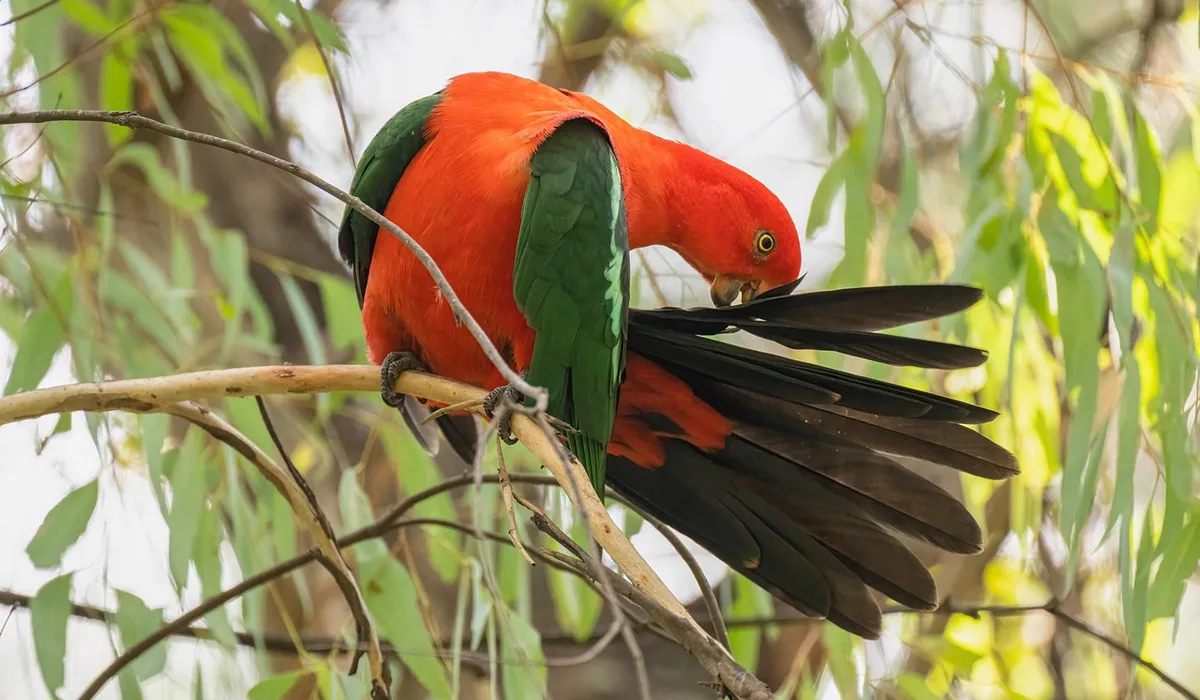
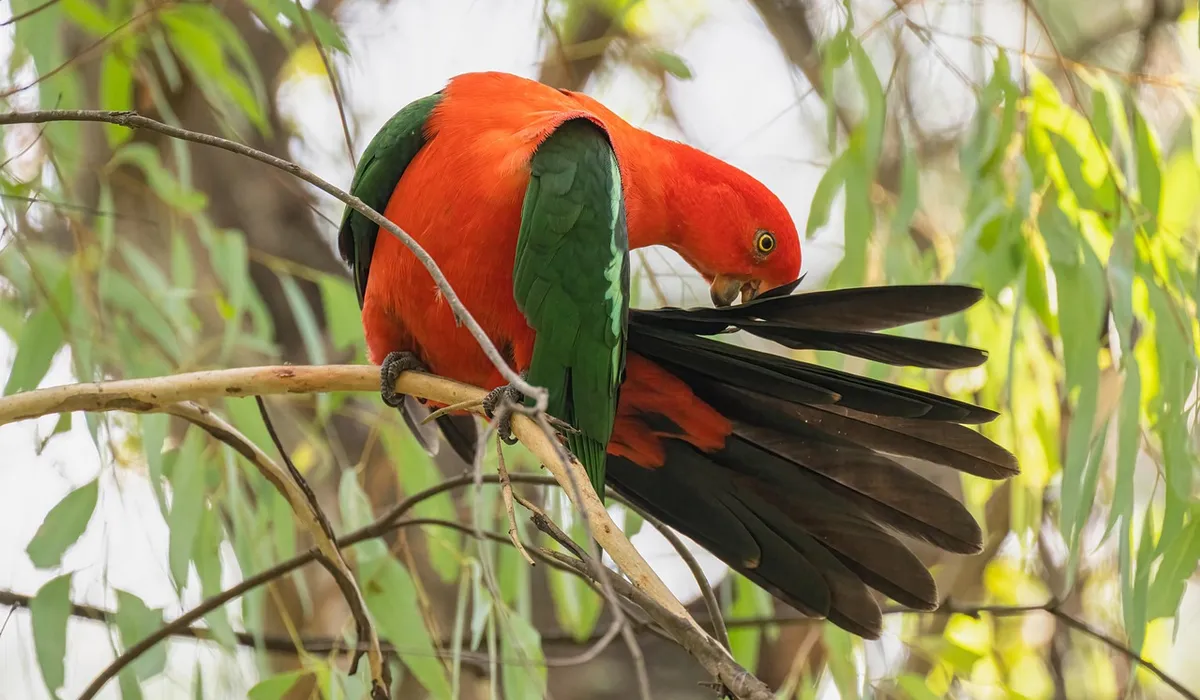
- Clear indicators: Eclectus, some Australian king parrots
- Subtle differences: Male budgies have darker ceres, some cockatiels show slight variations
- No visual difference: African Greys, most conures, Amazon parrots
For many popular pet species, you simply can’t trust your eyes. Species where males and females look identical include African Greys, most conures, cockatoos, and Amazon parrots-DNA testing becomes essential for knowing their gender.
Vocal Differences Between Genders
While both genders can be equally vocal, I’ve observed slight variations in my flock. Male parrots often develop more complex vocal repertoires and may practice sounds more frequently, while females might use specific calls during hormonal periods.
- Males: Typically more varied vocabulary in talking species
- Females: May produce higher-pitched contact calls
- Both genders: Equally capable of loud vocalizations
Behavior and Temperament: What to Expect
Bonding patterns reveal fascinating gender tendencies in parrots. From my experience with Sunny the Sun Conure and Sage the African Grey, females often form incredibly strong bonds with one person while males might spread affection more evenly across the family. To build trust, use bonding techniques that work. Keep sessions short and consistent.
Bonding and Attachment Styles
- Female parrots: Often develop intense, exclusive bonds
- Male parrots: Typically more social with multiple household members
- Exceptions: Individual personality plays a huge role regardless of gender
Hormonal behavior presents significant differences, particularly during breeding season. Female parrots can become territorially aggressive around their chosen nesting spots, while males might show increased regurgitation and mating behaviors. This is a core topic in the understanding and managing hormonal season parrots survival guide. It offers practical tips to reduce stress and keep birds and handlers safe during hormonal surges.
Hormonal Triggers and Management
- Females: May become protective of cages or dark spaces
- Males: Often display increased vocalization and food-sharing behaviors
- Both benefit from: Consistent light cycles, reduced fatty foods, and removed nesting opportunities
Noise levels and social needs vary more by species than gender, but I’ve noticed patterns. My male conure Kiwi demands constant interaction and will scream if left alone, while my female African Grey Sage entertains herself quietly for hours.
Social Needs and Vocalization Patterns
- Males: Often more persistently vocal for attention
- Females: Can be equally loud but might vocalize for different reasons
- Both require: Daily interaction, mental stimulation, and predictable routines
Playfulness and curiosity show interesting gender nuances. Male parrots in my care have typically been more adventurous with new toys, while females often demonstrate smarter, more methodical problem-solving approaches.
Activity and Exploration Differences
- Males: Often more physically active and toy-destructive
- Females: Might prefer observational learning and strategic play
- Both need: Rotating toy selections and supervised exploration time
Health and Lifespan: Gender-Specific Care
Female parrots often deal with egg-binding, a serious condition where an egg gets stuck inside them. This emergency needs quick vet care to prevent infection or worse outcomes. I remember when a friend’s female parrot struggled with this; it taught me to always monitor for lethargy or straining during egg-laying times.
- Egg-binding is more common in females and can stem from poor diet or lack of calcium.
- Males might face fewer reproductive issues but can develop tumors or fatty liver disease.
- Regular weight checks help spot problems early in both genders.
Lifespans vary by species, but females may live slightly shorter lives due to reproductive stress. For example, African Greys like my Sage can reach 50 years, but females need extra calcium to support egg production. Care routines differ: females benefit from cuttlebones for calcium, while males might need more exercise to avoid obesity.
Hormonal cycles in females lead to seasonal behavior changes, like increased nesting or aggression. During these times, I adjust Sage’s diet by adding leafy greens and reduce daylight exposure to mimic natural cycles. Vet visits might spike for blood tests to monitor hormone levels, ensuring early intervention if needed.
- Provide a balanced diet rich in vitamins to support hormonal health.
- Schedule annual check-ups, with extra visits during breeding seasons.
- Keep environments stable to reduce stress-induced issues.
Training and Daily Care: Adapting to Gender
Training approaches should match gender tendencies for better results. Males, like my playful Kiwi, often respond well to short, engaging sessions with lots of positive reinforcement. Females might need patience during hormonal phases, using calm voices to build trust.
- Start with basic commands like “step up” using treats as rewards.
- For males, incorporate interactive toys to channel energy.
- With females, avoid overhandling during nesting periods to prevent stress.
Enrichment activities help manage hormonal or aggressive behaviors. I rotate toys weekly for Sunny to keep her curious and less territorial. Regular rotation helps prevent boredom by renewing interest in her toys. Foraging puzzles and shreddable items reduce boredom and mimic natural instincts.
- Offer puzzle feeders to stimulate problem-solving skills.
- Include swings or ladders for physical exercise.
- Use audio cues or music to soothe anxious birds.
Cage setup and social interaction depend on gender needs. Females prefer cozy, enclosed spaces for security, while males enjoy open perches for visibility. In my home, Sage’s cage has multiple levels to explore, and I ensure daily out-of-cage time for socialization.
- Place cages in quiet areas away from drafts for comfort.
- Provide hiding spots for females and climbing structures for males.
- Interact daily through talking or gentle handling to strengthen bonds.
Consistency and patience are key in all routines. Sticking to a regular schedule helps parrots feel secure and reduces behavioral issues. I’ve found that even small, daily interactions build long-term trust and make care smoother for both genders. Pairing routine with short, focused training sessions helps address common behavioral issues. Consistent training reinforces good habits and keeps parrots engaged.
Choosing Your Match: Factors to Weigh
Your home environment plays a huge role in which parrot gender will thrive. Think about your daily noise tolerance – my Green-cheeked Conure, Kiwi, makes playful chirps, but my Sun Conure, Sunny, belts out calls that need an understanding neighbor. With some simple sound-management strategies, you can train your parrot to keep noise at reasonable levels. A calmer, more controlled soundscape reduces stress for both you and your bird.
- Assess your household: active kids or quiet adults? Other pets like cats or dogs may stress a more timid female.
- Gender can influence cost; females might need extra calcium or vet visits if they start laying eggs.
- Owning one parrot means you become their flock-prepare for daily interaction. A pair can entertain each other but may bond less with you.
- Nothing beats meeting birds face-to-face. I chose Kiwi after seeing his curiosity firsthand, which paperwork alone wouldn’t reveal.
Finding Out Your Parrot’s Gender
Determining gender isn’t always straightforward, but it’s key for tailored care. DNA testing via a feather or blood sample is the most reliable method I’ve used for my birds.
- Methods include non-invasive DNA tests (sent to a lab), surgical sexing (rare now), or watching for clues like egg-laying or specific mating behaviors.
- In many species, gender differences in behavior or appearance show up around 1-3 years old; my African Grey, Sage, didn’t display typical calm traits until maturity.
- Knowing gender helps anticipate health needs, like preventing egg-binding in females, or managing hormonal aggression during breeding seasons.
- Look for avian vet-recommended labs for DNA testing-they provide accurate results and support animal welfare by avoiding stress.
FAQs
Are there behavioral differences between male and female parrots in captivity versus the wild?
In the wild, male parrots often focus on courtship displays and territory defense, while females may prioritize nesting and foraging. In captivity, these instincts can lead to males being more vocal for attention and females guarding spaces, but environmental factors like cage setup and social interaction can modify these behaviors. In human households with multiple birds, understanding parrot flock dynamics helps caregivers anticipate interactions and prevent conflicts. It also guides how to structure routines, space, and enrichment to support a cohesive, well-adjusted flock.
How early can gender differences be observed in young parrots?
Gender-specific behaviors or physical traits typically emerge as parrots reach sexual maturity, which varies by species but often occurs between 1 to 3 years of age. Before that, DNA testing is the most reliable method to determine gender, as visual or behavioral cues are usually not apparent in juveniles. During the [mating season](https://parrotcarecentral.com:/when-is-parrot-mating-and-breeding-season), parrots often show heightened courtship and pair-bonding behaviors as their reproductive drive increases. Knowing the sex of a bird helps in understanding and planning for these seasonal behaviors.
Are there notable gender differences in nesting or parental roles among parrots?
In many parrot species, females primarily handle egg incubation and brooding, while males often provide food and protect the nest. These roles can influence captive behavior, with females becoming more territorial around nesting areas and males showing increased foraging or feeding behaviors.
Do sex hormones influence aggression or social behavior in parrots?
Yes, sex hormones like estrogen and testosterone can heighten aggression or territoriality, especially during breeding seasons. Managing these behaviors involves adjusting light exposure and diet to reduce hormonal triggers and prevent stress-related issues.
Can genetic testing determine parrot gender reliably in many species?
Genetic testing through blood or feather samples is highly accurate for determining parrot gender across most species. This method is essential for birds without visible dimorphism and helps tailor care to prevent gender-specific health problems.
In Closing
Deciding between a male or female parrot boils down to your lifestyle and what kind of feathered friend vibes with your energy. I’ve learned from my own flock-like Kiwi’s playful antics and Sunny’s social cuddles-that males often bring more boisterous fun, while females might offer steady companionship. Pick the gender that matches your daily rhythm and how much interactive time you can share.
Bringing a parrot home means committing to their well-being for years, so always prioritize their health and happiness through proper diet, enrichment, and vet care. I constantly seek out new tips to keep my birds thriving. Stay curious and keep learning about parrot care to build a joyful, lifelong bond with your pet. Regular annual vet checkups are essential for early detection. A preventative care guide helps you stay ahead of health issues.
Further Reading & Sources
- Male vs Female Parrots: 4 Key Differences – A-Z Animals
- r/parrots on Reddit: Male or female?
- Do Parrots Really Have a Preference For Men or Women?
Suzanne Levine is a dedicated parrot enthusiast and experienced avian caregiver with over 15 years of hands-on experience in parrot care. As the founder of Parrot Care Central, Suzanne is passionate about sharing her knowledge and insights to help fellow parrot owners provide the best possible care for their feathered friends. Her expertise spans nutrition, behavior, health, and enrichment, making her a trusted resource in the parrot care community.
Mating Behavior