
Solve Parrot Behavioral Problems with Routine and Training
Published on: March 15, 2026 | Last Updated: March 15, 2026
Written By: Suzanne Levine
Does your parrot scream nonstop, bite unexpectedly, or pluck its feathers? These frustrating behaviors can make you feel helpless and worried about your feathered friend’s well-being.
I’ve faced similar challenges with my own parrots-Kiwi’s playful nipping, Sunny’s loud calls for attention, and Sage’s occasional stubbornness-so I know how overwhelming it can feel. In this guide, I’ll share practical steps to transform your parrot’s behavior by focusing on routine and training. Here are the key takeaways you’ll gain:
- Establish a consistent daily schedule to reduce stress and anxiety in your parrot.
- Use positive reinforcement techniques to encourage good behavior and build trust.
- Address common issues like biting or screaming with simple, effective strategies.
You’ll walk away with clear, actionable advice that’s easy to implement. Topics covered: daily routines, training methods, biting solutions, screaming management, feather plucking prevention, and enrichment ideas.
The Magic of Routine in Parrot Behavior Management
Parrots thrive on knowing what comes next. A predictable daily schedule dramatically lowers their stress levels. I saw this firsthand with my Green-cheeked Conure, Kiwi. Before we settled into a rhythm, he’d get nippy and anxious around dusk. Once his feeding, play, and bedtime became consistent, that evening crankiness completely vanished. Also, keeping household noise calm and predictable helps him stay relaxed night after night. When the soundscape stays steady, Kiwi sleeps better and I feel less stressed too.
A solid routine gives your bird a profound sense of security. My Sun Conure, Sunny, used to scream for attention randomly. Now, she knows that after her morning veggies, we have our training session. She waits patiently instead of yelling. This predictability transforms their environment from chaotic to comforting.
The benefits of a steady routine are massive for both of you.
- Security: Your parrot feels safe, knowing its needs will be met consistently.
- Predictability: Birds are intelligent; they learn the daily flow and relax into it.
- Better Bonding: Shared, reliable activities build immense trust between you and your feathered friend.
Positive Reinforcement Training Basics for Parrots
Training isn’t about forcing your parrot to obey. It’s a conversation built on rewards. The core idea is simple: you reward the behaviors you want to see more of. This method builds a willing partnership instead of fostering fear. In positive reinforcement training parrots, rewards help shape the exact actions you want. This makes training a calm, cooperative activity built on trust.
Let’s break down the fundamental techniques.
Core Training Concepts
- Target Training: You teach your bird to touch a target stick (like a chopstick) with its beak. This is the foundation for teaching more complex tricks and movement.
- Clicker Training: A small device makes a distinct “click” sound the instant your parrot performs the correct action. The click “marks” the behavior, followed immediately by a treat. It’s incredibly precise.
- Reward Systems: Not all treats are equal. Use tiny pieces of their absolute favorite foods-what I call “high-value” treats. For my parrot Sage, that’s a bit of walnut. For Kiwi, it’s a piece of pine nut.
Starting Your Training Sessions
Follow these steps to set yourself up for success. Keep it short and sweet!
- Choose a Quiet Space: Find a room with minimal distractions so your parrot can focus entirely on you.
- Gather Your Tools: Have your clicker, target stick, and a bowl of high-value treats ready.
- Keep Sessions Short: Aim for just 5 to 10 minutes. It’s better to end while your parrot is still eager for more.
- Capture a Simple Behavior: Start with something easy, like offering a treat when they step onto your hand.
- Mark and Reward: The moment they do it, click (or say a marker word like “good!”) and instantly give the treat.
- End on a Positive Note: Always finish with a successful action and a big reward, leaving your bird feeling happy and accomplished.
Training should feel like a fun game for both of you, not a chore. I learned this with Sunny; if I pushed a session too long, she’d lose interest and fly away. Short, fun bursts are the key to a parrot’s heart and mind. Always use those special high-value treats-they make all the difference in keeping motivation sky-high.
Addressing Specific Parrot Behavior Issues with Training
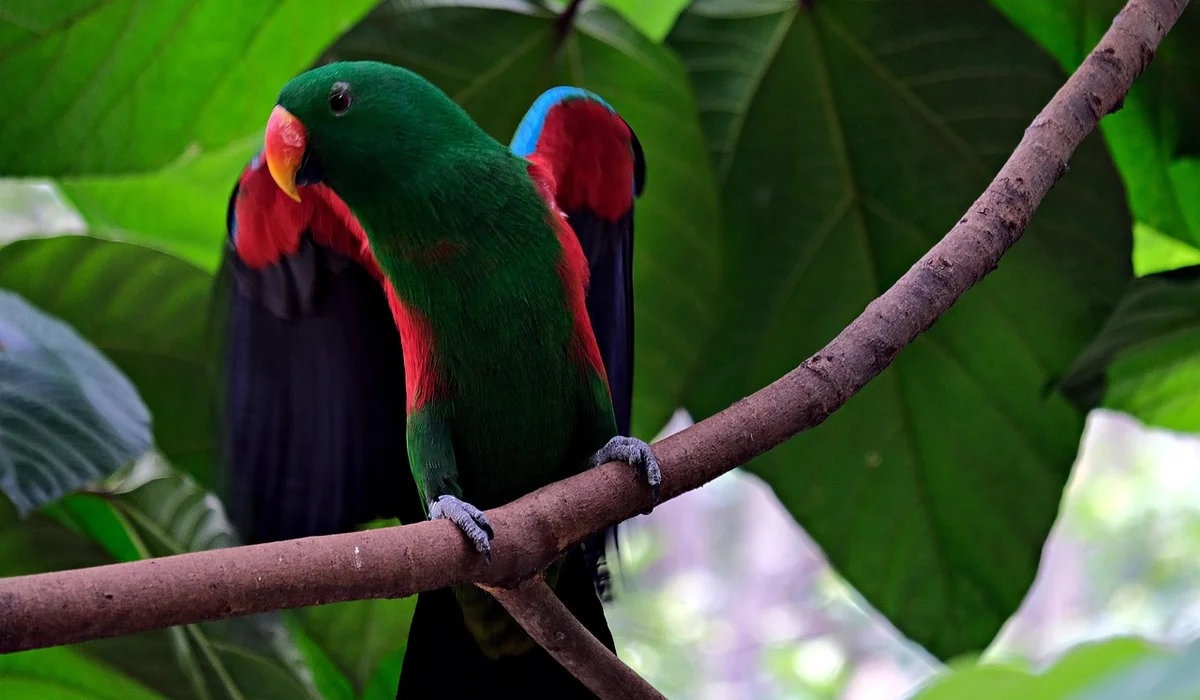
Screaming and Noise Control
When Kiwi, my Green-cheeked Conure, starts screaming for attention, I redirect his energy with interactive toys or a quick training session. Redirecting vocalizations to positive activities helps reduce noise without punishing your parrot.
- Use foraging toys to engage their mind and distract from screaming.
- Teach a “quiet” cue by rewarding moments of silence with treats.
- Implement brief timeouts in a safe, boring space if screaming persists, but never as punishment-just a calm reset.
I found that consistency with cues and timeouts made a huge difference with Sunny, my social Sun Conure. Over time, this approach builds a habit of quieter communication.
Biting and Aggression
Biting often stems from fear or overstimulation, so I always watch for subtle body language like pinned eyes or ruffled feathers. Understanding why parrots bite—identifying triggers like fear, pain, or overstimulation—helps you address the root causes. This awareness guides how you respond and helps prevent escalation. Calm handling and bite avoidance start with reading your parrot’s signals before they escalate.
- Practice step-up training with a perch instead of your hand to build confidence.
- Use positive reinforcement-reward calm behavior with favorite snacks or praise.
- Gradually increase handling time in short, stress-free sessions to foster trust.
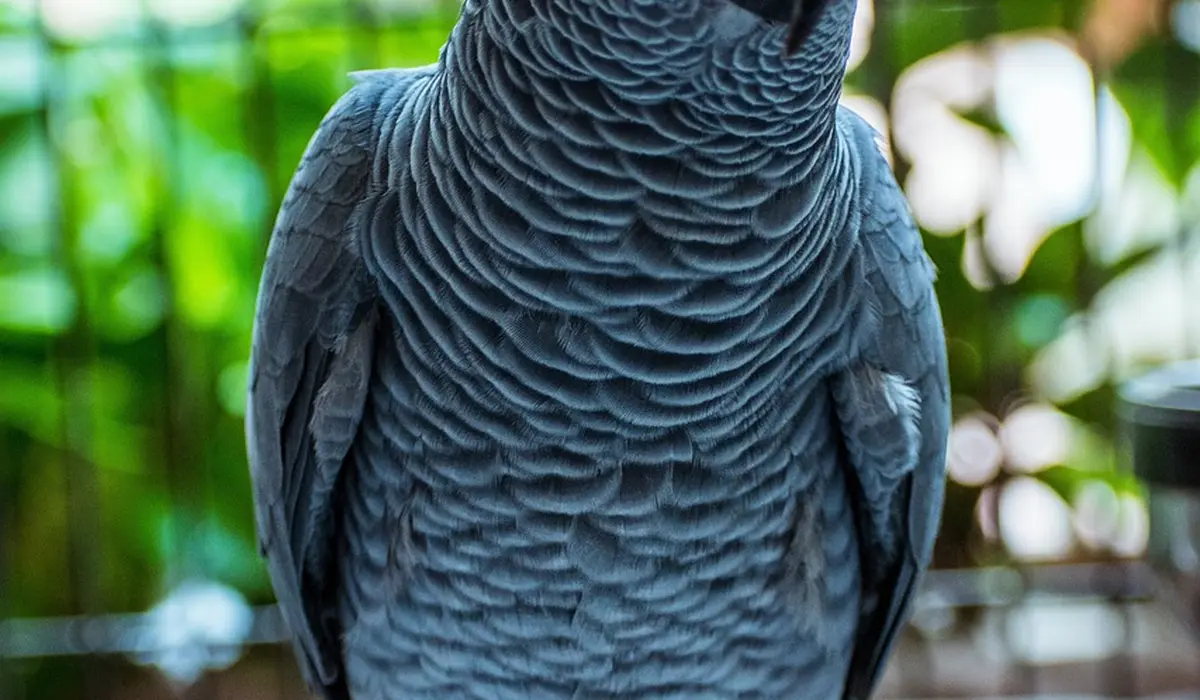
With Sage, my intelligent African Grey, slow socialization and respecting his space turned aggressive nips into gentle interactions. Building trust through patience is key to a bite-free relationship.
Feather Plucking and Destructive Chewing
Environmental enrichment is my go-to for preventing habits like feather plucking, which Sage once struggled with due to boredom. Rotating toys and adding new textures keeps their environment stimulating and reduces destructive urges.
- Introduce shreddable toys, wooden blocks, and puzzle feeders for mental exercise.
- Rotate toys weekly to maintain novelty and curiosity.
- Ensure a balanced diet rich in veggies and pellets, plus daily flight or play for physical health.
I noticed Kiwi’s chewing habits improved with more out-of-cage time and varied perches. A well-rounded routine supports overall wellness and curbs unwanted behaviors naturally.
Building a Daily Routine to Prevent Behavior Problems
- Start the day with fresh food and water, followed by 15-20 minutes of supervised out-of-cage play.
- Incorporate short training sessions during feeding times, like teaching tricks for small treats.
- Schedule quiet time in the afternoon with calming activities, such as foraging or gentle music.
- End with a consistent bedtime routine to promote restful sleep.
I weave training into daily chores-for example, having Kiwi “step up” when I change his water. Integrating training into everyday moments makes it fun and effective for both of you.
Consistency is vital, but I always tweak routines based on each parrot’s personality, like Sunny’s need for more social interaction. Adjusting for individual needs ensures your parrot feels secure and valued in their home. It’s a key step in building trust.
Long-Term Strategies for Happy Parrot Behavior
Keeping your parrot’s behavior on a positive track is a marathon, not a sprint. Consistency in your daily approach builds a foundation of trust and predictability that prevents most problems from ever starting. For beginners, starting with target training is a practical, foundational skill that supports that routine. It’s simple to learn, repeatable, and helps channel a parrot’s energy into cooperative behavior. I’ve seen this firsthand with my Green-cheeked Conure, Kiwi; a solid routine transformed her from a nippy adolescent into a playful, engaged companion.
Ongoing Enrichment is Non-Negotiable
Parrots are intelligent and curious; a bored parrot is a parrot with behavioral issues. Enrichment isn’t just about toys, it’s about engaging their minds and bodies in new ways every single day.
- Rotate Toys Frequently: Don’t just leave the same toys in the cage. I rotate Kiwi’s toys every Sunday. A “new” old toy feels exciting again after a week out of sight.
- Introduce Foraging: Make your parrot work for their food. Hide treats in cardboard boxes, paper bags, or specialized foraging toys. This mimics natural behavior and keeps them busy for hours.
- Environmental Variety: Move their play gym to a different room occasionally. Open a safe window for fresh air and new sounds. These small changes provide vital mental stimulation.
Socialization and Routine Adjustments
Your parrot’s needs will change as they age, just like ours. A rigid routine can become a source of stress if it doesn’t adapt to your parrot’s evolving personality and life stage.
- Daily Social Time: This is non-negotiable bonding time. It doesn’t have to be intense training. Just sit with them while you read or watch TV, letting them be near you.
- Meet New People (Safely): Once your parrot is comfortable, introduce them to trusted friends or family. Always supervise interactions and never force it. My Sun Conure, Sunny, loves showing off for guests now.
- Adjust Sleep Schedules: Molting, breeding season, or just getting older can affect sleep needs. Be observant and be willing to adjust bedtime or cover the cage earlier if they seem tired.
Monitoring Progress and Knowing When to Seek Help
You are your parrot’s best advocate. Keeping a simple mental or written log of good days and bad days can help you spot patterns you’d otherwise miss.
- Look for Positive Signs: Is your parrot willingly stepping up more? Are they playing with their toys? Are their fear screams decreasing? These are all wins.
- Identify Persistent Red Flags: Constant feather plucking, aggression that doesn’t improve with training, or a sudden loss of appetite are clear signs you need extra support.
- Utilize Online Resources Wisely: Reputable forums and avian veterinarian websites are great for general advice. Look for certified parrot behavior consultants or experienced breeders who share their knowledge online.
- Seek Professional Help When Stuck: If you’ve tried everything and a serious behavior persists for more than a few weeks, consult an avian veterinarian first to rule out health issues, then a certified parrot behaviorist. There’s no shame in asking for expert guidance.
Bonding Through Positive Interactions
Training shouldn’t feel like a chore for either of you. The goal is to weave small, positive interactions into the fabric of your daily life together. This is how you build an unbreakable bond.
- Turn Chores into Fun: Let your parrot “help” you fold laundry (by unraveling it!) or shred your junk mail. Include them in your activities.
- Respect Their Mood: Some days, my African Grey, Sage, just wants to sit quietly. Forcing interaction on those days would damage our trust. I let her be, and she always comes to me when she’s ready.
- End on a High Note: Always finish a training session or even a simple cuddle with a success. A small treat, a favorite scratch, or a happy “good bird!” leaves them wanting more.
FAQs
How can I find a qualified parrot behavior trainer in my local area?
Search online for avian veterinarians or certified parrot behaviorists who offer in-person consultations. You can also check with local pet stores or bird clubs for recommendations on trusted professionals nearby. When choosing avian care, look for board-certified avian veterinarians or experienced bird specialists and ask about species-specific expertise and care plans. Ensure they communicate clearly and are accessible for ongoing follow-ups and emergencies.
What are the benefits of using online resources for parrot training?
Online courses and videos provide flexible, accessible guidance from experts without needing to travel. They often include step-by-step tutorials that you can follow at your own pace to address specific behavioral issues.
Are there reputable online platforms that offer parrot training courses?
Yes, websites like those run by avian behavior consultants or organizations such as the International Association of Animal Behavior Consultants provide structured online courses. Always look for reviews or certifications to ensure the content is reliable and science-based.
What should I consider when choosing an in-person parrot training service?
Verify the trainer’s credentials, such as certifications in animal behavior or positive reinforcement methods. It’s also important to ask about their experience with your parrot’s species and observe a session if possible to assess their approach, especially when training different parrot species as outlined in this guide.
Can online training effectively replace in-person sessions for severe behavior problems?
Online training can be highly effective for many issues, but severe cases may require an in-person evaluation to rule out health concerns. Combining online guidance with occasional local professional check-ins often provides a balanced solution.
In Closing
From my time with parrots like playful Kiwi and smart Sage, I’ve found that a consistent daily routine paired with positive reinforcement training can work wonders for curbing unwanted behaviors. Stick to regular feeding, play, and sleep schedules to help your parrot feel secure and less likely to act out. If biting occurs, you can follow a simple step-by-step training guide to stop your parrot from biting and redirect the behavior with calm cues. This approach complements your routine and helps build trust.
Remember, owning a parrot is a long-term commitment that demands patience and a willingness to grow alongside your feathered friend. Always prioritize their well-being by staying curious and learning more about their unique needs and signals. If you’re looking for a thorough resource, this complete guide covers the most common parrot health concerns and what they mean. Knowing these signs helps you seek timely care and keep your bird thriving.
Further Reading & Sources
- Parrot psychology and behavior problems – PubMed
- Parrot Behavior Problems | Positive Bird Training
- Parrot Behavior Support | Positive Solutions for Screaming & Biting
Suzanne Levine is a dedicated parrot enthusiast and experienced avian caregiver with over 15 years of hands-on experience in parrot care. As the founder of Parrot Care Central, Suzanne is passionate about sharing her knowledge and insights to help fellow parrot owners provide the best possible care for their feathered friends. Her expertise spans nutrition, behavior, health, and enrichment, making her a trusted resource in the parrot care community.
Obedience Training