
Best Parrot Species for Beginners: Easy-to-Care-for Birds
Picking your first parrot can feel like a huge decision, with worries about high maintenance, loud noises, or choosing a bird that doesn’t fit your lifestyle.
I’ve raised parrots for years, from my energetic Green-cheeked Conure Kiwi to my affectionate Sun Conure Sunny, and I’m here to simplify it for you.
Key takeaways include: temperament suited for new owners, manageable care routines, and lifespan considerations for long-term commitment.
You’ll get straightforward advice on species like Budgies, Cockatiels, and Green-cheeked Conures, covering topics such as personality traits, feeding needs, and housing setup.
Why Choose a Beginner-Friendly Parrot?
Starting with a beginner-friendly parrot builds your confidence and creates a positive first experience. These birds are typically more forgiving of small mistakes and adapt quickly to new environments. My first parrot, Kiwi, was a Green-cheeked Conure, and his playful curiosity made our bonding process feel natural and stress-free. These days, many myths claim starter parrots are loud or hard to train. The truth about starter parrots debunks 5 common beginner bird myths.
- Easier Bonding: Beginner species often seek human interaction, making them quicker to trust and form connections.
- Lower Stress: Predictable behaviors and fewer complex needs mean less anxiety for you and your bird.
- High Adaptability: They adjust well to routine changes, household noises, and new faces.
- Gentle Nature: Many have milder temperaments, reducing the risk of aggressive behavior during handling.
- Simpler Health Management: They typically have robust constitutions and straightforward dietary needs.
I remember how Kiwi would tilt his head when I spoke, as if trying to understand every word. That gentle curiosity made our transition into parrot ownership feel like a partnership rather than a challenge.
Key Traits of an Easy-Care Parrot
Noise Level and Quiet Companions
Parrot volume varies dramatically between species, and getting this right matters for your sanity and neighbor relations. Budgies and cockatiels offer cheerful chirps rather than ear-piercing screeches, making them ideal for apartments. For parrot owners navigating noise complaints in apartments, this guide offers practical steps to keep sound reasonable. It covers training, scheduling quiet times, and how to talk with neighbors and building management.
- Budgies: Soft chattering and melodic warbles
- Cockatiels: Gentle whistles and occasional contact calls
- Lovebirds: Moderate chirping but capable of loud moments
- Parrotlets: Quiet conversations with themselves
My Sun Conure Sunny belts out calls that can penetrate walls, while my African Grey Sage speaks at reasonable volumes. Living with vocal birds taught me that noise management requires strategic cage placement and consistent training.
Size and Space Needs
Smaller parrots need less room but still require adequate space for healthy movement. A proper cage allows for full wing stretching and multiple perching options regardless of bird size. Cage requirements, including cage size and bar spacing, can vary by species to meet the needs of different parrots. Understanding species-specific cage guidelines helps ensure a safe, comfortable home for any parrot.
- Small parrots (budgies, parrotlets): 18x18x24 inch minimum cage
- Medium parrots (cockatiels, conures): 24x24x30 inch minimum cage
- Large parrots (African greys, Amazons): 36x36x48 inch minimum cage
Species that thrive in limited spaces include budgies, cockatiels, parrotlets, and lovebirds. My conure Kiwi’s cage occupies one corner of my home office, giving him both security and constant companionship.
Temperament and Social Needs
Beginner parrots typically exhibit predictable personalities and strong desire for interaction. Look for birds that show curiosity about humans rather than fear or aggression when you approach. Target training is a foundational skill for beginners. It offers a simple, positive way to shape behavior and build trust.
- Playfulness: Enjoy exploring toys and learning new games
- Trainability: Responsive to positive reinforcement techniques
- Affectionate Nature: Seek physical contact and verbal interaction
- Adaptability: Adjust to varying daily schedules and environments
My African Grey Sage will patiently wait for our morning training sessions, while Sunny demands immediate attention upon waking. Daily interaction isn’t just recommended-it’s essential for preventing behavioral issues and building lifelong trust.
Top Beginner Parrot Species for Your Home
Budgerigar (Budgie)
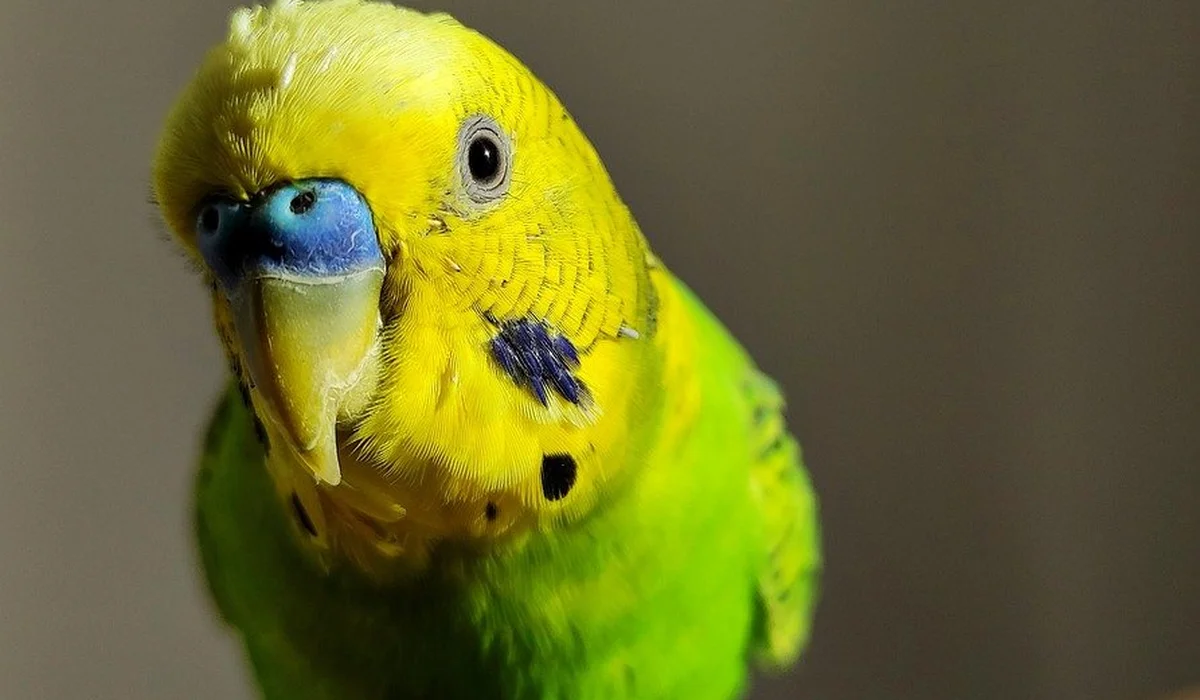
- Budgies charm with their soft chirps and love for company, making them ideal for small spaces. Their social nature means they enjoy daily interaction but don’t demand constant attention, fitting easily into busy lives.
- Feed them a balanced diet of pellets, fresh greens like spinach, and occasional millet treats. Choose a cage at least 18×18 inches with varied perches and shreddable toys to support their mental health.
Cockatiel
- Cockatiels win hearts with their gentle whistles and eagerness to bond. I’ve found them incredibly easy to tame, often perching on your shoulder after just a few sessions of patient handling.
- Their diet should include pellets, chopped vegetables, and a sprinkle of seeds. Provide foraging toys and weekly out-of-cage time to satisfy their curiosity and prevent feather plucking.
Lovebird
- Lovebirds burst with playful energy in a compact body, perfect for apartments. Their small size doesn’t limit their big personality, and they adore interactive games like peek-a-boo.
- Socialize them early with gentle handling to build trust. House them in a cage no smaller than 24×24 inches, filled with swings and bells to mimic their natural agility.
Green-Cheeked Conure
- Green-cheeked Conures, like my Kiwi, exhibit a mischievous curiosity with chirps that are more conversational than loud. Their moderate noise level makes them suitable for homes where quieter birds are preferred but some chatter is welcome.
- From my experience, they thrive on a diet rich in pellets, nuts, and daily veggies. Offer plenty of wooden toys to chew and rotate them weekly to keep their intelligent minds engaged and happy.
Setting Up for Success: Parrot Care Basics
Feeding and Nutrition
- Essential foods include high-quality pellets, fresh fruits like apples, and vegetables such as carrots. Stick to a consistent feeding schedule with meals twice daily to maintain their energy and health.
-
- Start with a base of pellets, making up 60% of their diet.
- Add chopped veggies and fruits for vitamins, about 30% of meals.
- Include occasional proteins like cooked eggs or legumes for variety.
- Always provide fresh water and remove uneaten food to avoid spoilage.
This step-by-step approach ensures a balanced diet that supports vibrant feathers and strong immunity.
Housing and Habitat
- Select a cage that’s at least twice your bird’s wingspan in width, with bar spacing safe for their size. Include natural wood perches of different diameters to promote foot health and prevent sores.
- Bird-proof your home by covering windows, hiding electrical cords, and avoiding toxic plants. Regularly check toys for wear and tear to eliminate choking hazards and keep your feathered friend secure.
Daily Interaction and Enrichment
- Establish a routine with morning play sessions and evening training for 15-30 minutes. Consistent interaction builds trust and reduces stress, making your parrot feel part of the family.
- Prevent boredom by introducing puzzle feeders, teaching simple tricks, or setting up a safe play gym. Rotate activities weekly to stimulate their senses and encourage natural behaviors like foraging and climbing.
Avoiding Common Beginner Mistakes
I’ve seen many new bird owners make the same few missteps, often with the best intentions. Learning from others’ experiences can save you and your feathered friend a lot of stress down the line.
Neglecting Social and Mental Stimulation
Parrots are incredibly social and intelligent creatures; leaving them alone in a cage all day is a recipe for an unhappy bird. My Green-cheeked Conure, Kiwi, started plucking his feathers when I was too busy to interact with him regularly. It was a heartbreaking lesson. That experience made me realize parrots can suffer from separation anxiety when their people are away. With the right approach—routines, enrichment, and gradual departures—you can help your bird cope when you’re gone.
- The Pitfall: Assuming a beautiful cage is enough. Birds need daily out-of-cage time and mental engagement.
- The Solution: Schedule at least 2-3 hours of supervised time outside the cage daily. Rotate their toys weekly to prevent boredom.
- Real-Life Example: Kiwi’s feather condition improved dramatically once I started including him in my daily activities, like having him on a play stand while I worked.
Feeding an Improper Diet
Many beginners think a bowl of seeds is a complete diet, but it’s like feeding a child only candy. My Sun Conure, Sunny, became lethargic and developed dull feathers on a seed-heavy diet before I knew better.
- The Pitfall: Relying solely on a seed mix, which is high in fat and lacks vital nutrients.
- The Solution: A high-quality pellet should form the base of their diet, supplemented with fresh vegetables, fruits, and a small amount of healthy seeds as treats.
- Real-Life Example: Switching Sunny to a pellet-based diet with daily chopped veggies transformed her energy levels and brought back the vibrant colors in her plumage.
Overlooking Long-Term Commitment
It’s easy to fall in love with a cute, chirping baby parrot without considering the decades of care ahead. My African Grey, Sage, will likely be with me for most of my life. Is a parrot the right pet for you? They require ongoing social interaction and a long-term commitment.
- The Pitfall: Impulse buying a parrot without planning for its potentially 30+ year lifespan, including potential vet costs and lifestyle changes.
- The Solution: Thoroughly research the species’ lifespan and typical needs. Create a long-term care plan and a potential guardian in your will.
- Real-Life Example: I had to seriously consider my future moving plans and career trajectory before committing to Sage, ensuring I could provide a stable home for him.
Every choice you make should prioritize the bird’s physical and psychological welfare, not just what’s easiest for you. A well-cared-for parrot isn’t just a pet; it’s a deeply bonded companion for life. If a bird becomes overly bonded and displays mate-guarding or jealousy, handle the situation with calm, consistent boundaries and enrichment to keep the relationship healthy.
FAQs
What are the best parrot species for experienced bird owners?
For experienced owners, African Greys and Cockatoos are top choices due to their high intelligence and ability to form deep bonds. They thrive with owners who can provide extensive mental stimulation and social interaction. In broader discussions of animal intelligence, parrots are often compared with other clever species for their problem-solving and communication skills. When looked at alongside dogs, primates, or dolphins, African Grey and Cockatoo cognition can stand out for its versatility and social complexity.
What do Reddit users recommend for first-time parrot owners?
Reddit communities often highlight Budgies and Green-cheeked Conures for their manageable care and friendly dispositions. Many emphasize the importance of sourcing birds from reputable breeders to ensure good health and temperament.
Which parrot species are best for free flight training?
Macaws and African Greys are commonly used for free flight due to their strong homing instincts and trainability. However, this should only be attempted by experts in controlled, safe environments to prevent accidents.
What are the popular parrot species in India?
In India, Rose-ringed Parakeets and Alexandrine Parakeets are frequently kept as pets because of their availability and resilience to local climates. Prospective owners should verify that their choice complies with regional wildlife protection regulations.
Why are some parrot species better suited for beginners than others?
Beginner species typically have lower noise levels, simpler diets, and more forgiving temperaments, reducing the risk of common mistakes. Adopting from rescues or breeders who assess individual bird personalities can help match you with a compatible companion.
In Closing
From my years with parrots like Kiwi and Sunny, I’ve seen how choosing a beginner-friendly species, such as a conure or cockatiel, makes all the difference in easing into parrot parenthood. Focus on birds with calm personalities and simple care needs to build a strong, joyful bond from day one. Ultimately, this means choosing the right pet parrot for your home lifestyle. Consider your daily schedule, space, and tolerance for vocalization to guide your choice.
Remember, bringing a parrot home means committing to their well-being for decades, so always prioritize their health and happiness through proper diet and enrichment. On your new parrot’s first day home, follow a simple step-by-step survival guide to help them settle in with confidence. Keep exploring new care tips and resources to grow alongside your feathered companion and provide the best life possible.
Further Reading & Sources
- Good “beginner” parrots? | Peggy’s Parrot Place
- r/parrots on Reddit: What type of Parrot, parakeet, or conure should a beginner have?
- A Complete Beginner’s Guide – The Parrot Society UK
Suzanne Levine is a dedicated parrot enthusiast and experienced avian caregiver with over 15 years of hands-on experience in parrot care. As the founder of Parrot Care Central, Suzanne is passionate about sharing her knowledge and insights to help fellow parrot owners provide the best possible care for their feathered friends. Her expertise spans nutrition, behavior, health, and enrichment, making her a trusted resource in the parrot care community.
Budgerigars