
Behavioral Differences: Rescue vs. Hand-Raised Parrots
Deciding between a rescue parrot and a hand-raised one can stir up plenty of questions. You might worry about bonding struggles, unexpected behaviors, or whether you can provide the right home for a bird with a tough past.
I’ve shared my life with parrots like Sage, my hand-raised African Grey, and Kiwi, a lively Green-cheeked Conure, so I understand your concerns. I’ll help you navigate this choice by highlighting three key insights:
- Rescue parrots often need extra patience to build trust due to past experiences.
- Hand-raised birds usually bond quickly but may demand more social interaction.
- Each type requires tailored training to thrive in your home environment.
Rest easy-you’re about to get straightforward advice that cuts through the confusion. We’ll explore bonding techniques, training strategies, common behaviors, health considerations, and adaptation tips.
Defining Rescue and Hand-Raised Parrots
A parrot’s early life story writes the first chapters of its personality, setting the stage for everything from trust to tantrums.
I’ve lived with both types, and the differences are profound from day one.
What These Labels Truly Mean
A hand-raised parrot is intentionally fed and socialized by humans from a very young age, often from the time its eyes are still closed. For shy or traumatized parrots, building confidence requires patient, positive interactions, and gradual trust-building through gentle handling. With consistent routines and calm cues, these birds learn to explore, perch with ease, and form lasting bonds.
This process, called imprinting, wires their brain to see people as their own kind.
My Green-cheeked Conure, Kiwi, was hand-raised; he landed on my shoulder within minutes of meeting me, already convinced I was his flock.
A rescue parrot has a history of being rehomed, surrendered, or sometimes neglected.
Their past is often a mystery, and that unknown history can include trauma, inconsistent handling, or a lack of proper socialization.
Their trust isn’t a given; it’s a prize you must earn.
Comparison of Origins and Early Life
- Hand-Raised Origin: Bred in captivity, purposefully raised by human caregivers.
- Rescue Origin: Can be from various backgrounds-previous homes, breeding facilities, or the wild.
- Hand-Raised Socialization: Constant, positive human interaction from hatchling stage.
- Rescue Socialization: Often inconsistent, unpredictable, or even frightening.
- Hand-Raised Imprinting: Strongly bonded to humans, sometimes struggling to identify as a bird.
- Rescue Imprinting: May be bonded to previous owners or other birds, viewing new people with suspicion.
These early experiences directly shape a parrot’s initial behavior in your home.
A hand-raised bird often steps up readily and seeks your company immediately.
A rescue parrot might freeze, fluff up, or retreat to the back of the cage, needing days or weeks just to feel safe in the same room with you. Separation anxiety is common in parrots, especially rescue birds. With the right routines and gradual desensitization to time apart, you can help your bird cope when you’re gone.
Trust Development and Attachment Styles
Building a bond with a parrot is a beautiful journey, but the map you use depends entirely on where your bird started.
Patience is your most valuable tool, and the required amount differs vastly.
Building Trust with Rescue Parrots
Trust with a rescue parrot builds in tiny, almost invisible increments, not in grand gestures.
Their fear responses are survival instincts, not stubbornness.
My African Grey, Sage, was a rescue; for the first month, he’d watch me from across the room, assessing my every move before he ever made a sound.
Steps for Fostering Trust
- Let the parrot set the pace. Move slower than you think you need to.
- Spend quiet time near their cage without demanding interaction. Read a book aloud so they learn your voice is safe.
- Offer high-value treats from your open palm without requiring a step-up.
- Learn to read their body language. A pinned eye or stiff posture means “stop.”
- Create a predictable daily routine for feeding and interaction to reduce their anxiety.
Recognizing stress signs is critical to avoiding triggers and preventing setbacks.
- Feathers pulled tightly against the body
- Lunging or beak snapping when you approach
- Constant, low growling or hissing sounds
- Rapid breathing while perched still
Social bonding after trauma is a process of proving your consistency and gentle nature, over and over again.
Attachment in Hand-Raised Parrots
Hand-raised parrots bond quickly, but this fast attachment comes with its own challenges, like a potential for over-dependence.
Their imprinting on humans can be so complete they don’t know how to be alone.
My Sun Conure, Sunny, was hand-raised and would scream relentlessly if I simply walked into another room, a classic sign of separation anxiety.
Maintaining a Healthy Bond
- Encourage independent play with foraging toys to build confidence away from you.
- Reward calm behavior, not demanding screams for attention.
- Teach your parrot to happily go back into its cage for a favorite treat, preventing resource guarding of your shoulder or arm.
- Provide a consistent sleep schedule in their own cage to reinforce a secure, personal space.
A healthy bond means your parrot enjoys your company but doesn’t fall apart without it.
This balance prevents behavioral issues and creates a more resilient, happier bird.
Socialization Needs and Training Responsiveness
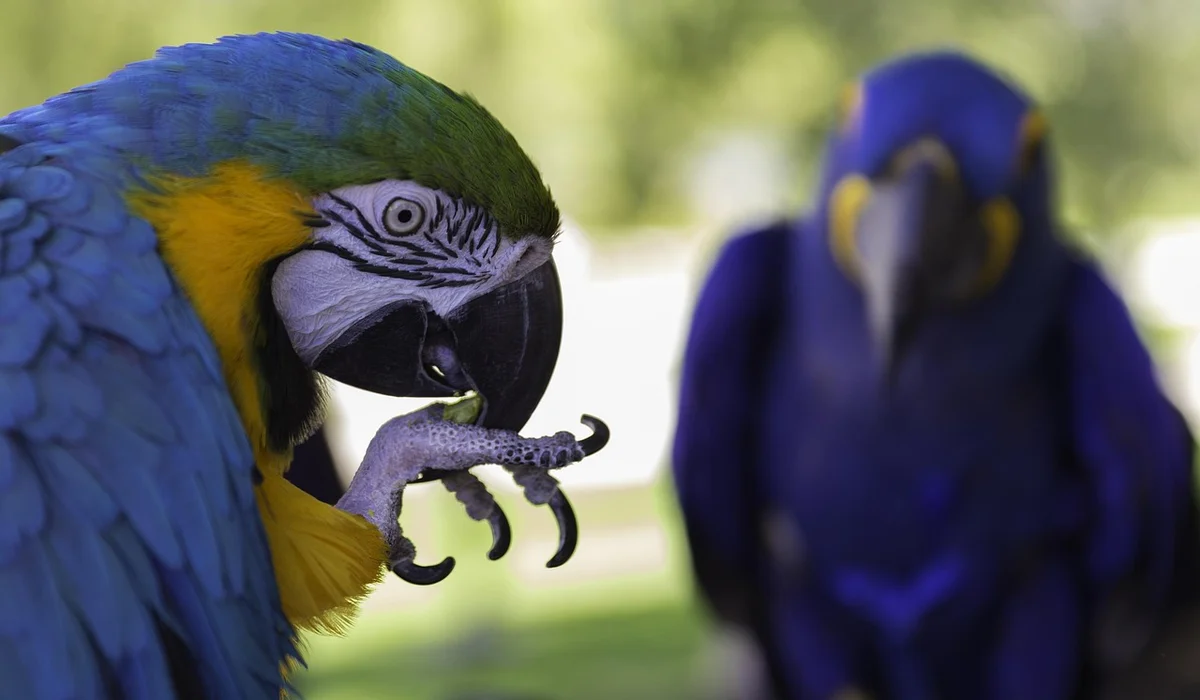
Rescue parrots often need a slow, structured approach to feel secure in new settings. My Green-cheeked Conure, Kiwi, required weeks of patient observation before she’d even perch near me without flinching. Hand-raised birds like my Sun Conure, Sunny, usually adapt faster but still thrive on clear routines and gentle guidance.
- Socialization requirements differ: Rescue parrots benefit from predictable introductions to reduce stress, while hand-raised ones might explore eagerly but need consistent social boundaries.
- Training responses vary: Bite inhibition is often stronger in hand-raised parrots due to early human interaction, and vocalization patterns can be more controlled compared to rescues who might mimic past environments.
Socialization Strategies for Rescue Parrots
Focus on creating a calm environment to help them adjust. I always start by placing rescue birds in a low-traffic area with minimal noise to let them acclimate at their own pace.
- Environmental adaptation involves using soft lighting and familiar sounds to ease anxiety over time.
- Safe introductions include letting them observe new people or birds from a distance before offering treats to build positive associations.
Training Hand-Raised Parrots
These birds typically learn commands quickly but can develop habits like excessive screaming. Sunny picked up “step up” in just a few sessions, but we had to redirect her loud calls with engaging toys.
- Higher training responsiveness means using short, fun drills with immediate rewards to keep them motivated.
- Manage vocalization by providing enrichment like puzzle feeders to channel their energy positively.
Step-by-step guide for basic training tailored to each type:
- For rescue parrots: Begin with trust-building activities like hand-feeding from outside the cage to establish safety.
- For hand-raised parrots: Introduce simple commands like “come” and reinforce with favorite treats to encourage cooperation.
Common Behavioral Challenges and Solutions
Each parrot type faces unique hurdles that stem from their backgrounds. I’ve watched rescue parrots like Sage show fear around sudden noises, while hand-raised Kiwi would scream if left alone too long.
- Frequent issues include aggression risks, fear responses, and resource guarding in rescues; noise excess and over-attachment are common in hand-raised birds.
- Actionable steps involve using positive reinforcement and environmental tweaks to address problems effectively.
Managing Fear and Aggression in Rescue Parrots
Healing from past trauma requires patience and a safe haven. Setting up a consistent daily schedule helped Sage feel more secure and reduced his startled reactions.
- Trauma recovery involves avoiding loud sounds and offering gentle interactions to rebuild trust gradually.
- Create a safe space by adding cozy hideouts in their cage where they can retreat when overwhelmed.
- Build predictability through regular feeding and playtimes to lower stress levels over weeks.
Addressing Behavioral Issues in Hand-Raised Parrots
They often vocalize loudly or become overly dependent on owners. Kiwi’s playful screams were manageable once we introduced foraging toys that kept her busy for hours.
- Handle vocalization excess by ignoring attention-seeking noise and rewarding quiet moments with affection.
- Encourage independence through scheduled solo play with interactive items to prevent clinginess.
- Prevent mischief by rotating toys frequently to maintain their curiosity and reduce boredom.
| Aggression Trigger | De-escalation Technique |
|---|---|
| Sudden movements | Move slowly and speak in a soft tone to avoid startling them |
| Resource guarding | Offer higher-value items in exchange to reduce possessiveness |
| Loud environments | Provide a quiet retreat area to help them calm down |
Enrichment and Environmental Adaptation
Enrichment needs vary wildly between rescue and hand-raised parrots. Rescue birds often require trauma-informed toys that build confidence, while hand-raised ones thrive on variety to prevent mental stagnation. I learned this firsthand with Kiwi, my Green-cheeked Conure, who adores exploring new textures, versus Sage, my African Grey, who needed gentle introductions to avoid fear.
Flight safety is crucial for both types. Ensure your home has safe, open spaces for flying, but monitor rescues closely as they might panic in unfamiliar environments. Hand-raised parrots, like Sunny, my Sun Conure, often fly with gusto but still need supervision to avoid accidents.
- For fearful behavior: Use soft, quiet foraging toys to encourage exploration without stress.
- For curious behavior: Introduce puzzle feeders or shreddable items to satisfy natural instincts.
- For social behavior: Offer interactive toys that mimic flock play, but avoid overstimulation.
Tailoring Enrichment for Rescue Parrots
Focus on trust-building items that reduce anxiety. Foraging puzzles helped Sage overcome his past trauma by letting him control his environment at his own pace. This approach not only boosts their confidence but also supports long-term emotional recovery.
- Start with simple, non-threatening toys like cardboard boxes or paper rolls.
- Gradually introduce items that promote problem-solving, such as treat-dispensing balls.
Enrichment Ideas for Hand-Raised Parrots
Hand-raised parrots need engaging activities to curb boredom. Interactive toys, like ladder puzzles or noise-making items, keep their minds sharp and prevent over-socialization issues like excessive screaming. With Sunny, I rotate his toy collection weekly to maintain his interest and happiness.
- Use variety in textures and colors to stimulate their senses and reduce repetitive behaviors.
- Incorporate training sessions with positive reinforcement to strengthen bonds and mental agility.
Health, Temperament, and Long-Term Care
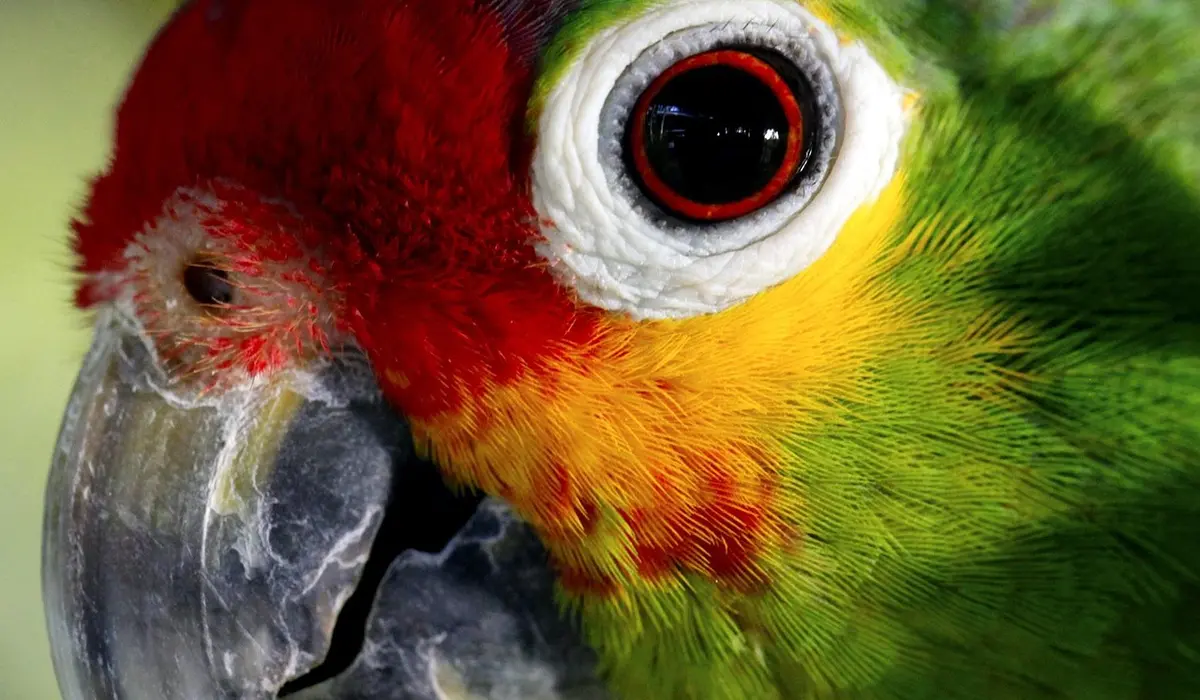
Health and temperament are deeply tied to behavior, especially for rescues with trauma histories. Past neglect can lead to stress-related illnesses, making patience and observation key to their well-being. Over time, many rescues adapt better to handling, but it requires a consistent, gentle approach.
Monitor your parrot’s tolerance to environmental changes closely. Gradual introductions to new people or spaces help build trust and reduce anxiety-driven health issues. I saw this with Sage, who slowly warmed up to handling after months of routine care. When behavioral issues arise, address them with short, consistent training sessions as part of daily routines. Routine training reinforces calm responses and makes gradual exposure more effective.
- Watch for changes in appetite or droppings, which can signal underlying health problems.
- Note any feather plucking or lethargy, and seek veterinary help if symptoms persist.
- Check for normal breathing and activity levels daily to catch issues early.
Health Considerations for Rescue Parrots
Rescue parrots often face issues like malnutrition or infections from past neglect. A balanced diet and steady routine are vital for their recovery, as I found with Sage’s improved feather condition after switching to nutrient-rich pellets. Diet quality also influences long-term health and lifespan. Good nutrition supports not just recovery, but ongoing vitality and longevity. Work with a vet to address any chronic conditions and adjust care as needed.
- Introduce new foods slowly to avoid digestive upset and build trust.
- Schedule regular vet visits to monitor weight and check for common ailments like parasites.
Maintaining Hand-Raised Parrot Health
Hand-raised parrots are prone to obesity if their social and activity needs aren’t met. Prevent weight gain by providing ample flight time and limiting high-fat treats, as I do with Sunny’s daily play sessions. This is part of parrot weight management and obesity prevention, aiming to keep them in healthy weight ranges. Regular vet checks ensure they stay in top shape, and balancing interaction with independent play prevents overdependence.
- Incorporate flight exercises and climbing activities to keep them physically fit.
- Offer a varied diet with fresh veggies and controlled portions to maintain ideal weight.
Choosing the Right Parrot for Your Lifestyle
Your daily routine and personality play a huge role in determining which parrot type will thrive in your home. Think of it as matching energy levels and expectations, not just picking the prettiest bird. Choosing the right pet parrot for your home lifestyle means picking a bird whose needs fit your daily schedule. Consider how much space, noise level, and interaction you can consistently provide.
Assess your comfort with surprises versus routine. Rescue parrots often bring beautiful, unexpected progress, while hand-raised birds typically follow a more predictable developmental path.
Key Factors to Compare
- Time Investment: Rescues demand months of patient interaction; hand-raised birds need consistent daily socialization from day one
- Noise Levels: Hand-raised parrots often vocalize more frequently for attention; rescues might have specific trigger sounds that cause distress
- Bonding Expectations: Hand-raised birds typically bond quickly; rescue bonds form slowly but become incredibly deep and trusting
| Rescue Parrot | Hand-Raised Parrot |
|---|---|
| Pros: Deep loyalty, lower cost, life-saving impact | Pros: Predictable behavior, easier training, immediate bonding |
| Cons: Unknown history, potential behavioral issues, slower trust-building | Cons: Higher purchase price, needier personality, louder vocalizations |
Is a Rescue Parrot a Good Fit?
Rescue birds shine with owners who possess specific qualities. You’ll need the patience of a saint and the observational skills of a detective. My green-cheek Kiwi took three months to step onto my hand without panic – every small victory felt monumental.
Ideal rescue adopters demonstrate:
- Previous parrot experience, especially with behavioral issues
- Flexible schedule for gradual trust-building sessions
- Ability to read subtle body language and respect boundaries
- Emotional resilience for setbacks during rehabilitation
The rewards go beyond companionship. Watching a traumatized bird learn to play again is one of the most heartwarming experiences in parrot keeping. You’re not just getting a pet – you’re giving a second chance at a happy life.
Is a Hand-Raised Parrot Better for You?
Hand-raised parrots often suit first-time owners or busy households seeking predictable companionship. My sun conure Sunny stepped onto my shoulder within hours of coming home – that instant connection is magical for new owners.
These birds thrive with:
- Structured training schedules and clear routines
- Families wanting immediate interaction
- Owners who can provide near-constant social stimulation
- Environments where loud, frequent vocalizations are acceptable
Potential challenges include their intense need for attention. Hand-raised birds often develop separation anxiety if left alone too frequently. They’ve never known life without human contact, so sudden isolation hits them particularly hard.
Consider your household noise tolerance carefully. These birds use vocalizations as constant communication, not just occasional outbursts. My African Grey Sage will chatter through entire phone calls if he feels left out of the conversation.
FAQs
How can I help a rescue parrot overcome its fear of hands?
Start by offering treats from an open palm without expecting physical contact to build positive associations. Gradually move your hand closer over time as the parrot becomes more comfortable, always respecting its boundaries to avoid triggering fear. When the bird reliably accepts treats from your hand, invite it to step up onto your hand by presenting your palm and giving a calm cue. Reward with a treat and practice in short, positive sessions to reinforce the step-up behavior.
What are the signs that a rescue parrot is starting to trust me?
Look for relaxed body language, such as preening in your presence or taking treats gently from your hand. Other positive indicators include soft vocalizations or moving closer to you without signs of stress like fluffing up or retreating.
Is it possible to train an older rescue parrot, or are they too set in their ways?
Yes, older rescue parrots can learn new behaviors with consistent, patient training focused on positive reinforcement. This approach uses rewards such as treats, praise, or preferred toys to reinforce desired behaviors. It emphasizes clear cues and consistent timing so parrots connect actions with positive outcomes. Keep sessions short and rewarding to build confidence and adapt methods to their comfort level for better results.
How do I handle a rescue parrot that plucks its feathers due to stress?
First, consult an avian vet to rule out medical causes and address any underlying health issues. Provide a calm environment with enriching toys and routines to reduce anxiety, and avoid punishing the behavior to prevent further stress.
What should I avoid doing when interacting with a rescue parrot to prevent setbacks?
Avoid sudden movements or loud noises that could startle the parrot and reinforce fear-based behaviors. Do not force interactions or invade their personal space, as this can damage trust and slow down the bonding process. A calm, predictable routine can help a scared or stressed parrot feel safer around you. Gentle, patient handling helps keep a parrot calm and reduces stress over time.
In Closing
Choosing between a rescue or hand-raised parrot means preparing for their unique quirks-rescue birds like my Sage need gentle patience to overcome past fears, while hand-raised ones like Kiwi often bond quickly but still crave structure. Your parrot’s history shapes their behavior, so tailor your approach with love and consistency to help them thrive in your home.
Committing to a parrot is a lifelong journey of learning and adaptation, whether you’re navigating trust with a rescue or fine-tuning training with a hand-raised friend. Keep educating yourself on parrot care to ensure a happy, healthy life for your feathered companion, and always advocate for their well-being in every decision you make.
Further Reading & Sources
- Parrot Behavior | Parrot Behaviour | Parrots | Guide | Omlet US
- Pet Bird and Parrot Behavior – Pet Birds by Lafeber Co.
- Full article: The Parrot–Owner Relationship and Problem Behaviors in Parrots
Suzanne Levine is a dedicated parrot enthusiast and experienced avian caregiver with over 15 years of hands-on experience in parrot care. As the founder of Parrot Care Central, Suzanne is passionate about sharing her knowledge and insights to help fellow parrot owners provide the best possible care for their feathered friends. Her expertise spans nutrition, behavior, health, and enrichment, making her a trusted resource in the parrot care community.
Socialization