
Sound and Your Parrot: Managing Household Noise to Reduce Stress
Are you noticing your parrot getting jumpy or quiet when the vacuum roars or the doorbell rings? You’re not alone in worrying how everyday sounds affect your feathered companion’s peace.
I’ve spent years with my parrots-Kiwi’s playful antics, Sunny’s cheerful chirps, and Sage’s calm wisdom-and I’m here to guide you through simple steps to create a calmer home.
In this article, I’ll cover three main takeaways:
- Identifying common household noises that spike parrot stress
- Easy ways to soundproof your parrot’s space without a big remodel
- Using positive reinforcement to help your bird feel safer amid the racket
You’ll walk away with clear, doable strategies to protect your parrot’s well-being. Topics we’ll explore include: recognizing stress signals, quiet zone setup, noise-reduction hacks, and daily routine tweaks. We’ll also cover how to create a safe, stimulating indoor flight environment for your parrot. Practical steps show how to set up space, enrichment, and supervision for healthy flights.
Why Household Noise Stresses Your Parrot
Parrots hear the world very differently than we do. Their hearing is far more sensitive, picking up frequencies and volumes that can feel overwhelming to them. While humans typically hear sounds between 20 Hz to 20,000 Hz, many parrots detect frequencies up to 20,000 Hz or higher, making them ultrasensitive to the high-pitched whines of electronics we barely notice.
In the wild, a sudden, sharp noise usually means one thing: danger. My green-cheeked conure, Kiwi, once dove for cover because of the high-frequency beep from a microwave. It’s a sound I’d tuned out, but for her, it was an unnatural alarm. Compare that to the steady, predictable rustle of leaves or the chatter of a flock-these are natural sounds that signal community and safety, not fear.
Common Parrot Stress Triggers
- Sudden Loud Noises: Dropping a pan, a dog barking, or a door slamming can trigger a panic response, leading to frantic flapping and potential injury.
- High-Frequency Sounds: The whir of a blender, a smoke alarm’s low-battery chirp, or screeching feedback from a TV can cause visible anxiety and feather ruffling.
- Constant Droning: A vacuum cleaner running for a long time can be mentally exhausting, as the parrot can’t escape the pervasive noise.
- Unfamiliar Voices or Yelling: Loud, agitated human speech can be interpreted as a threat, putting your bird on high alert.
Identify Stress-Inducing Sounds in Your Home
Your home is filled with sounds that are part of your daily life but can be a minefield for your parrot. Appliances like vacuums and blenders often operate at 70-90 decibels, a level that is uncomfortable and stressful for a bird. Doorbells and phone rings are designed to be attention-grabbing, and they certainly grab your parrot’s attention—just not in a good way. If your parrot seems bored, these triggers can contribute to stress and mischief. I can help you identify enrichment ideas and routines to keep your bird engaged and calm.
Conducting a simple home sound audit can open your eyes-and ears. Spend 30 minutes moving through your home, noting every sound you hear and watching your parrot’s body language for each one. Does your African Grey, Sage, fluff up and pin his eyes when the dishwasher starts its cycle? That’s a clear sign of discomfort.
Steps for a Home Sound Audit
- Choose a typical day and carry a notepad or use your phone.
- Walk through each room, listing every sound and estimating its volume (quiet, moderate, loud).
- Observe your parrot from a distance for each sound. Look for subtle signs like freezing, feather puffing, or beak grinding.
- Note which sounds cause the most dramatic reactions. These are your top priorities to manage.
Other pets add another layer of commotion. A dog’s playful bark or the sudden scamper of a cat can startle a parrot, even if the animals are friends. I manage this by creating “quiet zones” for my birds where other pets are not allowed, giving them a predictable and peaceful retreat. These ideas are part of a multi-pet household guide on how parrots safely live with other pets. With careful boundaries and routines, both birds and pets stay calmer.
Common Loud Noises to Watch For
Be especially mindful of entertainment and kitchen areas. A blaring action movie on the TV can be a sonic assault, while the food processor’s roar during meal prep can send a parrot like my sun conure, Sunny, into a flutter. These are common hotspots for unexpected noise.
- Televisions and Radios: Keep the volume at a conversational level. If you can’t easily talk over it, it’s too loud for your bird.
- Kitchen Appliances: Consider using a blender or mixer in a room farthest from your parrot’s cage, or cover the cage with a light breathable cloth to dampen the sound.
- Power Tools: Drills and saws are intensely loud and stressful. Always relocate your parrot to a quiet, distant room before starting any project.
- Loud Chores: Instead of violently shaking out a rug, take it outside. Choose a handheld vacuum over a louder upright model for quick clean-ups near the cage.
Creating a Calm and Safe Sound Environment
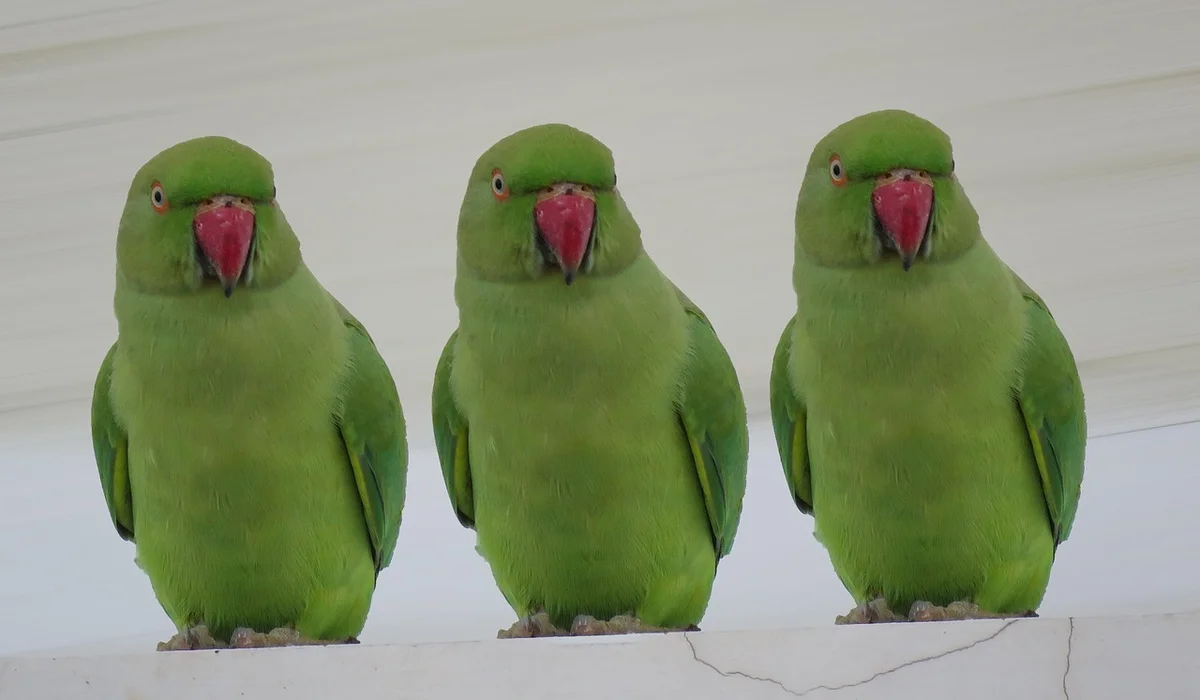
Your parrot’s world revolves around sound, and creating a peaceful auditory space makes a huge difference in their wellbeing. I’ve transformed my own bird room with simple, bird-safe modifications that noticeably relaxed my green-cheeked conure Kiwi. This is a preview from my complete guide to building a parrot-safe bird room. It covers acoustics, materials, layout, and safety considerations.
Soundproofing and Noise Reduction Techniques
Start with these practical steps to soften harsh noises and create a cozy retreat for your feathered friend.
- Place thick, washable cotton blankets or felt pads under and behind the cage to absorb echoes from hard floors and walls.
- Hang heavy, bird-safe fabric curtains over windows and doorways in the bird’s room to block outside noise and dampen room echoes.
- Add cork boards or fabric-covered acoustic panels to walls near the cage, ensuring all materials are securely mounted and free from loose fibers.
- Position the cage in a corner away from direct vents, televisions, or busy hallways to minimize sudden sound exposure.
Enrichment plays a key role in managing sound stress without adding more noise. I always provide Sage, my African Grey, with soft wood chews and foraging puzzles that engage her mind quietly.
- Offer shreddable toys made from untreated wood, palm leaves, or cardboard to encourage silent, focused play.
- Rotate foraging toys filled with healthy treats to keep your parrot mentally occupied and less reactive to ambient sounds.
- Install a comfortable, fabric-based tent or hut inside the cage for a visual and physical sound buffer.
Using Background Sounds for Comfort
Masking unpredictable noises with steady, gentle sounds can prevent many stress episodes. Playing soft white noise or nature sounds at a low volume helped Sunny, my sun conure, stop startling at every door slam.
- Set up a small speaker across the room with a consistent white noise or gentle rain track during noisy periods.
- Choose audio without sudden volume changes or sharp high pitches that could unsettle your parrot.
- Experiment with different sounds-classical music or audiobooks with calm narration often work well.
Establishing a Sound Routine
Parrots thrive on predictability, so a daily sound schedule reduces their anxiety. Keeping a consistent auditory environment made my birds more confident and vocal in positive ways.
- Start each morning with quiet activities and soft talking to set a calm tone.
- Schedule louder household tasks like vacuuming for the same time each day, preferably when your parrot is occupied with a meal or play.
- Wind down each evening by dimming lights and reducing all sound volumes at least an hour before bedtime.
Understanding Your Parrot’s Vocal Cues and Behavior
Learning to interpret your parrot’s sounds transforms your relationship and helps you address their stress proactively. It took me months to realize Kiwi’s specific chirp meant he was asking for his favorite toy, not just making random noise.
Common Vocalizations and Their Meanings
Each sound your parrot makes carries a distinct message about their emotional state.
- Contact calls are moderate, repetitive chirps or squawks signaling a check-in-they want to know you’re nearby.
- Alarm calls are sharp, loud, and persistent, indicating fear or a perceived threat in their environment.
- Content muttering or soft warbling shows your parrot is relaxed, happy, and feeling safe.
- Loud, demanding squawking often means boredom, hunger, or a request for attention and interaction.
Observing Body Language with Sound
Pairing vocal cues with physical signs gives you the full picture of your parrot’s feelings. Watching Sage’s feathers flatten when the blender started helped me connect her silence to fear, not calm.
- Notice feather position-flattened feathers against the body often signal fear, while slightly fluffed feathers can mean comfort.
- Watch their eyes-rapid pinning of the pupils with certain sounds can indicate high excitement or agitation.
- Check their posture-crouching low or leaning away from a noise source clearly shows discomfort or alarm.
- Observe their feet-shifting weight frequently or gripping the perch tightly can accompany stressed vocalizations.
Personal Stories of Sound Interpretation
Real-life examples show how tuning into your parrot’s sounds deepens your bond. When Sunny started making a new, soft clicking noise every time I entered the room, I recognized it as her ‘happy greeting’ and began responding with a similar sound.
This small exchange built immense trust between us. Another time, Kiwi’s usual playful squawks turned into short, high-pitched cries. By watching him, I noticed he was staring at a new picture frame reflecting light erratically. Moving the frame stopped the stressed sounds immediately. Listening closely lets you solve problems before they escalate into chronic stress.
Practical Steps to Reduce Noise Stress Daily
Creating a predictable sound environment is your first line of defense for a calm parrot. I start every morning with a consistent routine for my flock, which signals a safe and stable day ahead. Science shows parrots benefit from consistent sleep and regular REM cycles to support rest. A predictable night routine helps prevent night frights and promotes calmer behavior.
Crafting a Calm Daily Routine
Parrots thrive on predictability. A chaotic soundscape makes them feel insecure.
- Start the day with quiet, calm interactions before introducing any louder activities.
- Schedule noisy chores like vacuuming for the same time each day, so your parrot learns to anticipate them.
- Use a specific, gentle sound-like soft whistling or a particular phrase-as a cue that everything is okay before a known noisy event.
- Incorporate 10-15 minutes of target training during a typically quiet part of the day to reinforce focus and positive behavior.
Coping Strategies for Noisy Events
When an unexpected noise happens, like a door slamming, both you and your parrot need tools.
- For Your Parrot: Keep a designated “safe zone” cage or perch in a quiet corner, draped with a light cloth. Encourage retreating there.
- For You: Stay calm. Your parrot reads your energy. Speak in a low, soothing voice to reassure them.
- Offer a high-value treat, like a piece of walnut, after the noise subsides to create a positive association.
- Distract with a favorite foraging toy to redirect their attention and energy.
Behavior Modification with Positive Reinforcement
Punishment, like yelling or covering the cage for long periods, only breeds fear and damages trust.
- Reward calm behavior with treats and praise the moment you see it.
- If your parrot screams for attention, wait for a moment of quiet, then immediately reward that silence with interaction.
- Ignore unwanted noise-making when possible; giving it attention, even negative, reinforces the behavior.
Training and Conditioning for Noise Management
You can actively teach your parrot that certain sounds are not threats.
Clicker Training for Sound Desensitization
This method builds a positive link between a scary sound and a wonderful reward.
- Choose a very low volume of the target sound (e.g., a blender on the lowest setting from another room).
- Play the sound for just 1-2 seconds.
- The instant the sound plays, click and give a tiny, delicious treat.
- Repeat this 5-10 times in a session.
- Over many sessions, very gradually increase the volume or duration.
The goal is for your parrot to hear the click-worthy sound and look for a treat, not fluff up in fear.
Step-by-Step Guide to Gradual Exposure
Patience is everything. Rushing this process will backfire.
- Identify the Sound: Pick one noise to work on, like the hairdryer.
- Distance is Your Friend: Start with the object turned off, just present in the room. Reward calm behavior.
- Low and Slow: Turn it on at the lowest setting in a faraway room. Feed high-value treats.
- Decrease Distance: Over days or weeks, slowly bring the sound source closer while continuing to pair it with treats.
- Watch for Stress: If your parrot shows fear (crouching, hissing, fleeing), you’ve moved too fast. Go back to the last successful step.
Using Sound for Positive Enrichment and Relaxation
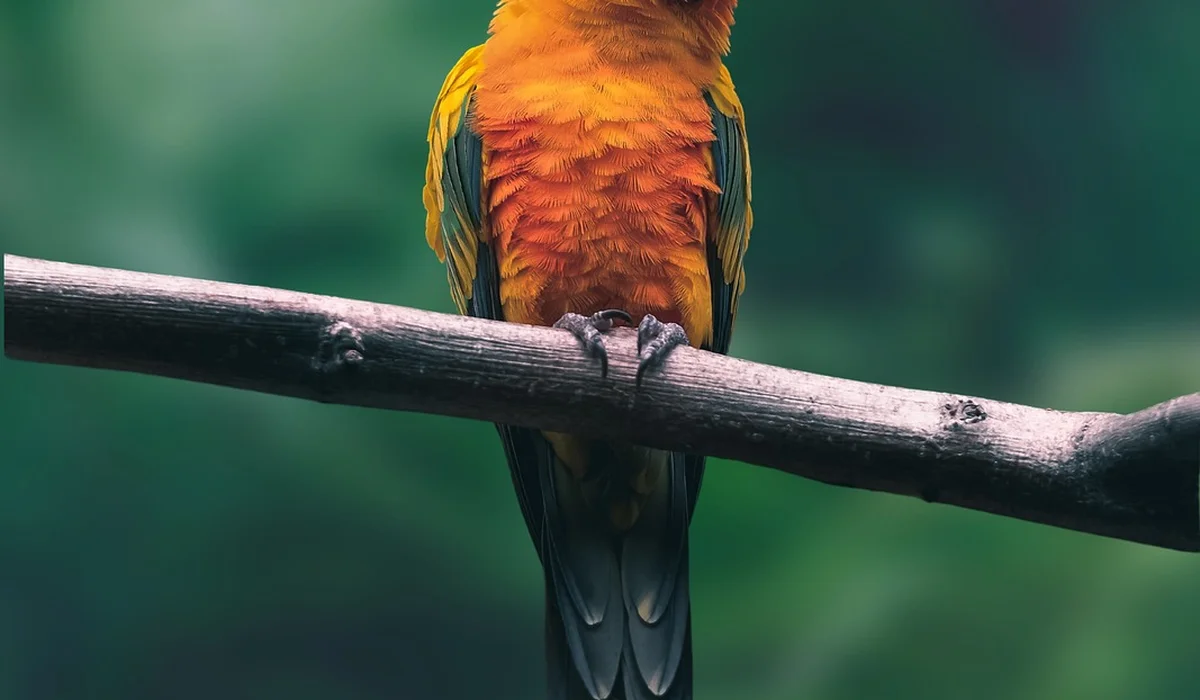
Sound isn’t just a stressor; it’s a powerful tool for creating a happy, engaging environment.
I’ve found that the right background sounds can transform a parrot’s mood from anxious to content in minutes.
Birdsafe Sounds and Music
Not all music is created equal for a parrot’s sensitive ears.
- Classical or Ambient Music: The complex structures of classical music or soft, repetitive ambient sounds are often very calming.
- Nature Recordings: Gentle rainforest sounds, light rain, or soft streams can mimic their natural environment.
- Avoid Loud, Repetitive Beats or Sudden Crescendos: These can be jarring and increase anxiety instead of reducing it.
Background Noise for Enrichment
Think of sound as part of your parrot’s mental stimulation toolkit.
- Play calming music during the day when you’re away to prevent loneliness and mask startling outside noises.
- Create a “sound scavenger hunt” by hiding a small, quiet speaker and playing soft nature sounds, encouraging your parrot to explore.
- Use specific playlists for different times of day-energetic, complex music for morning play and softer, simpler sounds for winding down before bed.
Personal Experience with Calming Sounds
My African Grey, Sage, is incredibly perceptive to sound. A few years ago, construction started next door, and the sudden jackhammering sent her into a panic. I started playing recordings of gentle, rhythmic drumming and soft flute music at a low volume. At first, she was wary, but within a week, she began to relax, fluff up, and even make soft, contented sounds when this playlist came on. It didn’t erase the construction noise, but it gave her a positive, predictable sound to focus on, which made all the difference.
When to Seek Help for Noise-Related Stress
-
Spotting severe stress signs in your parrot means watching for changes that scream “help needed.” Feather plucking is a major red flag, as I saw with Kiwi when nearby roadwork sent him into a frenzy of self-harm. That experience taught me the importance of addressing the behavior early and carefully. To stop my parrot from plucking his feathers, I focused on lowering stress, enriching his environment, and consulting a vet to rule out medical causes. Other warnings include loss of appetite, like Sunny refusing his favorite treats, or sudden aggression toward you or other pets. Lethargy, odd droppings, or constant hiding can signal deeper health troubles. If these pop up, don’t wait—your vet can rule out issues like infections or nutritional gaps.
-
Monitoring behavior shifts helps you catch problems early. Keep a simple log of daily habits, noting when noise levels spike and how your parrot reacts, just as I do for Sage to track his calm moments versus stress triggers. Watch for patterns over a few days; if unusual actions like screaming or fearfulness stick around, it’s time to call an avian professional. Trust your gut-you know your bird best, and quick action can prevent long-term harm.
-
Advocating for animal welfare means putting your parrot’s comfort first through proactive care. Regular check-ups and a quiet, safe space aren’t just nice-to-haves—they’re essentials for a happy, healthy life. I’ve learned that reducing household noise isn’t just about peace; it’s a commitment to respecting these intelligent creatures. During vet visits, how you handle your parrot can significantly reduce stress. Gentle, practiced handling and a familiar carrier help the appointment go more smoothly. By staying alert and responsive, you’re giving your parrot the respect and care they truly deserve.
FAQs
Can I use ear protection like headphones on my parrot to block out noise?
It is not safe to use headphones or earplugs on parrots, as they can cause physical harm or increase stress. Instead, rely on environmental adjustments such as soundproofing the cage area or using background white noise.
How long does it typically take for a parrot to habituate to a new or scary sound?
Habituation can vary from a few weeks to several months, depending on the individual parrot and the consistency of training. Always proceed gradually and watch for signs of stress to avoid setbacks. For a parrot species comparative guide, you can compare species-specific training timelines and adapt your approach accordingly.
What should I do if my parrot becomes stressed by uncontrollable outdoor noises, like traffic or storms?
Relocate your parrot to a quiet, interior room and play steady, gentle sounds to mask the disturbance. Offer comforting interactions and favorite toys to help them feel secure until the noise passes. This approach aligns with a practical, apartment-friendly guide for navigating noise complaints from neighbors. By following these steps, parrot owners can reduce disturbance and demonstrate proactive, considerate behavior in shared living spaces.
Final Thoughts
Managing household noise starts with identifying triggers like vacuums or loud music and creating quiet zones where your parrot can retreat. From my time with Kiwi, my playful Green-cheeked Conure, I’ve seen how consistent, low-volume backgrounds like soft music can turn a stressful day into a calm one for her. Use sound masking techniques and observe your bird’s reactions to build a peaceful environment that supports their well-being. You should also understand the meanings behind your parrot’s vocalizations, as it can help you better respond to their needs.
Responsible parrot ownership means committing to their emotional health by reducing noise pollution and advocating for animal welfare in your home. Keep exploring new ways to learn about pet parrot care, as every bird, like my curious Sunny, has unique needs that evolve over time. Your dedication ensures a trusting bond and a happier life together.
Further Reading & Sources
- Stressed Parrot – Causes & Solutions
- Looking After Parrots During A Stressful Time
- Signs Your Parrot Is Stressed | Blog | Long Island Bird and Exotics Pet Vet
Suzanne Levine is a dedicated parrot enthusiast and experienced avian caregiver with over 15 years of hands-on experience in parrot care. As the founder of Parrot Care Central, Suzanne is passionate about sharing her knowledge and insights to help fellow parrot owners provide the best possible care for their feathered friends. Her expertise spans nutrition, behavior, health, and enrichment, making her a trusted resource in the parrot care community.
Housing