
Parrot Size Guide: How Big Do Different Species Get?
Published on: March 29, 2026 | Last Updated: March 29, 2026
Written By: Suzanne Levine
Are you worried that the parrot you adore today might grow too large for your home tomorrow? I remember bringing home Kiwi, my Green-cheeked Conure, and wondering if her playful antics would need a bigger space as she aged.
Based on my years caring for parrots like Sunny and Sage, I will guide you through the essentials to ease your mind.
- Realistic size ranges for popular parrot species to set clear expectations.
- How genetics and care impact a parrot’s final size and well-being.
- Practical steps to choose a parrot that fits your life and supports animal welfare.
You will leave with straightforward advice to make an informed decision. We explore key areas like species profiles, growth factors, space needs, diet roles, and long-term care in a simple, actionable way.
Breaking Down Parrot Size Categories
What Defines Small, Medium, and Large Parrots
We typically group parrots by weight and length. Small parrots usually weigh under 100 grams and measure less than 12 inches from beak to tail tip. Think of a Budgie or a Lovebird. My Green-cheeked Conure, Kiwi, fits perfectly here. When considering the right parrot for you, it’s essential to compare large parrots vs. small parrots in terms of lifestyle and commitment.
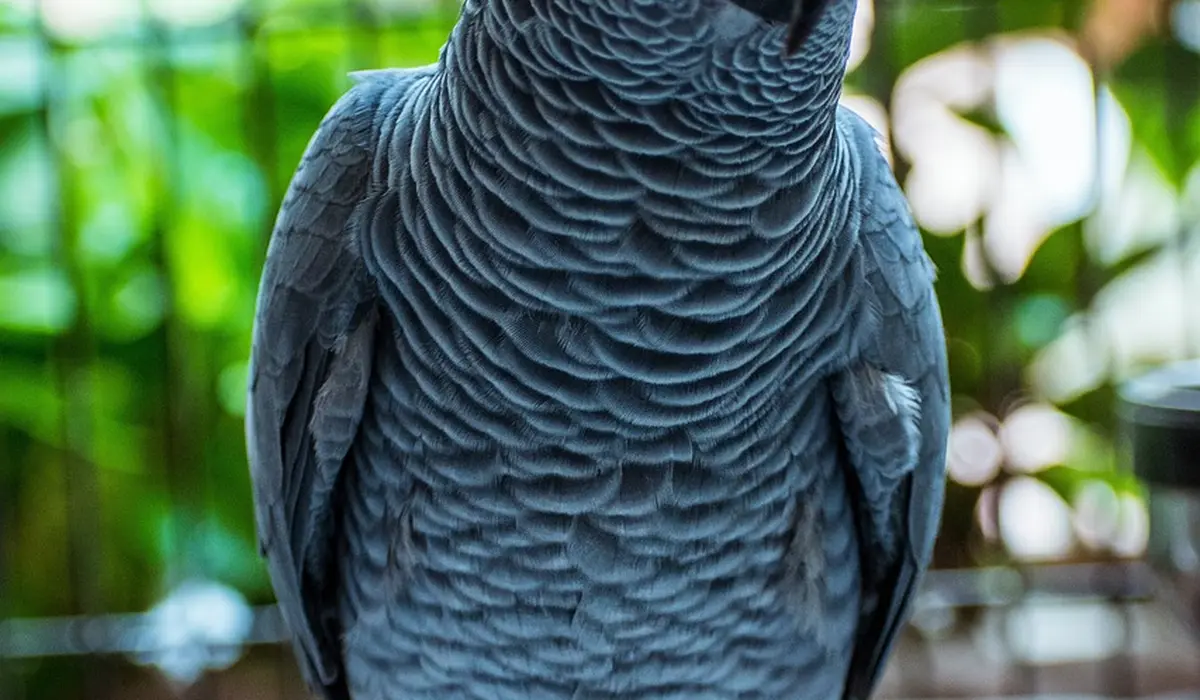
Medium parrots are a significant step up. These birds range from about 12 to 18 inches long and can weigh anywhere from 100 grams to over a pound. This category includes popular species like Sun Conures and African Greys. African Greys, in particular, have care needs closely tied to their size and weight. A dedicated African Grey size, weight, and care guide can help owners provide proper housing, nutrition, and enrichment.
Large parrots are the giants of the parrot world. You’re looking at birds often exceeding 18 inches in length and weighing several pounds. A Macaw’s impressive wingspan or a Cockatoo’s commanding presence defines this group.
Why Size Matters in Parrot Care
Size directly impacts the space your bird needs. A larger parrot requires a much bigger cage and a dedicated area for safe, supervised flight. My Sun Conure, Sunny, needs less room to stretch his wings than a Hyacinth Macaw would demand.
Their diet scales with their body. Bigger birds have faster metabolisms and need more fresh fruits, vegetables, and high-quality pellets to stay healthy. You’ll notice a real difference in your weekly grocery bill.
Strength is a major factor. A large parrot’s beak can crack a Brazil nut with ease, which means they can also dismantle furniture or cause a serious bite. Their vocalizations are also exponentially louder.
Small Parrots: Tiny Feathered Friends
Popular Small Species and Their Sizes
Let’s look at some common small parrots you might meet.
- Budgerigar (Budgie): These little guys are lightweight, typically 25-40 grams, and only about 7 inches long. They are perfect for smaller living spaces.
- Lovebird: A bit sturdier, Lovebirds weigh in around 40-60 grams and reach up to 6-7 inches in length. They pack a lot of personality into a compact body.
- Parrotlet: Often called “pocket parrots,” Parrotlets are tiny but feisty. They weigh roughly 25-35 grams and are only about 5 inches long.
- Green-cheeked Conure: My Kiwi is a prime example. They are chunkier small parrots, weighing 60-80 grams and measuring 10-12 inches. Their size feels very manageable.
Care Tips for Compact Companions
Even small birds need room to move. Provide the largest cage you can, with a minimum bar spacing of 1/2 inch to prevent escapes or injury. My rule is always to buy a cage one size larger than you think you need.
Their small bodies lose heat quickly. Keep your small parrot’s environment draft-free and maintain a consistent, warm temperature, especially at night. I’m always mindful of this with Kiwi and Sunny.
Don’t underestimate their intelligence. Small parrots are brilliant and need just as much mental stimulation as larger species through foraging toys, puzzles, and daily training sessions. A bored small parrot can become a noisy, feather-plucking parrot. If you’re asking why my parrot is bored, I can help. You can re-engage them with simple enrichment and daily training.
Be their gentle giant. Their bones are incredibly delicate, so always handle your small bird with care and teach children to be calm and respectful around them. Their small size makes them more vulnerable to accidents.
Medium Parrots: The Balanced Buddies
Common Medium-Sized Parrots
You’ll find some of the most popular pet parrots in this category. Their size strikes a perfect balance-big enough for cuddles but small enough for many homes.
- Conures: My Green-cheeked, Kiwi, is a prime example, typically reaching 10 inches long. They pack huge personality into a compact body.
- Caiques: These clowns of the parrot world are stout and energetic, usually growing to about 9-10 inches.
- Pionus Parrots: A bit stockier and often quieter, these birds are generally 10-11 inches in length.
- Smaller Amazons & African Greys: Some species, like my Sage (a Timneh African Grey), fit here, maxing out around 12-13 inches.
Living with Mid-Sized Birds
Caring for a medium parrot is a serious commitment that fits well into many lifestyles. Their manageable size often masks their need for substantial mental and physical engagement. When choosing a parrot, consider whether this bird’s temperament and care needs align with your home lifestyle and daily routine. Choosing the right pet parrot for your home lifestyle means honestly assessing your time, space, and activity level to match the bird’s needs.
You need a cage with a minimum footprint of 24×24 inches, but bigger is always better. I found Kiwi was much happier once I upgraded her cage. They require a varied diet of high-quality pellets, fresh vegetables, and some fruit. Neglecting their diet is a fast track to health problems, something I learned the hard way with an early vitamin deficiency scare.
Prepare for a noise level that’s more than a chirp but less than a full-blown scream. Sunny, my Sun Conure, has a piercing contact call he uses when I leave the room. Training and socialization from a young age are non-negotiable to prevent behavioral issues like biting or feather plucking. These birds are incredibly smart and need daily out-of-cage time and puzzles to stay happy.
Large Parrots: Majestic Giants
Meet the Big Birds: Macaws, Cockatoos, and More
Stepping into the world of large parrots is like welcoming a toddler with bolt cutters for a face. Their intelligence and emotional depth are as immense as their physical presence.
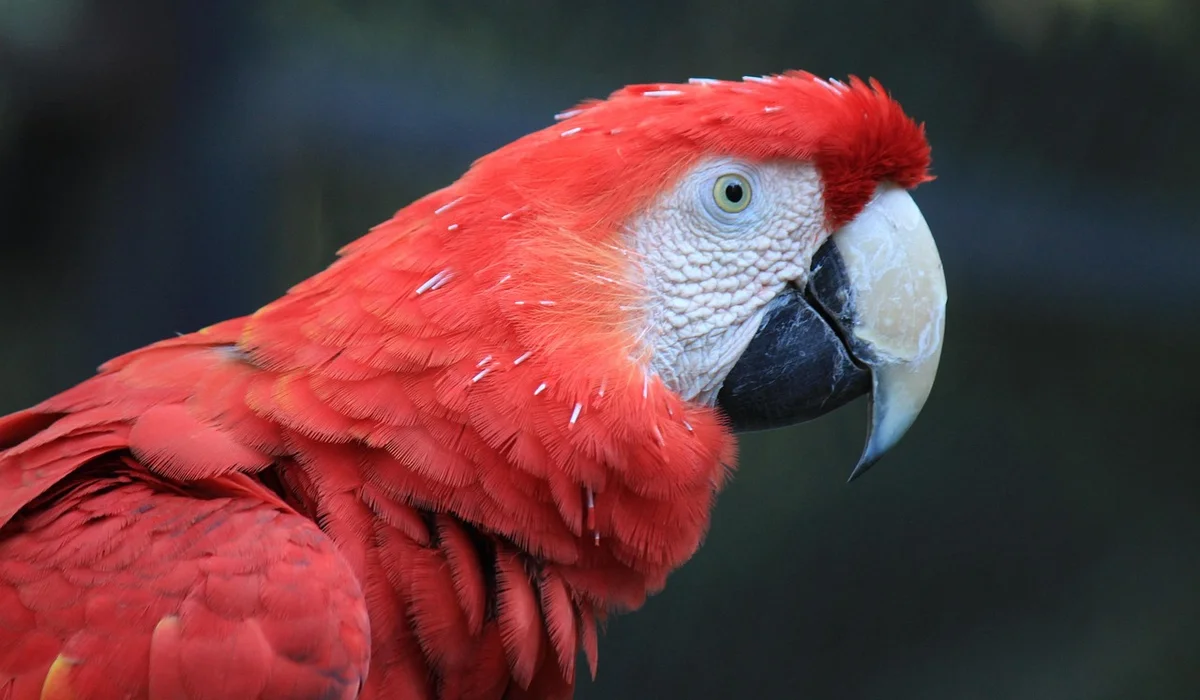
- Macaws: The Hyacinth Macaw is the gentle giant of the parrot world, stretching an incredible 40 inches from beak to tail.
- Cockatoos: Umbrella and Moluccan Cockatoos are famous for their stunning crests and can reach 18-20 inches in length.
- Large Amazons: Species like the Yellow-headed or Double Yellow-headed Amazon are robust birds, often 14-17 inches long.
- Eclectus Parrots: Known for their stunning sexual dimorphism, these birds are a substantial 14-17 inches.
Caring for Your Feathered Giant
Owning a large parrot is a decades-long commitment that reshapes your entire life. Their powerful beaks can dismantle furniture in minutes, so providing dedicated, destructible toys is a financial and practical necessity.
Their cage is more of an avian apartment, requiring a minimum size of 36×48 inches for the smaller large species. You must bird-proof your home just as you would for a curious child. The vocalizations are not just loud; they are structurally resonant and can be heard throughout the neighborhood. For apartment dwellers, navigating noise complaints is a practical part of parrot ownership. This guide helps owners balance enrichment with neighbor harmony.
Their dietary needs are substantial, and their mess is equally impressive. The biggest challenge is often their emotional neediness. Many large parrots, especially cockatoos, are prone to severe psychological distress and self-mutilation if they feel neglected. They are not just pets; they are lifetime companions that demand your time, patience, and understanding every single day.
From Egg to Adult: The Growth Journey
Parrot Egg Sizes and Hatchling Stages
Parrot eggs are surprisingly small when you consider the magnificent birds that emerge from them. A macaw egg is about the size of a small chicken egg, while a budgie’s egg is closer to a jellybean. I’ve candled my conure’s eggs before, and it’s incredible to watch the tiny embryo develop inside that delicate shell.
When they first hatch, parrot chicks are utterly helpless. They’re blind, naked, and completely dependent on their parents for warmth and food.
- Hatchling (Days 1-10): Eyes are closed. They have only sparse down feathers and spend all their time eating and sleeping.
- Nestling (Weeks 2-5): Their eyes open! Pin feathers begin to erupt, looking like little blue tubes across their skin.
- Fledgling (Weeks 5-12): This is the fun part. Feathers unfurl, and they start exploring outside the nest box, practicing for their first flight.
When Do Parrots Reach Full Size?
Most parrots reach their full physical height and length surprisingly fast. My Green-cheeked Conure, Kiwi, looked like a miniature adult by the time she was four months old. The body is done growing, but the bird is far from mature.
The real growth happens in weight and muscle development as they learn to fly and become more active. A parrot’s skeletal growth is typically complete within their first year.
Reaching full size and reaching sexual maturity are two very different milestones for parrots. A smaller species like a lovebird might be physically and sexually mature around one year old. A larger macaw, however, might not reach emotional and sexual maturity for five to seven years, even though they hit their full size much earlier.
Species Spotlight: Amazon and Eclectus Parrots
Amazon Parrot Sizes Unveiled
Amazon parrots are the sturdy, medium-to-large comedians of the parrot world. They are robust birds with a powerful presence. Their solid build means a 15-inch Amazon can feel much heavier and more substantial than a lanky 15-inch cockatoo.
They generally fall into a predictable size range, making them a popular choice for experienced owners.
- Double Yellow-headed Amazon: A real showstopper. They typically reach 15 to 17 inches in length and are known for their incredible, sometimes loud, talking ability.
- Yellow-naped Amazon: Slightly smaller, often 14 to 15 inches. They are brilliant mimics and can be wonderfully affectionate with their chosen person.
- Blue-fronted Amazon: One of the most common pet Amazons. They hit about 15 inches and are famous for their playful, outgoing personalities.
Eclectus Parrots: Size and Surprises
The Eclectus parrot breaks all the rules, starting with their dramatic appearance. The males are a brilliant, almost neon green, while the females are a stunning red and purple-a level of sexual dimorphism you just don’t see in other parrots.
In terms of size, they are deceptively large. Their sleek, slender bodies can measure 17 to 20 inches long, but they are not as heavy-bodied as an Amazon of similar length.
Their most surprising feature isn’t their size or color, but their unique digestive system. They have an exceptionally long digestive tract and require a diet very high in fruits, vegetables, and fiber. I always advise prospective Eclectus owners to research their specialized nutritional needs thoroughly, as a seed-based diet can be disastrous for their health. If you’re wondering ‘do Eclectus parrots eat a complete diet?’, a complete diet guide explains the balanced approach. It outlines safe foods, portions, and how to avoid seed-heavy regimens.
Setting Up the Perfect Home by Size
Once you know your parrot’s size, crafting their living space becomes a fun project. Getting the dimensions right prevents boredom and health issues, something I learned quickly with my playful Green-cheeked Conure Kiwi. A well-sized home lets your bird stretch, play, and feel secure every day.
Cage and Aviary Dimensions Made Simple
Think of the cage as your parrot’s personal playground. Bigger cages reduce stress and encourage natural behaviors like climbing and flying short hops. With my Sun Conure Sunny, I started with a small cage but upgraded when I saw how much she loved extra room. For Quaker parrots, people often ask about the ideal cage size and setup requirements. A roomy cage that lets them stretch their wings and move between multiple perches, with proper bar spacing and enrichment, works best.
Use this simple guide based on parrot size categories:
- Small parrots (e.g., budgies, lovebirds): Minimum 18x18x18 inches, but aim for 24x24x24 inches for comfort.
- Medium parrots (e.g., conures, cockatiels): Go for 24x24x36 inches or larger to allow wing stretching.
- Large parrots (e.g., African Greys, Amazons): Start at 36x24x48 inches; my African Grey Sage has a cage this size and uses every inch.
For outdoor aviaries, double those dimensions if possible. Spacious aviaries mimic wild habitats and support flock dynamics, which I’ve observed in rescue settings. Always prioritize bar spacing too-too wide, and small birds can escape or get stuck.
Toys and Perches Sized Right
Toys and perches must fit your parrot’s body to keep them engaged and safe. Ill-fitting items can lead to foot sores or choking hazards, a risk I avoid with all my birds. Variety in textures and sizes makes their environment stimulating and fun.
Choose perches with different diameters to promote foot health:
- Small parrots: Use 0.5- to 1-inch perches; Kiwi loves alternating between thin and thick ones.
- Medium parrots: Opt for 1- to 1.5-inch perches to support their grip and comfort.
- Large parrots: Select 1.5- to 2-inch perches; Sage’s favorites are natural wood branches this size.
Toys should match beak strength and size-destructible for chewers but not too small. Sunny enjoys toys she can dismantle easily, sized for her medium beak to prevent frustration. Rotate toys weekly to maintain interest and mental sharpness.
FAQs
How can I download a parrot size guide in PDF format?
Many reputable avian websites and pet care organizations offer free downloadable PDF guides for parrot sizes. You can typically find these resources by searching on their official sites or dedicated pet care platforms. If you’re researching an Indian ringneck parrot, you can find cost, size, and care guides in these PDFs. They also help you compare costs and care needs before bringing one home.
What should I look for in a comprehensive parrot size guide?
A thorough guide should include detailed charts listing various species with their average lengths and weights. It may also cover how size influences factors like cage requirements and lifespan expectations.
Are there online tools to compare parrot sizes interactively?
Yes, some websites provide interactive comparison tools that visualize size differences between species. These can help you better understand the space and resources needed for different parrots.
How often should I refer to a size guide during my parrot’s life?
Consult the guide when selecting a parrot initially and during its growth phases to ensure proper care. When evaluating housing, review parrot housing cage requirements—size, perches, and bar spacing—to match the species. After maturity, occasional reviews can help confirm that your setup remains suitable for their size.
Can a parrot size guide help with choosing appropriate accessories?
Yes, it can recommend suitable toy and perch sizes based on your parrot’s species to ensure safety and comfort. This guidance helps prevent issues like injuries or boredom from ill-fitting items.
Final Words
Throughout this guide, we’ve highlighted how parrot sizes range from compact companions like my Green-cheeked Conure, Kiwi, to larger species needing expansive setups. Selecting a bird that aligns with your living space and daily routine prevents stress and fosters a joyful bond. I’ve seen firsthand how mismatched sizes lead to cramped conditions, so always prioritize fit over impulse.
Embracing parrot ownership means committing to their lifelong well-being and staying informed as care practices evolve. Regularly updating your knowledge on diet, enrichment, and health ensures your feathered friend thrives through every stage of life. My African Grey, Sage, has taught me that even the calmest birds benefit from fresh insights and attentive guardianship.
Further Reading & Sources
- How Big Do Parrots Get? Average Size & Growth Chart (Vet-Verified) | Hepper Pet Resources
- Bird Size Chart | Golden Cockatoo
- Medium-sized Parrots | The Different Types of Parrot | Parrots | Guide
Suzanne Levine is a dedicated parrot enthusiast and experienced avian caregiver with over 15 years of hands-on experience in parrot care. As the founder of Parrot Care Central, Suzanne is passionate about sharing her knowledge and insights to help fellow parrot owners provide the best possible care for their feathered friends. Her expertise spans nutrition, behavior, health, and enrichment, making her a trusted resource in the parrot care community.
Finding a Parrot