
Why Your Parrot Needs an Annual Vet Check-up: A Preventative Care Guide
Published on: February 18, 2026 | Last Updated: February 18, 2026
Written By: Suzanne Levine
Are you concerned that your parrot might be hiding health problems you can’t see until they become serious? As a parrot owner myself, with Kiwi, Sunny, and Sage sharing my home, I’ve faced those same worries and learned how vital regular vet visits are for their long-term happiness.
I will guide you through the essentials to ease your mind. Annual check-ups help catch issues early, provide insights into behavior changes, and support overall preventive care. Here are the key takeaways you will gain:
- Early detection of diseases before symptoms appear
- Behavioral assessments that reveal hidden stress or discomfort
- Customized preventive strategies to boost your parrot’s health
You will receive straightforward, actionable advice based on real experiences. Topics covered include what happens during a check-up, common parrot health issues, and cost-effective care tips.
The Lifesaving Perks of Yearly Vet Visits
Spotting Health Issues Before They Escalate
Parrots are masters at hiding sickness—it’s a survival instinct from the wild. Early detection through annual check-ups can stop minor problems from turning into emergencies. I’ve seen this firsthand with my Green-cheeked Conure, Kiwi; a slight change in her droppings caught during a routine visit revealed a bacterial issue we fixed fast. If you notice your parrot losing appetite, that’s a common red flag for concerned owners. A quick diagnostic checklist—note appetite, droppings, energy, and behavior—can help you discuss it with your avian vet.
Common signs vets look for include changes in vocalization, feather condition, and energy levels. Birds often show no symptoms until they’re seriously ill, so regular vet trips are your best defense. My Sun Conure, Sunny, once had a subtle weight drop that signaled nutritional gaps we corrected before any harm.
- Watch for lethargy or reduced playfulness
- Monitor eating and drinking habits closely
- Check for abnormal breathing or discharge
Keeping Tabs on Weight and Nutrition
Weight fluctuations in parrots can indicate everything from parasites to organ trouble. Annual visits help track these changes and adjust diets for optimal health. Maintaining weight within healthy ranges is key for obesity prevention in parrots. Regular weight checks help tailor portions and activity to keep Sage within her ideal range. With Sage, my African Grey, we use vet weigh-ins to fine-tune her seed and veggie mix, keeping her sharp and active.
Vets assess body condition and recommend balanced meals. Proper nutrition prevents obesity and deficiencies that shorten lifespans. I learned this when Kiwi’s playful antics slowed-turns out she needed more variety in her greens.
- Weigh your bird weekly at home between visits
- Offer a mix of pellets, fruits, and vegetables
- Avoid high-fat treats that lead to weight gain
Inside Your Parrot’s Annual Wellness Exam
Physical Inspection: Beak, Feathers, and More
Vets start with a hands-on check from head to tail. They examine the beak for overgrowth or damage that affects eating. I remember Sunny’s beak needed a minor trim once, which made mealtime easier and pain-free for her.
Feathers get a close look for mites, barbering, or stress lines. Healthy plumage means a happy bird, free from skin irritations or infections. Sage’s grey feathers always get a thumbs-up when they’re smooth and full.
- Inspect eyes and nostrils for clarity and discharge
- Feel the chest muscles for strength and symmetry
- Check feet and nails for sores or overgrowth
Health Screenings and Tests
Routine tests like blood work and fecal exams uncover hidden ailments. These screenings detect parasites, infections, or metabolic diseases early on. For Kiwi, a simple blood test once revealed a vitamin deficiency we fixed with supplements.
Vets might recommend X-rays or cultures based on breed and age. Advanced diagnostics give a full picture of your parrot’s internal health. My vet uses these to ensure Sunny’s social nature isn’t masking any underlying issues.
- Blood panels check organ function and cell counts
- Fecal tests identify worms or bacterial imbalances
- Imaging scans assess bone density and air sacs
How Often Should Your Parrot See the Vet?
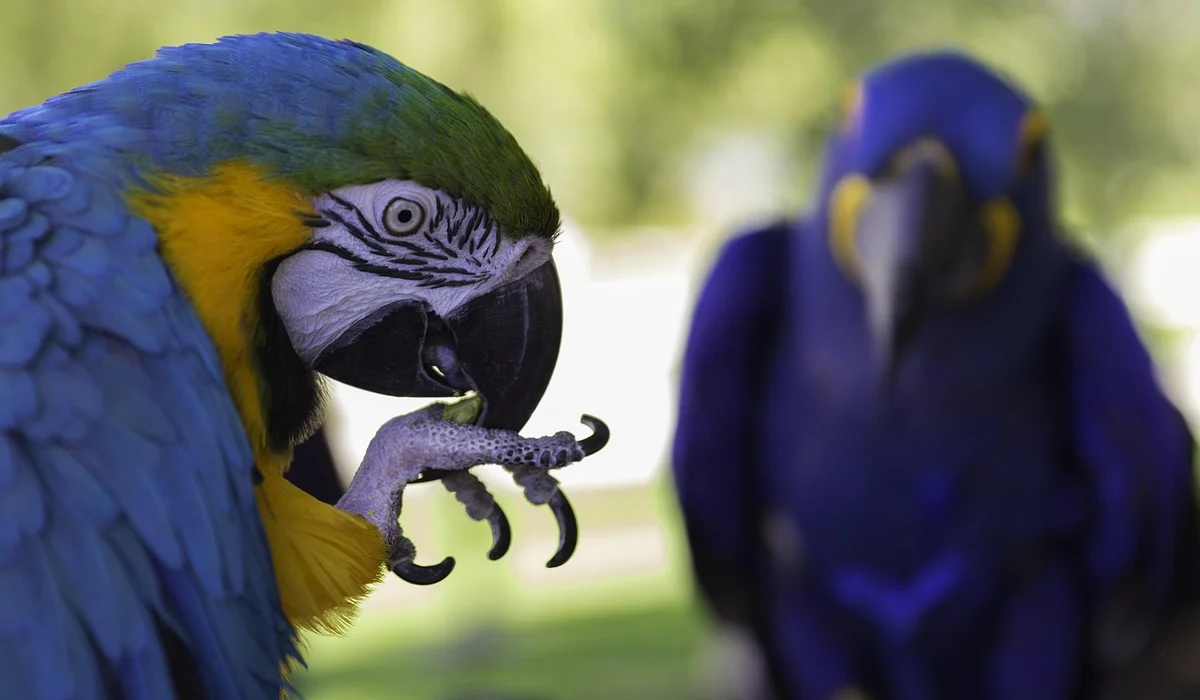
Most healthy adult parrots need a check-up once a year. This annual visit is your frontline defense, catching small issues before they become big, expensive problems. It’s especially crucial for monitoring common health issues that affect a parrot’s lifespan. I stick to this schedule with my African Grey, Sage, and it gives me incredible peace of mind.
But some parrots need a different schedule. Here’s a quick guide:
- Baby Parrots: They need several visits in their first year for wellness checks and initial blood work.
- Senior Parrots (7+ years, depending on species): I now take my 8-year-old Sage twice a year. Their bodies change faster, and more frequent monitoring is key.
- Parrots with Chronic Conditions: Birds with ongoing health issues require a schedule tailored by your vet.
- New Parrots: Always schedule a vet visit within the first two weeks of bringing a new bird home. I did this with Kiwi, my Green-cheek, and it set her up for a healthy start.
Red Flags: When to Seek Immediate Vet Care
Parrots are masters at hiding illness, a survival instinct from the wild. You must become a detective, noticing the subtle clues that scream for a vet’s attention. Waiting even a day can be the difference between a simple treatment and a tragedy.
Behavioral and Physical Warning Signs
Any sudden change in your parrot’s normal routine is a signal. I’ve learned to trust my gut-if something feels “off,” it usually is.
- Staying Fluffed Up: A parrot sitting puffed up for long periods, especially if they’re at the bottom of the cage, is a major red flag.
- Changes in Droppings: Look for dramatic color changes, a watery consistency, or a complete lack of droppings.
- Loss of Appetite or Difficulty Eating: If your bird stops eating or drops its food, it’s an urgent situation.
- Labored Breathing or Tail Bobbing: Watch for any open-mouth breathing or a pronounced up-and-down motion of the tail with each breath.
- Lethargy and Weakness: A sudden lack of energy or inability to perch is a critical sign. My sunny Sun Conure, Sunny, is never still; if she were, I’d be on the phone with the vet instantly.
- Visible Injuries or Bleeding: Any wound, broken blood feather, or bleeding needs immediate professional care.
- Swellings or Lumps: New bumps or swellings on the body should never be ignored.
When in doubt, always call your avian vet. It’s better to have a false alarm than to regret waiting. Your parrot’s life depends on your watchful eye.
Prepping for a Stress-Free Vet Visit
Before You Go: Owner Readiness
Getting yourself organized first makes the whole trip smoother for your feathered friend. I always pack my parrot’s travel carrier a day ahead with a familiar perch and a favorite chew toy to ease their anxiety. Bring along any current food they love—my Green-cheeked Conure, Kiwi, feels braver with a millet spray in his cage. These are essential steps for traveling with a parrot. Being prepared from the start helps ensure a calm, safe trip for Kiwi and any feathered traveler.
Write down any questions or odd behaviors you’ve noticed since the last visit. Keeping a small journal helps me remember details like changes in appetite or unusual feather preening. Don’t forget recent photos or short videos if your parrot shows symptoms only at home.
- Schedule appointments during your bird’s calmest time of day
- Fast for 1-2 hours if your vet requests blood work
- Practice carrier positive association with treats at home
During the Exam: Keeping Your Parrot Calm
Stay relaxed yourself-parrots sense nervous energy instantly. I speak softly to my Sun Conure, Sunny, throughout the examination while letting her see my face for reassurance. Covering three sides of the carrier with a light cloth can create a cozy den effect.
Ask your vet to explain each step before they begin handling your bird. Request towel restraint demonstrations so you can learn proper techniques for future nail trims at home. This prepares you to trim your parrot’s nails safely at home. Stay patient and keep sessions short and positive. Offer high-value treats immediately after stressful procedures like blood draws.
- Keep your voice calm and cheerful during handling
- Bring a familiar perch from home for the scale
- Use target training to encourage cooperation
Vaccines and Tests: What to Discuss With Your Avian Vet
Common Vaccines and Their Importance
While parrots require fewer vaccines than mammals, some protections are lifesaving. Polyomavirus vaccination is crucial for young birds and breeding collections, as I learned when a local outbreak affected unprotected aviaries. Discuss your bird’s lifestyle exposure risks-indoor-only pets have different needs than those in outdoor flights.
Many vets recommend against over-vaccinating due to parrot sensitivity. My African Grey, Sage, receives only core vaccines after we weighed her limited exposure against potential reaction risks. Always request vaccine brand information and possible side effects to monitor.
- Polyomavirus for young birds under 6 months
- Psittacosis protection for multi-bird households
- Regional disease risks like West Nile virus
Routine Diagnostic Procedures
Annual blood work establishes crucial baseline health markers. Comprehensive blood panels detected early liver stress in my conure years before symptoms appeared, allowing dietary changes that added years to his life. Fecal exams screen for parasites that can weaken immune systems over time.
Don’t skip those seemingly unnecessary tests-they’re your early warning system. Gram stains monitor bacterial balance in your parrot’s system, something I now request yearly after discovering subclinical infections in two apparently healthy birds. Imaging like radiographs reveal hidden issues like egg binding or metal poisoning.
- Complete blood count (CBC) and chemistry panel
- Fecal parasite examination and culture
- Chlamydia psittaci testing
- Heavy metal screening for zinc/lead
Frequent Health Issues Uncovered in Checkups
Annual vet visits often reveal hidden problems that could worsen without early detection. Many parrot owners are surprised to learn how minor symptoms can signal serious health threats. I’ve seen this firsthand with my own flock—catching issues early has saved us from costly emergencies. This kind of experience underscores why a complete guide to the most common parrot health concerns is so valuable. It helps owners recognize patterns and seek timely care.
Respiratory and Dietary Concerns
Respiratory troubles are sneaky in parrots because they hide illness well. Watch for subtle signs like wheezing, nasal discharge, or tail bobbing when your bird breathes. Keeping a quick respiratory distress checklist handy helps you spot breathing problems early. Early detection can save your parrot from serious issues. My Sun Conure, Sunny, once had a mild cough that turned out to be a fungal infection—caught just in time during a routine checkup.
- Common respiratory issues: Aspergillosis, air sac mites, and bacterial infections
- Dietary red flags: Weight loss, dull feathers, or changes in droppings
- Preventative steps: Avoid drafts, use air purifiers, and offer fresh veggies daily
Dietary mistakes are a top culprit for vet visits. Poor nutrition leads to weak immune systems and organ damage over time. Sage, my African Grey, struggled with calcium deficiency until we adjusted her diet with vet guidance.
- Offer a balanced mix of pellets, fruits, and vegetables
- Limit high-fat seeds to prevent obesity
- Provide clean water and avoid toxic foods like avocado or chocolate
Building a Proactive Care Plan for Long-Term Health
A solid care plan keeps your parrot thriving for years. Start by scheduling vet visits every 6-12 months, not just when problems arise. I stick to this with Kiwi, and it’s made a huge difference in her energy and mood.
- Daily routines: Social interaction, flight time, and puzzle toys for mental exercise
- Environmental checks: Clean cages, safe perches, and proper humidity levels
- Diet tracking: Log food intake and watch for picky eating habits
Tailor your plan to your parrot’s species and personality. Active birds like conures need more play, while intelligent types like greys crave learning challenges. Sunny loves training sessions that double as health monitoring.
- Consult your vet for personalized vaccination and testing schedules
- Keep a health journal to note behavior changes or appetite shifts
- Invest in annual blood work to catch hidden issues early
Proactive care reduces stress for both you and your bird. Regular weigh-ins and feather checks help you spot trends before they become emergencies. With Sage, I’ve learned that consistency in her routine prevents most health scares.
FAQs
What is included in a routine parrot vet checkup?
A routine checkup typically involves a physical examination of the beak, feathers, and body condition. It may also include weight checks and basic diagnostic tests like blood work or fecal exams.
How often should a pet parrot have a vet checkup?
Healthy adult parrots generally need an annual visit to monitor their overall health. More frequent checkups may be recommended for young, senior, or chronically ill birds. For senior parrots, health care often involves special care tailored to aging birds. This can include closer monitoring, adjusted nutrition, and regular dental or beak checks.
What signs indicate my parrot needs veterinary care?
Watch for symptoms like lethargy, loss of appetite, or changes in droppings. Labored breathing, fluffing up for extended periods, or visible injuries also require prompt vet attention.
What should I prepare for a parrot vet checkup?
Bring your parrot in a secure carrier with familiar items like a favorite toy or perch. Have details on their diet, behavior, and any health concerns ready to discuss with the vet. Knowing how to handle your parrot during a vet visit to reduce stress is crucial.
Are there specific vaccines or tests for parrots?
Yes, vaccines for diseases like polyomavirus may be advised based on age and exposure. Routine tests often include blood panels, fecal exams, and screenings for parasites or infections.
In Closing
Make those yearly vet visits a non-negotiable part of your parrot’s routine to catch hidden health issues early and keep them thriving for years. Based on my time with Kiwi, Sunny, and Sage, I’ve learned that preventative care through regular check-ups can spot problems like nutritional deficiencies or infections before they become emergencies. Parrots aren’t just small dogs; they have unique biology and can hide signs of illness. That’s why an avian veterinarian with specialized training and gear is often essential to catch bird-specific issues early and tailor care to beak, feather, and respiratory health.
Stay curious and committed to learning more about parrot care, as responsible ownership means adapting to your bird’s evolving needs and ensuring their well-being. Your dedication to continuous education and proactive health measures builds a stronger bond and a happier, healthier life for your feathered friend.
Further Reading & Sources
- Why Parrots Need Checkups at an Avian Vet | Blog | Long Island Bird and Exotics Pet Vet
- How much does an avian vet checkup cost? | Parrot Forum 🦜 Parrot Owners Community
- Do Birds Need Annual Vet Visits?
Suzanne Levine is a dedicated parrot enthusiast and experienced avian caregiver with over 15 years of hands-on experience in parrot care. As the founder of Parrot Care Central, Suzanne is passionate about sharing her knowledge and insights to help fellow parrot owners provide the best possible care for their feathered friends. Her expertise spans nutrition, behavior, health, and enrichment, making her a trusted resource in the parrot care community.
Health & Wellness