
Understanding Parrot Flock Dynamics in a Human Household
Published on: February 21, 2026 | Last Updated: February 21, 2026
Written By: Suzanne Levine
Have you ever watched your parrot call out repeatedly or seem restless and wondered what’s going on in their mind? Many parrot owners feel puzzled when their birds display behaviors like screaming or feather-plucking, often because they don’t grasp the deep-seated need for flock connections in these intelligent creatures.
From my time caring for Kiwi, my energetic Green-cheeked Conure, I’ve learned that parrots thrive on social structures just like they would in the wild. I’m here to guide you through the essentials of parrot flock dynamics, drawing on real-life experiences to help you build a more harmonious home.
We’ll explore three core areas that make a big difference in your parrot’s well-being:
- Why parrots naturally rely on flock interactions for safety and mental stimulation
- Practical ways to mimic a flock environment using daily routines and enrichment
- How proper dynamics reduce stress and strengthen your bond with your bird
You’ll walk away with actionable tips that are easy to apply, no matter your experience level. This article covers key topics like natural behaviors, social needs, training techniques, and problem-solving, all designed to support your parrot’s happiness and welfare. We’ll also show how routine training can help address common behavioral issues. Consistent practice builds positive habits and makes training enjoyable for you and your bird.
What Are Parrot Flock Dynamics?
Defining Flock Dynamics in a Household Setting
For your pet parrot, your family becomes their flock, a complex social unit that dictates their entire world.
In the wild, parrots live in large, noisy groups for safety, foraging, and social bonding. Your home is simply a new kind of wilderness where you are the key flock members. In a home with other pets, safety comes first: gradual introductions, contained spaces, and close supervision help parrots and companions coexist. This multi-pet household guide covers best practices for introductions, enclosure setup, and enrichment so all pets stay healthy and happy.
You’ll hear terms like “dominance hierarchy” and “pecking order.” Forget harsh images of bullying. Think of it more as a fluid social agreement about who gets the best perch or the first bite of apple.
- Wild Flock: Dozens to hundreds of birds, constant movement, survival-focused.
- Your Home Flock: A small, consistent group of humans and possibly other pets, centered on companionship.
- Pecking Order: A natural ranking system that reduces conflict over resources like food, toys, and attention.
Why Understanding Flock Dynamics Matters
Grasping these social rules is not just academic. It directly shapes your parrot’s mental health and your bond with them. Being aware of socialization slip ups—especially the 8 mistakes that create a fearful parrot—helps you recognize and avoid them before they take hold. Start with steady, gradual exposure and consistent, gentle handling to build trust.
A parrot that feels secure in its flock position is a confident, happy bird. Confusion over their role can lead to stress, feather plucking, and aggression.
I learned this firsthand with my conure, Kiwi, and my sun conure, Sunny. Kiwi, the playful conure, would always defer to Sunny, allowing her to eat first, establishing a peaceful coexistence.
When I introduced Sage, my African Grey, I watched their dynamic form over weeks. Observing their subtle negotiations for status helped me support them without forcing my own ideas.
How Flock Dynamics Shape Parrot Behavior
Social Behavior and Hierarchy in Your Home
Your parrots are constantly communicating their place in your family’s social structure. They establish roles through a daily dance of body language and sound.
The bird that gets the highest perch often sees itself as a lookout or a higher-ranking member. Watch for subtle cues like who preens whom first, a sign of affection and social bonding.
- Body Language: Fluffed feathers can mean contentment; pinned eyes and a stiff posture signal agitation or a challenge.
- Vocalization Cues: Specific contact calls are used to locate flock members (you!). Loud, persistent squawking can be a demand for attention or an alarm.
- Resource Control: A parrot that guards a food dish or a favorite person is asserting its position in the hierarchy.
Influences on Daily Interactions
Flock dynamics touch everything from where your bird sleeps to how it plays. Territoriality often centers on cages or specific rooms they consider their core domain.
Mutual preening, or allopreening, is a huge sign of social trust. Play is how young parrots learn social rules and how adults reinforce bonds.
To identify the health of your flock’s dynamics, follow these steps.
- Observe meal times. Do all birds eat comfortably, or does one bully others away from the bowl?
- Monitor play sessions. Is play reciprocal and gentle, or does it escalate into chasing and nipping?
- Listen to the sounds. Are the vocalizations happy chatters and contact calls, or are they constant, distressed screams?
- Watch for shared activities. Positive signs include resting near each other or preening within sight of one another.
Negative behaviors often stem from insecurity. A bird that constantly bites may feel its place in the flock is threatened and is trying to control its environment.
Introducing New Parrots to Your Flock
Steps for a Smooth Introduction
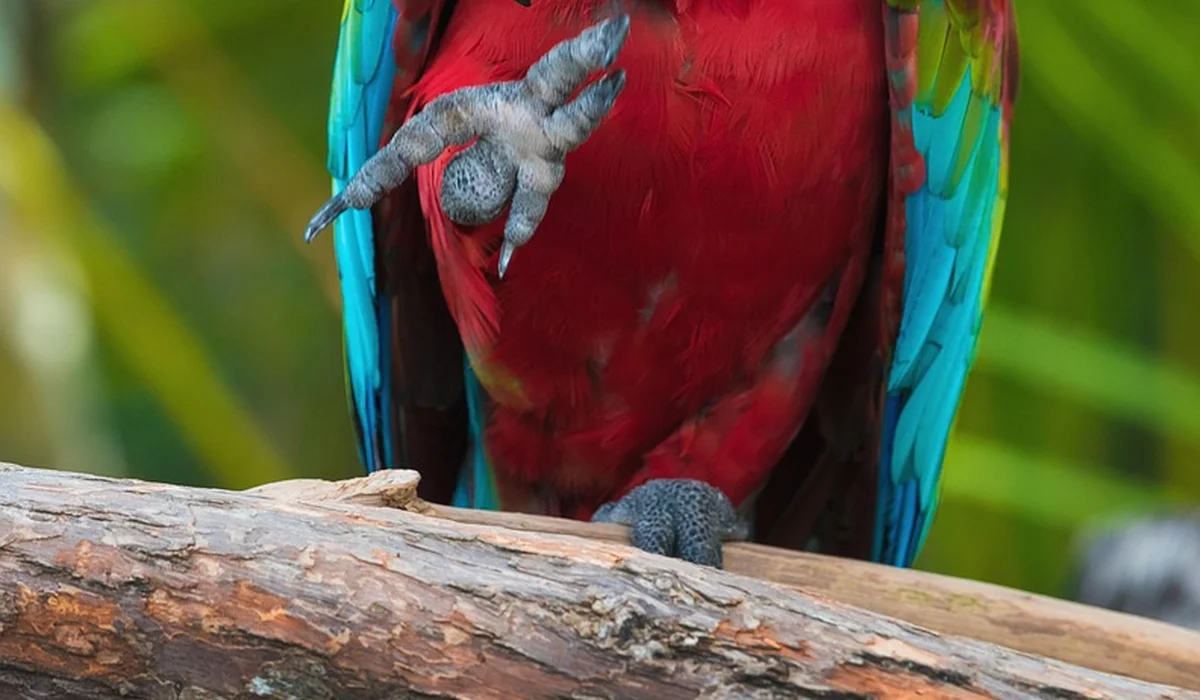
Adding a new parrot to your home flock requires patience and careful planning to keep everyone safe and happy. I always start with a gradual approach, like I did when introducing Sunny, my Sun Conure, to Kiwi, my Green-cheeked Conure, to prevent stress and build trust slowly. You can read more about how to prepare for your new parrot’s arrival in this step-by-step guide.
- Quarantine the new bird in a separate room for at least 30 days to check for health issues and avoid spreading illnesses.
- Place cages in the same room but far apart, allowing birds to see and hear each other without direct contact for a week or more.
- Swap toys or perches between cages to let them get used to each other’s scents safely.
- Supervise short, neutral-territory meetings outside cages, using treats to reward calm behavior and keep sessions under 10 minutes.
- Gradually increase interaction time if no signs of aggression appear, always prioritizing their comfort and space needs.
Space and safety are key-ensure cages are large enough for escape routes and have separate food bowls to reduce competition. From my experience, providing multiple perches and hiding spots helps new birds like Sage, my African Grey, feel secure during initial encounters.
Common Challenges and Solutions
Aggression or rejection can pop up, but with quick action, you can turn conflicts into positive moments. If one bird nips or chases another, separate them immediately and use distraction techniques, like offering a favorite toy or treat, to redirect their focus.
- For persistent rejection, try reintroducing them in a new, neutral area to reset territorial instincts-this worked wonders when Kiwi initially ignored Sunny.
- Monitor body language: Fluffed feathers or loud squawks signal stress, so give them breaks and avoid forcing interactions.
- Use positive reinforcement by rewarding peaceful behavior with small treats or praise, reinforcing that calmness leads to good things.
Conflict resolution often involves patience and consistency; I’ve found that repeating short, positive sessions daily helps birds build tolerance over time. Always advocate for their welfare by stepping in before fights escalate, ensuring no one gets hurt emotionally or physically.
Fostering Bonding and Positive Relationships
Encouraging Social Learning and Play
Bonding thrives through shared activities that mimic natural flock behaviors, making playtime a powerful tool for connection. I love setting up foraging puzzles with hidden nuts or fruits, which encourages teamwork as Kiwi and Sunny often “help” each other find treats, boosting their social skills.
- Foraging games: Hide food in paper rolls or puzzle toys to stimulate their minds and promote cooperative exploration.
- Mimicry sessions: Encourage birds to copy sounds or actions from each other or you, like repeating whistles-Sunny picked up Kiwi’s playful chirps quickly, strengthening their bond.
- Group play with safe toys: Use swings, bells, or shreddable items in a shared play area to foster interactive fun and reduce boredom.
Creative enrichment from my routine includes rotating toys weekly and adding natural perches for climbing, which keeps things fresh and engaging. By observing what each bird enjoys, like Sage’s love for quiet puzzle time, you can tailor activities to suit their personalities and deepen relationships.
Signs of Successful Bonding
Watch for clear behaviors that show your parrots are forming strong, positive connections with each other and you. When birds preen each other’s feathers or share food peacefully, it’s a heartwarming sign they see one another as trusted flock mates, just like how Kiwi and Sunny now snuggle up during nap time.
- Observable bonding cues: Mutual preening, synchronized movements, or soft vocalizations indicate comfort and affection.
- Human-parrot interaction: If a bird seeks you out for cuddles or mimics your speech reliably, it reflects a deep bond built on trust and consistency.
- Imprinting notes: Young birds might form strong attachments to humans or other birds, so encourage diverse social experiences to prevent over-dependence and promote healthy relationships.
Successful bonding often means less stress and more playful antics, creating a harmonious home environment. Noticing these small, joyful moments reminds me why patient, loving care is essential for their long-term happiness and well-being.
Managing Conflicts and Aggression
Identifying and Resolving Issues
In my home, I’ve seen squabbles flare up over the simplest things. Common triggers for conflict often revolve around resources like food dishes, favorite perches, or high-value toys. My green-cheeked conure, Kiwi, gets very possessive over a specific wooden block. Another major trigger is jealousy over human attention. My sun conure, Sunny, will sometimes lunge if I’m giving Sage, my African Grey, head scratches without including her.
- Food and Water: Multiple birds will compete for the “best” dish, even if they’re identical.
- Prime Perching Spots: The highest perch or the one closest to the window is often hotly contested territory.
- Human Interaction: Perceived favoritism can lead to one bird acting out against another.
- New Introductions: Adding a new toy or even a new treat can disrupt the established hierarchy and cause tension.
When feathers start to ruffle, I have a go-to set of de-escalation techniques. The key is to redirect their focus without rewarding the aggressive behavior. I never yell or punish, as that just adds more stress to the environment.
- Create a gentle distraction with a unique sound, like shaking a treat jar.
- Use a neutral perch or a handheld T-stand to separate them physically without using your hands.
- Offer a high-value foraging toy that requires cooperation or can be enjoyed at a distance.
- Temporarily rearrange a few perches or toys in their shared space to break the territorial mindset.
When to Intervene in Flock Dynamics
It’s natural for parrots to have minor disagreements to establish order. You need to step in when you see consistent bullying, where one bird is prevented from eating, drinking, or resting. I learned this the hard way when Kiwi was guarding the water bowl, and I had to set up a second one across the cage. Any interaction that involves drawn blood, intense chasing, or loud, distressed screaming is a clear signal for immediate intervention.
- Intervene if a bird is pinned down or cannot escape the aggressor.
- Act immediately if you see any injury or plucked feathers from fighting.
- Step in if one parrot is losing weight or appears chronically stressed.
The absolute priority is the physical safety and mental welfare of every bird in your care. Sometimes this means a time-out in a separate cage, or in severe cases, a permanent re-evaluation of their living arrangements. Their well-being always comes first.
Designing Enrichment and Housing for Multiple Parrots
Optimizing Space and Perches
Cage setup is your first line of defense against territorial disputes. I always provide multiple food and water stations at opposite ends of the cage or play area. This prevents one bird from blocking access to essential resources. For perches, variety is not just the spice of life-it’s a necessity for peace.
- Use cages with horizontal bars to facilitate easy climbing and multiple pathways.
- Install perches of different diameters and textures (wood, rope, cement) to accommodate all foot sizes and reduce boredom.
- Create “getaway” perches in high and low corners so a bullied bird always has an escape route.
- Designate neutral play zones outside the cage where no single bird feels ownership.
A well-planned environment reduces stress by giving every bird choices and personal space. I’ve found that having a large, central play gym with many activity stations discourages any one parrot from claiming the entire area as their own.
Enrichment Activities for Social Birds
Parrots are incredibly intelligent and need their brains engaged. Foraging is the single most powerful tool for reducing stress and mimicking natural behaviors. I hide treats in paper cups, cardboard boxes, and foraging wheels, which keeps my flock busy and cooperative. They sometimes work together to dismantle a particularly tricky puzzle. This approach is a core part of the ultimate guide for foraging to enrich your parrot’s diet. In that guide, you’ll find practical setups that broaden their food choices and boost nutrition.
Games that encourage positive interaction are wonderful for bonding. Try a “find the treat” game where you hide snacks around a safe room and let them explore together. I also use a large, shallow dish for a “shared foot toy bin” filled with bottle caps, wooden beads, and crumpled paper.
- Cooperative Foraging: Use a large foraging tray that two birds can investigate at the same time without crowding.
- Turn-Taking Games: Teach a simple trick like “spin” and have them perform it one after the other for a reward.
- Social Preening Toys: Offer shreddable toys made of natural materials that they can collectively destroy.
Watching my parrots work together to solve a foraging puzzle is a joy. These activities channel their natural flock instincts into positive, cooperative play that strengthens their social bonds.
Recognizing Signs of Stress and Welfare Issues
Monitoring Health and Behavior Changes
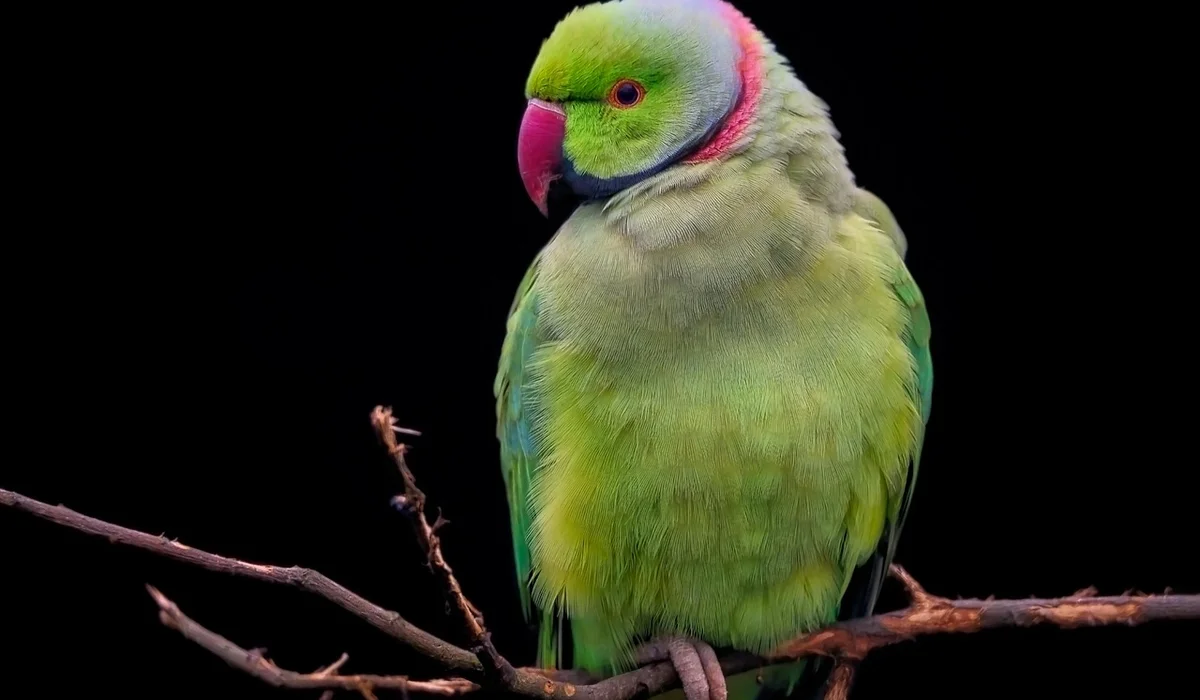
Parrots are masters at hiding illness, a survival instinct from the wild. Spotting the subtle shifts in their daily rhythm is your first line of defense for their well-being. I’ve learned this through years of caring for my flock. That vigilance is the heart of this complete guide to the most common parrot health concerns. It translates subtle cues into practical steps you can take to protect your birds.
- Physical Indicators: Fluffed-up feathers for prolonged periods, sudden weight loss, changes in droppings (color or consistency), overgrown beak or nails, and repetitive feather plucking.
- Behavioral Indicators: Loss of appetite, increased aggression, unusual silence or excessive screaming, constant pacing or head bobbing, and a sudden fear of familiar people or objects.
Here is a simple checklist I use every week to make sure everyone is thriving. It takes just a few minutes but gives me immense peace of mind.
- Are their eyes bright and clear?
- Is their breathing quiet and effortless?
- Are they eating and drinking their normal amounts?
- Are their droppings normal in color and form?
- Are they engaging with toys, you, and their flock mates?
- Is their plumage sleek and preened, not ragged or plucked?
Addressing Long-Term Welfare Concerns
Chronic stress from poor flock dynamics can literally make a parrot sick. I’ve seen how social harmony directly impacts their immune system and lifespan. A bullied bird might stop eating, while a lonely one can develop deep psychological issues.
My African Grey, Sage, once became very withdrawn after we introduced a new, louder bird. It taught me that long-term stress manifests as a slow decline, not always a dramatic event. Their overall health is a mirror of their social world.
You should seek professional help from an avian veterinarian immediately if you notice labored breathing, bleeding, seizures, or an inability to perch. For behavioral issues that disrupt flock peace, like relentless bullying or self-mutilation, consult a certified parrot behaviorist. Don’t wait, hoping it will resolve itself. If you need to take your parrot to the vet, handle them calmly and use a secure carrier to reduce stress. Bring familiar perches or toys and speak softly during the visit to help them stay calm.
Decoding Parrot Communication in a Flock
Understanding Vocalizations and Mimicry
Your home is their rainforest, and every sound has a purpose. Learning their language is the key to unlocking a happy and cohesive flock. It’s a constant, fascinating conversation.
- Contact Calls: These are the “I’m here, where are you?” chirps. My Green-cheeked Conure, Kiwi, does this soft, repetitive peep when he can’t see me from his cage.
- Alarm Calls: A sharp, loud, and repetitive shriek. The whole flock will freeze. My Sun Conure, Sunny, lets out a piercing cry if a large truck passes the window.
- Contentment Sounds: Soft chattering, grinding their beak, or quiet muttering. This is the parrot equivalent of purring. Sage makes a gentle clicking sound when I scratch her head.
- Mimicry: This isn’t just parroting. My parrots often use learned words in correct context, like saying “Hello” when someone enters the room. It’s their way of participating in the human part of the flock.
Reading Body Language Cues
Words are only half the story. A parrot’s posture tells you everything about their intentions and emotions in a social setting. Watching my three interact is like watching a silent movie with a very clear plot.
Here are key postures to understand the social dynamics between your birds.
- Pinpointing Eyes: The pupils rapidly dilating and constricting. This can signal high excitement, curiosity, or aggression. Watch the context closely.
- Wing Position: Slightly lifted wings can mean “I’m hot,” but rigid, outstretched wings are a territorial display, saying “Back off!”
- Head Bobbing: A rapid, rhythmic bobbing is often a young bird begging for food, but in adults, it can be a greeting or a request for interaction.
- Feather Fluffing: A quick fluff and shake is normal preening. Remaining puffed up for hours, especially while perched quietly, is a sign of sickness.
Interpreting interactions means watching for reciprocity. A healthy preening session between two birds is a sign of strong bonds. If one bird is always preening another who just sits there stiffly, it might be a sign of dominance, not affection. Watch for turn-taking and relaxed body language to gauge true friendship.
FAQs
How can I prevent jealousy between my parrots when giving attention?
Provide equal, one-on-one time with each bird to avoid favoritism and reduce rivalry. Use treats and praise to reward calm behavior during group interactions, reinforcing that attention is shared fairly.
What are the best ways to reinforce positive flock behaviors daily?
Integrate structured group activities, like cooperative foraging or synchronized play, to encourage teamwork and bonding. Consistently acknowledge and reward peaceful interactions with treats or affection to strengthen desired social habits.
Is it normal for parrots to have minor squabbles, and when should I worry?
Yes, brief disputes over resources or perches are common as parrots negotiate their social roles. Understanding why parrots bite—what triggers aggression or fear and where those feelings come from—helps you address the root causes and respond more calmly. This improves safety and communication as you work through conflicts. Intervene if conflicts involve persistent bullying, injury, or prevent a bird from eating, drinking, or resting safely.
Final Thoughts
To help your parrot thrive, treat your home like a flock by offering daily social time and varied activities—I’ve seen Kiwi’s curiosity bloom with this approach. Building routines that mimic wild interactions, like shared meals or play sessions, keeps your bird emotionally balanced and engaged. You can extend this enrichment with a DIY foraging wall inside your parrot’s cage, turning exploration into a daily puzzle. A simple setup with removable parts and safe treats can boost problem-solving and keep him engaged even when you’re not nearby.
Stay committed to learning about parrot care through reliable sources and observing your bird’s unique signals. Responsible ownership means adapting as you grow together, ensuring a lifelong bond built on trust and respect for their natural instincts. Try bonding techniques that work—short daily sessions with positive reinforcement and gentle, patient handling. These practices build trust and deepen your parrot’s bond.
Further Reading & Sources
- Trained Parrot Blog – Flock Dynamics Between 3 Different Size Parrots
- Friends Or Frenemies-How Well Do Parrots Interact With Each Other? – Pet Birds by Lafeber Co.
- Understanding Cockatiel Behavior: Flock Dynamics | Bonded With Tiels
Suzanne Levine is a dedicated parrot enthusiast and experienced avian caregiver with over 15 years of hands-on experience in parrot care. As the founder of Parrot Care Central, Suzanne is passionate about sharing her knowledge and insights to help fellow parrot owners provide the best possible care for their feathered friends. Her expertise spans nutrition, behavior, health, and enrichment, making her a trusted resource in the parrot care community.
Socialization