
Understanding and Managing Hormonal Season in Parrots: A Survival Guide
Published on: February 8, 2026 | Last Updated: February 8, 2026
Written By: Suzanne Levine
Is your feathered friend suddenly biting, screaming, or acting out of character? You’re facing the wild ride of hormonal season, and it can feel overwhelming for any parrot owner. I’ve been there with my own birds-like Kiwi’s sudden mood swings or Sunny’s nesting urges-and I know how stressful this time can be.
I’ll guide you through this with clear, actionable advice based on my hands-on experience. Here are the key takeaways you’ll gain:
- Spot the early signs of hormonal behavior before they escalate.
- Use simple changes to reduce triggers and keep your parrot calm.
- Protect your bird’s well-being with safe, effective management tips.
You’ll walk away with a solid plan to handle this season smoothly. We’ll cover essential topics like: signs, triggers, management strategies, health checks, and long-term care.
What Exactly Is Hormonal Season in Parrots?
Think of hormonal season as your parrot’s biological clock shouting that it’s time to nest and raise chicks. This isn’t a behavioral problem; it’s a powerful, natural instinct driven by reproductive hormones. My Green-cheeked Conure, Kiwi, becomes a tiny, feathered bundle of intense energy and mixed signals every spring.
In the wild, this season is short and synchronized with abundant food and perfect weather. For our indoor companions, these natural cues get blurred, leading to a confusing and often prolonged state of hormonal flux. Your sweet, cuddly bird might suddenly become territorial, noisy, or even aggressive.
What Sparks Hormonal Behavior in Pet Parrots?
Several factors can flip your parrot’s hormonal switch to the “on” position. Recognizing these triggers is your first and most powerful step toward managing this challenging time. It’s like detective work, and I’ve had to become a sleuth with each of my birds. A parrot night frights checklist identifying triggers and solutions can translate this insight into practical steps for calmer evenings.
Light and Day Length Influences
Light is the master conductor of your parrot’s hormonal orchestra. Longer days signal to their brain that spring has arrived, triggering a surge in hormone production. My Sun Conure, Sunny, is especially sensitive to this.
- Ensure your parrot gets 10-12 hours of uninterrupted darkness each night. I use a cage cover for consistency.
- Keep their sleep schedule strict, even on weekends. Sudden changes can be a major trigger.
- Avoid placing cages in rooms with artificial light from TVs or computers after “bedtime.”
Environmental and Dietary Triggers
Your home environment and what you feed your parrot can accidentally scream “perfect nesting conditions!” Abundant, rich food mimics the plenty of spring, telling your bird it’s safe to raise a family. To avoid common parrot feeding mistakes, keep portions balanced and offer a varied, species-appropriate diet. I learned this the hard way with my African Grey, Sage.
Watch out for these common triggers:
- Too much warm, mushy food like pasta or excessive fruit. These are seen as high-energy nestling foods.
- Access to dark, enclosed spaces like boxes, under furniture, or inside closets. These simulate nesting cavities.
- Excessive petting on the back, wings, or under the tail. This can be misinterpreted as mating behavior.
- The presence of “nesting material” like shredded paper or fabric strips.
A simple shift to a diet heavier in vegetables and pellets, rather than fatty seeds and fruit, can work wonders in calming hormonal urges. It was a game-changer for managing Kiwi’s seasonal intensity.
How to Spot Hormonal Signs in Your Parrot
Behavioral Red Flags
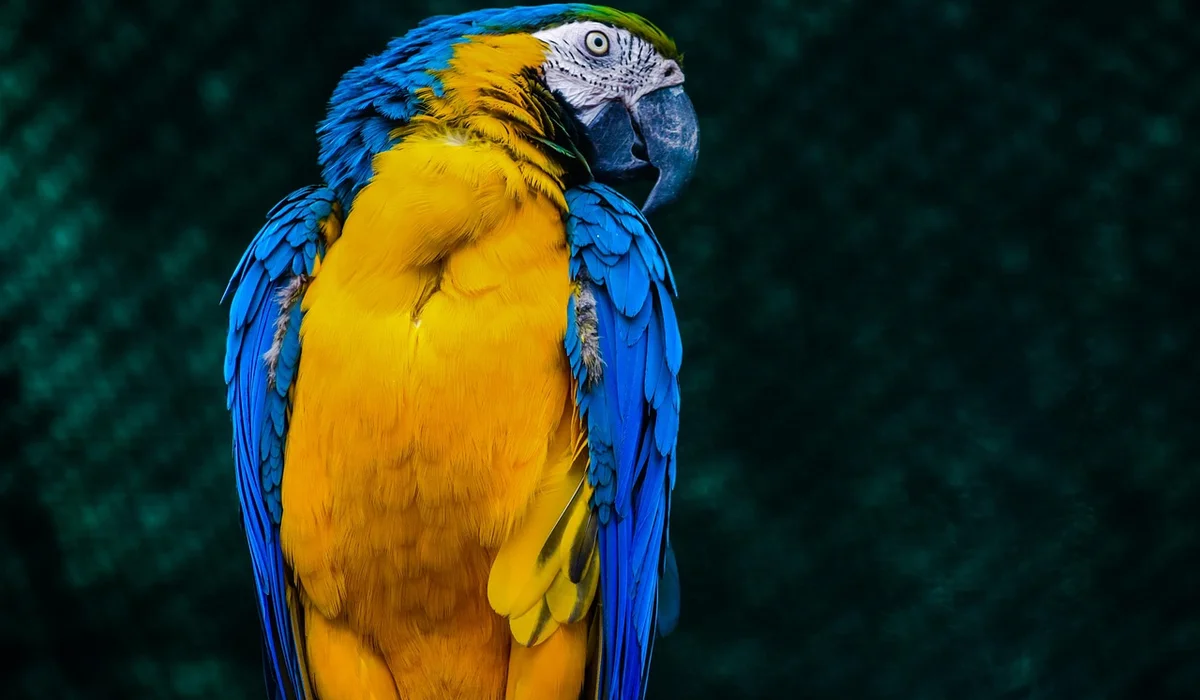
Watch for sudden shifts in your parrot’s mood and actions. My Green-cheeked Conure, Kiwi, started nipping at my fingers during playtime, which was a clear sign of hormonal agitation. This behavior often stems from increased territorial instincts or mating urges.
- Aggression: Biting, lunging, or guarding toys and perches more fiercely.
- Nesting behaviors: Shredding paper, hiding in dark corners, or carrying objects to “build” a nest.
- Vocal changes: Excessive screaming or unusual calls, especially in normally quiet birds like my African Grey, Sage.
- Attention-seeking: Constantly demanding pets or becoming clingy, as Sunny, my Sun Conure, does when hormones flare.
These actions can escalate quickly, so early recognition helps prevent stress. I learned to intervene gently by redirecting Kiwi’s energy with foraging toys instead of scolding.
Physical Changes and Health Indicators
Hormones can alter your parrot’s body in visible ways. Sunny’s vibrant feathers once dulled slightly during peak season, alerting me to check for underlying issues. Physical signs often pair with behavioral shifts, so monitor closely.
- Weight fluctuations: Sudden gain or loss, which I track with weekly weigh-ins for all my birds.
- Feather plucking: Bare patches or excessive preening, common in stressed parrots.
- Swollen vent area: A red or puffy cloaca, indicating reproductive activity.
- Appetite changes: Refusing favorite foods or overeating high-fat items.
Regular vet check-ups are vital here. When Sage started losing feathers, a quick exam ruled out mites and confirmed it was hormone-related.
Practical Tips for Managing Hormonal Season
Diet and Nutrition Tweaks
Adjusting food intake can calm hormonal surges. I cut back on fatty seeds for Kiwi and added more leafy greens, which reduced her nesting urges within weeks. Focus on balanced meals to support overall health without fueling breeding instincts.
- Reduce high-fat foods: Limit nuts, seeds, and sugary fruits to occasional treats.
- Increase veggies: Offer dark greens like kale and broccoli, which provide nutrients without excess calories.
- Monitor protein: Too much can trigger mating behavior, so I opt for pellets with moderate levels.
- Hydration: Ensure fresh water is always available, as dehydration worsens stress.
Small changes make a big difference. Switching to a veggie-heavy diet helped Sunny stay energetic without the hormonal spikes.
Environmental Enrichment and Cage Setup
Create a space that discourages breeding behavior. Moving Sage’s cage away from dark, enclosed spots stopped her from trying to nest in corners. Enrichment keeps their minds busy and bodies active.
- Toys: Rotate puzzle toys and shreddables weekly to prevent boredom and reduce fixation on nesting.
- Cage placement: Avoid warm, dim areas; instead, keep it in a well-lit, social part of your home.
- Remove triggers: Take out mirrors, cozy huts, or anything that mimics a nest site.
- Foraging opportunities: Hide snacks in toys to encourage natural behaviors, like I do with Kiwi’s favorite nut pieces.
A stimulating environment promotes mental health. I saw less feather plucking in Sunny after adding more perches and swings for variety.
Training, Socialization, and Routine
Consistency and positive interactions ease hormonal stress. Sticking to a strict bedtime routine for all my parrots, like covering cages at the same time each night, minimized nighttime restlessness. Training redirects their focus in healthy ways. This is particularly helpful when dealing with REM night frights and disturbed sleep.
- Daily training: Use short, fun sessions to teach new tricks or reinforce commands, distracting from hormonal urges.
- Social time: Interact without over-petting, which can stimulate mating behavior; I limit cuddles with Sage to head scratches only.
- Routine stability: Feed, play, and sleep at consistent times to reduce anxiety and unpredictability.
- Out-of-cage exercise: Allow supervised flight or climbing to burn off excess energy, as I do with Kiwi in a bird-safe room.
Training builds trust and reduces aggression. Rewarding calm behavior with treats helped Sunny become less territorial during peak seasons.
When Should You Consult an Avian Vet?
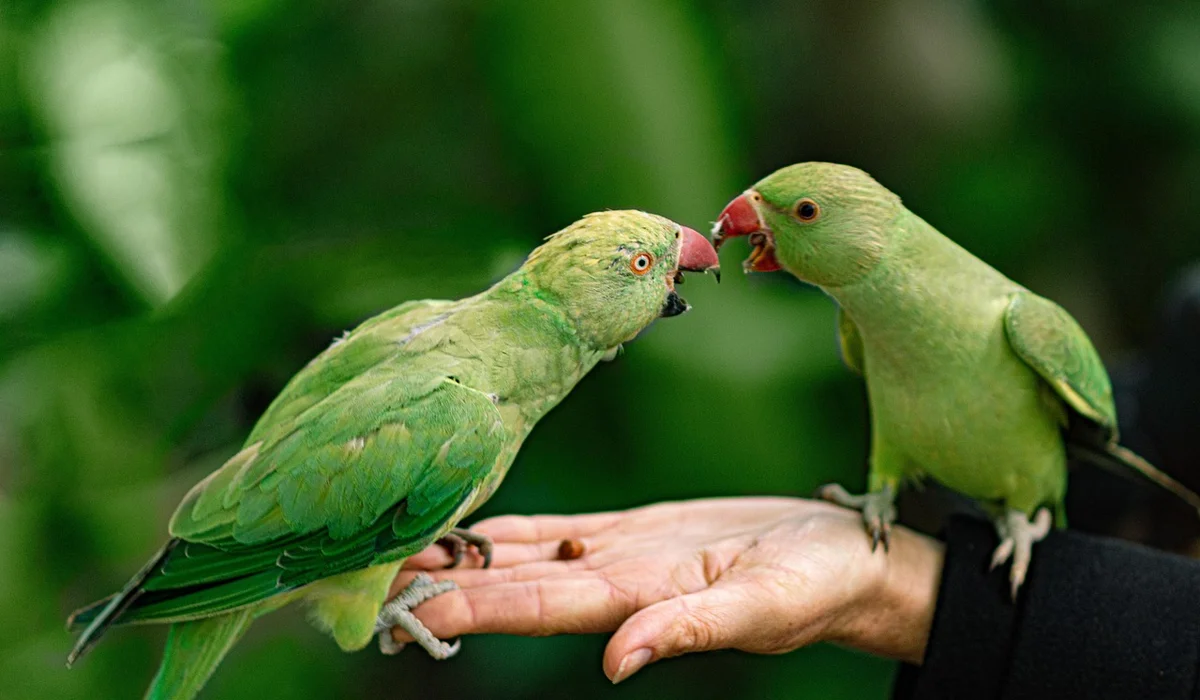
You should reach out to an avian vet if your parrot shows signs that go beyond typical hormonal behavior. Any sudden change in appetite or energy levels can signal underlying health issues that need professional attention. For concerned owners, a simple loss-of-appetite diagnostic checklist can help you document changes before the visit. Keep notes on what your parrot will or won’t eat, when it started, other symptoms, and any recent environmental changes. With my Green-cheeked Conure, Kiwi, I noticed she stopped eating her favorite treats during her hormonal phase, which prompted an immediate vet visit.
Look for persistent aggression that doesn’t ease with your usual calming techniques. If your bird becomes dangerously territorial or starts self-mutilating, it’s a clear red flag for vet intervention. I’ve seen this with Sunny, my Sun Conure, who once nipped so hard it drew blood-that’s when I knew expert help was essential for her safety and mine.
- Excessive feather plucking or chewing that leads to bald spots
- Lethargy or depression lasting more than a couple of days
- Vocal changes, like constant screaming or unusual silence
- Weight loss or gain without a clear diet change
- Difficulty breathing or discharge from eyes or nostrils
Trust your instincts as a pet owner-if something feels off, it probably is. Early vet consultations can prevent minor issues from turning into serious health crises for your feathered friend. Advocating for animal welfare means prioritizing their comfort and health above all else.
How Long Does Parrot Hormonal Season Typically Last?
The duration of hormonal season varies widely among parrot species and individuals. In many parrots, this hormonal cycle is tied to the breeding season, guiding mating readiness and nesting instincts. On average, it can last from a few weeks to several months, depending on factors like age, environment, and diet. My African Grey, Sage, experiences shorter bouts of about 3-4 weeks, while Sunny’s phases drag on for up to 2 months.
Younger birds might have milder, shorter episodes compared to mature adults. Providing a stable routine with consistent light and dark cycles can help shorten these periods naturally. I’ve found that reducing high-fat foods and limiting petting on the back curbs Kiwi’s hormonal spikes faster.
- Small parrots like conures: 2-6 weeks
- Medium to large parrots like African Greys: 1-3 months
- Factors influencing length: seasonal changes, social interactions, and overall health
Monitor your bird closely and adjust care as needed to support them through this time. Keeping a diary of behaviors helps you spot patterns and manage the season more effectively. Remember, every parrot is unique, so patience and observation are your best tools. Consider incorporating a simple, consistent training routine to address behavioral issues as they arise. Short, regular training sessions can redirect unwanted behaviors and reinforce calm, cooperative responses.
FAQs
How does hormonal season in parrots differ during the fall?
In fall, shorter daylight hours and cooler temperatures can trigger hormonal behavior as parrots instinctively prepare for breeding. Indoor parrots may experience off-cycle surges if artificial lighting disrupts natural cues, leading to prolonged or unexpected episodes.
What are common signs of hormonal season in Quaker parrots?
Quaker parrots often become more territorial and vocal, with increased nest-building using shredded materials. They may also display regurgitation or become aggressive around their cage or favorite perches. Understanding these shifts as part of their flock dynamics in a human home can help owners respond calmly and support social harmony. In a household, people are part of the flock, so consistent routines and positive reinforcement help maintain balance.
How can I prevent hormonal behavior in my Quaker parrot during fall?
Limit high-fat foods and ensure consistent sleep schedules with 10-12 hours of darkness to reduce triggers. Avoid providing dark, enclosed spaces and over-petting to discourage mating instincts.
Are Quaker parrots more prone to year-round hormonal seasons?
Quaker parrots can exhibit persistent hormonal behavior if environmental triggers like constant light or rich diets are present. General parrot dietary guidelines emphasize a balanced diet of high-quality pellets, fresh fruits and vegetables, and limited treats to support health and reduce behavioral issues. Regular routine adjustments and diet management help minimize these extended phases.
What unique challenges do fall hormonal seasons pose for parrot owners?
Fall brings natural light changes that can confuse indoor parrots, leading to mixed signals and erratic behavior. Owners must be vigilant with environmental controls to maintain a calm, stable setting for their birds.
In Closing
Managing your parrot’s hormonal season boils down to simple tweaks in their daily life, like adjusting light cycles and diet based on what I’ve seen with my playful Green-cheeked Conure, Kiwi. Sticking to a predictable routine can ease stress and curb unwanted behaviors before they escalate. This includes enriching your parrot’s diet with foraging activities to keep them mentally stimulated.
Embrace the role of a dedicated caregiver by always putting your parrot’s well-being first, just as I do with my social Sun Conure, Sunny. Curious about nail trims, beak care, and feather upkeep for your parrot? You’re not alone—these grooming basics help keep your bird happy and healthy. Keep exploring new care tips and connect with avian experts to grow alongside your feathered companion for years to come.
Further Reading & Sources
- The Importance of Managing Hormonal Behavior in Birds
- Practical Tips For Getting Ready For Parrot Hormone Season That You Should Start Right Now
- My Parrot Has Changed: Dealing With A Hormonal Parrot – Northern Parrots
Suzanne Levine is a dedicated parrot enthusiast and experienced avian caregiver with over 15 years of hands-on experience in parrot care. As the founder of Parrot Care Central, Suzanne is passionate about sharing her knowledge and insights to help fellow parrot owners provide the best possible care for their feathered friends. Her expertise spans nutrition, behavior, health, and enrichment, making her a trusted resource in the parrot care community.
Mating Behavior