
How to Rotate Toys Effectively to Prevent Boredom
Does your pet glance at their toys with a bored sigh, leaving you wondering how to reignite their playful spirit?
After caring for my curious conure Kiwi and social sun conure Sunny, I’ve perfected toy rotation to keep tails wagging and wings flapping. You’ll walk away with these core insights:
- Uncover why swapping toys stops boredom dead in its tracks and nurtures your pet’s well-being.
- Follow simple steps to build a rotation routine that fits seamlessly into your daily life.
- Pick toys that match your pet’s personality, turning dull moments into exciting adventures.
I’ll guide you with clear, actionable tips. Dive into: benefits of rotation, creating a schedule, selecting engaging toys, spotting boredom signs.
The Magic of Toy Rotation: Why It Works Wonders
Toy rotation means swapping your parrot’s playthings on a regular schedule instead of leaving the same old toys in their cage day after day. This simple habit keeps their environment fresh and exciting, directly fighting the boredom that leads to feather plucking and other stress behaviors.
You’ll see amazing benefits almost immediately. Your bird’s brain gets a workout with each new toy, which builds problem-solving skills. Anxiety melts away because life stays unpredictable in a fun way. Best of all, their interest in playing never fades.
- Cognitive Development: New toys present new puzzles, encouraging your parrot to think and learn.
- Reduced Stress: A changing environment prevents the monotony that causes nervous habits.
- Sustained Interest: Your bird stays curious and engaged with their surroundings.
I saw this firsthand with my own flock. My Green-cheeked Conure, Kiwi, would completely ignore a toy left in his cage for more than a week. But the moment I swapped his old wooden block for a new foraging basket, he was buzzing with energy and curiosity for hours. My Sun Conure, Sunny, is a social butterfly who loves noise. Rotating in a new bell or crinkle toy keeps her cheerful chirps filling the room. And my intelligent African Grey, Sage, needs mental challenges. I rotate complex puzzle toys for her, and the focused, calm satisfaction she shows is incredible to watch.
This practice directly supports how parrots live in the wild. In nature, their days are spent exploring, foraging, and solving problems—toy rotation brings a little piece of that dynamic life into their home. It satisfies their deep need for mental stimulation, which is just as important as a healthy diet for their overall well-being.
Setting Up a Simple and Effective Rotation Schedule
Creating a schedule doesn’t need to be complicated. The best frequency depends on your individual bird’s personality and energy level.
- Daily Rotation: Perfect for high-energy, curious birds like conures. Swap one or two toys each day.
- Weekly Rotation: A great standard for most parrots. It provides enough time to fully explore a toy set before the change.
- Seasonal Rotation: Good for supplementing a weekly schedule. Introduce sturdier, more complex toys for indoor months.
You don’t need to swap every single toy at once. A good rule is to rotate about one-third to one-half of the toys in the cage at a time. This keeps things fresh while leaving some familiar, comforting items. For a cage with six toys, I rotate two or three each week.
Steps to Create Your Rotation Calendar
- Gather all your parrot’s toys and sort them into groups by type, like shredding, foraging, and noise-making.
- Decide on your rotation frequency-I find weekly works best for my crew.
- Assign different toy groups to specific weeks on a simple calendar.
- Set a recurring reminder on your phone for swap day.
The key is consistency; your parrot will start to anticipate and enjoy “new toy day.”
Tracking Your Rotations
To make sure you’re offering true variety, a simple tracking system works wonders. I use a notes app on my phone with a list of all toys and the last date they were used. You can also use a physical checklist or a whiteboard near your bird’s cage. Another easy method is to store toys for future rotations in clearly labeled bins-one for “next week” and one for “the week after.” This visual system makes it effortless to grab the right set without any guesswork.
Choosing the Right Toys for Your Feathered Friend
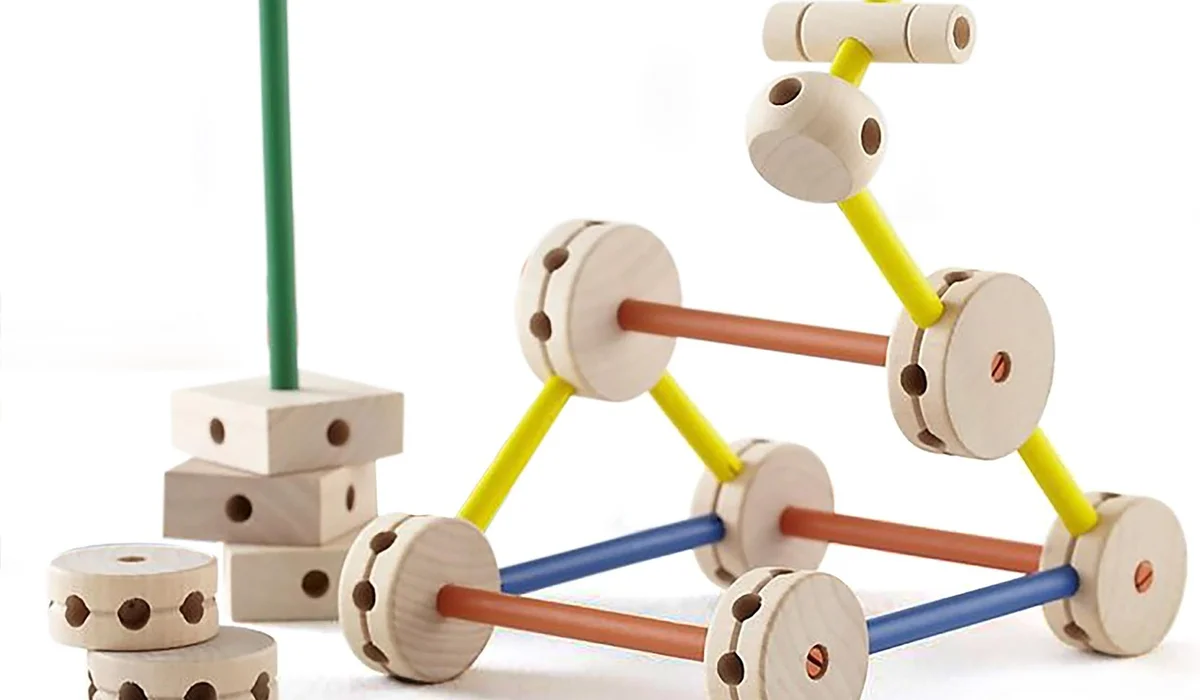
Picking the perfect playthings isn’t about grabbing the shiniest object. You need to think like a parrot and match toys to their natural instincts. My flock taught me that a one-size-fits-all approach just leads to ignored, expensive plastic gathering dust.
How to Select Toys Based on Type
Parrots engage with the world through specific behaviors. Rotating between these toy categories ensures every instinct gets a healthy workout. Here’s what I always keep in my rotation bins:
- Sensory Toys: These stimulate their senses. Think bells for sound, acrylic toys with moving parts for sight, and different textured woods for touch. My conure, Kiwi, adores a simple plastic chain with knots he can clang around.
- Destructible Toys: Absolutely vital! These are made of softwood, cardboard, or palm leaves. Letting them shred satisfies a deep-rooted need and prevents them from turning your furniture into confetti. Sage, my African Grey, can dismantle a sola ball in an afternoon of happy work.
- Foraging Toys: These make your bird work for their food, just like in the wild. I hide almonds in a puzzle box for Sunny, and watching her figure it out is pure joy. It turns mealtime into a brain game.
- Preening & Foot Toys: Small, safe objects they can manipulate with their beak and feet. A simple cork or a small, hard plastic ring can provide hours of focused, calm play.
Consider Age and Parrot Personality
Not every toy is right for every bird. Your parrot’s age and unique character are your best guides for selection. A quick safety checklist for toys helps you spot hazards before giving a toy to your parrot.
- For young, energetic parrots like my 3-year-old Kiwi, I lean on destructible and noisy toys that can handle his boundless curiosity and sharp beak.
- For older, wiser birds like 8-year-old Sage, complex foraging toys and intricate puzzles keep his brilliant mind engaged without overstimulating him.
- Assess their boldness. Is your parrot a cautious observer or a fearless explorer? A shy bird might need simpler, less intimidating toys to start with, while a bold one will relish a big, complicated new challenge.
Categorizing Toys for Balanced Play
I don’t just throw toys in the cage. I create a weekly “play schedule” by grouping toys into categories. This guarantees my parrots get a well-rounded experience. I use this approach to set up maximum enrichment in the parrot cage, ensuring toys promote foraging, problem-solving, and physical activity. Rotating items keeps the experience fresh and highly engaging.
- Monday-Wednesday: A destructible toy, a foot toy, and a simple foraging tray.
- Thursday-Saturday: A noisy sensory toy, a complex puzzle forager, and a preening toy.
- Sunday: A “free choice” day where I put out 4-5 toys and let them pick their favorites.
Budget-Friendly and DIY Toy Options
You don’t need a fat wallet to have a happy parrot. Some of the most beloved toys in my house cost me nothing. Always prioritize safety—use untreated wood, paper, and bird-safe glues. In fact, making safe, fun homemade toys for your parrot is a great way to keep them mentally stimulated on a budget. Here are simple, bird-safe ideas you can try at home.
- Cardboard Carnival: Save toilet paper tubes, fill them with crinkled paper and a nut, and fold the ends. Instant, disposable forager!
- Wooden Block Bonanza: Ask a hardware store for off-cut scraps of untreated pine or maple. Drill a hole and string them with a leather strip for a cheap, destructible chew toy.
- Paper Pinata: Crumple a brown paper lunch bag, add a few foot toys and treats, and twist the top shut. Watching them rip it apart is hilarious and enriching.
Smart Storage and Organization for Easy Swaps
A good rotation system falls apart without good organization. If you can’t find the right toy quickly, you won’t bother swapping them out. I learned this the hard way after tripping over a pile of bird toys one too many times.
Space-Saving Storage Solutions
You don’t need a dedicated parrot room. Clear, stackable bins have been my number one space-saving secret for years. They keep everything visible and protected from dust. For your new parrot, add these essentials to your home setup checklist: a safe cage, perches, bowls, and toys. Keep the feeding and play areas easy to reach to reduce stress on first days.
- Use small bins for each category: one for destructibles, one for foraging, one for foot toys.
- Stack them in a closet or on a shelf. This keeps the parrot area tidy and your sanity intact.
- Hanging shoe organizers with clear pockets are fantastic for storing smaller toys and parts. You can see everything at a glance.
Labeling Systems for Quick Identification
A simple label saves you from digging through every bin. I use a basic color-coded sticker system right on the bin lids.
- Green Sticker: Foraging Toys
- Red Sticker: Destructible Toys
- Blue Sticker: Sensory/Noise Toys
For an even quicker system, I sometimes take a photo of the toys inside and tape it to the front of the bin. No reading required!
Decluttering and When to Let Go
Parrot toy collections can grow out of control. A quarterly “toy audit” keeps your storage from becoming a hoarder’s nightmare. I do this every season.
- Recycle any toy that is broken, frayed, or has sharp edges. Safety first, always.
- Donate gently used toys that your bird simply ignores to a local parrot rescue. Another bird might absolutely love it.
- Keep only the toys that are in good condition and have been a hit in the past. Even favorites need a long break sometimes.
Personal Storage Hacks for Multiple Parrots
With three parrots of different sizes and species, I had to get creative. My best hack is creating individual “toy libraries” for each bird.
- I have three small, labeled bins: one for Kiwi (conure), one for Sunny (sun conure), and one for Sage (grey). This prevents fights over favorites and lets me tailor rotations perfectly.
- I keep a “community bin” with larger, shared playstand toys that aren’t cage-specific.
- A small tackle box is perfect for storing tiny parts like screws, chains, and quick links. No more losing essential hardware!
Boosting Fun with Themed and Sensory Rotations
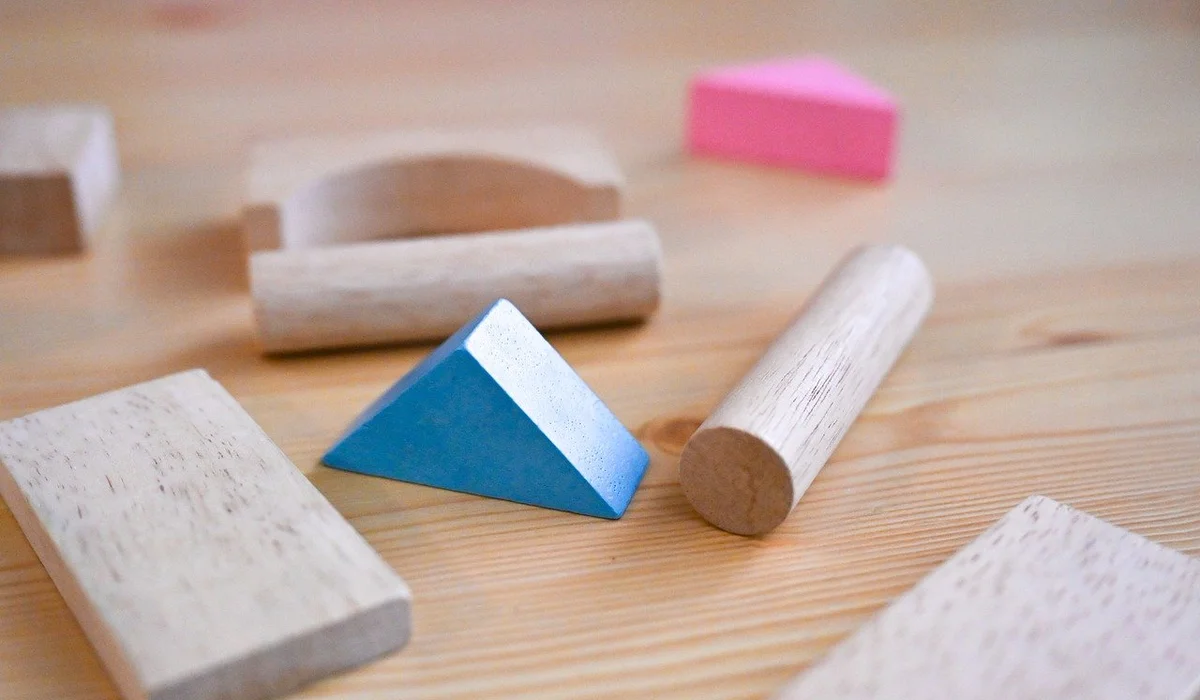
Spicing up toy rotations with themes keeps your parrot’s brain buzzing and their beak busy. I’ve found that grouping toys by color, texture, or sound creates mini-adventures right inside the cage. Pair these rotations with cognitive enrichment—the 10 brain games can keep your bird sharp. They turn playtime into quick problem-solving sessions that exercise memory and focus.
Engagement Strategies Using Themes
Start simple by dedicating a week to a single theme. My Green-cheeked Conure, Kiwi, goes wild for a “Rainbow Week” where every toy is a different vibrant color.
- Color themes: Use all red toys one week, then switch to natural wood tones the next.
- Texture themes: Combine crinkly paper, smooth plastic, and rough rope in a single rotation.
- Sound themes: Mix bells, rattles, and crinkle toys for an auditory playground.
Incorporating Sensory Play
Sensory play engages multiple parts of your parrot’s brain, turning simple toys into complex puzzles. I hide sunflower seeds inside crumpled paper balls for Kiwi to shred and discover.
- Add food-safe spices like cinnamon sticks to foraging toys
- Introduce child-safe mirrors for visual stimulation
- Rotate between warm wood and cool metal perches
- Offer toys with different weights and balances
Tracking Your Parrot’s Interests
Keeping a simple journal transformed how I understand what my birds truly enjoy. Note which toys get ignored versus which get destroyed within hours.
- Record daily playtime with different toy types
- Photograph destroyed toys to identify favorites
- Note vocalizations and body language with specific toys
- Track how long interest lasts before boredom appears
Examples from My Flock
Kiwi’s curiosity means he needs constant novelty – I rotate his destructible toys every 3-4 days. My African Grey Sage prefers intellectual challenges that stay consistent for weeks. Her puzzle toys remain available while I rotate the simpler chewing toys around them.
Avoiding Common Mistakes for a Smooth Routine
Even with good intentions, it’s easy to undermine your rotation efforts through these common errors. I’ve made every one of these mistakes with my own birds before learning better.
Frequent Rotation Errors
- Changing toys too frequently creates insecurity
- Using similar toy types repeatedly (all wooden blocks)
- Forgetting to include at least one “safe” familiar toy
- Placing toys in identical locations each rotation
- Ignoring seasonal changes in play preferences
Evaluating Your Rotation Effectiveness
Your parrot’s behavior tells you everything about whether your rotation strategy is working. Watch for these positive signs during and after toy changes. Learn how to tell if your parrot is happy with these 10 key signs. Use them to gauge welfare during toy changes.
- Immediate investigation of new items
- Balanced time between playing and normal activities
- No increase in feather plucking or screaming
- Regular destruction of appropriate chew toys
- Comfortable body language around rotated items
Adjusting Based on Reactions
When Sunny my Sun Conure ignores new toys, I know I’ve moved too fast. Successful adjustments come from reading subtle cues like feather position and eye pinning.
- If fearful: return a familiar toy immediately
- If overstimulated: reduce number of new toys
- If bored: increase foraging challenge level
- If destructive: provide more shreddable materials
The Power of Observation and Patience
Rushing the process creates more problems than it solves – I learned this through years of trial and error. What works for Kiwi’s high energy completely overwhelms more cautious birds. Give each rotation at least a week before making judgments, and remember that sometimes the best changes are the smallest ones.
FAQs
How to rotate outdoor toys?
Rotate outdoor playstand or aviary toys weekly to keep your parrot engaged with new challenges and environments. Ensure all outdoor toys are safe, weather-resistant, and swapped regularly to prevent boredom and damage from elements. This approach fits into the ultimate guide to parrot playstands, comparing DIY builds versus store-bought options. Consider which path—DIY or ready-made—best suits your parrot’s space and your budget.
How to rotate open ended versus structured toys?
Incorporate open-ended toys, like basic wood blocks, for longer periods to foster creativity, while rotating structured toys, such as puzzles, more often to maintain mental stimulation. This balance helps cater to different play styles and prevents repetitive behavior.
How to involve children in the rotation process?
Supervise children as they help select and swap safe, age-appropriate toys, turning it into an educational activity about parrot care. This involvement teaches responsibility and strengthens the bond between your child and feathered friend through shared tasks. These routines can also double as short training sessions to address common parrot behavioral issues. Consistent, positive reinforcement during practice helps the bird learn expected behaviors and can reduce behaviors like nipping or feather pecking.
Wrapping It Up
Rotating your parrot’s toys isn’t just about swapping out old for new; it’s a dynamic strategy to keep their intelligent minds playfully engaged and curious. A fresh toy every week or two, combined with a variety of textures and puzzle types, turns their cage into a stimulating environment that discourages negative behaviors born from boredom.
This simple habit is a cornerstone of responsible parrot guardianship, reflecting a deep commitment to their psychological well-being. Your feathered friend’s happiness thrives when you actively learn about and cater to their complex needs, making every day an opportunity for a stronger, more joyful bond.
Further Reading & Sources
- Toy Rotation: A Step by Step Guide – The Movement Mama | Developmental Support in Babies and Toddlers
- Montessori Toy Rotation – How Often, How Many Toys?
- I want to give toy rotation a go but I’ve got a couple …
Suzanne Levine is a dedicated parrot enthusiast and experienced avian caregiver with over 15 years of hands-on experience in parrot care. As the founder of Parrot Care Central, Suzanne is passionate about sharing her knowledge and insights to help fellow parrot owners provide the best possible care for their feathered friends. Her expertise spans nutrition, behavior, health, and enrichment, making her a trusted resource in the parrot care community.
Toys