
Why Is My Parrot Screaming and How Can I Stop It?
Published on: April 26, 2026 | Last Updated: April 26, 2026
Written By: Suzanne Levine
If your parrot’s ear-piercing screams have you feeling frazzled and frustrated, you’re not alone-I’ve spent countless hours with my own flock, like Kiwi’s playful shrieks and Sunny’s loud calls, learning how to tackle this common issue with patience and care.
Drawing from my hands-on experience with parrots over the years, I’ll guide you through practical steps that respect your bird’s well-being. Here are three key insights you’ll gain:
- Identify the root causes of screaming, from boredom to communication needs, based on real-life observations with my parrots.
- Learn simple, humane techniques to reduce noise without stressing your feathered companion.
- Build a stronger bond through positive reinforcement, just like I did with Sage’s calm demeanor.
You’ll find straightforward advice that works. We’ll explore: common triggers, behavior assessment, and actionable solutions to bring peace back to your home.
Decoding the Scream: What Your Parrot Is Trying to Say
Parrots naturally chatter and call out, but excessive screaming is loud, repetitive, and often signals something deeper. Normal vocalizations include morning greetings or playful squawks, while excessive screaming happens frequently and disrupts your day. My Green-cheeked Conure, Kiwi, makes soft chirps when content but lets out piercing screams if she feels ignored.
- Attention seeking: Your parrot learns that loud noises get your focus fast.
- Boredom: Without toys or interaction, screaming becomes their entertainment.
- Fear: Sudden noises or changes can trigger panic screams.
- Excitement: High-energy moments, like seeing you after work, might cause outbursts.
Use this quick checklist to spot triggers. Ask yourself: Does the screaming stop when I give attention, or is it paired with frantic behavior?
- Timing: Does it happen at specific times, like dusk or when you leave?
- Environment: Check for new objects, loud sounds, or lack of stimulation.
- Body language: Look for fluffed feathers, pacing, or wide eyes.
- Response test: Ignore the scream briefly – if it escalates, it’s likely attention-based.
Is It Just Noise or a Cry for Help? Health and Stress Checks
Screaming can mask pain or illness, so always rule out health issues first. Sudden, sharp screams combined with lethargy or loss of appetite often point to physical distress. My African Grey, Sage, once screamed non-stop due to a hidden injury, reminding me how vital vet checks are for their well-being.
Follow these steps for a basic home health assessment. Start by observing your parrot’s daily habits and physical condition closely. If you notice signs of illness or distress, use gentle, non-invasive home first aid to help stabilize the bird while you contact a veterinarian. In an emergency, seek immediate veterinary care.
- Check their eyes and nostrils for discharge or swelling.
- Feel their breastbone – if it’s prominent, they might be underweight.
- Monitor droppings for changes in color, consistency, or frequency.
- Watch their posture; hunching or trembling can indicate pain.
- Note any changes in eating, drinking, or sleeping patterns.
Consult an avian vet immediately if you notice persistent screaming with other red flags. Early intervention can prevent serious health issues and reduce your parrot’s suffering. I always prioritize vet visits for my birds, like when Sunny’s screams hinted at stress from a recent move. If the behavior persists or seems puzzling, seek guidance from a veterinary behaviorist or an experienced avian trainer. For more information, you can refer to this resource on When to seek professional help; professional help can identify whether stress, health, or environmental factors are the trigger.
Quick Calm: Immediate Ways to Quiet a Screaming Parrot
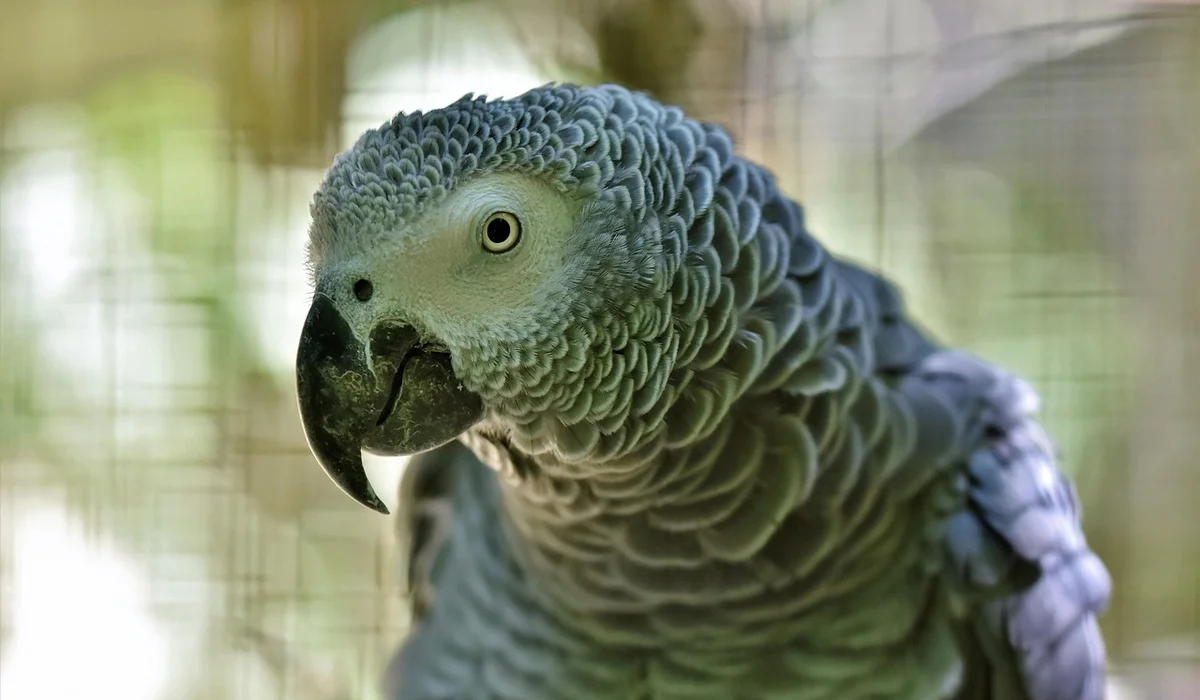
When my Green-cheeked Conure, Kiwi, starts a sudden screaming fit, my first move is to stay calm. Your parrot picks up on your energy, so a relaxed demeanor can help de-escalate the situation quickly. To tell if Kiwi is stressed, I also watch for the 15 warning signs parrots commonly show. Recognizing them early can help me respond calmly and keep Kiwi comfortable.
Step-by-Step Actions for Sudden Outbursts
- Check for immediate dangers. Look for predators outside the window, other pets, or anything that might have startled your bird.
- Speak in a soft, low voice. A gentle “It’s okay” or humming can be surprisingly effective.
- Offer a high-value distraction, like a favorite treat or a new foraging toy they only get during these moments.
Effective Distraction Techniques
- Initiate a fun training trick they already know, like “turn around.”
- Play a specific, calming sound or music you’ve associated with quiet time.
- Move their cage to a different part of the room for a quick change of scenery.
Implementing a Safe Timeout
A timeout is not about punishment. It’s a brief, calm period to help your parrot reset without getting any attention for the screaming. I gently cover part of Kiwi’s cage with a light blanket for just a few minutes, ensuring he still has light and air.
Smart Environmental Adjustments
- Close the curtains if outdoor movement triggers the screaming.
- Turn on a quiet fan or air purifier to create consistent, muffling background noise.
- Adjust the room lighting; sometimes a slightly dimmer room can feel more secure.
What NOT to Do
- Never yell back. Your parrot will think you’re joining in, making the behavior worse.
- Avoid running over to the cage. This teaches them that screaming summons you instantly.
- Do not give a favorite treat to make them stop. You’ll reward the screaming itself.
Training for Tranquility: Long-Term Behavior Fixes
Stopping the screaming cycle requires patience and a solid plan. Long-term change is built on rewarding the quiet moments, not just reacting to the loud ones. My Sun Conure, Sunny, used to scream for attention until we implemented a consistent training routine.
Positive Reinforcement for Quiet Behavior
Catch your parrot being good. When they are playing quietly or making soft chirps, that’s your cue. Immediately give them a small, favorite treat and pair it with a calm, happy phrase like “Good quiet.” This builds a positive association with silence. That quiet behavior helps manage household noise and reduces stress for everyone. A calmer parrot means a calmer home.
Structured Training Sessions
- Keep sessions short, around 5-10 minutes, a few times a day.
- Work on a “quiet” cue. When they stop screaming on command, even for a second, reward them.
- Use a clicker for precise timing, marking the exact moment of silence before the reward.
- Be incredibly consistent. Everyone in the household must follow the same rules and rewards.
Reducing Attention-Seeking Screams
Parrots are smart; they scream because it works. The key is to make screaming ineffective for getting your attention while making calm interaction highly rewarding. When a parrot is calm rather than scared or stressed, communication becomes easier. A gentle, patient approach helps a calm, scared, or stressed parrot feel safe and respond to positive interaction.
- Ignore the screaming entirely. Do not look at, talk to, or approach your bird during an outburst.
- The moment the screaming stops, wait for five seconds of quiet, then immediately go over and give them attention.
- Provide ample mental stimulation throughout the day with foraging toys and puzzle feeders so they aren’t bored and seeking entertainment from you.
Setting the Stage: Environmental Tweaks for a Quieter Bird
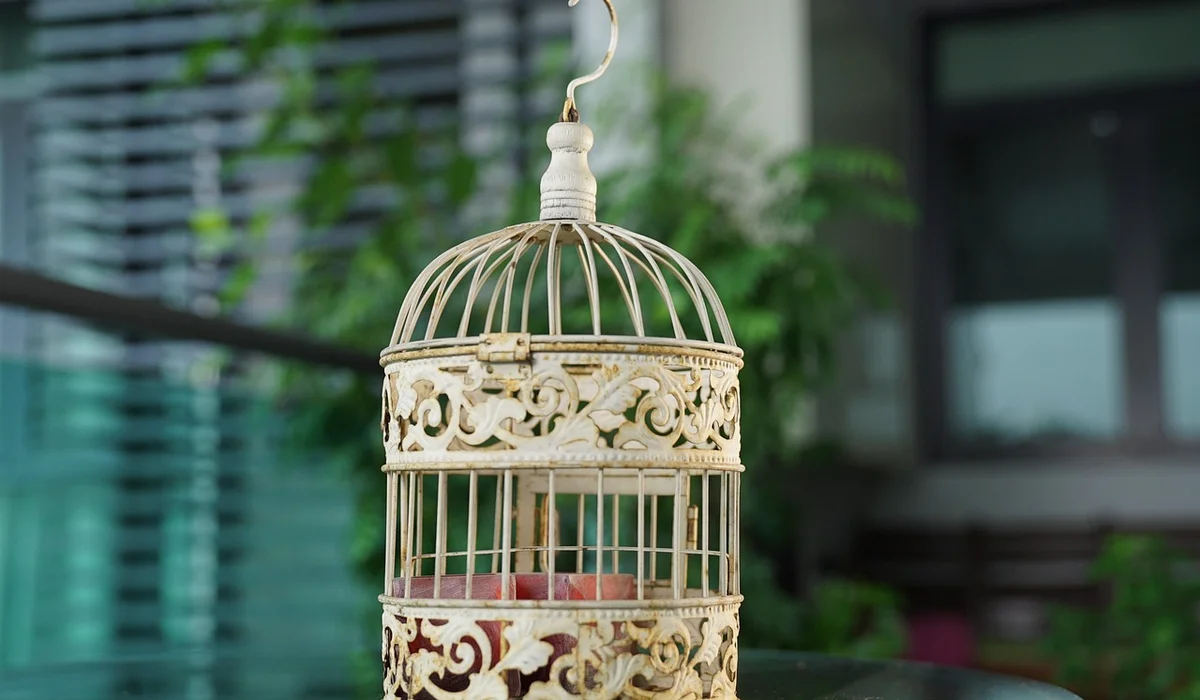
Your parrot’s cage is their castle, and a boring castle leads to a noisy king or queen. A well-designed habitat can dramatically reduce those ear-piercing screams by keeping your bird’s brain and body happily occupied. Also, create a safe, stimulating indoor flight environment for your parrot. Supervised flights with open space and enrichment keep wings and minds active.
Cage Setup & Enrichment Ideas
Think of the cage not as a prison, but as a stimulating apartment. My Green-cheeked Conure, Kiwi, stopped a lot of his racket when I stopped treating his cage like a simple box.
- Place the cage against a wall, not in the middle of a room, to give your bird a sense of security.
- Provide multiple perches of different diameters and textures (like natural wood and rope) to keep their feet healthy and engaged.
- Include safe, non-toxic leafy branches for them to shred-this is a natural, calming behavior.
- Install a “boing” or rope swing; the gentle motion is soothing and provides physical activity.
Toys, Puzzles, and Boredom-Busting Activities
Boredom is the number one fuel for a screaming parrot. I rotate toys for all my birds weekly to keep things fresh and fascinating.
- Foraging Toys: Hide treats inside paper cups, cardboard boxes, or commercial foraging puzzles. This makes them work for their food, just like in the wild.
- Shreddable Toys: Toys made of soft wood, paper, or palm leaves satisfy that innate need to destroy things constructively.
- Noise-Making Toys: Provide bells or crinkly toys so they have an acceptable outlet for making a racket.
- Puzzle Toys: Simple puzzles with sliding lids or doors challenge their intelligence, like the ones my African Grey, Sage, loves to figure out.
Routines for Sleep, Play, and Social Interaction
Parrots thrive on predictability. A chaotic schedule creates a chaotic, loud bird.
- Sleep: Ensure 10-12 hours of uninterrupted, dark, and quiet sleep every single night. I use a cage cover for my Sun Conure, Sunny, and it made a world of difference in her morning mood.
- Play: Schedule at least two out-of-cage play sessions daily. This isn’t just free flight; it’s interactive time with you.
- Social Interaction: Sit near the cage and talk softly, read a book aloud, or simply be present without demanding anything from them.
Social Sounds: How Companionship Affects Screaming
In the wild, a parrot’s flock is their entire world. Your home is their flock, and every scream is an attempt to communicate with it. Understanding this social drive is the key to managing vocalizations without hurting your bond. In a human household, knowing parrot flock dynamics helps you anticipate needs and respond with calm, consistent cues. This awareness keeps daily life harmonious for both of you.
Flock Dynamics and Owner Interaction
Your parrot screams to locate you, call you for dinner, or warn you of “danger” (like the vacuum cleaner).
- Contact Calling: If you leave the room and they scream, call back with a specific whistle or word instead of running to them. This tells them, “I’m here, we’re connected,” without rewarding the scream.
- Ignore the “Demand” Scream: When they scream for attention, turn your back and be utterly boring until they are quiet for a few seconds. Then, reward the silence with your attention.
- Reward Quiet Chatter: The moment your bird is playing quietly or muttering to themselves, shower them with praise or a tiny treat. You are teaching them what behavior earns your love.
Meeting Social Needs Without Encouraging Screams
It’s a delicate balance between giving enough attention and creating a velcro-bird who screams the moment you’re out of sight.
- Include them in your daily activities. Let them sit on a playstand in the kitchen while you cook (away from fumes) or in the living room while you watch TV.
- Train for 5-10 minutes a day. Training sessions using positive reinforcement build trust and mental stimulation, which tires them out more than physical play.
- Pre-empt the scream. If you know they get loud at 5 PM, initiate a quiet, engaging activity with them at 4:45 PM.
Species-Specific Traits & Neighbor-Friendly Practices
Not all parrots scream the same. A Sun Conure’s call is naturally louder and more piercing than an African Grey’s. In this complete guide, we explore what different parrot sounds mean and how to interpret them. We’ll cover pitch, tone, and context to help you understand your bird’s needs.
- Research your species! A Conure is more likely to be a boisterous, energetic screamer, while a Grey might scream more from frustration or boredom.
- Create a “quiet zone” in your home. If you have neighbors, consider which room is most insulated for your bird’s cage, especially during their naturally loudest times (dawn and dusk).
- Be a good neighbor by informing them about your pet and explaining that you are actively working on training. A small peace offering never hurts!
FAQs
Are parrot screams a sign of distress?
Yes, screaming can signal distress if it’s sudden, persistent, and paired with frantic behavior or physical changes. However, not all screams indicate distress, as they can also be part of normal flock communication or excitement.
Can hunger cause a parrot to scream?
Yes, hunger may trigger screaming as parrots often vocalize to demand food or express discomfort from an empty stomach. Maintaining a regular feeding routine with balanced meals can help minimize hunger-related vocalizations. Avoid common parrot feeding mistakes, such as free-feeding or overreliance on treats. Stick to balanced meals and regular feeding times to prevent these issues and support overall health.
Could screaming indicate pain or illness in a parrot?
Absolutely, screaming can be a red flag for pain or illness, especially if accompanied by lethargy, appetite loss, or unusual posture. Prompt veterinary care is essential to diagnose and address any underlying health issues.
Do parrots scream due to fear or anxiety?
Yes, fear and anxiety are common causes, such as from sudden noises, new environments, or perceived threats. Creating a calm, secure space and gradual desensitization can help reduce anxiety-driven screams.
How does social interaction affect a parrot’s screaming?
Social interaction heavily influences screaming; insufficient attention can lead to vocal demands for companionship, while positive, consistent engagement encourages quieter behavior. Training with rewards for calm interactions helps balance their social needs.
Closing the Loop
Managing your parrot’s screaming boils down to identifying the cause, providing ample enrichment and attention, and using positive reinforcement training. Remember, a loud bird is often a bored or frustrated bird trying to communicate a need. A consistent routine with plenty of toys, interaction, and mental challenges is your most powerful tool for a quieter, happier home, especially when combined with behavioral training.
Caring for a parrot is a long-term commitment that requires patience and a willingness to keep learning. Your dedication to understanding their complex needs is the foundation of a strong, trusting bond with your feathered friend. Continue to educate yourself on parrot behavior and welfare, as a well-cared-for bird is a much more content companion.
Further Reading & Sources
- Why Does My Parrot Scream? | Petfinder
- r/parrots on Reddit: what do I do my parrot is screaming without a reason and it’s driving us crazy what do I do for it to stop screaming
- The Two Different Reasons A Parrot Will Scream
Suzanne Levine is a dedicated parrot enthusiast and experienced avian caregiver with over 15 years of hands-on experience in parrot care. As the founder of Parrot Care Central, Suzanne is passionate about sharing her knowledge and insights to help fellow parrot owners provide the best possible care for their feathered friends. Her expertise spans nutrition, behavior, health, and enrichment, making her a trusted resource in the parrot care community.
Obedience Training