
Common Parrot Feeding Mistakes and How to Avoid Them
Are you worried that your feathered friend’s diet might be doing more harm than good, even with your best intentions?
I’ve been there myself, learning through trial and error with my own flock. Let’s clear up the confusion together.
You’ll walk away understanding the three biggest pitfalls and exactly how to fix them:
- Offering a dangerously limited or unbalanced diet.
- Unknowingly serving toxic or unhealthy human foods.
- Getting portion sizes and treat frequency completely wrong.
This guide gives you straightforward, actionable steps to get your parrot’s nutrition on the right track. This parrot diet requirements guide is part of our species-complete feeding guide, designed to cover all essential nutrition needs for healthy parrots. It helps you tailor diets to your bird’s species, age, and activity level. We’ll cover seed-only diets, toxic foods, portion control, fresh food prep, and safe treat alternatives.
Getting the Basics Wrong: Parrot Diet Composition
A balanced parrot diet blends high-quality pellets, a small portion of seeds, and a rainbow of fresh fruits and veggies. In my years caring for Kiwi, my playful Green-cheeked Conure, I found that mixing pellets with fresh greens and occasional seeds keeps her energy up and feathers vibrant. These ideas align with general parrot dietary guidelines. A balanced approach emphasizes pellets, fresh produce, and controlled portions of seeds. Pellets offer a solid nutritional base, while seeds add variety, and fresh foods supply essential vitamins and hydration.
Many parrot owners slip up by feeding too many seeds or skipping fresh produce entirely. Over-relying on seeds is like giving your bird a steady diet of candy-it’s high in fat and low in key nutrients, which I saw with Sunny, my Sun Conure, when she gained extra weight on a seed-heavy menu. Ignoring fresh items means missing out on fiber and antioxidants that support digestion and immunity.
To fix an unbalanced diet, follow these simple steps:
- Check what your parrot eats now-note the seed-to-pellet ratio and fresh food frequency.
- Gradually mix in more pellets and chopped veggies, reducing seeds bit by bit over a week or two.
- Offer a variety of colors in fresh foods, like carrots, apples, and leafy greens, to spark interest and cover nutritional gaps.
- Monitor your bird’s weight and behavior, adjusting portions if they seem lethargic or picky.
The Seed vs Pellet Puzzle: Making Smart Choices
Seeds and pellets each have their perks and pitfalls in a parrot’s diet. Seeds are naturally appealing and mimic wild foraging, but they’re often calorie-dense and lack balanced vitamins, something I noticed with Sage, my African Grey, who’d pick seeds over healthier options if I let her. Pellets, on the other hand, provide consistent nutrition but can be less enticing at first glance. So, which is the better base diet for a parrot—pellets or seeds? In many cases, pellets form the foundation, with seeds and other favorites offered in moderation.
Choosing high-quality options means avoiding mixes with artificial colors or filler seeds like millet. Look for pellets with whole ingredients listed first, and opt for seed blends that include nutrient-rich options like flax or chia seeds instead of just sunflower seeds. Low-nutrient mixes can lead to deficiencies, so read labels carefully to ensure your parrot gets what they need. For quick guidance, the best diet nutrition guide for Amazon parrots can help you compare pellet brands and nutrient-rich additions. Look for resources tailored to Amazon parrots’ unique dietary needs.
Transitioning from seeds to pellets takes patience and a gentle approach. Start by mixing a small amount of pellets into their favorite seeds, then slowly increase the pellet ratio over several weeks while offering fresh foods as distractions. This method helped Kiwi adapt without stress, and now she eagerly digs into her balanced meals.
Fresh Foods Fiasco: Why Variety is Non-Negotiable
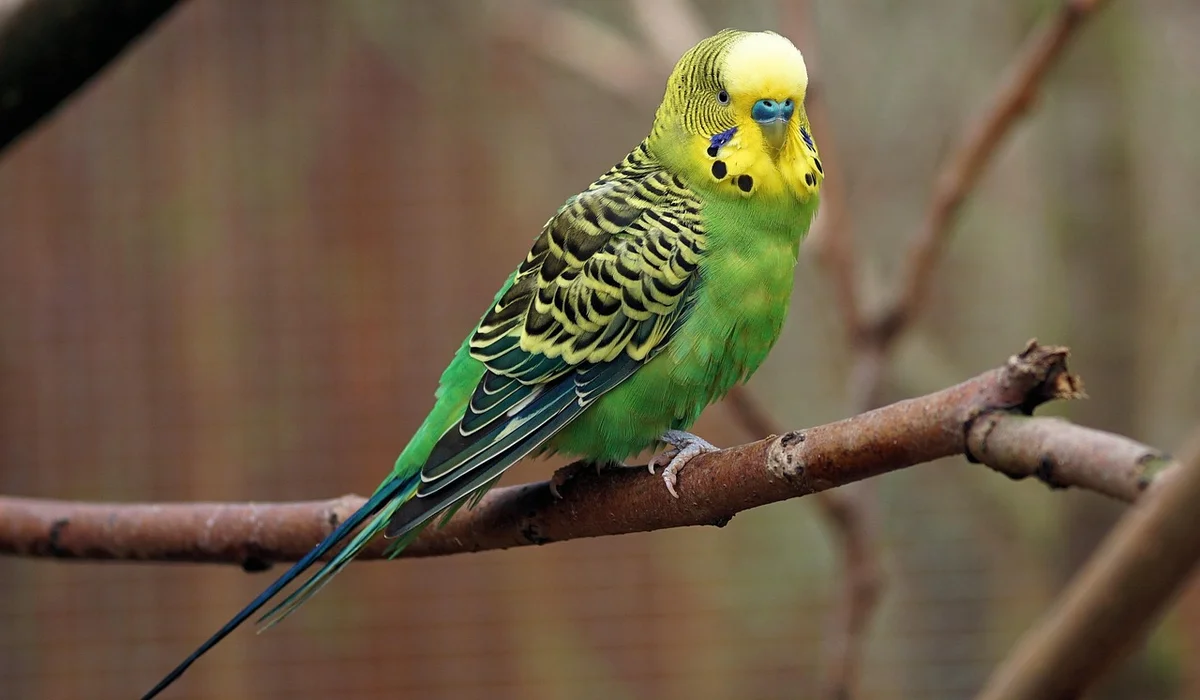
I learned the hard way with my Green-cheeked Conure, Kiwi, that sticking to just one or two favorite veggies creates nutritional gaps. Fresh foods provide essential vitamins like Vitamin A, which is critical for your parrot’s vision, skin health, and immune system function.
Bird-Friendly Greens and Veggies
Think of your parrot’s bowl like a colorful salad bar. You want to offer a rainbow of options.
- Leafy Greens: Kale, spinach, Swiss chard, and dandelion greens.
- Crunchy Veggies: Carrots, bell peppers (all colors), broccoli, and sugar snap peas.
- Other Favorites: Cooked sweet potato, zucchini, and corn on the cob.
How to Introduce a Rotating Menu
My Sun Conure, Sunny, gets bored with the same food every day, just like we do. A rotating menu prevents picky eating and ensures they get a broader spectrum of nutrients over time.
- Start Small: Introduce one new food at a time to monitor for any reactions.
- Mix and Match: Combine a familiar favorite with the new item to encourage tasting.
- Change it Up: Aim to offer at least three different vegetables and one fruit each day.
- Observe: Note which foods they devour and which they ignore, then adjust.
Common Fresh Food Mistakes
Many owners fall into these traps without realizing the long-term impact.
- Offering Limited Options: Feeding only corn or peas because it’s easy.
- Skipping Fresh Foods Entirely: Relying solely on a seed or pellet diet.
- Giving Up Too Soon: Assuming your bird “doesn’t like” a food after one refusal.
Persistence is key; it can take dozens of presentations before a cautious parrot tries something new.
Toxic Traps: Dangerous Foods to Steer Clear Of
Protecting your parrot means being a vigilant gatekeeper for their food bowl. Some common human foods are outright poisonous to birds and can cause rapid, severe illness.
Common Toxic Items and Their Risks
- Avocado: Contains persin, which can cause respiratory distress and heart failure.
- Chocolate: The theobromine is toxic, leading to vomiting, seizures, and death.
- Caffeine: Found in coffee, tea, and soda, it can cause cardiac issues and hyperactivity.
- Onions and Garlic: Can lead to anemia by destroying red blood cells.
Other Dietary Dangers
It’s not just the obviously toxic items you need to watch.
- Salt Intake: A parrot’s tiny kidneys can’t process high sodium, leading to dehydration and kidney failure.
- Processed Foods: Chips, crackers, and other human snacks are loaded with salt, fat, and artificial ingredients.
- High Sugar Content: Avoid giving sugary cereals, candy, or sweetened yogurt.
My African Grey, Sage, once snagged a tiny piece of a salted cracker, and the frantic water drinking that followed was a scary reminder of how sensitive they are.
Safe Alternatives and Emergency Steps
When in doubt, stick to known safe foods. Here’s a quick checklist of safe alternatives to offer instead.
- Fruits: Apples (no seeds), bananas, berries, and melons.
- Vegetables: The bird-friendly greens and veggies listed above.
- Grains: Cooked quinoa, brown rice, or whole-wheat pasta.
If you suspect your parrot has eaten something toxic, contact your avian veterinarian or an emergency pet poison hotline immediately—every minute counts. This is part of an emergency guide on what to do if your parrot eats something toxic. Follow the guide’s steps and keep your bird calm while you seek help.
Portion Problems: How Much and When to Feed
Getting portion sizes right feels like a daily puzzle with my flock. I use a simple kitchen scale to weigh my parrots’ food, which completely changed how I manage their diets. This method prevents both overfeeding and underfeeding far better than just eyeballing it.
Smart Portion Control Strategies
Start with these practical approaches:
- Measure food by weight rather than volume for accuracy
- Offer 1.5-2 tablespoons of pellets per 100 grams of body weight as a baseline
- Remove uneaten fresh foods after 2-4 hours to monitor actual consumption
- Keep a weekly weight log to track subtle changes
The Ideal Feeding Schedule
Parrots thrive on routine that matches their natural eating patterns. I serve two main meals daily—morning and late afternoon—which mimics their wild foraging rhythm. Here’s the schedule that works for my birds: These routines are part of a broader foraging-enrichment approach, a core element of the ultimate guide to enriching your parrot’s diet. In that guide, you’ll find practical ideas for turning meals into foraging adventures.
- 7:00 AM: Fresh pellets and water
- 12:00 PM: Vegetable chop and foraging toys
- 5:00 PM: Fresh pellets with occasional healthy treats
- Remove all food 1 hour before bedtime for digestion
Adjusting Portions for Your Parrot
My green-cheeked Kiwi needs different portions than my African Grey Sage. Consider these factors when customizing your parrot’s meals:
- Size: Smaller birds like conures need 15-25 grams daily, while larger parrots may need 50-75 grams
- Age: Growing juveniles require more calories, seniors need fewer but nutrient-dense meals
- Activity: Flighted birds need 10-20% more food than clipped birds
- Health: Breeding, molting, or recovering birds need adjusted nutrition
Supplement Smarts: Boosting Nutrition the Right Way
I learned about supplements the hard way when Sunny developed brittle feathers. Supplements should fill specific gaps, not replace a balanced diet. Used incorrectly, they can create more problems than they solve.
When and How to Use Key Supplements
Targeted supplementation makes all the difference:
- Calcium: Offer cuttlebone freely, use powdered calcium only during egg-laying or with vet guidance
- Vitamin D3: Necessary for birds without direct sunlight access, but easily overdone-consult your vet for dosage
- Probiotics: Use after antibiotic treatments or digestive issues, mixed with morning food
Avoiding Common Supplement Mistakes
The biggest error I see is owners adding multiple supplements “just in case.” This creates dangerous nutrient imbalances. Other frequent missteps include:
- Adding supplements to entire food bowls (they settle at the bottom)
- Using human supplements not formulated for birds
- Continuing supplements long-term without reassessment
- Ignoring that pellets already contain balanced nutrients
Recognizing Deficiency Signs
Watch for these subtle clues that might indicate supplement needs:
- Flaky skin or dull feathers (possible Vitamin A deficiency)
- Soft or cracked beak (calcium imbalance)
- Lethargy or weakness (various vitamin deficiencies)
- Slow feather regrowth after molting (protein or zinc issues)
Safe Supplement Incorporation
I sprinkle supplements on my parrots’ favorite moist foods to ensure they actually consume them. Try these effective methods:
- Mix powdered supplements with cooked sweet potato or mashed vegetables
- Offer liquid supplements in separate small dishes for precise monitoring
- Place cuttlebone and mineral blocks near favorite perches
- Schedule supplement “cycles”-two weeks on, two weeks off for most vitamins
Water Woes: The Overlooked Element of Hydration
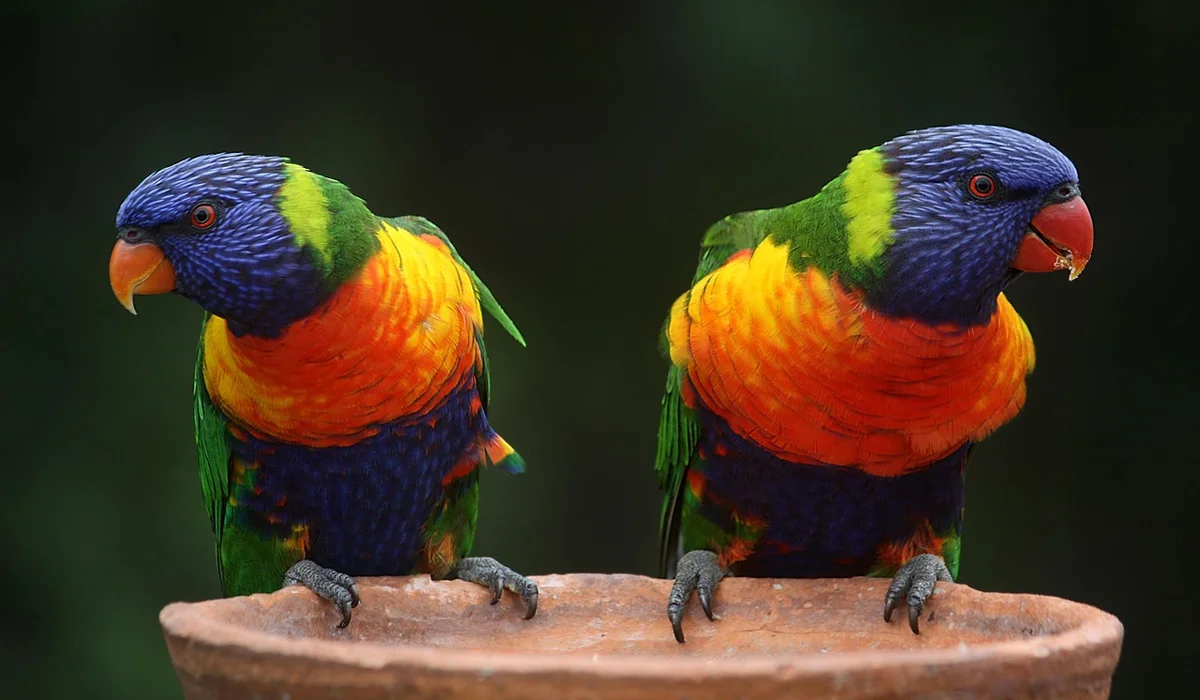
Fresh water is as vital as the food you serve, yet many owners treat it like an afterthought. Stagnant water breeds bacteria that can lead to serious digestive and respiratory infections in parrots. My Green-cheeked Conure, Kiwi, once developed a mild crop infection from a water dish I’d neglected for just two days-a hard lesson learned.
Common Water Mistakes That Harm Your Bird
- Leaving water unchanged for over 24 hours
- Using tap water with high chlorine or heavy metals
- Placing water bowls directly under perches (hello, poop soup!)
- Failing to scrub bowls daily, allowing biofilm to form
Smart Hydration Strategies That Work
I now use filtered water changed twice daily in stainless steel bowls. Position water sources away from perches and food dishes to prevent contamination. For reluctant drinkers, try adding a water fountain-the movement intrigues curious birds like Kiwi. Mist your parrot with clean water; they’ll drink droplets while preening.
Health Check Hints: Monitoring Diet Impact on Well-Being
Your parrot’s body tells stories their beak cannot speak. Weekly weight checks using a gram scale provide the earliest warning of nutritional problems. When my Sun Conure Sunny dropped 5 grams, we caught a vitamin deficiency before it became critical.
Track These Vital Signs Regularly
- Weight fluctuations (note any gain/loss over 10%)
- Feather quality (dullness or breakage signals poor nutrition)
- Energy levels and vocalization changes
- Dropping consistency and color
The Rotation Solution for Complete Nutrition
I rotate through six different vegetable mixes and three pellet brands monthly. Diet variety prevents both nutritional gaps and “food boredom” where parrots selectively eat only favorites. My African Grey Sage used to pick out all the peanuts until I started mixing new items like quinoa and chopped sweet potato. I also rely on homemade parrot food recipes that blend grains, legumes, and colorful veggies for nutritious options. These mixes are easy to batch and customize for different dietary needs.
Partner With Your Avian Vet
- Schedule wellness exams every 6-12 months
- Bring a list of everything your parrot eats
- Discuss blood work for hidden deficiencies
- Adjust diets based on age, activity level, or health conditions
When Sage developed arthritis, our vet helped create a diet rich in anti-inflammatory foods. Proactive veterinary care transforms guesswork into targeted nutritional support. Keep a health journal-those notes become priceless during emergencies.
FAQs
How often should I offer treats to my parrot?
Treats should make up no more than 10% of your parrot’s daily diet to prevent weight gain and nutritional imbalances. Offer them infrequently during training sessions or as special rewards to maintain a balanced intake. This approach supports parrot weight management and helps keep your bird within healthy weight ranges. By following these limits, you can also help prevent obesity and associated health problems.
Can parrots eat dairy products like cheese or yogurt?
Most parrots are lactose intolerant and cannot digest dairy properly, which can lead to digestive upset. Instead, provide safe alternatives like small pieces of fruit or vegetables to avoid health issues. Cucumbers can be a refreshing, low-calorie option that helps with hydration. As with any new food, introduce cucumbers gradually and monitor your parrot for any digestive upset.
What is the best way to store parrot food to maintain freshness?
Store pellets and seeds in airtight containers in a cool, dry place to preserve nutrients and prevent spoilage. Refrigerate fresh fruits and vegetables and use them within a few days to ensure they stay safe and appealing for your bird.
Feeding for a Flock-Full Future
Your parrot’s health hinges on a varied diet, steering clear of a seed-only menu and being vigilant about toxic foods like avocado, chocolate, and salty snacks. For a complete list of toxic foods parrots should avoid, consult a trusted avian veterinarian or reputable guide. Fresh water, daily vegetable offerings, and appropriate pellet portions form the foundation of a thriving bird. This balanced approach prevents nutritional deficiencies and supports a vibrant, energetic companion for years to come.
Remember, being a parrot guardian is a lifelong journey of learning and adaptation. Your commitment to understanding their unique needs, from diet to behavior, directly shapes their quality of life. Stay curious, observe your feathered friend closely, and never stop seeking new ways to enrich their world.
Further Reading & Sources
- The Best Parrot Diet (and Toxic Foods) | Best Friends Animal Society
- Feeding a Balanced Diet in practice – The Parrot Society UK
- What do parrots eat? – ExoticDirect
Suzanne Levine is a dedicated parrot enthusiast and experienced avian caregiver with over 15 years of hands-on experience in parrot care. As the founder of Parrot Care Central, Suzanne is passionate about sharing her knowledge and insights to help fellow parrot owners provide the best possible care for their feathered friends. Her expertise spans nutrition, behavior, health, and enrichment, making her a trusted resource in the parrot care community.
Nutrition