
What Do Different Parrot Sounds Mean? Your Complete Guide
Published on: December 9, 2025 | Last Updated: December 9, 2025
Written By: Suzanne Levine
Are you baffled by your parrot’s noisy outbursts, fearing you might misread their calls for attention or distress?
Drawing from my life with parrots like playful Kiwi, affectionate Sunny, and wise Sage, I’ll guide you through their vocal world. You’ll gain these insights:
- Pinpoint what specific sounds like chirps or squawks reveal about mood.
- Respond correctly to build trust and prevent stress.
- Spot warning signs that could signal health or behavior issues.
I promise straightforward advice to deepen your connection. We’ll dive into: common sounds, body language links, training steps, welfare tips.
Why Parrots Vocalize: The Basics of Parrot Sounds
Parrots make sounds for deep evolutionary and social reasons that trace back to their wild ancestors. Vocalizations help them survive and thrive in flocks by communicating needs and dangers instantly. In the wild, contact calls keep birds connected over long distances, alarm calls signal predators, and hunger calls ensure chicks get fed.
- Contact calls: My conure Kiwi uses gentle chirps to check on me when I step out of sight, just like he would with flock mates in the trees.
- Alarm calls: Sharp squawks warn of threats, and in my home, Sunny the Sun Conure lets out a loud cry if he spots a hawk outside the window.
- Hunger calls: Young parrots beg with persistent peeps, and adults might mimic this when food is late, reminding us of their natural instincts.
These sounds also build strong social bonds. When parrots vocalize together, it reinforces their relationships and reduces stress. I’ve seen Sage, my African Grey, respond to my voice with soft mutters, creating a sense of companionship that mirrors wild flock interactions.
Vocalizations can mark territory too. In captivity, parrots might use calls to assert space, especially around favorite spots or toys. Kiwi sometimes chirps loudly near his cage to show it’s his domain, a behavior I gently redirect with positive reinforcement.
Decoding Common Parrot Sounds and Their Meanings
Understanding parrot sounds lets you respond to their emotions and needs more effectively. Each noise has a purpose, from expressing joy to signaling distress. Here’s a quick guide based on my years with parrots like Sunny and Sage.
| Sound | Meaning | Example from My Flock |
|---|---|---|
| Squawk | Alarm, fear, or attention-seeking | Kiwi squawks when he’s startled by a loud noise, urging me to check on him. |
| Whistle | Happiness or social connection | Sunny whistles a cheerful tune when I enter the room, showing he’s excited to see me. |
| Chatter | Contentment or practice for mimicry | Sage chatters softly while preening, a sign he’s relaxed and engaged. |
| Mimicry | Learning, bonding, or boredom relief | Sage copies my laugh to join in the fun, strengthening our bond through interaction. |
Different species have unique vocal styles. African Greys like Sage excel at complex mimicry, while conures such as Sunny prefer loud, expressive calls. Observing these differences helps you tailor care to each bird’s personality.
Squawks and Screams: Alarm or Attention?
Squawks and screams can mean your parrot is scared, bored, or just wants your focus. Assess the context by looking at their body language and environment to pinpoint the cause. For instance, if Kiwi screams while staring out the window, he might see a threat, but if he does it when alone, he could be lonely.
Follow these steps to handle excessive screaming:
- Check for immediate dangers like predators or loud noises that might scare them.
- Observe their posture-fluffed feathers or wide eyes often signal fear.
- Provide enrichment like puzzles or toys to curb boredom-driven noise.
- Stick to a daily routine to reduce anxiety and build trust over time.
Ignoring attention-seeking screams and rewarding quiet behavior with treats can gradually reduce the noise. I’ve used this approach with Sunny, and now he uses softer chirps to get my attention instead of loud yells.
Whistles and Chirps: Happy Social Sounds
Whistles and chirps usually mean your parrot is content and eager to connect. These sounds are like a friendly greeting that strengthens your bond and shows they feel safe. Sunny’s morning chirps always brighten my day, signaling he’s ready to play and interact.
Encourage these happy noises with simple interactions:
- Whistle back to engage in a “conversation” that makes them feel included.
- Offer favorite toys or treats when they chirp to reinforce positive behavior.
- Spend quality time together, like sitting near their cage while reading or talking.
Regular social time helps parrots express joy through sound, much like they would in a wild flock. I’ve noticed Kiwi chirps more when I mimic his noises, creating a fun back-and-forth that deepens our relationship.
Mimicry and Talking: Learning and Interaction
Parrots mimic sounds to learn, bond, and sometimes combat boredom. Species like African Greys are pros at talking, while others, like conures, might stick to simpler noises. Sage amazes me by repeating phrases in context, like saying “hello” when guests arrive, which shows his intelligence and desire to interact.
Use positive reinforcement to encourage mimicry:
- Repeat words or sounds clearly and reward attempts with praise or snacks.
- Keep sessions short and fun to avoid frustration-just a few minutes daily works wonders.
- Pay attention to context; if Sage mimics a sad tone, he might be picking up on my mood and seeking comfort.
Mimicry can indicate strong bonding, but if overdone, it might signal boredom-so always pair it with mental stimulation. I give Sage foraging toys to keep his mind active, reducing repetitive mimicry from lack of engagement.
Other Sounds: Growls, Coughs, and More
Growls, coughs, and other unusual sounds might point to health issues or defensive behavior. Growls often mean your parrot feels threatened, while coughs could hint at respiratory problems. When Sage lets out a low growl, I step back to give him space, as it’s his way of saying “back off.”
Follow these steps to interpret and monitor odd vocalizations:
- Note the frequency-occasional growls may be normal, but persistent coughs need a vet check.
- Watch for other symptoms like lethargy or loss of appetite that accompany the sound.
- Provide a calm environment to reduce stress-induced noises, and consult an avian expert if unsure.
Early detection of health issues through sound can save your parrot from discomfort, so always take strange noises seriously. I once caught Kiwi’s subtle cough early, and a quick vet visit cleared up a minor infection before it worsened. That kind of early warning is the focus of our complete guide on the most common parrot health concerns. It helps owners know which signs warrant a vet visit before issues escalate.
Reading Body Language with Parrot Sounds
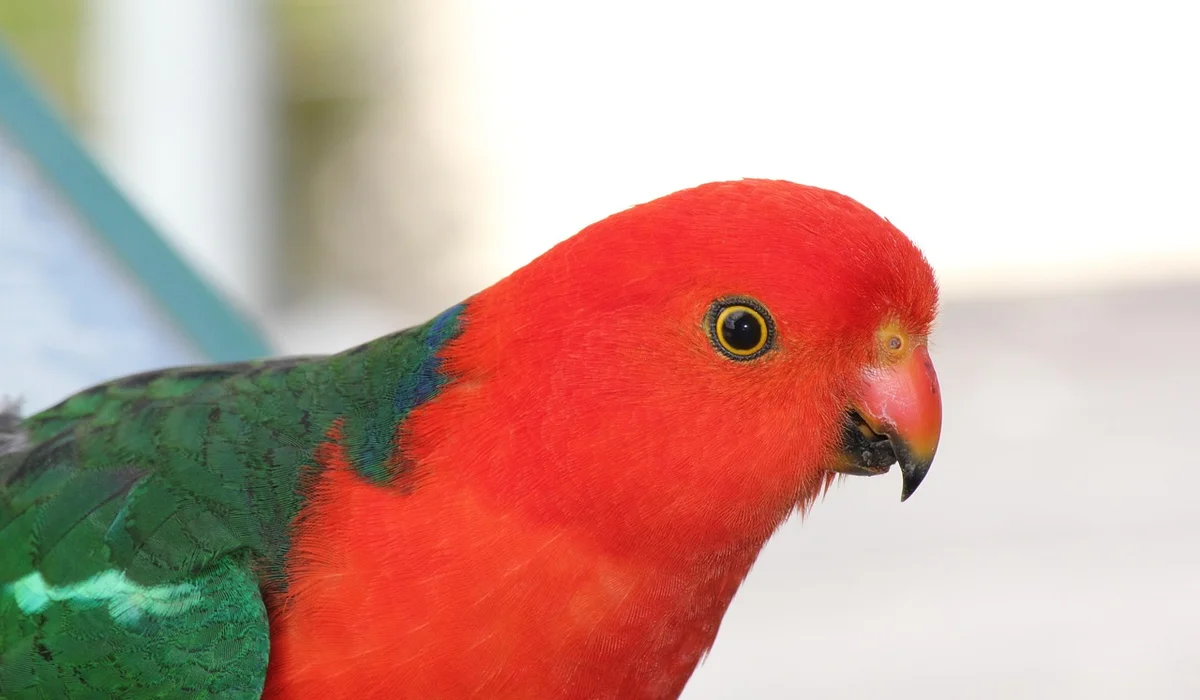
You can’t truly understand what your parrot is saying by sound alone. Their body language provides the essential context that turns chirps and squawks into a full conversation. I’ve spent countless hours just watching my flock, and the way their feathers, eyes, and posture shift with their voices tells the real story.
Think of it like this: the sound is the ‘what,’ and the body language is the ‘why.’ A single squawk could mean excitement or alarm, and you’ll only know the difference by looking at your bird. Learning to read these combined signals is the key to building a deep, trusting bond with your feathered friend.
How Sounds and Postures Tell a Story
Let me give you an example from my own home. My Green-cheeked Conure, Kiwi, makes a specific chattering sound. If he’s fluffed up and slowly bobbing his head, he’s content and ready for a nap. But if he makes that same sound with sleek feathers, pinned eyes, and a tense stance, he’s spotted something suspicious outside the window and is sounding a mild alert. The exact same vocalization carries two completely different meanings based on his physical state.
Another classic is fear. A scared parrot often pulls its feathers in tight to its body, making itself look smaller. It might crouch low. The sounds accompanying this are usually sharp, high-pitched shrieks or an unnerving silence. This combination of a shrunken posture and distressed noise is a clear cry for help and reassurance.
Common Body Language and Sound Pairings
Here is a quick-reference guide to some of the most frequent combinations you’ll see and hear.
- Feather Ruffling with Soft Chattering: This is a parrot’s version of a contented sigh. They are relaxing, often preening a bit, and the sounds are calm. I see this every evening with my Sun Conure, Sunny, right before she tucks her head under her wing.
- Eye Pinning with Loud, Sharp Calls: When a parrot’s pupils rapidly constrict and dilate (pinning), pay attention! Paired with excited screeches, it often means high excitement or agitation. My African Grey, Sage, does this when I bring out a new, intriguing toy.
- Wing Stretching with a Single Chirp: This is a classic “good morning” or “I’m stretching” gesture. It’s a sign of a comfortable, happy bird just going about its day.
- Head Bobbing with Repetitive Sounds: A bobbing head and sounds like “step-up” or whistles usually mean “I’m happy! Pay attention to me! Let’s interact!” It’s a very common playfulness signal.
- Crouching with Low Growls: This is a serious “back off” warning. The body is low and ready for action, and the sound is a clear threat. Respect this signal immediately to avoid a bite.
- Regurgitation Movements with Soft Warbling: This is a sign of ultimate affection. Your parrot considers you its mate and is trying to “feed” you. While flattering, it’s best to gently discourage this behavior to avoid hormonal issues.
How to Respond to Your Parrot’s Vocalizations
Learning your parrot’s language is one thing, but knowing how to answer back is what truly builds your bond. Your consistent and thoughtful responses teach your parrot what kind of communication works and what doesn’t. That same dynamic is at the heart of positive reinforcement training for parrots—rewarding the right sounds and responses to encourage more of them. With Kiwi, I’ve found that pairing rewards with the right feedback speeds learning and strengthens trust. I’ve learned this firsthand with my green-cheeked conure, Kiwi, whose sounds run the gamut from sweet to screechy.
Actionable Steps for Common Scenarios
Different sounds require different strategies. Your reaction in the moment is a powerful training tool.
For Attention-Seeking Screams
This is a big one for many parrot owners. Your instinct might be to yell back or rush over, but that rewards the noise. Use calm, consistent cues instead of shouting, and your parrot can learn to modulate its sounds. When your parrot learns to manage noise, it helps reduce stress for everyone at home.
- Ignore it completely. Do not look at your bird, speak to them, or react. Turn your back if you need to.
- Wait for a moment of quiet, even just a few seconds, then immediately give them the attention they want.
- This teaches them that silence, not screaming, gets your focus. It’s tough, but consistency is everything.
For Happy Chirps and Chatter
These are the sounds you want to encourage! They mean your parrot is content and feeling social.
- Reward this positive vocalization immediately. I often respond to Kiwi’s happy chirps by chirping back, offering a small piece of a walnut (his favorite), or giving him a quick head scratch.
- This positive reinforcement strengthens your connection and makes them more likely to use these pleasant sounds.
For Alarm or Fear Calls
A sharp, loud squawk often means your bird is startled or scared.
- Stay calm and speak in a soft, reassuring voice. I’ll often say, “It’s okay, Kiwi, you’re safe.”
- Investigate the cause if you can-was it a sudden shadow, a new object, or a loud noise outside?
- Your calm demeanor shows your parrot there is no real danger, helping them feel secure.
Enrichment and Training for Healthy Vocal Habits
Boredom is a major cause of problem screaming and feather plucking. A busy, engaged parrot is a quiet, happy parrot. If you’re wondering why your parrot is bored, it’s usually a sign they need more mental and physical stimulation. I can help with practical enrichment ideas and daily routines to keep them engaged.
Create a Stimulating Environment
Based on my routine with Kiwi, enrichment is a daily must.
- Rotate toys frequently. I swap out Kiwi’s toys every few days to keep his environment novel and interesting.
- Provide foraging opportunities. Hide treats in cardboard boxes, paper bags, or specialized foraging toys. This makes them work for their food, mimicking natural behavior.
- Offer destructible toys made of bird-safe wood, palm leaves, or cardboard. Letting them shred things is a great outlet for energy.
Use Training Cues
Short, positive training sessions build trust and mental stamina.
- Keep sessions to 5-10 minutes to prevent frustration.
- Use a high-value treat they only get during training.
- Work on simple commands like “step-up.” Reward them for calm, quiet behavior during the process.
- Training isn’t about tricks; it’s about building a language of mutual understanding with your bird.
Patience and Consistency for Animal Welfare
Changing vocal habits takes time. A parrot doesn’t scream to be malicious; they are simply using the only tool they have to communicate a need. If your parrot has suddenly stopped talking, it could be due to vocal changes, health, or stress that affect their ability to express themselves. Understanding vocal changes can help you identify why your parrot stopped talking and what you can do about it.
Responding with patience and consistency is the cornerstone of ethical parrot care. Yelling or punishing a scared or frustrated bird only breaks their trust and can worsen behavioral issues.
Remember, you are their entire world. Your calm, predictable responses create a foundation of safety and happiness for them. It’s a commitment, but the reward-a harmonious relationship with a feathered friend who trusts you completely-is worth every moment.
When Parrot Sounds Signal a Problem
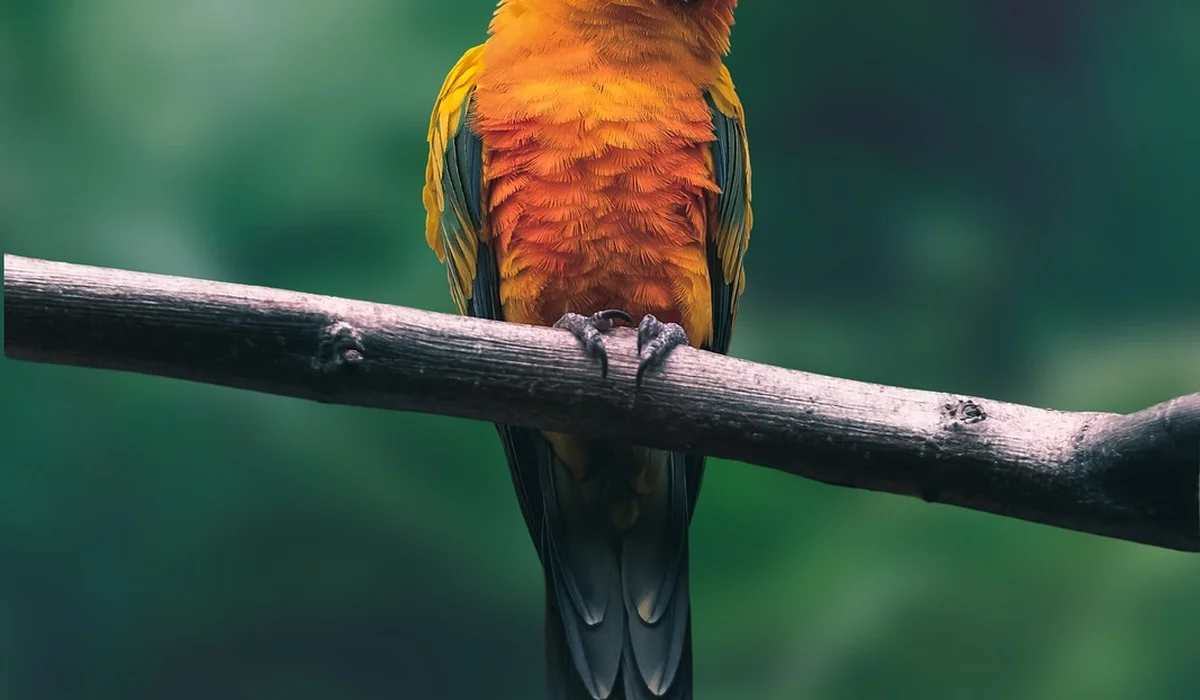
While most parrot chatter is normal, some sounds are red flags. Your parrot’s voice is a powerful health barometer, and sudden shifts often mean something is wrong. I learned this when my Green-cheeked Conure, Kiwi, started making a strange, repetitive clicking sound I’d never heard before-it turned out to be a sign of a respiratory issue.
Sounds That Warrant a Closer Look
- Persistent, Monotonous Screaming: This isn’t the loud “I’m here!” call. It’s a frantic, distressed noise that goes on and on, often signaling boredom, fear, or a need for attention that isn’t being met.
- Wheezing, Clicking, or Gurgling: Any sound that seems to come from the chest or nostrils, especially if accompanied by tail bobbing, can point to a serious respiratory infection.
- A Sudden Loss of Voice or Change in Tone: If your normally chatty bird goes quiet or their voice sounds hoarse, it’s a major cue to pay attention.
- Night Fright Screeches: The occasional night noise can happen, but frequent, panicked screams in the dark suggest your parrot isn’t feeling safe in its environment.
When to Call the Professionals
It’s always better to be safe than sorry with our feathered friends. Any sound linked to labored breathing is a veterinary emergency that cannot wait. Here’s a quick guide on when to seek help.
- Contact an Avian Vet Immediately For:
- Wheezing, clicking, or gasping sounds.
- A sudden, complete loss of vocalization.
- Sounds of distress paired with lethargy or fluffed-up feathers.
- Consult a Certified Behaviorist For:
- Constant screaming that doesn’t resolve with environmental changes.
- New, aggressive sounds directed at people or other pets.
- Vocalizations that seem driven by anxiety or fear.
Age plays a role, too. An older parrot developing a raspy voice might be experiencing age-related changes, but a vet should still rule out other causes. My African Grey, Sage, started making softer, more tentative calls around age seven, which was just a normal part of his maturity.
My Routine for Sound Monitoring
I make it a habit to really listen to my flock every day. Building a mental library of your parrot’s normal sounds is the single best way to spot a problem early. I spend five minutes each morning just observing their baseline chatter. This routine forms the backbone of the ultimate parrot problem diagnostic guide. It feeds into a simple step-by-step troubleshooting checklist you can follow when you notice a change.
- Note the volume, pitch, and rhythm of their everyday contact calls and happy chirps.
- Watch their body language while they vocalize. A happy sound with pinned eyes and aggressive posture isn’t so happy after all.
- Keep a simple log if you hear something new or odd. Jot down the time of day and what was happening around them. This information is gold for your vet or behaviorist.
This simple practice helped me catch Kiwi’s respiratory issue quickly. Catching a subtle change in your parrot’s voice can make all the difference in getting them the help they need.
Species Differences in Parrot Vocalizations
Every parrot species has its own vocal fingerprint, a unique dialect shaped by their wild origins and social structures. Learning your parrot’s native “language” is the first step to truly understanding their emotional world. Do parrots understand human language? They can mimic words and phrases and often respond to human cues, but their comprehension relies on association and context rather than true linguistic understanding.
How Species Shape Sound
From the masterful mimic to the cheerful chatterbox, each bird brings something special to the conversation.
- African Greys are the intellectuals of the parrot world. My African Grey, Sage, doesn’t just mimic words; he uses them in context. He’ll see me preparing dinner and say, “That smells good,” a skill rooted in their complex social flocks where learning specific calls is vital.
- Conures are the expressive extroverts. My Green-cheek, Kiwi, has a whole repertoire of soft, conversational warbles. In contrast, my Sun Conure, Sunny, has a powerful, high-pitched contact call he uses to check on the flock’s location, a sound that can be startling if you’re not prepared for it.
- Senegal Parrots and other Poicephalus species are often quieter. They communicate with more subtle whistles, chuckles, and soft mumbles, preferring intimate conversation over loud proclamations.
The Role of Age and Personality
A parrot’s voice evolves throughout their life, colored deeply by their individual character.
Young parrots are like toddlers, experimenting with sounds and finding their voice. Kiwi, my 3-year-old conure, went through a phase of producing bizarre, gurgly noises as he practiced. Older parrots, like my 8-year-old Sage, have a more refined and consistent vocabulary.
Personality is the real wild card. A shy Senegal might whisper its sounds, while a bold one belts them out. Sunny, my social Sun Conure, vocalizes constantly to include everyone in his “flock.” Kiwi, the curious one, makes inquisitive little peeps when he’s investigating something new.
Adapting to Your Parrot’s Communication Style
Your job is to become a student of your specific bird’s habits and sounds.
- Identify the “Happy Sounds.” Learn the difference between contented chatter (like Kiwi’s soft warbles) and calls of distress. This helps you respond appropriately to their emotional state.
- Respect Their Natural Volume. Don’t expect a naturally loud species like a Sun Conure to be as quiet as a Senegal. Provide them with a space where their natural calls won’t cause stress in your household.
- Talk Back in Their Language. I often whistle back to Kiwi’s contact calls to reassure him I’m nearby. For Sage, I use clear, conversational English. Engaging with their preferred style of communication builds a stronger bond.
Patience and observation are your most valuable tools for cracking the code of your parrot’s unique dialect.
FAQs
Why is my parrot so quiet?
A quiet parrot could simply be content and relaxed, especially if it’s a naturally quieter species like a Senegal. However, a sudden loss of voice or change in usual chatter can signal illness or stress and warrants a vet visit.
What does it mean when my parrot makes sounds at night?
Occasional soft sleep sounds are normal, but frequent, panicked screeches often indicate night frights. Ensuring your parrot’s sleeping area is safe, dark, and quiet can help prevent these stressful episodes.
Can my parrot’s mimicry reflect my emotions?
Yes, parrots are highly perceptive and may mimic tones of voice, like laughter or sadness, as a way to bond with you. This shows they are tuned into your emotional state and seeking connection. If you want to know when your bird is happy, look for 10 key signs. We’ll cover how to tell if your parrot is happy, highlighting these indicators.
How can I use sounds to bond with my new parrot?
Start by softly whistling or speaking to your parrot to build a foundation of trust without pressure. Responding positively to their happy chirps and contact calls reinforces your relationship and makes them feel secure. These bonding techniques that work build a steady routine and deepen trust. With patient, daily practice, you’ll see your parrot grow more confident and bonded.
Is it possible to train my parrot to be quieter?
Yes, you can train quieter habits by ignoring loud, attention-seeking screams and rewarding calm behavior with treats or praise. Providing ample mental enrichment and a consistent routine also reduces boredom-related noise.
Closing the Loop
Learning to understand your parrot’s unique soundscape is one of the most rewarding parts of sharing your life with them. Remember, context is everything-a single squawk can mean “I’m scared!” or “I’m so happy to see you!” depending on the situation and your bird’s body language. Pay close attention, be patient, and you’ll start to decode their fascinating vocal world.
Caring for a parrot is a lifelong commitment to learning and adapting to their complex needs. Beyond just interpreting sounds, I urge you to provide a spacious cage, a nutritious diet, regular vet check-ups, and plenty of safe toys for mental stimulation. Cage requirements—especially size, perch layout, and enrichment—depend on the parrot’s species and size. Choose the cage accordingly to match their wingspan and activity level. Always prioritize their welfare, and your bond will only grow deeper and more meaningful.
Further Reading & Sources
- Parrot Sounds | Parrot Sounds | Parrots | Guide | Omlet US
- Decipher Your Pet Parrot’s Vocalizations – Pet Birds by Lafeber Co.
- A dictionary of parrot sounds | Off the Wall
Suzanne Levine is a dedicated parrot enthusiast and experienced avian caregiver with over 15 years of hands-on experience in parrot care. As the founder of Parrot Care Central, Suzanne is passionate about sharing her knowledge and insights to help fellow parrot owners provide the best possible care for their feathered friends. Her expertise spans nutrition, behavior, health, and enrichment, making her a trusted resource in the parrot care community.
Socialization