
How Hormonal Behavior and Menstruation Affect Parrots
Published on: April 27, 2026 | Last Updated: April 27, 2026
Written By: Suzanne Levine
Has your parrot been acting unusually aggressive, moody, or withdrawn lately? You might be worried these shifts are tied to hormones or even questioning if birds experience menstruation like humans do.
From my years caring for parrots like Kiwi and Sunny, I’ve seen firsthand how hormonal changes can puzzle owners. I’ll help you navigate this by breaking down three key areas: what hormonal behavior looks like, common myths about bird menstruation, and simple ways to support your parrot’s well-being.
You’ll get straightforward, practical advice to handle these phases with confidence. Topics covered include: recognizing hormonal signs, effective management strategies, debunking menstruation myths, and promoting animal welfare.
What Is Parrot Hormonal Behavior?
Think of hormonal behavior as bird puberty, where natural chemicals in their body shift their actions and moods dramatically.
Hormones drive everything from nesting urges to sudden vocal changes.
- Kiwi, my Green-cheeked Conure, started shredding every paper she could find to build a nest.
- Sunny, my Sun Conure, became extra cuddly but also more protective of her favorite spots.
- Quaker parrots often get territorial, guarding cages or food bowls fiercely.
- On Reddit, many owners share stories of their birds getting louder or trying to “mate” with toys.
Do Female Parrots Menstruate? Avian Cycles Explained
Parrots do not have menstrual cycles like humans or other mammals.
Instead, female parrots experience egg-laying cycles, which can include false pregnancy where they act broody without an egg. Unlike mammals, parrots do not give live birth.
- Calcium metabolism is crucial; hens pull calcium from their bones to form eggshells.
- Vitamin D helps their bodies use that calcium properly for strong, healthy eggs.
- Unlike human periods, there’s no monthly bleeding-just potential egg production and related behaviors.
Signs Your Parrot Is Hormonal: From Aggression to Nesting
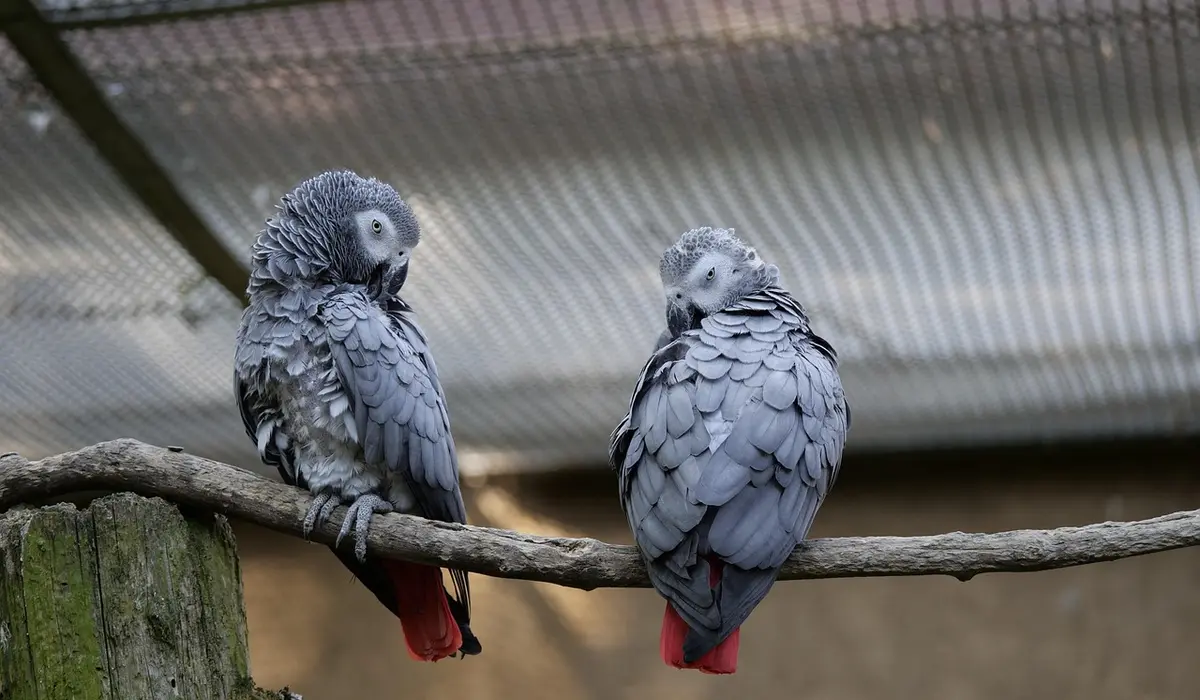
Spotting hormonal behavior early can save you both a lot of stress. I’ve learned to watch for subtle shifts in my flock’s daily routines, as these are often the first whispers of a hormonal surge.
- Feather Plucking or Shredding: This isn’t just about boredom. My conure, Kiwi, will meticulously shred paper when she’s feeling hormonal, creating a makeshift nest.
- Sudden Aggression: A sweet bird can become fiercely territorial. My sunny conure, Sunny, once adored head scratches but during a hormonal phase, she’d lunge at fingers approaching her cage.
- Appetite Fluctuations: They might eat significantly more or lose interest in food entirely. I’ve seen Kiwi pack away extra seeds, while Sage, my African Grey, sometimes picks at her veggies.
- Vocalization Changes: Expect louder, more frequent calls or even new, demanding sounds. It’s their way of claiming territory and seeking a mate.
- Regurgitation: This is a classic mating behavior. They’ll bob their head and bring up food, offering it to you, a favorite toy, or even a corner of their cage.
- Nesting Behaviors: They might start tucking themselves into dark, enclosed spaces or obsessively gathering materials. I once found Kiwi trying to stuff my shoelaces into a cupboard!
Male vs. Female Hormonal Displays
The signs can vary dramatically between the sexes. Understanding these differences helps you tailor your response and provide the right kind of support for your specific bird.
- Male Parrots: Often become more vocal and showy. They might strut, pin their eyes, and engage in more frequent regurgitation as a courtship ritual. Their aggression can be flashy and direct.
- Female Parrots: Tend to focus on nesting. They become secretive, seeking out dark spots and may start laying eggs, even without a mate. Their aggression is often more defensive, protecting a space they’ve claimed as a nest.
My African Grey, Sage, shows her cycles in a uniquely calm way. She becomes quieter, more contemplative, and spends hours gently prepping a specific corner of her cage, a stark contrast to the conures’ dramatic performances. It’s a reminder that every parrot is an individual.
How Long Does Hormonal Behavior Last in Parrots?
There’s no single answer, as it’s a dance between biology and environment. In my experience, a typical intense phase can last anywhere from a few weeks to a couple of months, depending on the trigger.
- Seasonal Breeders: For many parrots, spring is the main event. This natural hormonal peak, driven by longer daylight hours, can sustain behaviors for several weeks.
- Environmental Triggers: If your home provides constant “spring-like” conditions-plenty of food, warm temperatures, and over 12 hours of light-the behavior can persist much longer.
- Species Variation: Smaller parrots like budgies might cycle through phases more quickly, while larger parrots like macaws can have prolonged hormonal periods.
Factors That Influence Duration
Several key elements determine how long you’ll be navigating these choppy waters. Managing these factors is your most powerful tool for shortening the hormonal season.
- Photoperiod (Daylight Hours): This is the biggest driver. More light signals the brain it’s time to breed.
- Diet: An abundance of rich, fatty foods (like seeds and nuts) mimics the plentiful food of breeding season, fueling hormonal behavior.
- Availability of Nesting Sites: Any cozy, dark space can encourage a female to lay eggs and enter a brooding phase, extending the cycle.
- Affectionate Petting: Stroking a bird’s back or under the wings is highly stimulating and can prolong hormonal states.
Timelines for Egg Laying and Brooding
For females, the timeline becomes more defined once egg-laying begins. Watching Sunny go through this taught me the importance of a predictable schedule.
- Egg Laying Phase: A clutch is typically laid one egg every other day. This phase itself usually lasts about a week to ten days.
- Brooding Phase: After the last egg is laid, a hen will sit on them almost constantly. This incubation period lasts about 3-4 weeks for most common pet parrot species.
- Total Cycle: From the start of nesting behavior to when she finally abandons the infertile eggs, you’re looking at a commitment of 5-8 weeks of intense, focused behavior.
Caring for my diverse flock has shown me these timelines aren’t set in stone. Kiwi’s hormonal bouts are short and fiery, while Sage’s are long and low-burning, proving that personality is just as important as species.
Managing Hormonal Parrots: Tips for Pet Owners
Living with a hormonal parrot feels like riding an emotional rollercoaster with a feathery friend. My Green-cheeked Conure, Kiwi, gets extra nippy and territorial during her cycles, so I’ve learned to tweak our routine. Small changes make a huge difference in keeping the peace.
Reduce Environmental Triggers
Parrots are super sensitive to their surroundings. Start by controlling light exposure-aim for 10-12 hours of darkness daily to mimic natural seasons and curb hormone production. I use blackout curtains for my flock, and it really helps. For a more complete approach, see the ultimate guide to full-spectrum lighting for parrots, which explains how to balance intensity, duration, and UV exposure to support health. It also covers practical setup and safety tips.
- Adjust lighting with timers to maintain consistent day/night cycles.
- Remove or block cozy, dark spaces like boxes, drawers, or fabric huts that scream “nesting spot!”
- Avoid petting your parrot’s back or wings, which can stimulate mating behavior.
- Rearrange cage toys and perches weekly to disrupt territorial claims.
Channel That Energy into Fun Activities
Hormonal energy needs an outlet, or it turns into frustration. I give Kiwi foraging toys stuffed with treats-she stays busy for hours, and her mood improves dramatically. Mental stimulation is your best ally.
- Introduce puzzle feeders or shreddable toys to engage their brains.
- Teach new, simple tricks like “turn around” or “wave” to reinforce positive interactions.
- Offer supervised out-of-cage playtime on a gym or play stand to burn off steam.
- Rotate toys frequently to prevent boredom and reduce fixation on nesting.
Navigate Training and Bonding Hurdles
When hormones flare, your parrot might act distant or defiant. Patience is key; I’ve found short, positive training sessions work better than forcing interactions during this time. Bonding doesn’t have to suffer-just adapt.
- Stick to basic commands they already know to build confidence.
- Use high-value rewards like a bit of fruit or nut to encourage cooperation.
- Respect their space if they seem overstimulated-back off and try again later.
- Maintain a calm, predictable routine to reduce anxiety and strengthen trust.
Quaker Parrot-Specific Strategies
Quakers are notorious nest builders and can get extra feisty. I’ve seen Quakers at rescues pluck feathers or guard cages aggressively, so proactive management is a must. Tailor your approach to their quirks.
- Limit access to nesting materials like paper, straw, or string they might hoard.
- Provide plenty of chewing toys to satisfy their urge to build and destroy.
- Monitor for excessive vocalizations or cage territoriality-intervene early with distractions.
- Consult an avian vet if behavior escalates, as Quakers are prone to chronic egg-laying.
Health Risks of Hormonal Cycles in Parrots
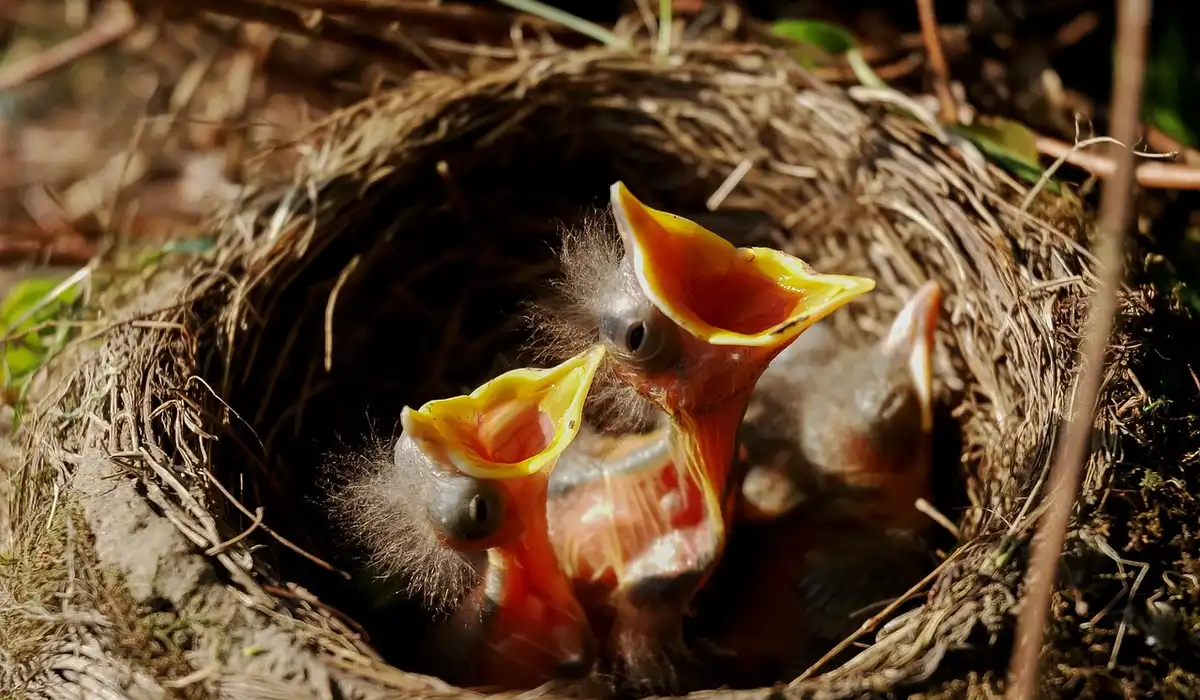
Ignoring hormonal signs can lead to serious health scares. I rushed my Sun Conure, Sunny, to the vet once for lethargy-it was early egg binding, and quick action saved her. Knowing the risks helps you protect your bird.
Common Dangers to Watch For
Hormonal imbalances aren’t just behavioral; they strain your parrot’s body. Egg binding, where an egg gets stuck, is a life-threatening emergency requiring immediate vet care. Other issues creep up slowly but are just as concerning.
- Egg Binding: Look for straining, fluffed feathers, weakness, or loss of appetite.
- Irregular Molt: Stress can cause patchy feather loss or delayed regrowth.
- Calcium Deficiency: Frequent egg-laying depletes reserves, leading to brittle bones.
- Stress-Related Illness: Weakened immunity may trigger infections or digestive problems.
Prevention Through Smart Habits
Proactive care minimizes these risks. Adjusting diet and habitat is your first line of defense-I add calcium supplements to my African Grey Sage’s food during her cycles. Simple steps add up to big protection.
- Offer a balanced diet low in fat and sugar-skip excessive seeds or sugary fruits.
- Provide cuttlebone or mineral blocks for easy calcium access.
- Ensure proper humidity and temperature to support overall health.
- Create a low-stress environment with quiet spaces and routine interactions.
When Hormones Hint at Bigger Problems
Sometimes, hormonal behavior masks underlying issues. If your parrot’s cycles seem endless or overly intense, it could signal ovarian tumors or thyroid disorders. Don’t brush off persistent changes. These are among the common health issues that can affect a parrot’s lifespan if left unchecked. Early diagnosis and timely treatment can help extend their years.
- Watch for constant nesting attempts year-round, not just seasonally.
- Note any weight loss, vomiting, or changes in droppings alongside hormonal signs.
- Be alert for aggression that doesn’t resolve with environmental tweaks.
- Trust your gut-you know your bird best, so act fast if something feels off.
Veterinary Care for Early Intervention
Regular check-ups catch problems before they escalate. I take my parrots for annual exams, and my vet checks for hormonal red flags like enlarged ovaries or poor feather quality. Practice gentle handling at home to help your bird stay calm during the visit. Ask your vet for tips on safe handling and calming techniques. Team up with your vet for peace of mind.
- Schedule wellness visits at least yearly, or biannually for older birds.
- Discuss hormone-testing options if behavior is severe or unexplained.
- Ask about safe, temporary interventions like Lupron injections for chronic issues.
- Keep a behavior log to share with your vet-details help pinpoint causes.
When to Call the Vet for Hormonal Issues
While most hormonal behavior is a natural, passing phase, some situations demand professional help. You know your feathered friend best, so trust your gut if something feels off. My conure, Kiwi, once went through a particularly rough patch that taught me to spot the warning signs early.
Red Flags You Should Never Ignore
Some behaviors are more than just a mood swing; they’re a cry for help. Watch for these specific signs:
- Prolonged Aggression: A few grumpy days are normal, but if your normally sweet parrot remains consistently aggressive for over a week, it’s a signal.
- Signs of Egg Binding: This is a medical emergency. Look for straining, a swollen abdomen, lethargy, weakness, or fluffed-up feathers for an extended period.
- Drastic Weight Changes: A sudden loss or gain in weight can be linked to underlying health problems exacerbated by hormonal stress.
- Excessive Screaming or Self-Mutilation: Hormonal frustration can manifest as relentless, distressed vocalizations or feather plucking focused on the chest area.
How to Prepare for Your Vet Visit
Walking into the vet’s office prepared makes the visit smoother and more productive. I always bring a “behavior log” now.
- Keep a simple diary for 3-5 days before your appointment.
- Note the timing, triggers, and duration of hormonal behaviors.
- Record details about diet, sleep patterns, and any physical changes.
This information is pure gold for your avian vet. A detailed log turns your observations into actionable data, helping the vet pinpoint the issue faster.
What to Include in Your Behavior Log
| Date & Time | Behavior Observed | Possible Trigger |
| April 10, 7:00 PM | Biting when hand approached cage | Seeing a favorite toy |
| April 11, all day | Fluffed up, sitting at cage bottom | None observed |
The Value of Regular Check-Ups
Don’t wait for a crisis to schedule a vet appointment. Proactive health checks during your parrot’s known peak hormonal cycles can catch small issues before they become big problems. For my sun conure, Sunny, whose cycles are very predictable, we do a wellness check right as her behavior starts to shift. This gives us a baseline and peace of mind. Annual vet checkups are a cornerstone of a parrot’s preventative care. Regular exams help catch issues early and guide you through a proactive care plan.
A Personal Vet Experience That Changed My Perspective
I learned the hard way with Kiwi. She became intensely possessive of a hut and started plucking her feathers. I thought it was just a bad phase. Our avian vet didn’t just look at her; she asked about our home routine. Turns out, a combination of long daylight hours from a nearby lamp and that cozy hut had sent her hormones into overdrive. The vet’s outside perspective and targeted questions uncovered the root cause I was too close to see. We adjusted her environment, and with the vet’s guidance, she was back to her playful self in a few weeks.
That experience taught me that vets are partners in parrot care. They have the clinical knowledge to interpret what our bird’s behavior is truly saying. When behavioral issues arise, seeking professional help can provide clarity on underlying causes and practical guidance. A vet or avian behaviorist can tailor a plan for your specific parrot.
Common Questions
What is parrot hormonal behavior?
Hormonal behavior in parrots is a natural cycle driven by chemical changes that influence their actions and moods. This can manifest as increased aggression, nesting instincts, or vocal changes as their bodies respond to internal and environmental cues. This is a natural part of the parrot’s life cycle. Understanding these changes helps caregivers support birds through different life stages.
What is parrot hormonal behavior on Reddit?
On Reddit, parrot owners frequently share personal stories of their birds exhibiting behaviors like sudden aggression or attempting to mate with toys. These community discussions offer real-world examples and peer support for navigating these challenging phases.
What is quaker parrot hormonal behavior?
Quaker parrots often display strong territorial instincts, fiercely guarding their cage or food bowls during hormonal periods. They may also engage in intense nest-building activities, obsessively gathering and shredding materials. This nesting drive is a defining part of their temperament, as explained in this article, and it reveals why their nesting behavior can be so intense. Understanding these tendencies also helps owners provide safe enrichment and manage nesting-related stress.
What are quaker parrot hormonal behavior problems?
Problematic behaviors in hormonal Quaker parrots can include chronic egg-laying and severe feather plucking due to frustration. Their strong territorial nature can also escalate to persistent aggression that is difficult to manage. To address this, identifying the root causes of aggression is essential. Triggers such as hormonal cycles, environmental stress, or unmet social needs can help explain why your parrot is being aggressive and guide targeted strategies.
What is quaker parrot hormonal behavior on Reddit?
Reddit users often seek advice for managing their Quaker parrot’s specific issues, such as excessive vocalizations or cage territoriality. The platform serves as a space to find tailored strategies and reassurance from other Quaker owners facing similar challenges.
Navigating Parrot Hormones Together
Remember, your parrot’s hormonal behavior is natural and not a sign of menstruation. Managing their environment through consistent light cycles, a balanced diet low in fat and sugar, and avoiding petting their backs or wings makes a world of difference. These simple changes help keep your feathered friend calm and healthy throughout the year. This approach aligns with the Seasonal Hormonal Parrot Survival Guide, which offers practical steps for navigating seasonal hormonal changes.
Being a parrot guardian means committing to lifelong learning about their complex needs. Your willingness to observe, adapt, and seek knowledge is the greatest gift you can give your companion, ensuring a happy and harmonious home for years to come. Keep exploring and growing alongside your bird.
Further Reading & Sources
- The Importance of Managing Hormonal Behavior in Birds
- a.k.a. “Hormonal Behavior”
- Learn How Hormones Influence Your Parrot’s Behavior
Suzanne Levine is a dedicated parrot enthusiast and experienced avian caregiver with over 15 years of hands-on experience in parrot care. As the founder of Parrot Care Central, Suzanne is passionate about sharing her knowledge and insights to help fellow parrot owners provide the best possible care for their feathered friends. Her expertise spans nutrition, behavior, health, and enrichment, making her a trusted resource in the parrot care community.
Mating Behavior