
Why Is My Parrot Being Aggressive? Finding the Real Cause
You love your parrot dearly, but lately, their sudden bites and angry squawks are leaving you confused, hurt, and worried about your bond. That sharp nip from Kiwi, my Green-cheeked Conure, used to baffle me too-until I learned it was his way of saying he felt cornered.
I’ve been there, and I can help you move past the frustration. We’ll break down the main reasons behind this behavior so you can start fixing it together.
Key Takeaways:


- Aggression is almost always a form of communication, not a personality flaw.
- Pinpointing the trigger is the fastest way to restore peace in your home.
- Simple changes to your routine and environment can make a world of difference.
You will get clear, actionable advice you can use right away. This article walks you through the entire process, from decoding body language to creating a happier, safer space for your feathered friend.
Topics Covered: Fear Triggers, Hormonal Behavior, Territoriality, Body Language Cues, Environmental Stressors, Health-Related Issues, Practical De-escalation Steps
Spotting the Signs of Parrot Aggression
Your parrot won’t just scream “I’m angry!” like a cartoon character. Learning their subtle body language is your first line of defense against a nasty bite. My Green-cheeked Conure, Kiwi, gives a very specific feather fluff and eye pinning right before she decides my finger looks like a chew toy.
- Puffed Feathers & Eye Pinning: The pupils rapidly dilating and contracting is a huge red flag, often paired with a fluffed-up posture.
- Lunging or Beak Banging: This isn’t play; it’s a clear “back off” warning directed at you, another pet, or a toy.
- Hissing or Growling Sounds: These low, guttural noises are a world away from their usual happy chirps and mean serious business.
- Biting with Intent: A quick, gentle nibble is exploration. A hard, sustained bite that breaks skin is aggression.
- Raised Wings or a Fanned Tail: This makes them look bigger and is a defensive posture meant to intimidate a perceived threat.
Common Triggers Behind Aggressive Parrot Behavior
Parrots don’t become aggressive out of spite. Their behavior is almost always a reaction to something in their environment or internal state. Think of yourself as a detective, and these triggers are your clues. By learning to read these signals, you can tell whether a bite is fear-based or aggressive. Addressing the underlying trigger can prevent bites.

Fear-Based Aggression in Parrots
This is the “fight” part of the “fight or flight” response. A scared parrot will bite first and ask questions later because they feel they have no other option. My Sun Conure, Sunny, once panicked and bit me hard when a large, unfamiliar delivery box was brought into the room.
- Sudden Movements or Loud Noises: A dropped pan, a vacuum cleaner, or a fast-moving hand can trigger a fear bite.
- New People or Pets: Strangers are unpredictable, and your parrot may see them as a direct threat to their safety.
- Unfamiliar Objects: A new piece of furniture, a hat, or even a different colored shirt can be terrifying until they get used to it.
- Forced Interactions: Grabbing your parrot or forcing them to step up when they are clearly uncomfortable is a surefire way to get bitten.
Hormonal Aggression and Mating Season
When those hormones kick in, even the sweetest parrot can turn into a feisty, territorial creature. This type of aggression is often seasonal and linked to longer daylight hours and breeding instincts. My African Grey, Sage, gets unusually possessive over his food bowl during these times.
- Protecting a “Nest”: They may become aggressive around dark, enclosed spaces like under furniture or in a closet.
- Resource Guarding a Person: Your parrot might start lunging at your partner or family members, seeing them as competition for your affection.
- Increased Vocalization & Masturbation: These are other clear signs of hormonal behavior that often accompany the aggression.
- Regurgitating for You or an Object: This is a mating behavior and signals that their hormones are in high gear.
Environmental Stress and Resource Guarding
Your parrot’s cage is their castle, and they are its fierce protector. A lack of routine, boredom, or competition can create a chronically stressed and aggressive bird. I learned this the hard way when I moved Kiwi’s cage to a busier part of the house and she became a little tyrant.
- An Inadequate Cage: A cage that is too small, poorly placed (e.g., in a drafty area or direct sunlight), or lacks privacy can be a constant source of stress.
- Boredom and Lack of Stimulation: A parrot with nothing to do will find something to do, and that something is often misbehaving.
- Guarding Food, Water, or Favorite Toys: They may bite your hand when you try to refill their dish or take a toy for cleaning.
- Changes in Routine or Family Dynamics: A new work schedule, a new baby, or even rearranging the living room can upset their sense of security.
Health Issues That Fuel Aggression

When your parrot suddenly turns aggressive, it might be crying out from physical discomfort. I’ve noticed with my own birds, like Kiwi, that hidden health problems can spark unexpected biting or lunging. Parrots are masters at masking pain, so aggression often serves as their distress signal.
- Infections or injuries: Even a small cut or internal issue can cause sharp pain, making your bird lash out.
- Nutritional deficiencies: Lack of key vitamins, like calcium, can lead to irritability and weak bones.
- Arthritis or joint pain: Older parrots, such as my Sage, may show aggression when moving hurts.
- Digestive troubles: Upset stomachs from poor diet can make any bird grumpy and defensive.
Getting a vet check-up is your first step to rule out these causes. Early detection saved Sunny from a nasty infection that made her unusually snappy.
Recognizing Pain Signals in Birds
Spotting pain in parrots requires a keen eye, as they rarely show obvious signs. Watch for subtle changes in posture or vocalizations-like when Kiwi stopped playing and started hissing. These clues can help you act fast before aggression escalates. This is the kind of cue highlighted in a guide on recognizing signs of pain in parrots‘ subtle body language. Learning these signals can help you respond quickly and appropriately.
- Reduced activity: If your parrot sits still for long periods or avoids perching, it might be in pain.
- Feather plucking or self-mutilation: This often indicates chronic discomfort or stress.
- Changes in eating habits: Refusing favorite foods or dropping weight quickly signals trouble.
- Abnormal vocalizations: Unusual squawks or silence when they’re usually chatty point to distress.
- Guarding body parts: Limping or favoring one wing could mean an injury needs attention.
I learned to monitor Sage’s tail movements-a tucked tail often meant she was hurting. Keeping a daily log of behavior helps track these red flags over time.
How to Respond Safely to Aggressive Episodes
When your parrot acts aggressively, staying calm protects both of you. I’ve found that reacting with patience, not punishment, builds trust and reduces future outbursts. Start by assessing the situation without making sudden moves. Regular, brief training sessions can channel these calmer moments into lasting behavioral improvements through routine training. With consistent practice, you address issues before they escalate.
- Step back slowly: Give your parrot space to de-escalate, avoiding direct eye contact which can feel threatening.
- Use a calm voice: Speak softly to reassure them, like I do with Sunny when she gets overstimulated.
- Redirect with toys: Offer a favorite chew toy to shift their focus away from aggression.
- Check the environment: Remove triggers like loud noises or new objects that might be causing stress.
- Seek veterinary advice: If aggression persists, consult a vet to rule out health issues promptly.
Never yell or physically discipline your parrot—it only worsens fear. Rewarding calm behavior with treats reinforces positive interactions over time. This approach is the foundation of positive reinforcement training for parrots. With consistent rewards, you guide learning and build trust.
Long-Term Solutions for Reducing Aggression

Building Trust with Gentle Handling
Trust is the heart of calming an aggressive parrot. I learned this firsthand with Kiwi, my Green-cheeked Conure, who used to nip when I approached too fast. Start by moving slowly and speaking in a soft, reassuring voice to show you mean no harm. This simple step can shift their fear into curiosity.
Offer treats from your hand without forcing contact. With Sage, my African Grey, I’d hold a favorite nut and wait for her to come to me. Rewarding calm behavior reinforces that you’re a source of good things, not threats. Avoid sudden grabs or loud noises-they can undo weeks of progress in seconds.
- Spend quiet time near their cage daily, reading or talking gently.
- Use positive reinforcement like clicker training for desired actions.
- Respect their body language; if they lean away, give them space.
Consistency is key here. Over time, this builds a foundation where your parrot feels safe and less defensive. I saw Kiwi’s aggression fade as she started seeking out my company instead of hiding.
Enrichment and Socialization Strategies
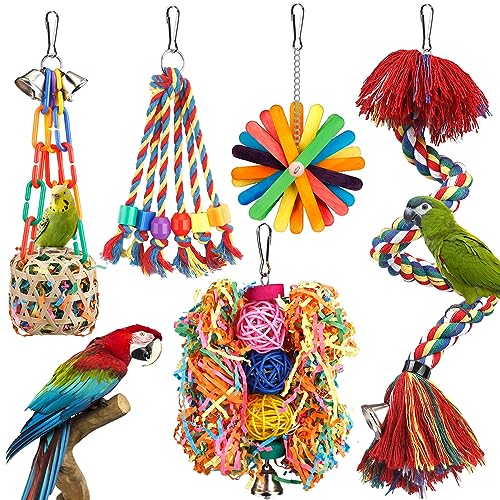
Boredom often fuels aggression, so keeping your parrot’s mind and body active is a game-changer. Sunny, my Sun Conure, used to get feisty until I introduced foraging toys. Rotate toys weekly to prevent monotony and stimulate their natural curiosity. This mimics wild behaviors and reduces stress.
Social interaction is vital, but it must be balanced. Include your parrot in family activities, like meal times or TV watching, to make them feel part of the flock. With Sage, I noticed she became calmer when she could observe household routines from her perch.
- Provide puzzle feeders that challenge them to work for food.
- Set up play gyms with different textures and heights for exploration.
- Schedule short, positive training sessions to strengthen bonds.
Enrichment isn’t just about toys-it’s about engagement. A stimulated parrot is less likely to resort to aggression out of frustration or loneliness. I’ve seen this transform even the most territorial birds into playful companions.
When to Consult an Avian Veterinarian
Sometimes, aggression stems from hidden health issues that need expert care. If your parrot’s behavior changes suddenly, it could signal pain or illness. Sudden aggression, especially if paired with lethargy or loss of appetite, warrants an immediate vet visit. Shaking can be a warning sign (Shaking can be a warning sign), but parrots also shake for normal reasons like excitement or temperature changes. Knowing the difference helps you decide when to seek care. I once rushed Sunny to the vet for unusual biting and found she had a minor infection.
Look for signs like feather plucking, changes in droppings, or reluctance to perch. An avian vet can rule out medical causes and provide tailored advice for behavioral support. If you’re unsure whether stress is the cause, there are 15 warning signs to tell if your parrot is stressed. Learning these can help you respond promptly. This step prioritizes your parrot’s well-being and prevents suffering.
- Consult a vet if aggression persists despite your efforts.
- Seek help for self-harm behaviors or extreme fear responses.
- Regular check-ups can catch issues early, keeping your bird healthy and happy.
Never hesitate to get professional input. Early intervention can address underlying problems and restore harmony in your home. Your parrot’s health is the cornerstone of a peaceful relationship. If persistent behavioral issues arise, seek professional guidance for parrot behavior from an avian veterinarian or a certified animal behaviorist. They can provide strategies tailored to your bird’s needs, helping you avoid frustration and escalation.
FAQs
Can a parrot’s aggression be a learned behavior?
Yes, parrots can learn aggressive responses if they are rewarded with attention or removal of unwanted situations. Consistent, positive reinforcement for calm behavior helps unlearn these patterns over time.
How does the size of the cage affect a parrot’s aggression?
A cramped cage can cause chronic stress and frustration, leading to increased aggression. Providing ample space with perches and toys reduces territorial disputes and promotes mental well-being.
Are there any specific toys that can help reduce aggression?
Foraging toys and puzzle feeders redirect energy away from aggression by stimulating natural behaviors. Rotating toys regularly prevents boredom and minimizes frustration-based incidents.
What should I avoid doing when my parrot is aggressive?
Avoid yelling or punishing, as this can escalate fear and damage trust. Instead, step back calmly and assess environmental triggers to address the root cause safely.
Can parrots become less aggressive as they age?
With proper training and consistent care, many parrots mellow out as they mature and adapt to their environment. However, hormonal changes in adulthood may require ongoing management to maintain peace. Understanding how seasonal hormonal changes influence behavior is essential for effective care. This aligns with a practical survival guide on understanding and managing hormonal seasons in parrots.
Closing Thoughts
Ultimately, figuring out why your parrot is being aggressive comes down to playing detective with their environment, health, and daily routine. Look for the triggers, never punish the behavior, and always reward the calm, gentle interactions you want to see. It’s a puzzle, but with patience, you can solve it together. Watch for common parrot anger signals and warning signs—things like pinning eyes, feather flaring, or a sudden stiff posture. Noticing these early gives you a chance to intervene calmly before things escalate.
Caring for a parrot is a lifelong commitment to learning and adapting as their needs change. Your dedication to understanding their complex world is the foundation of a happy, trusting, and peaceful relationship for years to come. Keep observing, keep learning, and enjoy the incredible journey.
Further Reading & Sources
- Aggression In Parrots | ThinkParrot
- Parrot Aggression – Explanations and Solutions
- Coping with Parrot Aggression – Northern Parrots
Suzanne Levine is a dedicated parrot enthusiast and experienced avian caregiver with over 15 years of hands-on experience in parrot care. As the founder of Parrot Care Central, Suzanne is passionate about sharing her knowledge and insights to help fellow parrot owners provide the best possible care for their feathered friends. Her expertise spans nutrition, behavior, health, and enrichment, making her a trusted resource in the parrot care community.
Socialization