
How to Create a Safe and Stimulating Indoor Flight Environment for Your Parrot
Published on: December 21, 2025 | Last Updated: December 21, 2025
Written By: Suzanne Levine
You want your parrot to spread their wings indoors, but worries about crashes, boredom, or escapes can make you hesitate.
I’ve faced those same fears with my own birds, like Kiwi, my playful Green-cheeked Conure, and I’m here to guide you through building a space that’s both secure and exciting.
We’ll focus on three core areas to transform your home into a parrot paradise:
- Essential safety checks to prevent accidents and injuries
- Smart toy and perch setups that boost mental and physical health
- Simple training techniques to encourage safe flying habits
You’ll walk away with clear, actionable steps tailored to your feathered friend’s needs.
Topics covered: safety hazards, space setup, enrichment toys, training methods, health monitoring, emergency plans
Designing Your Parrot’s Indoor Flight Arena
Mapping Out the Perfect Flight Path
Creating a good flight path is like building a miniature highway system for your bird. You need to think in three dimensions, using the full height, width, and length of your available space. My Green-cheeked Conure, Kiwi, taught me that a cluttered room leads to panicked, bumpy landings.
Key Measurements and Space Requirements
- Minimum flight distance: Aim for an unobstructed path of at least 10 to 12 feet for small to medium parrots like conures and cockatiels.
- Ceiling height: A standard 8-foot ceiling works, but higher is always better for confident, swooping flight.
- Width clearance: Ensure lanes are at least 3 to 4 feet wide to allow for wing-flapping and slight course corrections mid-flight.
Assessing Your Room Layout
- Start with an empty room. Stand in the center and visually trace potential flight lines from wall to wall.
- Identify and mark permanent obstacles like light fixtures, ceiling fans, or wall-mounted shelves with painter’s tape.
- Get down to your bird’s eye level-literally crawl around-to spot low-lying hazards like table legs or chair rungs.
- Test the path yourself by walking the route, holding your arms out like wings, to feel for tight squeezes.
Ensuring Clear Flight Lanes
Keep the central airspace completely open. Push furniture like sofas and bookshelves firmly against the walls to maximize the open fly zone. I use tall, free-standing play gyms as designated landing spots, which keeps the main traffic area clear for my Sun Conure, Sunny, to zoom around without crashing.
Choosing the Right Perches and Landing Spots
Perches are more than just places to stand; they are rest stops, lookout points, and chewing posts all in one. Variety in texture, diameter, and material is absolutely critical for foot health and mental engagement. My African Grey, Sage, will hop across five different perches just to get from one side of his stand to the other.
- Natural Wood Branches: Manzanita, dragonwood, and java wood offer varying diameters and safe, chewable textures. Avoid pine and cedar, which can be toxic.
- Rope Perches: Great for flexibility and gentle on feet, but monitor for fraying and loose threads that could entangle toes.
- Concrete or Pedicure Perches: Place these near favorite resting spots, not in high-traffic flight paths, as they help naturally file down nails.
- Platform Perches: Flat surfaces give tired feet a break and are perfect for placing a small food bowl for a mid-flight snack.
Strategic placement means installing perches at different heights and distances from each other. I place one near a window for bird-watching, another in a quiet corner for napping, and several along the main flight path to create a “hopscotch” route that encourages climbing and exploration.
Safety First: Pet-Proofing Your Flight Space
Spotting and Removing Common Hazards
Your home is full of hidden dangers that you stop noticing until you see it through a parrot’s curious eyes. A thorough, room-by-room hazard hunt should become a regular part of your routine. I do a “safety sweep” every morning before I let my birds out for their flight time. A complete design guide for a parrot-safe bird room builds on this habit, outlining safe materials, layouts, and fixtures. It helps you turn daily safety checks into a room-ready plan.
Household Danger Checklist
- Toxic Plants: Lilies, philodendron, and poinsettias are common indoor plants that are poisonous to birds.
- Open Water: Toilets, full sinks, and even glasses of water are drowning risks.
- Electrical Cords: Parrots see them as delicious, chewable vines. Use cord concealers or unplug appliances when not in use.
- Ceiling Fans: Always confirm they are off and, if possible, stationary before flight time begins.
- Small Objects: Paper clips, coins, and jewelry are choking hazards and can cause heavy metal poisoning if ingested.
Securing Windows and Doors
Windows are invisible walls to a flying parrot. Apply decals, window film, or partially close blinds to make the glass visible and prevent high-speed collisions. For doors, I have a strict household rule: no one enters or leaves the flight room without a verbal “clear the door!” announcement to ensure no bird is in the path.
Using Safe Barriers
Baby gates are useless for birds, but you can use sheer curtains or mesh room dividers to block off unsafe areas like kitchens. The goal is to create a visual and physical barrier without creating a solid wall that a bird might fly into.
Ensuring Clean Air and Proper Lighting
What you can’t see or hear can be just as harmful as a physical obstacle. Parrots have incredibly sensitive respiratory systems, making air quality a non-negotiable priority. After I started using an air purifier, I noticed my birds were more active and vocal, a clear sign they were breathing easier.
Ventilation and Air Quality
Stagnant air is a breeding ground for dust and dander. Open windows in adjacent rooms for cross-ventilation, but never in the flight room itself to prevent escapes. Avoid aerosols, scented candles, and non-stick cookware, as the fumes can be lethal to birds.
The Benefits of UV Lighting
Full-spectrum UV lighting is not a luxury; it’s a health essential. Proper UVB light helps parrots synthesize Vitamin D3, which is vital for calcium absorption and preventing brittle bones. I position a UV lamp over my birds’ main play gym, ensuring they get exposure for several hours a day, mimicking the natural benefits of sunlight.
Reducing Noise Stress
Loud, sudden noises can terrify a bird mid-flight. Create a calm audio environment by avoiding blaring TVs, keeping phone ringers on low, and warning guests about sudden noises. I often play soft, calming music or nature sounds to mask jarring outside noises, which keeps my flock relaxed and confident during their flying exercises. These routines help your parrot manage household noise and reduce stress, making training and daily life smoother. A calmer environment means fewer startles and more confident flights.
Fun and Games: Enrichment for Active Fliers
Toys and Foraging Fun That Promote Flight
Guidance: List creative toy ideas, steps for DIY foraging puzzles, and rotation schedules to keep stimulation high.
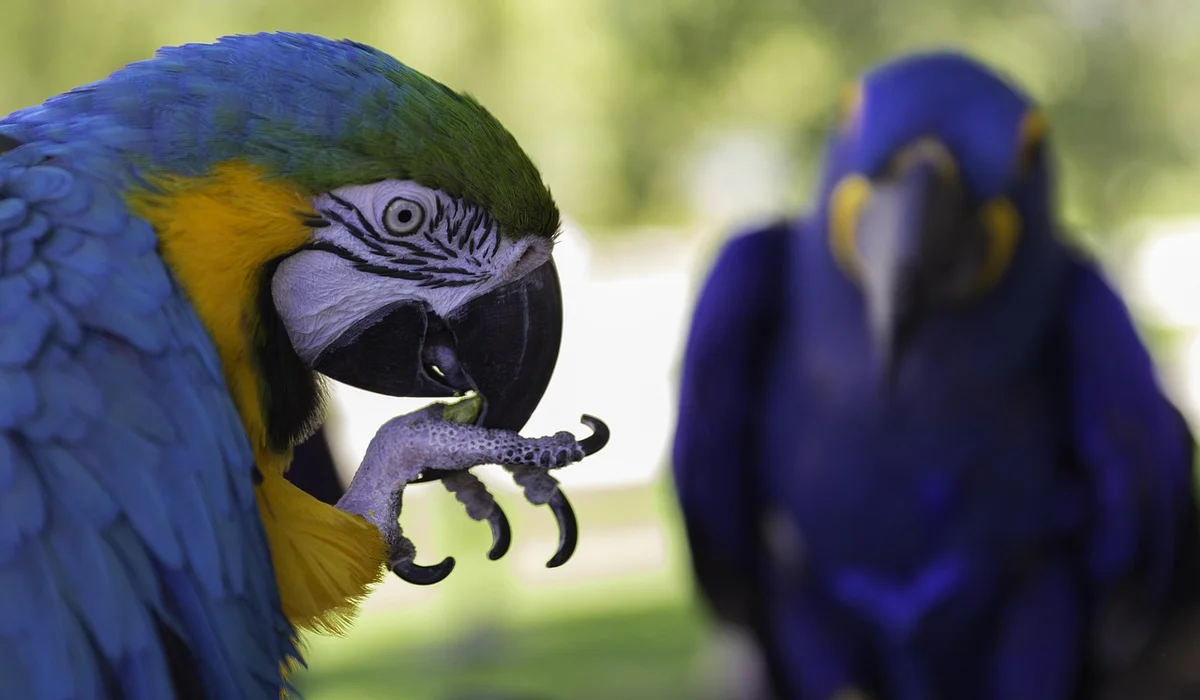
Engaging your parrot in flight-based play strengthens their wings and sharpens their mind. I’ve seen my Green-cheeked Conure, Kiwi, light up when I introduce new toys that encourage her to soar across the room. Start with these creative ideas to get your bird moving and thinking.
- Hanging puzzle feeders that require pecking or turning to release treats
- Colorful bells or rattles suspended from the ceiling to lure them mid-flight
- Lightweight balls or rings they can carry or bat while flying
- Foraging wheels that spin and drop goodies when manipulated
DIY foraging puzzles are budget-friendly and tap into your parrot’s natural instincts. My African Grey, Sage, adores the challenge of homemade puzzles, which I whip up in minutes with household items. Follow these simple steps to create your own.
- Gather safe materials like untreated cardboard, paper cups, or toilet paper rolls.
- Hide small treats inside and fold or twist the ends to secure them.
- Hang the puzzles at varying heights around the flight area to promote aerial exploration.
- Supervise initially to ensure your parrot figures out how to access the rewards.
Rotating toys prevents boredom and keeps your parrot eager to fly and play. Switching out items every week mimics new environments, reducing stress and encouraging healthy activity. I alternate toys for Sunny, my Sun Conure, and notice she stays more engaged and less likely to pluck feathers.
Climbing and Exploration Zones
Guidance: Suggest ways to create vertical spaces, include a bullet list of climbing structures, and ideas for themed play areas.
Vertical spaces let your parrot exercise different muscles and satisfy their curiosity. Adding height to your setup gives birds like Kiwi a sense of security and territory, which I’ve found cuts down on aggressive behaviors. Use walls, tall stands, or suspended elements to build upward.
- Rope nets or ladders strung between perches for gripping and swinging
- Natural wood branches of varying thicknesses to strengthen feet and beaks
- PVC pipe structures with perches for easy cleaning and customization
- Hanging baskets or platforms that double as resting spots
Themed play areas turn flight time into an adventure. Creating a jungle-themed zone with fake vines and hidden treats makes my parrots more active and less prone to obesity. Think about safe, non-toxic materials and change themes monthly to keep things fresh.
Flight Training Basics: From First Flaps to Recall
Starting with Simple Recall Exercises
Think of recall training as teaching your parrot its own name in the language of flight. Start in a small, completely secure room where your bird already feels comfortable and confident. Positive reinforcement training—rewards like treats and praise for every small success—helps parrots learn recall reliably. My Green-cheeked Conure, Kiwi, learned best in our spare bedroom with the door closed and windows covered.
- Begin at Close Range: Sit with your parrot on your hand or a perch. Hold a high-value treat, like a piece of walnut or pine nut, just a few inches away. Use a clear, happy cue like “Come!” as they step or hop to you.
- Increase the Distance Gradually: Once they reliably step to you, place them on a nearby perch and take one step back. Use your cue and the treat to encourage the short flight to your hand. Patience is everything here.
- Practice Makes Perfect: Keep training sessions short, no more than 5-10 minutes, but do them consistently every single day. Repetition builds muscle memory and reinforces that flying to you is always a positive experience.
A huge mistake I made early on was moving too quickly to longer distances, which just confused my Sun Conure, Sunny. Rushing the process can shatter their confidence and make them hesitant to fly at all. Never, ever use negative reinforcement like shouting or withholding treats if they don’t get it right; you’ll only teach them to fear you.
Managing Flight Time and Supervision
Free flight isn’t a 24/7 activity; it’s a scheduled event that requires your full attention. An unsupervised parrot in flight is like a toddler on a playground-they don’t always recognize danger. My birds get their most energetic flights in the morning and a calmer session before their evening cover goes on.
Here’s a sample daily schedule that works for my flock:
- 8:00 AM: Wake up, uncover cages, offer fresh food and water.
- 9:00 – 10:00 AM: Supervised free flight and training session in the bird-safe room.
- 1:00 – 2:00 PM: Optional, shorter flight or playtime outside the cage.
- 5:00 – 6:00 PM: Wind-down flight or out-of-cage time with gentle interaction.
While they’re flying, watch their body language like a hawk. A parrot that is breathing heavily with an open beak, landing clumsily, or seeking refuge in a low corner is telling you they are tired or stressed. That’s your cue to end the session and let them rest. You must also be ready to step in if they head towards a ceiling fan, an uncovered window, or a pot of cooking food. Their safety is your number one job the moment they take wing. Make sure they’re well-rested before any flight session by understanding their sleep needs.
Keeping It Fresh: Maintenance and Health Checks
Routine Cleaning and Cage Care
Maintaining a clean cage isn’t just about looks-it’s a vital part of your parrot’s health. I’ve seen my Green-cheeked Conure Kiwi thrive in a spotless space, which cuts down on stress and illness risks. A tidy home keeps your bird chirpy and safe from hidden dangers.
Your Weekly Cleaning Checklist
- Empty and scrub food and water bowls every day to stop bacteria buildup.
- Swap out cage liners or bedding every two days to avoid messes.
- Wipe down all cage surfaces, including bars and toys, with a bird-safe cleaner.
- Sweep up droppings and leftover food to prevent odors and pests.
- Inspect perches and accessories for damage-replace anything worn out.
Steps to Sanitize Perches
- Take perches out of the cage and brush off any debris.
- Wash them with hot water and a gentle, non-toxic soap-I use one that’s safe for all my birds.
- Rinse well to ensure no soap remains, which could irritate your parrot’s feet.
- Let them dry completely in the sun or a well-ventilated area to kill germs naturally.
- For a deeper clean, soak perches in a mix of one part white vinegar to one part water for 10 minutes before rinsing.
Preventing Mold and Pests
Mold and pests love damp, dirty spots, so stay proactive. I always air out Sunny’s cage after cleaning and avoid leaving wet food out for more than an hour. Good airflow and dry surfaces make a huge difference in keeping those critters away.
Nutrition and Hydration for Flight Fitness
Feeding your parrot right powers their flights and fun. My Sun Conure Sunny stays energetic and social with a diet tailored to his active lifestyle. Proper nutrition and water intake are key to keeping those wings strong and hearts happy.
Key Dietary Tips
- Serve a rainbow of fresh fruits and veggies-think apples, carrots, and leafy greens for variety.
- Base meals on high-quality pellets to cover essential vitamins and minerals.
- Limit fatty seeds and nuts to occasional treats to maintain a healthy weight.
- Add calcium sources like cuttlebone or crushed eggshells for bone strength during flight.
- Mix in protein boosts like cooked beans or quinoa for extra energy.
Hydration Station Ideas
- Place multiple water dishes around the flight area for easy access-my parrots love having options.
- Try a sipper bottle to keep water clean and reduce spillage.
- Set up a shallow bath pan for splashing; it encourages drinking and play.
- Refresh water at least twice daily, especially after flight sessions, to ensure it’s inviting.
How to Adjust Food for Active Parrots
Active parrots burn calories fast, so their meals need a boost. I increase Sage’s portion of protein-rich foods like hard-boiled eggs when she’s flying more, which keeps her smart and calm. Regular weight checks help keep parrots within healthy weight ranges and support obesity prevention. Adjust portions as activity changes to maintain that ideal weight. Monitor their body condition and tweak servings to match their energy output without overfeeding.
Troubleshooting Flight Fumbles
Handling Fear or Overstimulation
When your parrot freezes mid-flight or dives for cover, it’s often a sign they’re feeling overwhelmed. I’ve seen this with my Sun Conure, Sunny, who once panicked at a new ceiling fan-gentle reassurance and a quiet space helped him settle quickly. Start by speaking in a soft, steady voice to soothe their nerves, and avoid sudden movements that could escalate their fear.
Offer high-value treats like a slice of apple or a nut to redirect their focus and build positive associations. Creating a “safe zone” with a familiar perch or covered area gives them a spot to retreat and regroup without pressure. Reduce environmental triggers by dimming lights or turning off loud noises, which can prevent overstimulation from escalating.
Signs of Stress to Watch For
- Puffed-up feathers or rapid breathing
- Pinned eyes (where the pupils contract and expand rapidly)
- Aggressive behaviors like biting or loud, repetitive squawking
- Loss of appetite or refusal to move from one spot
If these signs persist for more than a day or include physical symptoms like vomiting, it’s time to consult an avian vet. Trust your gut-I once waited too long with Kiwi, and a quick vet visit revealed a minor infection that was making him extra jumpy. Early intervention can prevent small issues from becoming big health problems.
Adapting for Different Parrot Species
Small parrots, like my Green-cheeked Conure Kiwi, thrive in cozy setups with plenty of low perches, while larger birds, such as my African Grey Sage, need expansive areas to stretch their wings without bumping into walls. Tailoring the space to their size reduces accidents and keeps flying fun, not frightening. When selecting a housing cage, size and bar spacing should match the species’ needs. Different parrots require different cage dimensions to allow safe movement and enrichment. For clipped-wing birds, focus on ground-level activities and short, controlled hops to build confidence safely.
Species-Specific Adjustments
- Small Parrots (e.g., Conures, Budgies): Use lightweight perches and toys; they enjoy tight, weaving flight paths but can tire easily-limit flight time to 10-15 minutes.
- Medium Parrots (e.g., Sun Conures, Caiques): Incorporate varied heights and textures; Sunny loves flying to rope perches for social interaction, so I place them near family areas.
- Large Parrots (e.g., African Greys, Macaws): Ensure sturdy, wide perches and open flight lanes; Sage’s intelligence means he needs puzzle toys mid-flight to stay engaged without boredom.
For parrots with clipped wings, avoid high perches and provide ramps or ladders for easy movement. I learned this the hard way when Kiwi struggled after a trim-adding low platforms helped him regain his balance without stress. Always monitor their mood and adjust the environment to support their natural behaviors, even if flying is limited.
FAQs
How can I tell if my parrot is getting enough exercise from indoor flight?
Monitor your parrot’s weight and activity levels regularly to ensure they stay within a healthy range. If they seem restless or engage in excessive screaming, it might indicate a need for more flight time or varied enrichment. Regular weigh-ins can help you tell if your bird is overweight. If the weight is outside the healthy range, adjust diet and exercise and consider a vet’s advice.
What should I do if my parrot refuses to fly or seems afraid?
Gradually build confidence with positive reinforcement, like offering treats for small hops or steps. Ensure the flight area is free of loud noises or sudden movements that could startle them during practice.
Are there any specific toys that help with flight training?
Incorporate target sticks or hanging toys that require your parrot to fly short distances to interact. Use puzzle feeders placed at different heights to encourage aerial movement and mental engagement. If your parrot seems bored, these activities can help. Boredom often stems from a lack of mental and physical challenge, so enrichment is key.
Final Thoughts
Creating a safe and stimulating flight space boils down to three things: clearing the airspace of dangers, providing ample room for wing-stretching adventures, and filling that area with engaging perches and foraging toys. Your home becomes their sanctuary when you actively manage these elements, transforming flight time into a daily highlight of fun and fitness.
Remember, a happy parrot is a lifelong learning project for both of you. Commit to observing your bird’s behavior and continuously educating yourself on parrot care, because their vibrant well-being depends entirely on your dedicated, responsible ownership. To tell if your parrot is happy, learn the 10 key signs and what they mean. We’ll guide you through them so you can read your bird’s mood with confidence.
Further Reading & Sources
- Basic Flight Training | LibertyWings.com
- Flying Indoors? Tips to Keep Your Parrot Safe! – Pet Birds by Lafeber Co.
- Parrot ANAFI Ai | Professional Drone Camera | Flight Performances
Suzanne Levine is a dedicated parrot enthusiast and experienced avian caregiver with over 15 years of hands-on experience in parrot care. As the founder of Parrot Care Central, Suzanne is passionate about sharing her knowledge and insights to help fellow parrot owners provide the best possible care for their feathered friends. Her expertise spans nutrition, behavior, health, and enrichment, making her a trusted resource in the parrot care community.
Bird-proofing Your Home