Quaker Parrot Diet: Safe Foods and Healthy Eating Guide
Are you worried about accidentally feeding your Quaker parrot something harmful or not providing the right nutrition for their vibrant health?
I’ve cared for birds like Kiwi, my Green-cheeked Conure, and Sunny, the Sun Conure, for years, so I understand that mix of love and concern. Let me walk you through the essentials to keep your feathered friend thriving.
Here are the key takeaways we’ll explore together:
- Identify safe fruits, veggies, and proteins that boost their energy and lifespan.
- Avoid common toxic foods that could endanger your parrot’s well-being.
- Create a balanced feeding routine tailored to their playful personality.
You’ll get straightforward tips you can start using today. We’ll dive into safe fruits, vegetables, grains, proteins, toxic foods to avoid, feeding schedules, and diet adjustments for health issues.
Quaker Parrot Diet Essentials: Building a Healthy Foundation
Your Quaker parrot’s health starts with a balanced diet built on pellets as the mainstay, supplemented by fresh fruits, vegetables, and a tiny amount of nuts. Pellets provide a solid nutritional base, ensuring your bird gets essential vitamins and minerals without the guesswork. I rely on high-quality pellets for my Green-cheeked Conure Kiwi, and it keeps her feathers shiny and energy levels steady.
Fresh veggies add color and crunch, while fruits bring natural sweetness and hydration. Nuts are like special treats-offer them sparingly to avoid weight gain and maintain heart health. From caring for my Sun Conure Sunny, I’ve learned that variety prevents boredom and supports overall wellness.
| Food Type | Daily Percentage |
|---|---|
| Pellets | 50-60% |
| Fresh Vegetables | 20-30% |
| Fresh Fruits | 10-20% |
| Nuts and Seeds | 5% or less |
Balancing nutrients is key for vibrant feathers and lasting energy. Mix dark leafy greens like kale with orange veggies such as carrots to cover a range of vitamins A and C. I rotate foods weekly for my African Grey Sage, and it helps his plumage stay sleek and his mind sharp.
- Include calcium-rich options like broccoli stems to support bone strength.
- Add a pinch of crushed eggshell for extra mineral boost-it’s a trick I use with all my birds.
- Watch portion sizes to prevent obesity; Quakers love to eat, so keep treats minimal.
Fruits Your Quaker Parrot Will Love: Safe and Tasty Picks
Fruits are a delightful addition to your Quaker’s meals, packed with vitamins and fun textures. Safe choices include apples, bananas, oranges, peaches, and cantaloupe-all rich in antioxidants and fiber. My conure Kiwi goes wild for banana slices; the soft, sweet flesh keeps her engaged and hydrated.
- Apples: Crisp and juicy, great for vitamin C.
- Bananas: Creamy and easy to digest, full of potassium.
- Oranges: Tangy and refreshing, loaded with hydration.
- Peaches: Soft and aromatic, offering beta-carotene.
- Cantaloupe: Moist and mild, perfect for hot days.
Preparation is simple but vital for safety. Always wash fruits thoroughly to remove pesticides, and chop them into small, manageable pieces to prevent choking. I make it a habit to remove all seeds or pits-apple seeds, for instance, contain traces of cyanide that can harm your bird.
- Rinse fruits under cool water to clean off dirt and chemicals.
- Cut out any seeds, pits, or hard cores-these can be toxic.
- Slice into bite-sized chunks that your Quaker can easily hold and nibble.
Beyond nutrition, fruits provide mental stimulation and variety. The different textures, from the crunch of apples to the mush of bananas, encourage natural foraging behaviors and keep your parrot entertained. Offering a mix weekly ensures your feathered friend stays happy and healthy, just like I do with my flock.
Vegetable Variety for Vibrant Health: Greens and More
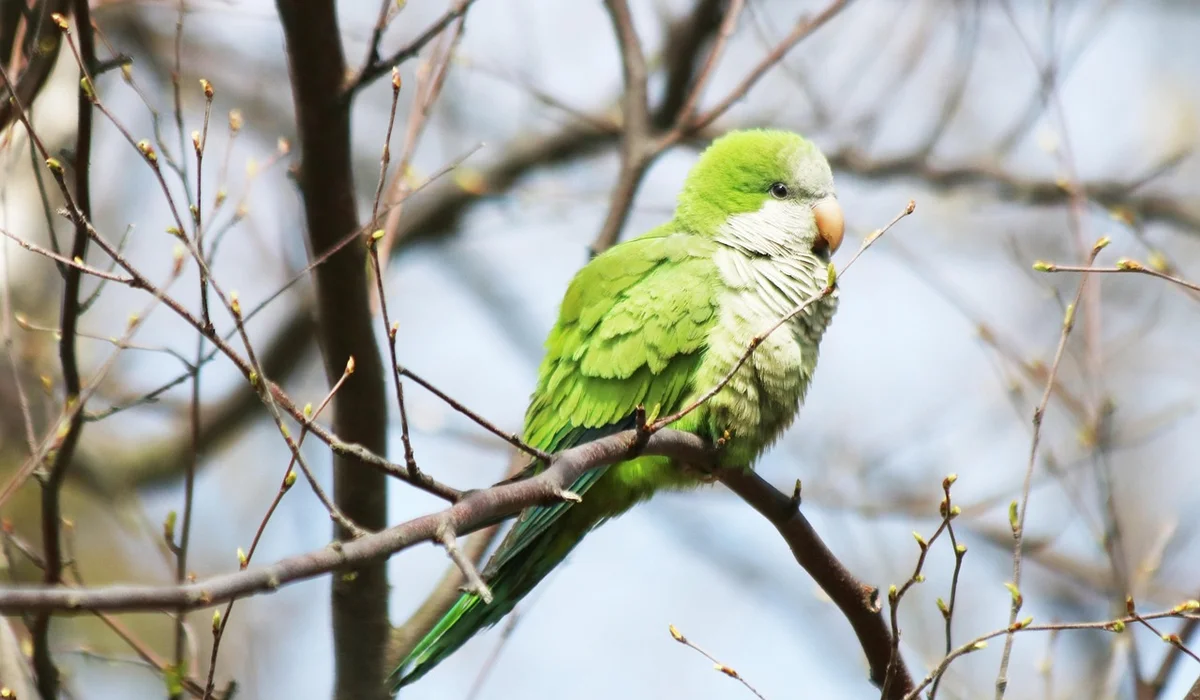
Your Quaker parrot will thrive on a colorful mix of vegetables. Fresh veggies provide essential vitamins and minerals that seed-only diets completely lack.
I always keep these safe staples on hand:
- Broccoli (florets and stems)
- Celery (chopped finely to avoid strings)
- Cucumbers (great for hydration)
- Leafy greens like romaine lettuce and spinach
You can serve most vegetables raw, but lightly steaming broccoli and carrots makes them easier to digest. Lightly steaming breaks down tough cell walls, making the nutrients inside more available for your bird to absorb. I noticed my conure, Kiwi, would often ignore raw broccoli but devour it once I gave it a quick steam.
After consistently adding steamed carrots and chopped kale to my sun conure Sunny’s meals, her yellow and orange feathers became incredibly bright. The direct correlation between a veggie-rich diet and radiant plumage is something I’ve witnessed firsthand in my own flock.
Nuts and Seeds: Smart Snacking for Your Monk Parakeet
Nuts are a delicious treat, but they’re like candy for birds. While Quakers love them, nuts are packed with fat and should be a special occasion snack, not a daily food.
Stick to these safe, unsalted, and shelled options:
- Almonds
- Peanuts (source carefully to avoid aflatoxin)
- Pecans
- Pistachios
I limit nuts to just one or two small pieces per week for my birds. Overdoing it can quickly lead to an overweight parrot and associated health problems.
Before you offer any nut, follow these simple steps to ensure it’s safe:
- Check the shell for any visible cracks or holes.
- Inspect the nutmeat for discoloration or dust.
- Give it a quick sniff; it should smell nutty, not musty.
I once bought a bag of in-shell almonds that looked perfect, but a few had a faint, off smell. Trust your nose-it’s your best tool for spotting spoilage and preventing your parrot from eating something harmful. Keeping odors in check is part of care, too. Regular cage cleaning and safe odor-control practices help manage parrot cage odors safely and effectively.
Foods That Harm: What to Keep Off the Menu
Some common human foods are extremely toxic to parrots. Keeping these items completely away from your Quaker is non-negotiable for their safety. For a complete list of toxic foods parrots must avoid, see the rest of this guide. It also offers safe alternatives and practical tips to keep your bird healthy.
This is the absolute no-fly list for your parrot’s diet:
- Avocado: Contains persin, which causes heart damage and respiratory distress.
- Chocolate: The theobromine is a cardiac stimulant and diuretic that can be fatal.
- Caffeine: Overstimulates a bird’s tiny nervous system, leading to cardiac issues.
- Onion & Garlic: These damage red blood cells, causing anemia and weakness.
- Alcohol: A bird’s liver cannot process it, leading to poisoning.
- Salt: Causes severe electrolyte imbalances, dehydration, and kidney failure.
I learned this lesson the hard way when my curious African Grey, Sage, managed to snatch a tiny piece of garlic bread crust. It only took one small bite to cause digestive upset, a scary reminder that vigilance in the kitchen is a constant responsibility for a parrot owner. That experience also highlighted a few common parrot feeding mistakes to avoid, like offering table scraps or salty, fatty, or spicy foods. By sticking to safe, vet-approved foods and treats, Sage has been healthier and happier. Now, my birds are always securely in their cages whenever I’m cooking with any unsafe ingredients.
Crafting a Daily Feeding Plan: Portions and Timing
Creating a consistent daily routine is the secret to a happy, healthy Quaker. A predictable schedule reduces their stress and helps you monitor exactly how much they’re eating.
Your Sample Daily Feeding Schedule
I follow this simple two-meal structure with my own flock, and it works wonders for their energy and digestion.
- Morning (7-8 AM): Start the day with a high-quality pellet mix. This ensures they get their core nutrients before anything else.
- Evening (5-6 PM): Serve a colorful chop of fresh vegetables, a bit of fruit, and a healthy grain. Remove any uneaten fresh food after a couple of hours to prevent spoilage.
Getting Portion Sizes Just Right
Quakers are medium-sized parrots, so their portions reflect that. An average adult Quaker eats about 2 to 3 tablespoons of total food per day. Adjust this based on your individual bird.
- For a less active or older Quaker: Stick closer to 2 tablespoons to prevent weight gain.
- For a very active, young, or breeding Quaker: You might need to offer up to 3.5 tablespoons.
- Watch their body condition: You should just be able to feel their keel bone without it being sharp.
Mixing for Variety and Nutrition
Boredom is a fast track to a picky parrot. I keep my parrots excited for mealtime by rotating their fresh foods and mixing textures. If your parrot is bored, it may show up as picky eating or withdrawal. I help by adding enrichment and a rotating routine to spark curiosity.
- Base Layer (50%): A organic pellet should form the foundation of their diet.
- Fresh Layer (45%): Create a “chop” of finely diced veggies like broccoli, bell peppers, and leafy greens. Add a tiny amount of fruit for sweetness.
- Treat Layer (5%): Use a single nut, a piece of whole-wheat pasta, or a millet spray as a special reward or for foraging.
Transitioning to Better Eating: Easy Steps for Picky Eaters
If your Quaker turns up their beak at new foods, don’t worry. Patience and persistence are your most powerful tools for transforming a picky eater. My conure, Kiwi, was a seed junkie when I first got her.
A Step-by-Step Guide to New Foods
Rushing this process will backfire. Go slow and let their curiosity win.
- Week 1: Place the new food in a separate, small dish near their favorite perch. Don’t expect them to eat it.
- Week 2: Mix a tiny, almost invisible amount of the new food with their absolute favorite treat.
- Week 3: Gradually increase the ratio of new food to favorite treat.
- Week 4: Offer the new food as part of their main meal, diced very small so it’s hard to pick out.
Making Healthy Food Irresistible
Presentation matters more than you think! Eating with your parrot is one of the most effective ways to show them that new food is safe and delicious. If you’re looking to mix in homemade parrot food recipes, try healthy and nutritious options you can prepare together. This approach keeps meals interesting and supports balanced nutrition for your bird.
- Skewer chunks of vegetable and fruit on a stainless-steel kabob for fun, interactive eating.
- Mix a new, less-appealing green like kale in with a familiar favorite like corn.
- Sprinkle a few drops of water on leafy greens to make them shimmer and catch the light, sparking interest.
My Personal Success Story
My Sun Conure, Sunny, wanted nothing to do with carrots. I started by dicing carrots microscopically and mixing them into his cooked quinoa, which he loves. For weeks, he’d carefully eat around them. I didn’t give up. One day, I caught him tentatively tasting a piece. Now, he eagerly digs through his bowl to find the “orange bits” first. It took nearly two months, but it was a victory for his long-term health.
FAQs
What human foods can I safely share with my Quaker parrot?
Cooked plain grains like brown rice and quinoa are safe and provide healthy carbohydrates. You can also offer small amounts of unsalted, cooked eggs or lean meats for protein, but avoid any added spices or oils.
How do I create a balanced weekly diet chart for my Quaker parrot?
Plan to rotate different vegetables and fruits daily to ensure a range of vitamins and minerals. Use pellets as the consistent base and schedule nuts or seeds as limited weekly treats to maintain variety without overfeeding.
What are the signs of an improper diet in Quaker parrots?
Watch for physical changes like dull feathers, weight loss or gain, and reduced energy levels. Behavioral issues such as feather plucking or lack of interest in food can also indicate nutritional deficiencies.
How should I store fresh foods to keep them safe for my parrot?
Store chopped fruits and vegetables in sealed containers in the refrigerator to preserve freshness and prevent spoilage. Always rinse produce well before serving and remove any uneaten fresh food from the cage within a few hours.
Do Quaker parrots need dietary supplements?
If your parrot eats a balanced diet of high-quality pellets and fresh foods, supplements are typically not required. General parrot dietary guidelines emphasize variety and balance with fresh produce alongside pellets. Consult an avian veterinarian for advice on specific needs, such as during molting or if health issues arise.
In Closing
Focus on offering a varied diet with high-quality pellets, fresh veggies like carrots, and safe fruits such as apples—no seeds or pits—to keep your Quaker parrot thriving. Diet is a key factor in a parrot’s lifespan and health, so what you feed matters as much as how you feed. A varied, nutrient-rich menu supports longevity and helps prevent common health issues. I’ve watched Kiwi, my Green-cheeked Conure, flourish on this mix, proving that variety prevents boredom and supports vibrant health.
Commit to being a dedicated parrot parent by always checking food safety and adapting to new care insights. Your journey with your bird is a lifelong adventure, so stay engaged and keep exploring ways to enrich their life and well-being. If you’re caring for a baby parrot, the baby parrot care complete guide for the first 90 days covers essential feeding, housing, and bonding steps to start strong.
Further Reading & Sources
- Quaker Parrot Feeding Guide – Northern Parrots
- What do parrots eat? – ExoticDirect
- Feeding Quaker or Monk Parakeets | VCA Animal Hospitals
Suzanne Levine is a dedicated parrot enthusiast and experienced avian caregiver with over 15 years of hands-on experience in parrot care. As the founder of Parrot Care Central, Suzanne is passionate about sharing her knowledge and insights to help fellow parrot owners provide the best possible care for their feathered friends. Her expertise spans nutrition, behavior, health, and enrichment, making her a trusted resource in the parrot care community.
Nutrition