
Baby Parrot Care: A Complete Guide for the First 90 Days
Published on: December 14, 2025 | Last Updated: December 14, 2025
Written By: Suzanne Levine
Bringing home a baby parrot fills you with joy, but it also sparks worries about their tiny, fragile needs and whether you’re doing everything right. I remember feeling that mix of excitement and anxiety when I first welcomed Kiwi, my Green-cheeked Conure, into my home-every chirp and flutter had me double-checking my care routine.
Drawing from years of raising parrots like Sunny and Sage, I’ll walk you through the essentials to build your confidence and ensure your feathered friend thrives.
Focus on these three key areas to set a solid foundation:
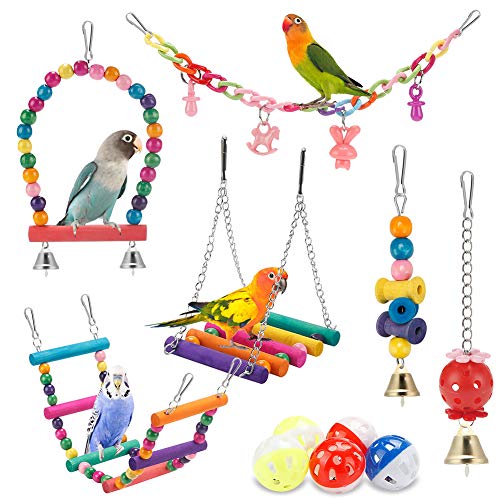


- Proper feeding and nutrition tailored to their growth stages
- Creating a safe, stimulating environment that supports development
- Building trust and socialization through gentle, consistent interactions
You’ll get straightforward, actionable advice that cuts through the confusion.
This guide covers feeding schedules, housing setup, bonding techniques, health monitoring, common challenges, and growth milestones.
Getting Started with Baby Parrot Care
Why the First 90 Days Are Critical
Think of this period as the foundation for your parrot’s entire life. Their brain is like a super sponge, absorbing every sight, sound, and interaction to build their future personality and trust levels. From my experience raising Kiwi, the habits and bonds we formed in those first three months are still evident in his playful curiosity today.
Key Developmental Stages Overview
Your baby parrot will transform dramatically. Here’s what to expect:
- Weeks 1-4 (The Nestling Phase): They are completely dependent, with eyes closed for the first couple of weeks. Their main jobs are eating, sleeping, and growing at an astonishing rate.
- Weeks 5-10 (The Fledgling Phase): This is when the real fun begins! Feathers come in, eyes are bright, and they start attempting their first wobbly steps and flaps. Sage was a quiet observer during this stage, just taking everything in.
- Weeks 11-13 (The Weaning Phase): Your chick starts exploring solid foods and learns vital social skills. It’s a messy, noisy, and incredibly rewarding time as they gain independence.
Mother-Reared vs Hand-Reared Parrots: What You Need to Know
This is one of the first big decisions you’ll face, and it fundamentally shapes your bird. Mother-reared parrots learn “parrot etiquette” directly from their parents, which often results in better social skills with other birds. Hand-rearing, while demanding, creates an intensely strong bond with you from day one.
Pros and Cons for Each Method
| Method | Pros | Cons |
|---|---|---|
| Mother-Reared |
|
|
| Hand-Reared |
|
|
Hand Feeding and Nutrition Essentials
Choosing the Right Formula for Baby Parrots
Not all formulas are created equal. I always recommend a high-quality, reputable brand specifically designed for parrot chicks, as their nutritional needs are vastly different from an adult bird’s. Avoid generic “bird” formulas; look for ones listing precise protein and fat levels. This selection is a core part of our parrot diet requirements and the species-specific complete feeding guide.
Types of Parrot Chick Formula and How to Mix Them
You’ll typically find two main types:
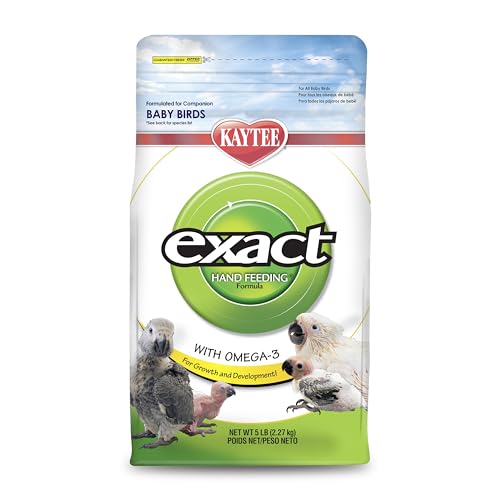
- Powdered Formulas: These are the most common. The key is mixing with very hot water (around 105-110°F) to a smooth, creamy consistency, like thick tomato soup.
- Ready-to-Feed Formulas: More convenient but often more expensive. They are great for beginners or emergency situations.
Always follow the package directions exactly. Never use a microwave to heat formula, as it creates dangerous hot spots that can severely burn your chick’s crop. I learned to stir thoroughly and test the temperature on my wrist-it should feel warm, not hot.
Hand Feeding Schedule and Techniques
Consistency is your best friend here. A newborn may need feeding every 2 hours, while an older chick can go 4-6 hours between meals. Their crop (the pouch where food is stored) should be empty or nearly empty before the next feeding to prevent souring.
Step-by-Step Guide to Safe Hand Feeding
- Prepare your formula to the perfect temperature and consistency.
- Gently hold the chick in a towel, supporting its head and neck.
- Introduce the syringe or spoon to the side of the beak, aiming toward the right side (this is where their esophagus is).
- Allow the chick to swallow at its own pace. Never force-feed.
- After feeding, gently wipe any formula from its beak and feathers with a warm, damp cloth.
Weaning Your Baby Parrot Off Formula
This isn’t an overnight event; it’s a gradual process. Weaning is about offering choices and letting the chick’s natural curiosity lead the way, not about withholding food. Sunny, my sun conure, was a messy but enthusiastic weaner, flinging mashed sweet potato everywhere with glee.
Transition Timeline and Tips for Success
- Start Introducing Solids (Around 6-7 weeks): Offer soft, easy-to-eat foods like moistened pellets, cooked quinoa, and mashed fruits/veggies.
- The Messy Middle (Weeks 8-11): Your chick will play with food more than eat it. This is normal! They are learning textures and tastes. Continue with 2-3 formula feedings per day.
- Final Stages (Weeks 12+): They should be actively eating a variety of solids. You can reduce formula to one feeding at night until they refuse it entirely.
The most important rule is to never rush weaning; a chick weaned too early can suffer from malnutrition and develop lifelong feather-plucking habits. Let your bird’s behavior and healthy weight be your guide.
Setting Up the Perfect Home Environment
Creating a safe and nurturing space is your first major responsibility as a new parrot parent. This initial setup directly impacts your chick’s health, growth, and sense of security. I learned this the hard way with my Green-cheeked Conure, Kiwi, whose early days taught me that the details truly matter. To translate these insights into a practical space, consult a parrot-safe bird room complete design guide. It covers safe materials, layout, and enrichment to keep your feathered family thriving.
Heat and Housing for Chicks: Nest Box Setup
Very young chicks cannot regulate their own body temperature. You are their primary source of warmth, acting as a surrogate parent. My first week with Kiwi involved constant temperature checks to mimic the cozy environment he would have had with his flock.
Temperature Control and Safe Materials
A brooder or nest box must be a sanctuary. The wrong temperature or a toxic material can lead to tragedy.
- Temperature is Non-Negotiable: For newly hatched chicks, maintain a steady 95°F (35°C). Lower it by about 5 degrees each week as they grow feathers.
- Use a Reliable Heat Source: A brooder lamp with a ceramic heater is safest. Always have a digital thermometer inside the enclosure-never guess.
- Choose Substrate Wisely: Line the bottom with plain, unscented paper towels or clean, untreated pine shavings. Avoid cedar, which has toxic oils, and corn cob bedding, which can mold.
- Safety Over Aesthetics: The box should have smooth, solid walls with no sharp edges. Ensure it’s easy for you to clean but impossible for a curious chick to escape from.
Cage Setup for Growth and Safety
As your chick grows and becomes more mobile, its cage becomes its entire world. A well-planned cage prevents accidents and encourages healthy development. When I upgraded Sunny, my Sun Conure, to his first big cage, I spent days planning the layout.
The bar spacing is your first safety check. For smaller species like conures and cockatiels, spacing should be no more than ½ inch to ⅝ inch to prevent head entrapment. For larger parrots like my African Grey, Sage, ¾ inch to 1 inch is appropriate. Always opt for a stainless steel or powder-coated cage-these materials are durable and non-toxic.
Choosing Perches, Toys, and Accessories for Chicks
Furnishing the cage is where you build a stimulating environment. Variety is the key to healthy feet and a busy mind.
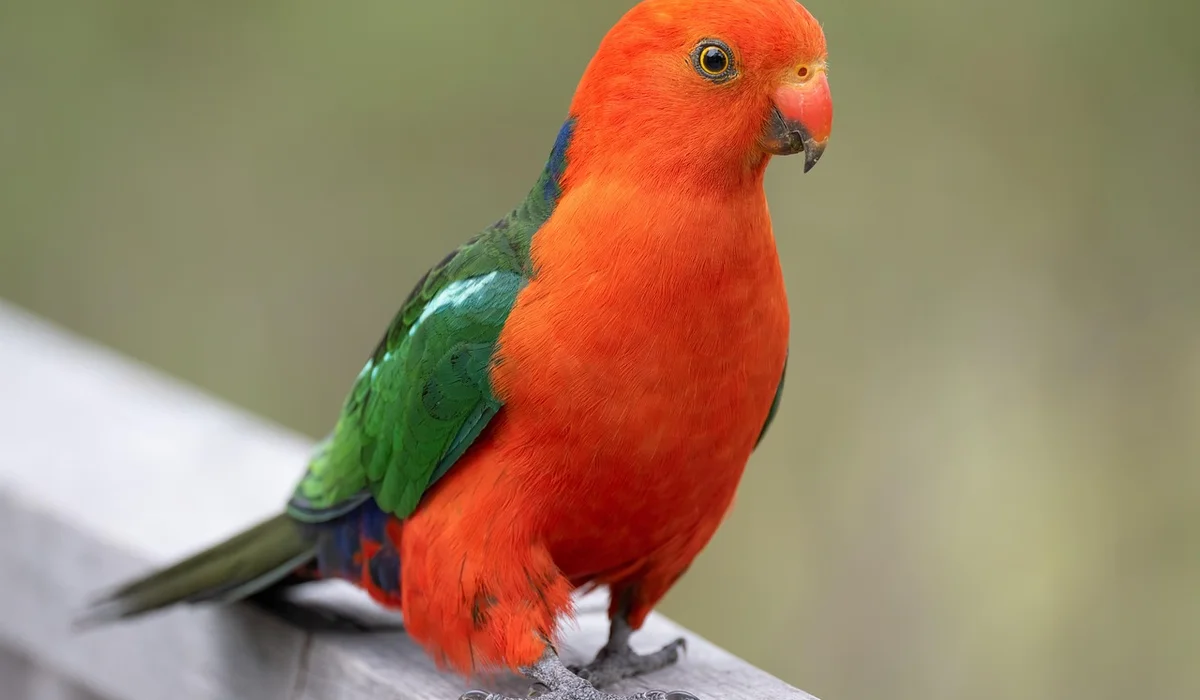
- Perch Variety is Critical: Offer at least three different types and diameters. Include a natural wood branch (like manzanita or dragonwood), a rope perch for gentle grip, and a cement perch for nail filing. Place them at different heights.
- Toys for Developing Minds: Start with simple, destructible toys. Soft balsa wood, paper cups, and untreated leather strips are perfect. Avoid anything with small, easily swallowed parts or jingle bells where toes can get caught.
- Essential Accessories: Use sturdy, tip-proof ceramic or stainless-steel dishes for food and water. Attach them near a perch for easy access. Place a shallow dish for bathing-many chicks love to splash around!
Remember, this setup will evolve. Observing your chick’s behavior is the best guide for making adjustments that suit its unique personality and needs.
Socializing and Bonding with Your Baby Parrot
Watching a baby parrot learn to trust you is one of life’s greatest joys. Your consistent, gentle presence forms the foundation for a lifelong friendship. I remember the first time my Green-cheeked Conure, Kiwi, willingly stepped onto my finger-it felt like we’d crossed a bridge together.
Building Trust Through Daily Interactions
Start with quiet conversations near their cage before attempting physical contact. Parrots read energy beautifully, so your calm demeanor tells them they’re safe. My Sun Conure, Sunny, would tilt his head and listen intently to my morning greetings before he ever let me touch him. After quarantine, use a step-by-step introduction guide to socialize your parrot safely. Let bonding progress at Sunny’s pace to keep training positive.
Follow these trust-building steps every single day:
- Sit near their cage while reading or working
- Speak in soft, reassuring tones using their name
- Offer treats from your open palm without forcing interaction
- Respect when they need space-watch for backing away or feather ruffling
Handling Techniques and Positive Reinforcement
Never grab your parrot from above-this mimics predator behavior. Approach slowly with your hand at their chest level, inviting them to step up. My African Grey, Sage, taught me that patience rewards you with deeper connection.
Successful handling involves:
- Using the “step up” command consistently
- Rewarding immediately with their favorite healthy treat
- Keeping initial sessions short (5-10 minutes)
- Ending on a positive note before they show frustration
Enrichment Activities for Mental Stimulation
Baby parrots possess incredible curiosity that needs daily nourishment. Mental exercise prevents behavioral issues before they ever start. Kiwi’s problem-solving sessions keep him engaged and far from destructive chewing.
Rotate these activities throughout the week:
- Hide-and-seek with treats wrapped in paper
- Training sessions teaching simple tricks like “turn around”
- Supervised exploration of parrot-safe rooms
- Music and dance time-parrots love rhythm!
Safe Toys and Games for Young Parrots
Choose toys matching your parrot’s size and chewing strength. Natural wood, vegetable-tanned leather, and untreated paper make excellent starter materials. I learned through trial that smaller birds like conures prefer shreddable toys while larger parrots need tougher puzzles. DIY, safe homemade toys let you tailor play to your parrot’s size and preferences. Keep it simple: use non-toxic materials and avoid small parts to make playtime both fun and safe.
Your safety checklist should include:
- Avoid small parts that could be swallowed
- Check for sharp edges or loose strings
- Select toys without toxic dyes or glues
- Monitor playtime until you know their habits
Sunny adores his finger traps stuffed with almond pieces, while Sage prefers complex foraging boxes. Observing what excites your parrot tells you everything about their personality.
Health Monitoring and Common Issues
Keeping your baby parrot thriving means staying on top of their health from day one. I learned with Kiwi that catching small changes early can prevent big problems down the road. Regular checks help you bond and spot issues before they escalate.
Daily Health Checks: What to Look For
Make daily checks a fun routine, like a quick morning chat with your feathered friend. Consistent observation builds trust and keeps you tuned into your parrot’s normal state. I always start by watching Sunny’s energy levels-it tells me a lot about her day ahead.
Monitoring Weight, Droppings, and Behavior
Weigh your parrot at the same time each day using a small gram scale. A sudden weight drop can signal illness, so track it like a daily diary entry. Keeping weight within healthy ranges helps with obesity prevention and overall welfare. Regular monitoring can also catch gradual weight gain early, prompting diet and activity adjustments as needed. For droppings, check color and consistency—think of it as their health report card.
- Weight: Aim for stable numbers; a loss of 10% or more needs a vet visit.
- Droppings: Normal ones are firm with white urates; green or watery means trouble.
- Behavior: Watch for changes in appetite, vocalization, or playfulness.
With Sage, I notice if he’s quieter than usual-it’s my cue to investigate further. Behavior shifts are often the first red flag something’s off.
Preventing Common Parrot Diseases
Prevention beats treatment every time, so focus on clean habits and a balanced diet. Good hygiene reduces risks, like washing hands before handling your parrot. I keep Kiwi’s cage spotless to avoid bacterial buildup. It’s essential to clean both your parrot and its environment carefully.
Offer fresh veggies and pellets to boost immunity-Sunny loves chopped carrots for extra vitamins. A varied diet strengthens their defenses against infections. Avoid drafts and sudden temperature changes to keep them cozy.
Signs of Illness and When to Call a Vet
Parrots hide sickness well, so learn the subtle cues. If your parrot fluffs up for hours or sits low on the perch, it’s time to act fast. I rushed Sage to the vet once for labored breathing, and it saved him. Having a basic home first aid plan can buy you precious minutes. In an emergency, stay calm, keep the bird warm, and call an avian veterinarian immediately.
- Lethargy or lack of interest in toys
- Wheezing, sneezing, or discharge from eyes/nose
- Loss of appetite or weight changes
- Unusual droppings or vomiting
Call your vet immediately for any of these signs-don’t wait. Early intervention can turn a scary situation into a manageable one. Trust your instincts; you know your parrot best.
Growth and Development Milestones
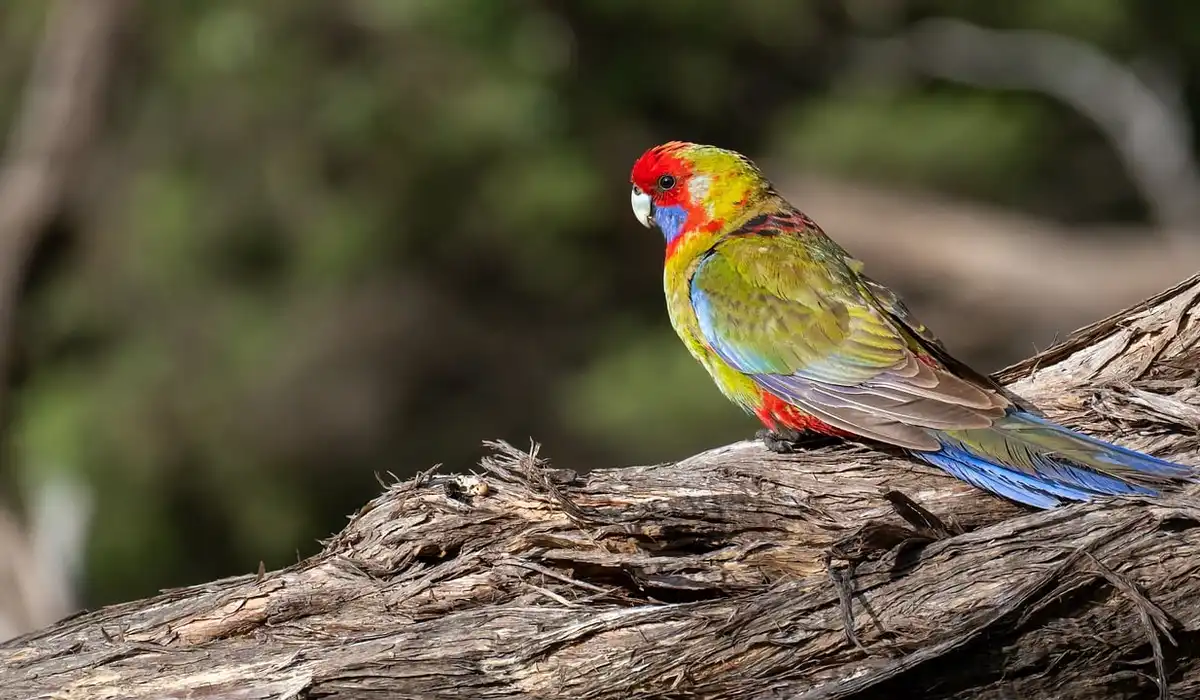
Watching a baby parrot grow is one of the most rewarding experiences. Each week brings tiny miracles, from their first wobbly steps to the moment their colorful feathers finally unfurl. I’ve raised Kiwi, Sunny, and Sage from chicks, and I still get a thrill remembering those early days.
Baby Parrot Development Timeline
Every parrot species grows at its own pace, but the fundamental stages are beautifully similar. You’re not just feeding a bird; you’re nurturing a little personality that’s learning to interact with the world. My Green-cheeked Conure, Kiwi, was a feisty explorer much earlier than my thoughtful African Grey, Sage.
Week-by-Week Changes in Feathers and Behavior
This is where you’ll see the most dramatic physical transformations.
- Weeks 1-3: They are mostly a sleepy, wobbly bundle of skin and fluff. Their eyes begin to open, revealing dark, curious pupils. Handle them with extreme care during feeding.
- Weeks 4-6: The pin feathers arrive! They look like little blue or white tubes poking through the skin. Your baby will become a wiggly, demanding dinosaur, constantly hungry and starting to make tiny chirps. This is when my Sun Conure, Sunny, found his voice.
- Weeks 7-9: The pins sheathe and true feathers explode into color. They become incredibly active, trying to climb, flap their wings, and play. This is a critical window for introducing soft, bird-safe toys to satisfy their natural chewing instinct.
- Weeks 10-12: Most babies are fully feathered and attempting their first real flights. Their personality solidifies-you’ll see if you have a bold adventurer like Kiwi or a cautious observer like Sage. They start showing clear food preferences beyond formula.
Supporting Immune Health and Nutrition
A strong start builds a healthy future. Think of the first 90 days as laying the foundation for your parrot’s entire life. A weak immune system now can lead to chronic issues later, which is heartbreaking for both of you.
I learned this the hard way when one of my first birds developed feather issues due to a poor diet. High-quality, species-specific hand-feeding formula is non-negotiable-it’s their complete life support. Always prepare it fresh for each feeding with precise water temperature.
Role of Calcium and Other Supplements
Calcium is the superstar of parrot chick development. Without enough calcium, they can develop metabolic bone disease, leading to soft, brittle bones and seizures. I always keep a cuttlebone in the weaning cage.
But it’s not just about calcium.
- Calcium: Critical for bone formation, nerve function, and proper feather growth. It must be balanced with phosphorus.
- Probiotics: I add a pinch to the formula. These good bacteria support their delicate gut, helping them absorb all that wonderful nutrition you’re providing.
- Vitamin A: Essential for a healthy respiratory system and bright eyes. You can find it in mashed sweet potato or carrots when they start weaning.
- Consult an Avian Vet: Never wing it with supplements. Your avian vet can recommend a specific supplement schedule based on your baby’s species, diet, and overall health. This personalized advice is priceless.
Essential Care Checklist for New Owners
Stepping into the role of a parrot parent is a whirlwind of joy and responsibility. Your daily commitment directly shapes your chick’s health and future personality, so consistency is your best friend. I learned this firsthand raising my Green-cheeked Conure, Kiwi; a solid routine prevented so many potential problems.
Daily and Weekly Tasks to Keep Your Chick Thriving
Think of your schedule as the steady heartbeat of your chick’s world. A predictable routine makes a baby parrot feel secure, which is the foundation for all other training and bonding. My flock, from the playful Kiwi to the wise Sage, all thrived on knowing what came next.
Hygiene, Feeding, and Socialization Routines
These three pillars support your baby’s growth every single day.
- Hygiene
- Clean food and water dishes with hot, soapy water every morning.
- Spot-clean the cage floor and perches of droppings and food debris.
- Change cage liner paper daily to prevent bacterial growth.
- Offer a shallow dish of warm water for bathing 2-3 times a week; many chicks love to splash around!
- Feeding
- Hand-feed formula on a strict schedule as advised by your avian vet.
- Always prepare fresh formula for each feeding and discard any leftovers.
- Introduce soft weaning foods like mashed sweet potato and finely chopped greens.
- Monitor crop emptying to ensure proper digestion.
- Socialization
- Spend at least 1-2 hours of interactive time outside the cage in a safe, supervised area.
- Practice gentle handling and step-up commands daily.
- Talk and sing to your chick frequently to build familiarity with your voice.
- Provide a variety of safe, chewable toys to encourage independent play and prevent boredom.
Quarantine and Safe Introductions
This step is non-negotiable for any responsible bird owner. A proper quarantine period protects your new baby and any existing pets from transmitting potential illnesses. I always kept new arrivals like Sunny in a separate room for a full 30 days before any introductions. This 30-day quarantine protocol applies to every new bird. Following it safeguards all our feathered family members.
How to Introduce Your Baby Parrot to Other Pets
Rushing this process can lead to stress, injury, or tragedy. Always prioritize the safety and comfort of all animals involved, keeping their natural instincts in mind. My dog was curious about Kiwi, but we took it incredibly slow.
- Complete the Quarantine. Keep your new parrot in a separate, well-ventilated room for at least 30 days. Use separate cleaning supplies and wash your hands thoroughly between handling pets.
- Familiarize Through Scent. After quarantine, swap a used toy or piece of fabric between the pets’ areas so they can get used to each other’s smell.
- Controlled Visual Contact. Allow your pets to see each other from a safe distance, with the parrot securely in its cage and the other pet leashed or held.
- Monitor Body Language. Watch for signs of stress in your parrot (flinching, screaming) or predatory interest from other pets (stalking, intense staring).
- Never Leave Them Unsupervised. Even the gentlest family dog or cat has instincts that can be triggered in a split second. Direct, out-of-cage interaction should be minimal and always under your full control.
Common Questions
How do I transition my baby parrot from formula to a full adult diet?
Start by offering soft, easy-to-eat foods like moistened pellets and mashed vegetables alongside regular formula feedings. Gradually reduce formula as your parrot shows consistent interest and consumption of solid foods, ensuring they maintain a healthy weight throughout the process. These steps align with general parrot dietary guidelines, which promote a balanced mix of pellets, fresh vegetables and fruits, with limited seeds. Monitor your parrot’s weight and adjust portions to keep them within a healthy range.
What are the most common behavioral challenges in the first 90 days and how can I address them?
Common challenges include fear of new objects and nipping as they explore with their beak. Address these with patient, positive reinforcement training and by ensuring they have plenty of appropriate, destructible toys to chew on.
When should I schedule my baby parrot’s first veterinary check-up?
You should schedule an initial wellness check with an avian veterinarian within the first week of bringing your parrot home. This establishes a health baseline and allows the vet to check for any congenital issues early on. Also, learn how to handle your parrot during vet visits to reduce stress. Gentle restraint and calm, steady movements help your bird stay cooperative during examinations.
In Closing
From my time raising Kiwi, Sunny, and Sage, I’ve seen how a steady routine with proper nutrition and gentle handling builds a strong bond in those first 90 days. Your daily interactions shape their trust and health for years to come. Keep their environment safe and engaging to prevent stress and encourage natural behaviors.
Owning a parrot is a lifelong promise that demands your attention and heart. Stay curious and keep learning to give your feathered companion the happy life they deserve. I always advocate for their welfare, so reach out to fellow bird lovers and resources to grow together in this journey.
Further Reading & Sources
- Psittacine Pediatrics: Housing and Feeding of Baby Parrots – Hagen Avicultural Research Institute
- Essential Training Tips for Baby Parrots: A Comprehensive Guide – Petpalace.uk
- The Science of Handfeeding and Weaning the Baby Parrot: Section One | The Aviator Harness
Suzanne Levine is a dedicated parrot enthusiast and experienced avian caregiver with over 15 years of hands-on experience in parrot care. As the founder of Parrot Care Central, Suzanne is passionate about sharing her knowledge and insights to help fellow parrot owners provide the best possible care for their feathered friends. Her expertise spans nutrition, behavior, health, and enrichment, making her a trusted resource in the parrot care community.
Chick Care