
Parrot Allergies: A Simple Guide for Bird Lovers
Is your love for parrots making you sneeze or itch unexpectedly? I’ve been there, with my curious Green-cheeked Conure Kiwi sparking similar reactions in my own home.
Let me help you understand what’s happening by sharing key insights from my years as a parrot owner.
- Spot the sneaky symptoms that signal a parrot allergy.
- Learn easy ways to cut down on allergens without stressing your bird.
- Know exactly when it’s time to talk to a doctor for relief.
You’ll walk away with clear, actionable advice to keep both you and your parrot happy.
Topics covered: common symptoms, allergy causes, home management tips, medical treatments, long-term care
Spotting the Signs of a Parrot Allergy
Your body might send you some pretty clear signals that it’s not getting along with your feathered friend. I learned this the hard way when my eyes would get red and puffy after handling Kiwi, my playful conure. It started subtly, and I almost didn’t connect the dots.
Watch out for these common allergy symptoms:
- Itchy, watery, or red eyes that feel like they have grit in them
- Sneezing fits or a constantly runny nose
- A tight feeling in your chest, coughing, or wheezing
- Skin rashes or hives, especially where feathers or dander touched you
These reactions can happen right after contact or build up over a few hours. My skin would sometimes break out in a faint rash on my arms, which was my biggest personal clue that something was off. Pay close attention to how you feel during and after cleaning the cage or having your parrot on your shoulder.
What’s Really Causing Your Reaction?
Many people wrongly blame parrot feathers for their allergies. The real troublemaker is usually a combination of microscopic particles that float around your bird’s environment. It’s not just one thing, but a team of irritants working together.
Here’s a breakdown of the usual suspects:
| Culprit | What It Is | Why It Bothers You |
|---|---|---|
| Dander | Tiny flakes of dead skin | It’s lightweight, becomes airborne, and is inhaled easily. |
| Dust | Powder from feather sheaths | Common in species like African Greys; it coats surfaces and lingers in the air. |
| Proteins | Found in droppings and saliva | Dries on feathers and becomes dust, triggering immune responses. |
| Mites | Microscopic external parasites | Their shed skins and waste can be potent allergens for some people. |
My African Grey, Sage, produces a fine white dust that settles on everything. Keeping up with this dust was the single biggest factor in reducing my own allergic sniffles and sneezes. Understanding the source is your first step toward managing the problem effectively.
Can You Suddenly Develop a Parrot Allergy?
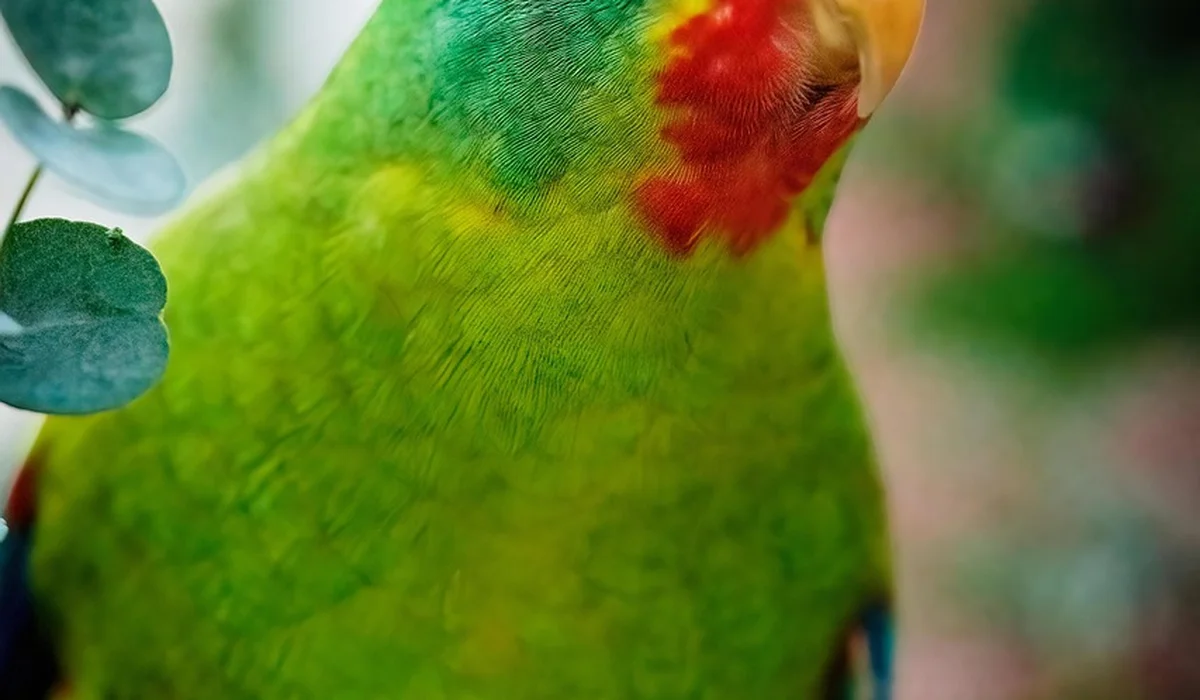
Yes, you can develop a parrot allergy out of the blue, even if you’ve spent years around birds without a single sniffle. Your immune system can shift gears unexpectedly, treating harmless proteins in bird dander, feathers, or droppings as threats. I’ve had friends who adored their parrots for a decade, then woke up one day with watery eyes and a scratchy throat around them.
Allergies often pop up due to changes like stress, illness, or increased exposure. Think of it like your body’s alarm system getting too sensitive over time, not a sign you did anything wrong. With my own flock-Kiwi, Sunny, and Sage-I’ve learned that consistent contact can sometimes trigger new sensitivities, so stay alert to subtle signs.
- Common triggers: dander, feather dust, dried droppings, or saliva
- Sudden symptoms: sneezing, itching, congestion, or skin rashes
- Risk factors: family history of allergies or asthma, prolonged bird care
Getting a Proper Diagnosis for Bird Allergies
Don’t guess-get a solid diagnosis to avoid unnecessary worry or actions that could harm your bond with your parrot. An allergist can pinpoint the cause through tests, so you’re not blaming your feathered friend for something else. When I noticed Sage’s dander bothering me, I scheduled an appointment right away to confirm it wasn’t just seasonal pollen.
Start by tracking your symptoms and when they occur, like after cleaning the cage or handling your bird. This detailed log helps your doctor connect the dots faster and recommend the right tests. I always advise fellow parrot owners to be honest about their pet’s role in their life, as it guides treatment that keeps everyone happy.
- Visit an allergist for a consultation and symptom review
- Undergo skin prick tests or blood tests to identify specific allergens
- Discuss results and create a tailored management plan
Easing Your Symptoms with Treatment Options
You have plenty of ways to tackle parrot allergies without giving up your beloved companion. Simple changes, like improving air quality or using medications, can make a huge difference in your daily comfort. With Kiwi’s playful antics, I’ve found that regular cage cleaning and an air purifier cut down on my sneezing fits dramatically.
Focus on solutions that respect both your health and your parrot’s well-being. Always prioritize non-invasive methods first, as harsh treatments can stress your bird and worsen the situation. I’ve seen too many parrots rehomed over allergies that could have been managed with a bit of effort and empathy. Different parrot species health risks should be recognized, so prevention should be tailored to your bird. Regular veterinary checkups and attentive at-home care help prevent common issues before they start.
Managing Mild to Severe Reactions
For mild reactions, over-the-counter antihistamines or nasal sprays can offer quick relief. Pair them with habits like washing your hands after handling your parrot and vacuuming frequently to reduce allergen buildup. Parrots are especially sensitive to environmental toxins in the home. Common cleaners, aerosols, and fumes from non-stick cookware can make them sick. Sunny’s social nature means I’m always close by, so I keep allergy meds on hand for those unexpected flare-ups.
Severe cases might need prescription steroids or immunotherapy shots. If breathing becomes difficult or rashes spread, seek medical help immediately to prevent emergencies. A simple respiratory distress checklist can help you spot breathing problems early in parrots. Look for signs like rapid breathing, open-mouth breathing, tail bobbing, or nasal discharge, and contact your vet promptly. I advocate for working with your vet and doctor to find a balance—like designating bird-free zones in your home—so your parrot stays part of the family.
- Mild options: antihistamines, decongestants, HEPA air filters
- Severe strategies: prescription inhalers, allergy shots, emergency epinephrine
- Lifestyle tweaks: wear a mask during cage cleaning, bathe your parrot regularly to reduce dander
Preventing Allergies from Worsening
Living with my flock taught me that proactive management is your strongest defense against escalating allergy symptoms. Once you notice a reaction, swift action can prevent a minor sniffle from becoming a major health issue.
Create an Allergy Management Routine
Consistency is more effective than occasional deep cleaning. I built a simple daily and weekly schedule that keeps the air clean for both me and my birds.
- Run a HEPA air purifier in the room where your parrot spends most of its time.
- Damp-dust surfaces and vacuum with a HEPA-filtered vacuum every day.
- Change your clothes after handling your bird or cleaning the cage.
- Wash your hands and face immediately after any close interaction.
Smart Cage and Room Setup
Where you place the cage and how you maintain it makes a huge difference. My conure Kiwi’s cage is in a well-ventilated room, but never in a bedroom where dander can accumulate on bedding.
- Use a cage with a dust-catching cover on top.
- Place washable mats or flooring underneath the cage for easy cleanup.
- Consider an air filter specifically near the cage area.
- Keep your parrot’s nails and wings trimmed to minimize dander spread from flapping.
Do Certain Parrot Breeds Trigger More Allergies?
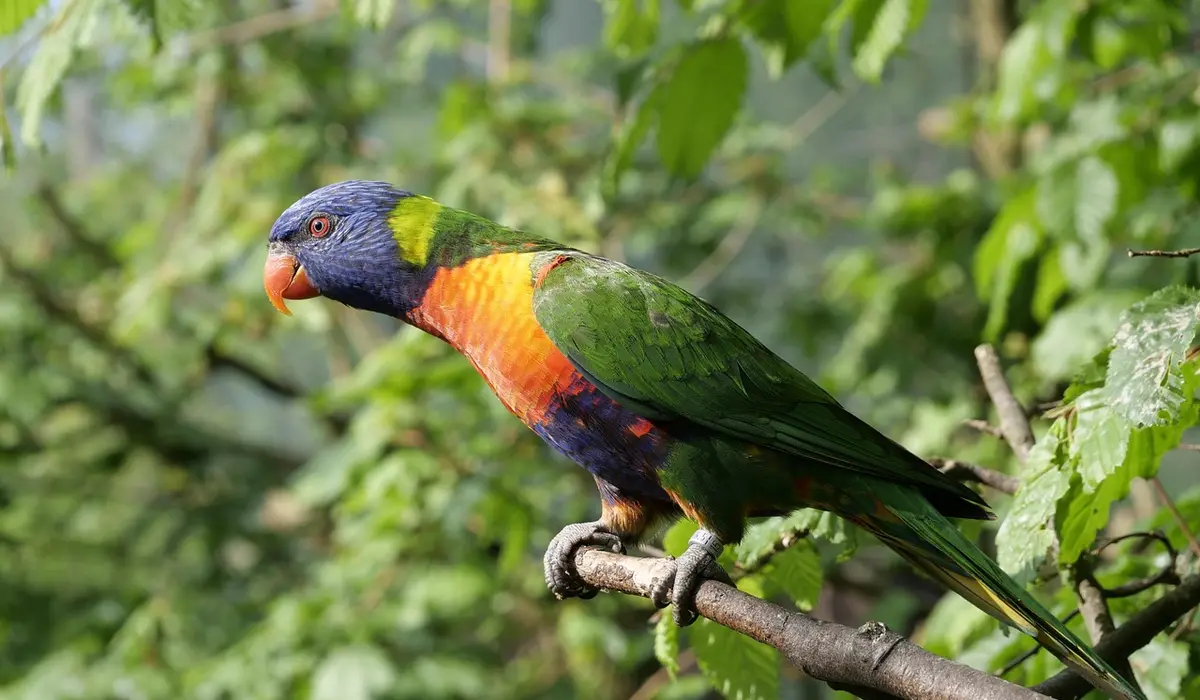
This is one of the most common questions I get, and the answer isn’t about breed, but about powder. Parrots that produce a fine white powder to preen their feathers are typically the biggest allergy triggers. This powder is like microscopic feathers that float in the air for hours.
My Sun Conure, Sunny, produces far less powder than my friend’s Cockatoo. After visiting their house, my clothes feel dusty, but a day with Sunny leaves no visible trace.
High-Dust Parrot Species
If you have severe allergies, you might want to avoid these “powder-down” birds.
- African Greys (like my calm Sage)
- Cockatoos and Cockatiels
- Amazon Parrots
Lower-Dust Parrot Species
These birds tend to produce less airborne powder, making them potentially better for sensitive individuals.
- Most Conures (like my playful Kiwi)
- Pionus Parrots
- Macaws (they produce dander, but it’s heavier and falls faster)
Remember, no parrot is truly hypoallergenic; it’s about managing the level of allergen you can handle. An individual bird’s grooming habits and your specific sensitivity will determine your reaction more than the species alone.
Living Happily with Your Parrot Despite Allergies
I developed mild allergies to my birds a few years into parrot ownership. Giving them up was never an option, so I learned to adapt our life together. You can maintain a deep bond with your feathered friend while keeping your health in check.
Establish Allergy-Free Zones
Your bedroom should be a sacred, parrot-free space. This gives your body at least 8 hours each night to recover without constant allergen exposure. I trained my birds that the bedroom is off-limits, and it made a noticeable difference in my morning congestion.
Work With Your Doctor
Don’t try to tough it out alone. An allergist can provide solutions that make cohabitation much more comfortable.
- Prescription antihistamines are often more effective than over-the-counter options.
- Nasal sprays can reduce inflammation in your nasal passages.
- Allergy shots (immunotherapy) can gradually desensitize your immune system to parrot dander.
Redefine Bonding Activities
You might need to change how you interact, but the connection can remain just as strong. I do most of my cuddling with Kiwi while wearing a comfortable, clean long-sleeve shirt that I remove immediately afterward.
- Train your parrot to enjoy activities that don’t involve direct contact, like foraging games.
- Speak to them frequently from a short distance instead of always having them on your shoulder.
- Invest in interactive toys that keep them engaged when you need to limit handling.
The goal isn’t to eliminate all contact, but to create a sustainable balance where both you and your parrot thrive. With some adjustments, I’ve maintained my deep bonds with all my birds while keeping my allergy symptoms under firm control.
FAQs
Do environmental factors influence parrot allergies?
Yes, environmental factors like humidity, air quality, and ventilation can affect allergen levels in your home. For instance, low humidity may reduce dust mite populations, while good airflow helps disperse dander and powder.
What foods can trigger allergies in parrots?
Common food allergens for parrots include nuts, seeds, and certain fruits like citrus or strawberries. Watch for symptoms such as feather plucking, skin irritation, or digestive upset after introducing new foods. These cautions align with general parrot dietary guidelines, which emphasize a balanced mix of pellets, fresh fruits and vegetables, and limited seeds. Introduce new foods gradually and monitor your bird’s response.
How to care for a parrot with allergies?
If your parrot has allergies, consult an avian veterinarian for a proper diagnosis and treatment plan. Remove suspected allergens from their environment and provide a balanced diet to support their immune system. For a complete guide to cleaning your parrot’s environment safely, follow our quick tips on non-toxic cleaners and regular cage hygiene.
What causes allergies in parrots?
Allergies in parrots can be triggered by inhaled irritants like pollen, mold, or dust, as well as contact with certain materials. Food ingredients or chemicals in cleaning products may also provoke allergic reactions. To reduce risk, opt for bird-safe cleaners and follow label directions. Ensure good ventilation and that surfaces are completely dry before your parrot is allowed back in.
How are parrot allergies diagnosed?
Diagnosis typically involves a vet conducting a physical exam and reviewing the parrot’s history and symptoms. They may recommend allergy testing, such as blood tests or elimination trials, to identify specific triggers.
In Closing
Living with a parrot allergy is about smart management, not just suffering. You can build a happy home by focusing on consistent cleaning, using air purifiers, and designating bird-free zones to keep dander under control. Learning how to manage parrot dander effectively is key. Always partner with your doctor to find the right allergy treatment plan for your specific situation.
Choosing to live with a parrot is a long-term commitment to a sensitive, intelligent creature. Your dedication to learning and adapting for your feathered friend’s well-being is the truest mark of a fantastic parrot owner. Keep exploring and growing in your parrot care knowledge—it makes all the difference. To choose the right pet parrot for your home lifestyle, assess your space, routine, and noise tolerance. A good match helps both you and your feathered friend thrive.
Further Reading & Sources
- Parrot Allergy: Signs, Diagnosis & TreatmentParrots
- Understanding And Managing Parrot Allergies | Poodles and Parrots
- Comprehensive Guide: Diagnosing and Managing Bird Allergies 2025 | Wyndly
Suzanne Levine is a dedicated parrot enthusiast and experienced avian caregiver with over 15 years of hands-on experience in parrot care. As the founder of Parrot Care Central, Suzanne is passionate about sharing her knowledge and insights to help fellow parrot owners provide the best possible care for their feathered friends. Her expertise spans nutrition, behavior, health, and enrichment, making her a trusted resource in the parrot care community.
Health & Wellness