
Incomplete Behavioral Queries: Why Your Questions Don’t Get Full Answers
Ever asked a question and gotten a half-baked, confusing response that left you more puzzled than before? You’re not alone. This frustrating experience often stems from a poorly formed query that fails to capture your true intent.
I’ve spent years studying how people search for information, and I’m here to help you craft better questions. We’ll cover the main reasons your queries fall short and give you practical fixes.
- Why vague questions get vague answers and how to fix them
- How to spot and correct common query mistakes before you hit search
- Real-world examples to transform weak questions into powerful ones
You’ll walk away with clear, actionable advice to improve your search skills immediately.
The Problem with Incomplete Queries, How to Structure Complete Questions, Tools to Test Your Queries, Fixing Real-World Examples, Advanced Tips for Complex Searches
Decoding Aggression and Fear from Partial Information
Identifying Missing Data in Biting Incidents
When your parrot bites, it’s easy to jump to conclusions about aggression, but I’ve learned from my Green-cheeked Conure, Kiwi, that there’s often more to the story. Biting rarely happens in a vacuum; it’s usually a response to something you might have missed in the moment. Kiwi once nipped my finger when I reached too quickly into her cage, and I realized it wasn’t malice—it was fear from sudden movement. That distinction—fearful versus aggressive signals—matters for how you respond. Learning to read those cues can help prevent bites.
To uncover the real cause, you need to piece together the puzzle. Start by asking yourself what happened right before the bite, as this can reveal triggers like loud noises or changes in routine. I keep a small journal for my parrots to track these incidents, which helps me spot patterns over time.
- Observe body language: Fluffed feathers or pinned eyes often signal discomfort.
- Check the environment: New objects or people can spark fear-based reactions.
- Note timing: Bites during feeding or play might stem from overexcitement, not anger.
In my experience, addressing these gaps has turned biting from a mystery into a manageable issue. Socializing your parrot gradually with positive exposure to people, places, and routines helps prevent fear-based biting and builds confidence. Always approach with calm, slow movements to build trust and reduce fear-driven bites. This not only keeps you safe but also supports your parrot’s emotional well-being.
Clarifying Screaming and Vocalization Ambiguities
Parrot screams can be confusing-are they happy, scared, or just seeking attention? With my Sun Conure, Sunny, I’ve seen how vocalizations vary wildly based on context. Screaming isn’t always a problem; it’s their way of communicating needs or emotions in a noisy world. Sunny lets out high-pitched calls when I come home, which I now recognize as joyful greetings, not distress.
To decode these sounds, focus on the situation around them. Loud, persistent screams might mean boredom or loneliness, while short, sharp ones could indicate alarm. I’ve found that providing mental stimulation, like foraging toys, cuts down on unnecessary noise by keeping them engaged.
- Listen for patterns: Note if screams happen at specific times, like dawn or dusk.
- Assess their surroundings: Changes in light or noise levels can trigger vocal outbursts.
- Respond appropriately: Reward quiet behavior with treats to encourage calmness.
By tuning into these details, you can respond with empathy instead of frustration. Remember, screaming is a natural behavior, so work with it rather than trying to eliminate it completely. This approach has helped me build a happier, more harmonious home for all my birds.
Understanding Feather and Preening Behaviors with Incomplete Context
Feather Plucking and Data Sparsity
Feather plucking is one of the most heart-wrenching issues parrot owners face, and it’s often misunderstood due to sparse information. From caring for Sage, my African Grey, I’ve seen how plucking can stem from hidden stressors like poor diet or lack of social interaction. It’s a challenge that requires patience and proper care. Early on, I noticed Sage pulling at his feathers when left alone too long, prompting me to enrich his environment with puzzles and more out-of-cage time.
To fill in the data gaps, look beyond the obvious. Feather loss might not be plucking at all-it could be molting or a health issue, so a vet check is crucial. I always advocate for regular health screenings to rule out physical causes first.
- Evaluate diet: Nutrient deficiencies can lead to skin irritation and plucking.
- Monitor social needs: Parrots are flock animals; isolation can trigger self-harm.
- Check for environmental factors: Poor air quality or inadequate lighting might contribute.
Addressing these factors proactively can make a huge difference. By gathering a full picture, you can intervene early and support your parrot’s overall welfare. In my flock, this vigilance has prevented chronic issues and fostered healthier feathers. Different parrot species have distinct health risks, so prevention care tailored to each bird is key. With that approach, you can catch issues early and keep your flock healthier.
Preening and Scratching Ambiguities
Preening and scratching seem straightforward, but without context, they can mask underlying problems. Normal preening keeps feathers clean and aligned, but excessive scratching might point to mites or dry skin. Kiwi, for instance, scratches more in dry weather, so I’ve added a humidifier to her space to ease discomfort.
Watch for subtle signs that something’s off. If your parrot is preening obsessively in one spot, it could indicate pain or irritation that needs attention. These cues are part of a broader guide on recognizing signs of pain and a parrot’s subtle body language. I make it a habit to gently inspect my parrots during handling sessions to catch issues early. Being familiar with this guide helps you respond quickly and seek care when needed.
- Observe frequency: Occasional scratching is fine, but constant rubbing warrants a closer look.
- Note location: Focus on areas like the head or wings where problems often start.
- Consider grooming habits: Over-preening might relate to stress or boredom.
Understanding these behaviors helps you provide better care. Regular, gentle interactions allow you to spot changes quickly and keep your parrot comfortable and healthy. This hands-on approach has strengthened the bond with my birds and ensured their well-being.
Interpreting Social and Flock Dynamics from Partial Observations
Flock Introductions and Missing Context
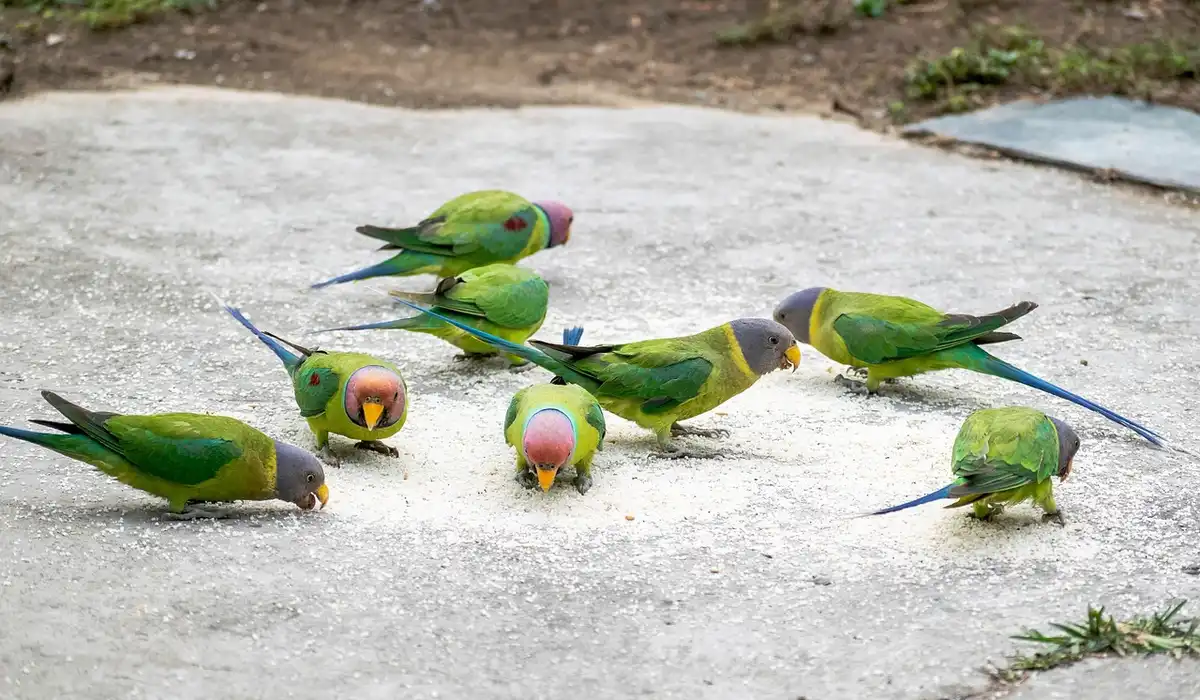
When you bring a new parrot home, it is easy to miss key social cues if you only catch glimpses of their interactions. I learned this firsthand when introducing Kiwi, my playful Green-cheeked Conure, to Sunny, the social Sun Conure-initially, I saw Sunny fluffing up and Kiwi backing away, but without full context, I assumed aggression instead of cautious curiosity. Parrots communicate through subtle body language, and partial observations can lead to misunderstandings that stress the birds. Start by monitoring their behaviors in short, supervised sessions to build a complete picture over time.
Watch for signs like head bobbing, feather positioning, or vocalizations that might indicate comfort or tension. In my flock, Sage, the calm African Grey, often mediates by mimicking calming sounds when others get too rowdy, which I only noticed after piecing together weeks of partial sightings. Always prioritize gradual introductions to reduce fear and promote bonding, as rushing can harm their welfare. Use these steps to refine your approach:
- Observe interactions from a distance to avoid influencing their behavior.
- Note any repeated actions, like one bird consistently avoiding another, and adjust their environment to ease tension.
- Provide separate perches and feeding areas initially to prevent resource guarding.
Cage and Space-Related Query Refinement
Cage setup plays a huge role in parrot behavior, but incomplete queries like “my parrot is pacing” often miss the root cause. When Sage started chewing on cage bars, I initially thought it was boredom, but refining my observation revealed it was stress from insufficient flying space in his enclosure. Parrots need room to stretch their wings and explore, so always assess cage size, bar spacing, and enrichment options to address ambiguous behaviors.
Look for clues like feather condition, vocal changes, or repetitive movements that hint at spatial issues. In my experience, adding more toys and perches transformed Kiwi’s restless pacing into playful climbing, showing how small tweaks based on partial data can improve their well-being. Refine your queries by asking specific questions about cage dimensions and daily activity levels. Consider these factors to spot problems:
- Check if the cage allows for natural behaviors like flying short distances or foraging.
- Monitor how often your parrot uses different areas of the cage-neglect might signal discomfort.
- Ensure perches vary in texture and height to support foot health and reduce stress.
Recognizing Health and Stress Indicators with Incomplete Symptoms
Spotting Illness from Ambiguous Clues
Parrots often hide illness until it is advanced, so ambiguous clues like slight lethargy or reduced appetite require careful interpretation. I once noticed Sunny, usually vocal and bright, sitting quietly for hours—a subtle change that prompted me to check for other signs like ruffled feathers or watery eyes, leading to an early vet visit for a respiratory issue. A quick respiratory distress checklist can help spot breathing problems early—look for rapid or labored breathing, tail bobbing, or open-mouth breathing. If any of these signs appear, seek veterinary care promptly. Trust your instincts and look for patterns in behavior shifts, as early detection can save your bird from serious health problems.
Combine observations over time to build a fuller health picture. For instance, Kiwi’s occasional sneezing seemed harmless alone, but paired with a drop in playfulness, it revealed a need for humidity adjustments in his environment. Always advocate for regular check-ups and note any deviations from their normal routines. Keep an eye out for these common ambiguous signs:
- Changes in droppings-color or consistency shifts can indicate digestive issues.
- Subtle weight loss or gain-monitor through regular handling and perch preferences.
- Altered sleep patterns, like frequent night waking, which might point to stress or pain.
Stress Behaviors and Intent Inference
Stress in parrots can manifest in ways that are easy to misinterpret, such as feather plucking or excessive screaming. When Sage began plucking feathers, I had to infer if it was due to boredom, loneliness, or a health issue-by observing his environment and social interactions, I realized it was a cry for more mental stimulation. Understanding the intent behind these behaviors helps you address the root cause rather than just the symptoms, promoting a happier, healthier bird.
Use context to differentiate between stress and other motivations. In my flock, Sunny’s loud calls initially seemed aggressive, but inferring intent showed it was his way of seeking attention after a change in routine. Reduce stress by providing consistent schedules and enrichment, and always consider their natural flock instincts. Follow these steps to decode stress behaviors:
- Document when and where the behavior occurs to identify triggers.
- Experiment with environmental changes, like adding hiding spots or reducing noise, to see if behaviors improve.
- Consult a vet or behaviorist if patterns persist, as some stress signs overlap with medical issues.
Clarifying Playful and Affectionate Actions from Implicit Meanings
Play Behaviors and Uncertainty Handling
When your parrot acts in ways that puzzle you, it often stems from playful instincts. Observing body language clues like fluffed feathers or excited chirps can reveal if it’s fun, not fear. My Green-cheeked Conure, Kiwi, loves to toss toys around, but sometimes he nips gently-a playful invite, not aggression.
Handling uncertainty starts with pausing and watching for patterns. You can reduce confusion by noting the time of day or recent changes in their environment. Short, frequent observations help you catch subtle cues before jumping to conclusions.
- Check for relaxed posture: wings slightly open, eyes bright.
- Listen for soft, repetitive sounds indicating curiosity.
- Offer a safe toy to redirect energy and gauge interest.
I recall Kiwi’s habit of hiding under papers-it seemed odd, but it was his way of playing peek-a-boo. Always approach with patience, as rushing can turn play into stress for your bird.
Affectionate Gestures and Disambiguation
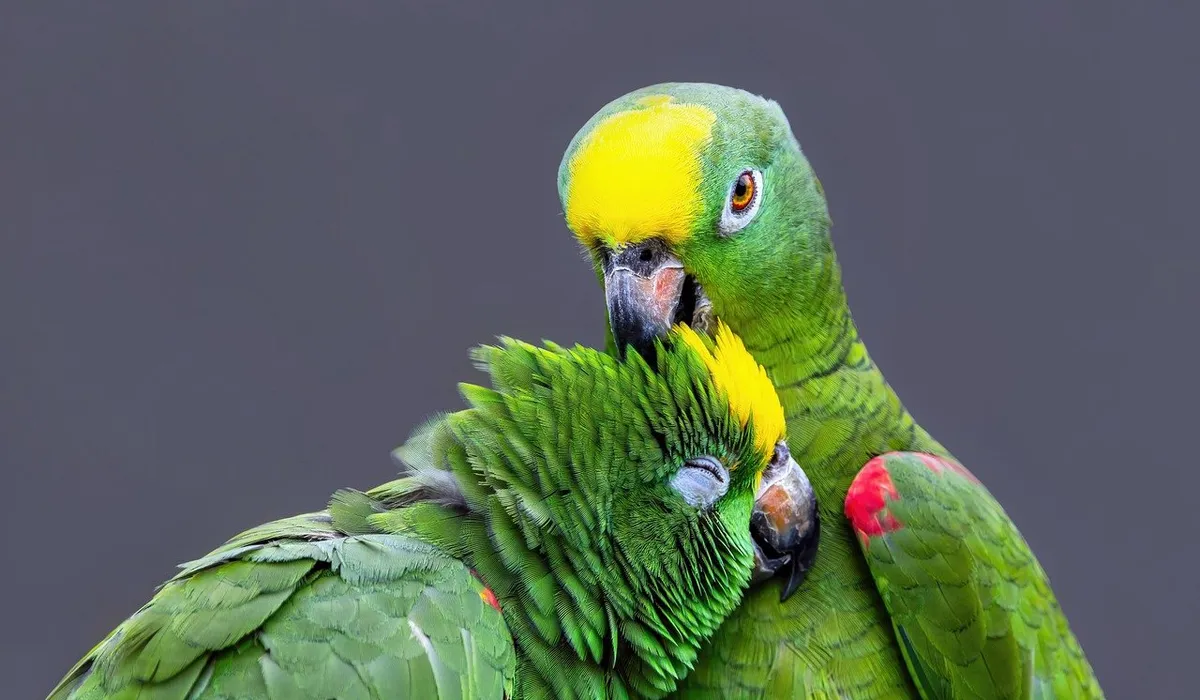
Affection in parrots can be subtle and easily mixed up with other behaviors. Disentangling these gestures requires looking at context and consistency. My Sun Conure, Sunny, often rubs her beak on my hand, which is a sign of bonding, not just grooming.
Watch for gentle preening or soft vocalizations as clear affection markers. If your bird leans into your touch or follows you closely, it’s likely seeking connection. Sunny’s morning cuddles are her way of saying she trusts me, not that she’s hungry.
- Identify repetitive actions: head bobbing or gentle nibbling.
- Note if the behavior occurs during calm moments, not feeding times.
- Respond with calm reinforcement, like soft talking or gentle petting.
Misreading affection as demand can lead to frustration. By affirming positive interactions, you build a deeper bond without confusing your parrot.
Handling Training and Discipline Queries with Partial Input
Training Challenges and Prompt Completion
Training parrots with incomplete information can stall progress, but filling in the gaps is key. Start by breaking down behaviors into small, manageable steps to spot what’s missing. When progress stalls, diagnose the plateau and identify which cue or step is missing. Then apply the same incremental, gap-filling approach you use for new tricks. With my African Grey, Sage, I used incremental rewards to teach tricks, adjusting based on his responses.
Use positive reinforcement to complete unclear prompts. If a command isn’t working, check for distractions or health issues that might be overlooked. Short, consistent sessions prevent overwhelm and keep your bird engaged.
- Define the desired outcome clearly, like “step up” or “stay”.
- Observe your parrot’s reaction to identify resistance points.
- Adjust your approach based on their comfort, using treats or praise.
I’ve found that parrots like Sage thrive on routine. Keeping training simple and repetitive builds confidence for both of you. Regular, short training sessions help address common behavioral issues by reinforcing calm responses and clear boundaries. With steady practice, unwanted behaviors tend to fade as positive habits take their place.
Discipline and Behavioral Reasoning
Discipline in parrot care isn’t about punishment—it’s about guiding behavior with empathy. Reasoning behind actions helps you address root causes, not just symptoms. For instance, if Kiwi chews furniture, it might be boredom, not defiance. Understanding why parrots bite—what triggers the behavior and what underlying causes are—helps you anticipate and prevent it. By mapping triggers, you can adjust your environment and routines to reduce biting.
Focus on redirecting negative behaviors to positive outlets. Use time-outs or gentle discouragement without raising your voice, as parrots sense stress easily. I always advocate for methods that respect the bird’s welfare, like providing chew toys instead of scolding. Staying calm helps a scared or stressed parrot feel safe. Over time, calm handling reduces stress and promotes trust.
- Identify triggers: loud noises, lack of stimulation, or diet changes.
- Implement consistent responses to reinforce good habits.
- Monitor progress over days to see if the behavior improves.
From my experience, understanding why a behavior occurs leads to lasting solutions. This approach fosters a happy, well-adjusted parrot who feels secure in your care.
FAQs
How can I improve my questions about my parrot’s behavior to get better answers?
Focus on including specific details like the timing, environment, and your parrot’s body language in your queries. This helps others understand the full context and provide more accurate advice for your situation.
What should I avoid when asking about parrot training or discipline issues?
Avoid vague terms and assumptions about intent, as these can lead to misleading responses. Instead, describe the behavior objectively and note any recent changes in routine or environment to clarify the issue.
How do I ensure my queries cover all necessary information for health-related concerns?
Always mention observable symptoms, duration, and any potential stressors in your questions to give a complete picture. Combining this with regular vet check-ups ensures you address both behavioral and medical aspects effectively.
Closing the Loop
To truly understand your parrot, you must become a patient observer of their incomplete behaviors. Look for the subtle cues and patterns in their actions, as these are the real keys to communication. By identifying the triggers and responding with consistent, gentle guidance, you can help your feathered friend feel more secure and understood.
Remember, caring for a parrot is a lifelong journey of learning and adaptation. Always prioritize their welfare by staying curious, consulting with avian vets, and connecting with fellow parrot enthusiasts. Your commitment to understanding their unique language is the foundation of a happy, healthy life together.
Further Reading & Sources
- Understanding and answering incomplete questions – Amazon Science
- Understanding and Answering Incomplete Questions
- ACT and SAT Punctuation 101: Complete and Incomplete Sentences – PrepMaven
Suzanne Levine is a dedicated parrot enthusiast and experienced avian caregiver with over 15 years of hands-on experience in parrot care. As the founder of Parrot Care Central, Suzanne is passionate about sharing her knowledge and insights to help fellow parrot owners provide the best possible care for their feathered friends. Her expertise spans nutrition, behavior, health, and enrichment, making her a trusted resource in the parrot care community.
Mating Behavior