
The Ultimate Guide to Foraging: How to Enrich Your Parrot’s Diet
Published on: December 19, 2025 | Last Updated: December 19, 2025
Written By: Suzanne Levine
Is your parrot’s diet feeling a little too predictable and boring, leaving you worried they aren’t getting the mental and physical nutrition they truly need?
I’ve been there with my own flock, and I can help. We’ll explore how the simple act of foraging can transform your bird’s life.
You will learn three key things:
Why foraging is a biological necessity for parrots, not just a fun activity.
How to safely identify and introduce new, exciting foods into their routine.
Practical, easy-to-make foraging toys that stimulate their natural instincts.
Parrots can also enjoy cucumbers as a hydrating, low-calorie snack. When offering cucumbers, wash thoroughly, cut into bite-sized pieces, and remove seeds if desired to reduce choking risk.
By the end of this guide, you’ll have a clear, step-by-step plan to create a more engaging and healthier life for your feathered friend.
Topics covered: The science behind foraging, safe vs. toxic plants, DIY foraging toy ideas, introducing new foods, observing your parrot’s behavior, common mistakes to avoid
Understanding Foraging: More Than Just a Meal
Foraging is the natural behavior of searching for food. It’s the ultimate treasure hunt for your parrot, turning every meal into an engaging activity. Wild parrots spend most of their day flying, exploring, and working for their food, a far cry from the simple bowl of pellets we often provide. Understanding what parrots eat in the wild can help you create more enriching foraging opportunities.
My Green-cheeked Conure, Kiwi, is a perfect example of this instinct in action. Even when his food dish is full, he’ll meticulously pick out a single pellet, fly across the room, and “hide” it under a rug corner before going back for more. He isn’t hungry; he’s hardwired to work for and protect his resources. My Sun Conure, Sunny, will spend twenty minutes carefully dismantling a piece of corn on the cob, while Sage, my African Grey, uses her powerful beak to pry open nut pods I’ve tucked into her play gym.
Foraging isn’t an optional extra; it’s a core need. This behavior directly fuels their brainpower and satisfies a deep-rooted psychological need to explore and accomplish a task. It transforms feeding time from a passive event into an active, enriching part of their daily routine.
The Surprising Benefits of Foraging for Parrot Health
The advantages of a foraging-based diet go far beyond simple entertainment. The physical and mental health improvements you’ll see are immediate and profound.
Physical Perks
- Better Hydration: When I hide chunks of cucumber or orange in foraging toys, my parrots consume far more water-rich foods than they ever would from a bowl.
- Balanced Vitamin A & Calcium: Foraging on fresh dark leafy greens like kale and chopped sweet potato became a game for Sunny. Her feather color became noticeably more vibrant after a few months of this active eating.
- Healthy Weight Management: Making Kiwi work for his favorite sunflower seeds meant he ate them slowly and thoughtfully, preventing him from overindulging in a single sitting.
Mental Gains
- Reduced Boredom & Feather Plucking: Sage used to get restless in the afternoons. Introducing a simple cardboard box filled with shredded paper and almonds completely stopped her from picking at her chest feathers.
- Boosted Problem-Solving Skills: Watching Kiwi figure out how to slide a door or untie a knot to get a treat is like watching a tiny, feathered engineer at work. This mental workout builds confidence and prevents cognitive decline.
- Improved Mood & Activity Levels: My flock is noticeably more active, chirpy, and engaged throughout the day. Foraging gives them a sense of purpose and burns off their boundless energy in a positive way.
Getting Started with Foraging: Easy Steps for Beginners
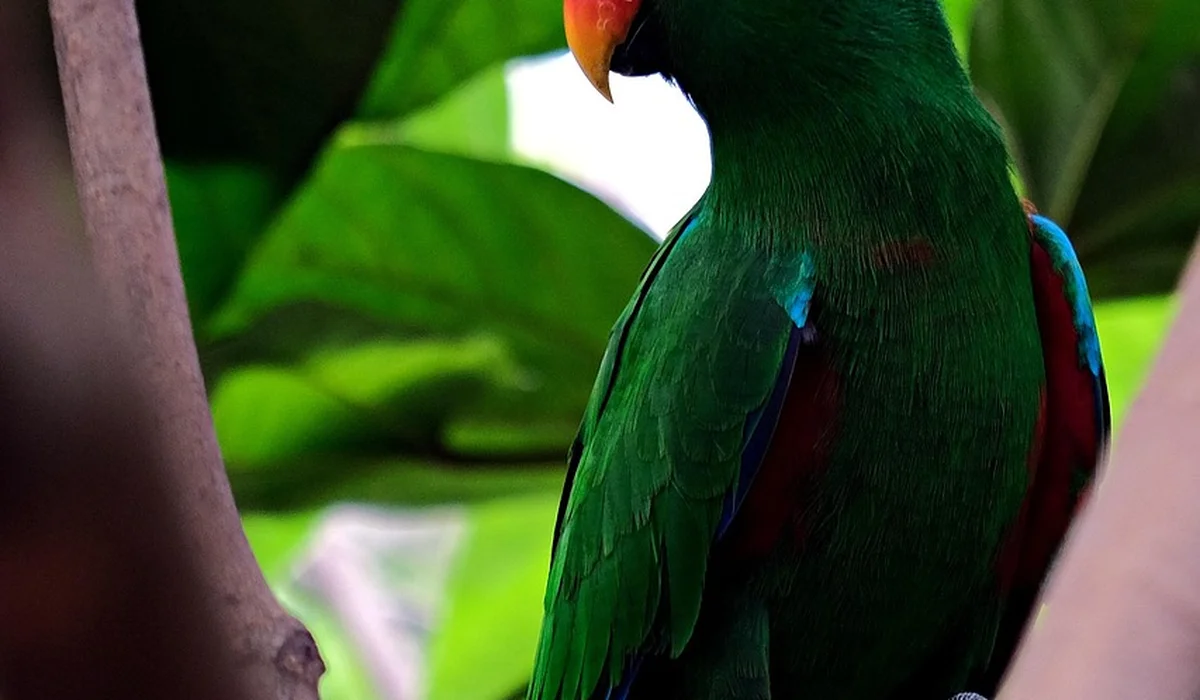
Introducing foraging to your parrot doesn’t need to be overwhelming. The key is to build their confidence slowly, turning mealtime into a fun puzzle they can’t wait to solve. I started this journey with my Green-cheeked Conure, Kiwi, and his initial confusion quickly blossomed into pure, tail-wagging excitement.
Your Step-by-Step Guide to Interactive Feeding
Follow this simple progression to ensure your parrot feels safe and engaged from day one.
- Start with the Familiar. Place a few pieces of their regular pellet or seed mix right on top of a new foraging toy in their cage. This lets them investigate without pressure.
- Make it Easy to Access. For the first few days, use toys where the food is barely hidden. Think cardboard trays or paper cups with large holes they can easily see into.
- Celebrate Every Success. The moment they interact with the toy or retrieve a single piece of food, offer enthusiastic praise. Your positive reaction is a huge reward.
- Slowly Increase the “Work.” Once they’re consistently getting the easy food, you can begin to loosely crumple paper over the treats or use a toy with a slightly more complex mechanism.
Choosing and Scaling Your Foraging Puzzles
Begin with puzzles that require minimal effort and gradually introduce more challenging ones as your parrot’s skills grow.
- Simple Starters: Paper bags, muffin tins with a few foot toys covering the cups, or a shallow box filled with crinkled paper and food.
- Intermediate Challenges: Foraging wheels, small puzzle boxes with sliding lids, or toys that require pulling a string or lever. My Sun Conure, Sunny, adores these.
- Advanced Brain Games: Multi-step puzzles with compartments, combination locks (using easy-to-manipulate parts), or toys that require tool use. My clever African Grey, Sage, thrives on this level of mental stimulation.
Always supervise your parrot with a new toy to ensure they are using it safely and not becoming frustrated. In positive reinforcement training, rewarding successful attempts with praise or treats helps them learn through exploration. A little struggle is good for learning, but giving up entirely means you may have moved too fast. Keep sessions short and gradually add rewards to shape the behavior.
Spark Their Interest with High-Value Treats
If your parrot is hesitant at first, the right motivation makes all the difference.
- Use tiny pieces of their absolute favorite foods-for my flock, that’s pine nuts and a bit of dried mango.
- Reserve these special treats exclusively for foraging activities. This builds a powerful, positive association with the new toys.
- Place the high-value treat so it’s the first thing they find, creating an instant “win” and encouraging them to search for more.
Using these coveted foods transforms foraging from a strange new activity into a rewarding treasure hunt they’ll eagerly anticipate. It’s a beautiful way to support their natural behaviors and provide outstanding mental enrichment.
Safe and Unsafe Foods: What to Include in Foraging Fun
Getting the menu right for your foraging activities is the difference between a fun enrichment game and a potential vet visit. I’ve learned through trial and error with my own flock that knowing exactly what’s safe builds your confidence and keeps your birds chirping happily.
Parrot-Safe Foraging Foods
Think of this as your grocery list for creating exciting and nutritious foraging puzzles. Variety here is your best friend.
Fantastic Fruits
- Apples (seeds removed)
- Berries (blueberries, raspberries, strawberries)
- Melons (cantaloupe, watermelon)
- Papaya
- Mango
- Pears
- Pitted cherries
Vital Vegetables
- Sweet potatoes (cooked)
- Carrots
- Broccoli and cauliflower
- Leafy greens (kale, spinach, Swiss chard)
- Bell peppers (all colors)
- Peas
- Zucchini and squash
Seeds and Nuts (As Occasional Treats)
- Pumpkin seeds
- Sunflower seeds
- Almonds
- Walnuts
- Pecans
My conure Kiwi goes wild for a walnut hidden in a cardboard tube, but I always make sure these high-fat treats are just a small part of her overall diet.
Dangerous Foods: A Must-Avoid List
Some common human foods are incredibly toxic to parrots. I keep this list pinned to my fridge as a constant reminder. For a complete list of foods to avoid for parrots, I consult trusted guides and vet recommendations. This helps me prevent accidental poisonings and keep my bird safe.
- Avocado: Every part, including the pit and skin, can cause cardiac distress.
- Chocolate: Contains theobromine, which is poisonous to birds.
- Caffeine: Coffee, tea, and soda are a definite no.
- Onions and Garlic: Can lead to anemia by destroying red blood cells.
- Salty or Sugary Foods: Processed snacks disrupt their delicate systems.
- Alcohol: Absolutely never, not even a taste.
- Fruit Pits and Apple Seeds: These contain trace amounts of cyanide.
When in doubt, leave it out-this simple rule has saved me from many a worried moment with my birds.
Why a Varied Diet is Everything
Feeding the same seed mix day after day is like a human eating only crackers. It fills the belly but starves the body of essential nutrients.
A diverse diet does so much more than prevent boredom.
- It supports a stronger immune system to fight off illness.
- It leads to brighter, more vibrant feathers.
- It provides the energy needed for play and mental stimulation.
- It can even improve your bird’s mood and tameness.
I see the direct results with my African Grey, Sage; her problem-solving skills and feather quality improved dramatically when I committed to a colorful, varied plate. Rotating different safe foods through your foraging toys mimics the diversity they would find in the wild, making mealtime an adventure that nourishes their body and mind.
DIY Foraging Ideas: Homemade Toys and Treats
My flock, especially my curious Green-cheek Kiwi, thrives when I make foraging items from scratch. Creating these yourself is not only cost-effective, but it also lets you control exactly what your parrot interacts with and eats.
Simple Foraging Mix Recipes
You don’t need a gourmet kitchen to make your parrot’s food exciting. These are homemade parrot food recipes—healthy, nutritious options you can tailor to Sage’s tastes and dietary needs. They’re simple to prepare with everyday ingredients. Here are two of my go-to recipes that Sage, my African Grey, absolutely adores.
- Shredded Paper Surprise: Take a brown paper lunch bag and fill it with a handful of your parrot’s regular pellets, a few unsalted nuts, and some crinkled, dye-free paper strips. Fold the top over and watch them tear into it.
- Wooden Skewer Kabobs: Skewer chunks of bird-safe wood, followed by pieces of apple, carrot, and a dried chili pepper. Hang it in the cage. My Sun Conure, Sunny, will work on one of these for hours.
Enrichment Toys from Household Items
Before you recycle, look at your trash with a parrot-parent’s eye. Many items are perfect for a quick and safe toy.
- Cardboard Roll Forager: Take an empty toilet paper or paper towel roll. Fold one end closed, drop in some nutri-berries or safflower seeds, then fold the other end shut. It’s an instant puzzle.
- Muffin Tin Treasure Hunt: Grab a muffin tin and place a small treat in a few of the cups. Cover all the cups with crumpled paper balls or bottle caps. Your parrot will have a blast uncovering the hidden prizes.
Fruit and Veggie Foraging Puzzles
Mimicking the act of digging for food in the wild is incredibly stimulating. These puzzles use fresh food as both the reward and the challenge.
- Stuffed Bell Pepper: Take a whole bell pepper and carefully cut a small “door” in the side. Scoop out some of the seeds and membrane, then stuff the cavity with leafy greens and a few pieces of cooked quinoa or whole-wheat pasta. This creates a vibrant, edible puzzle that encourages natural shredding and probing behaviors.
- Frozen Fruit Block: Mix small pieces of chopped apple, blueberries, and peas in a small container with a little unsweetened fruit juice or water. Freeze it solid. On a warm day, pop the ice block out and offer it to your parrot. They’ll lick and chip away at it to get to the frozen treats inside.
- Weaved Veggie Mat: Cut thin strips of carrot, zucchini, and sweet potato. Weave them loosely through the bars of their cage or a clean, unused vegetable rack. This simple setup forces them to work for their food, just as they would plucking fruits and nuts from dense foliage.
Choosing the Right Foraging Toys for Your Parrot
Finding the perfect foraging toy feels like matching a puzzle piece to your parrot’s unique mind. I’ve learned that the right toy can turn a bored bird into a busy, happy forager in minutes.
Types of Foraging Toys for Every Parrot
Foraging toys come in many shapes, each suited to different sizes and personalities.
- Shredders: Made from paper, cardboard, or soft wood. Perfect for smaller, playful birds like my Green-cheeked Conure, Kiwi, who loves tearing things apart.
- Puzzle Boxes: These have doors, drawers, or sliding parts. Ideal for intelligent, patient parrots like Sage, my African Grey, who enjoys solving challenges.
- Foraging Wheels and Balls: Toys that roll or spin, hiding treats inside compartments. Great for active, curious birds who enjoy batting objects around.
- Hanging Foragers: Items that dangle from the cage, requiring manipulation. Superb for social, acrobatic species like conures who love climbing and swinging.
Species-Specific Enrichment Strategies
Tailoring toys to your parrot’s natural instincts makes all the difference.
- For Conures (like Kiwi and Sunny): These playful birds thrive on variety. I rotate shreddable toys filled with nutri-berries and hide dried chili peppers in crinkle paper. Sunny, my Sun Conure, goes wild for toys she can destroy and share the fun with me nearby.
- For African Greys (like Sage): Intelligent and methodical, they need puzzles that make them think. Use foraging toys with multiple steps, like turning keys or moving blocks. Sage spends hours figuring out how to retrieve almond pieces, which keeps her mind sharp.
- For Larger Parrots (Macaws, Cockatoos): They require heavy-duty, destructible toys made from hardwoods or thick acrylic. Incorporate whole nuts or large chunks of vegetables to withstand their powerful beaks.
- For Smaller Parrots (Budgies, Lovebirds): Opt for lightweight, easy-to-manipulate toys. Small foraging balls or paper rolls with millet sprays inside encourage natural pecking and exploration.
Matching Toys to Curiosity and Skill Level
Start simple and gradually increase complexity based on your parrot’s confidence.
- Beginner Foragers: If your bird is new to foraging, use open trays or shallow bowls with treats barely hidden under paper shreds. This builds their confidence without frustration.
- Intermediate Level: Introduce toys with simple mechanisms, like a cardboard box with flaps. Watch how quickly they learn-Kiwi mastered this in two days!
- Advanced Challenges: For seasoned foragers, multi-step puzzles or toys requiring tool use (like pulling strings) provide mental stimulation. Sage loves these, and it shows in her calm, focused demeanor.
Always observe your parrot’s reactions. If they seem stressed or avoid the toy, step back to an easier option and try again later. Their enjoyment is the true measure of success.
Foraging for Different Parrot Species: Customized Approaches
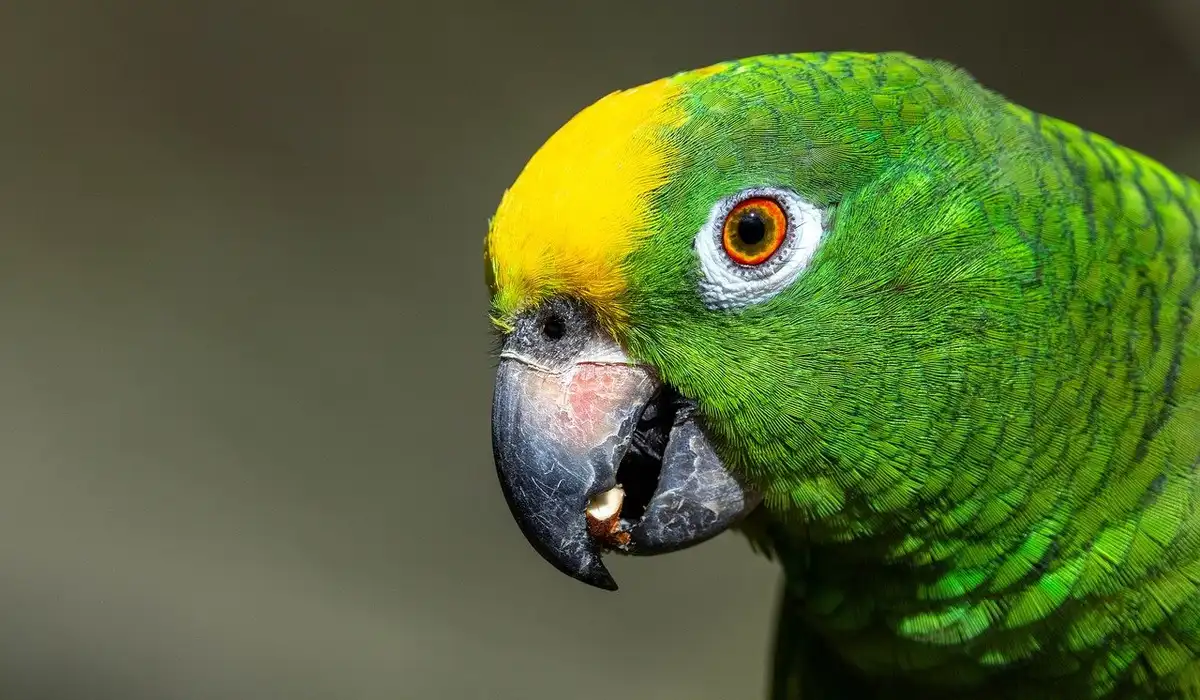
Parrots come in all shapes and sizes, and their foraging needs vary just as much. Tailoring your approach ensures each bird stays engaged and happy, reducing stress and promoting natural behaviors. I’ve learned this firsthand with my own flock, where one size definitely doesn’t fit all.
Size Matters: Small, Medium, and Large Parrot Tips
Small parrots like my Kiwi, a Green-cheeked Conure, have big personalities but tiny beaks. I use lightweight foraging toys that are easy for him to handle, like small paper cups or shallow trays filled with treats. Medium birds, such as my Sun Conure Sunny, enjoy a mix of solo and social foraging-think puzzle balls they can share. Large parrots like Sage, my African Grey, tackle complex tasks; I give her multi-layer foragers that mimic wild challenges.
- Small parrots: Focus on quick, simple puzzles to match their energy and prevent overwhelm.
- Medium parrots: Incorporate interactive elements, as they often thrive in group settings.
- Large parrots: Offer durable, intricate toys that stimulate their problem-solving skills.
Personality Plays a Role: Playful vs. Smart Foraging
Kiwi’s playful nature means he loves foragers that move and shake. I set up hanging toys that swing when he pecks, turning meals into a fun game. For Sage, who’s incredibly smart, I use stationary puzzles with hidden compartments-she enjoys the mental workout. Adjusting methods like this keeps frustration low and success high.
Playful birds need active, dynamic setups, while intelligent ones prefer tasks that challenge their minds. Observing your parrot’s reactions helps you fine-tune this balance. To put this into practice, create a safe, stimulating indoor flight environment for your parrot. Keep the flying area clear and hazard-free, and supervise practice sessions.
Species-Specific Needs for Success
Every parrot species has unique instincts that influence foraging. Respecting these differences prevents boredom and encourages healthy habits. For instance, conures like Kiwi and Sunny are social foragers, so I include group activities. African Greys like Sage are more independent, thriving on solo puzzles that mimic their wild diet search. A complete feeding guide outlines diet requirements for each species, helping tailor meals with the right balance of pellets, fresh produce, and appropriate treats.
- Avoid frustration: Start with easy foragers and gradually increase complexity based on your bird’s confidence.
- Boost success rates: Match toys to natural behaviors, like shredding for playful species or probing for curious ones.
Troubleshooting Common Foraging Challenges
Sometimes, your parrot might look at a new foraging toy like it’s an alien spaceship. Don’t panic if your feathered friend is initially hesitant; this is a completely normal part of the process. I’ve been through this with all my birds, and patience is your most powerful tool.
When Your Parrot is a Picky Eater
A parrot that turns up its beak can test your patience. The key is to make the new food or foraging method irresistible.
- Start by mixing their absolute favorite treat with the new, healthier food inside the foraging toy.
- Gradually decrease the amount of the “junk food” treat over a week or two.
- If they ignore a complex puzzle, take three steps back and use a simpler one, like a paper bag with a single treat inside.
- Place the foraging toy near their favorite perch or food dish so it becomes a familiar, non-threatening object.
My conure Kiwi was terribly picky until I started hiding slivers of almond in her pellet-filled foraging ball. She quickly learned that work equals reward.
Modifying Enrichment for Better Engagement
If your parrot isn’t engaging, the activity might be too hard, too easy, or just plain boring to them.
- Adjust the difficulty: For a shy bird, use loosely crumpled paper. For a clever one, add multiple layers or smaller compartments.
- Change the “currency”: If pellets don’t motivate them, try a piece of walnut, a bit of cooked pasta, or a dried chili pepper.
- Rotate toys relentlessly: Keep a box of different foraging toys and swap them out every few days to maintain novelty.
- Involve yourself: Sit with your parrot and play with the toy yourself, showing exaggerated excitement when you “find” a treat.
I once watched Sage, my African Grey, solve a complex puzzle in minutes and then ignore it for a week; rotation brought his interest right back.
Personal Stories: Overcoming Hurdles
Every parrot has a unique personality, and what works for one may not work for another. My flock taught me this firsthand.
Sunny’s Need for a Social Boost
My Sun Conure, Sunny, is incredibly social. He would scream for attention rather than play alone with a foraging wheel. I started placing his foraging station right next to me while I worked at my desk. Just having me nearby made him feel secure enough to focus on the task. Now, he happily shreds and forages for an hour, chirping contentedly as if we’re working on a project together.
Sage’s Preference for Quiet Problem-Solving
Sage, the African Grey, is the opposite. He’s calm, methodical, and dislikes a fuss. Loud, crinkly foraging toys stressed him out. We found success with quiet, mentally stimulating puzzles, like a simple box with different latches. He prefers to work in silence, and rewarding his success with a quiet “good boy” and a pistachio is all he needs. Forcing a social, noisy foraging game on him would have been a complete failure.
The biggest lesson I’ve learned is to observe your parrot not as a pet, but as an individual with distinct preferences and fears. Their reluctance isn’t stubbornness; it’s communication. Listen to it, and you’ll both find a foraging rhythm that brings joy and health to your home.
FAQs
How can I tell if my parrot is ready for more advanced foraging puzzles?
Watch for consistent success and enthusiasm with simpler toys, like eagerly solving basic puzzles without signs of stress. When they master a level quickly and show curiosity, gradually introduce more complex challenges to keep them engaged.
Are there any health risks associated with introducing foraging to my parrot’s diet?
Foraging is generally safe if you use non-toxic materials and avoid small, swallowable parts that could cause choking. Always supervise initial sessions to ensure your parrot interacts safely and doesn’t ingest any harmful components. When adding enrichment, consult the Dangerous Parrots Safety Checklist to guide toy selection. Choose toys that are non-toxic, sturdy, and free of small parts that could be swallowed.
Can foraging help reduce excessive screaming or other noise behaviors in parrots?
Yes, foraging provides mental stimulation that distracts from boredom, a common trigger for loud vocalizations. Engaging their natural instincts through puzzles often leads to a calmer, more content bird with reduced noise issues.
Closing the Loop
Bringing the wild world of foraging into your parrot’s life is all about offering variety, ensuring safety, and making mealtime an engaging adventure. Start with simple toys and familiar foods, then gradually increase the challenge to keep their clever minds busy and their bodies healthy. You can also make safe, fun homemade toys to pair with foraging, turning playtime into a brain-boosting adventure. Just choose bird-safe materials and supervise initial play.
Remember, your commitment to learning and adapting is the real secret to a thriving parrot. Stay curious, keep exploring new enrichment ideas, and always prioritize your feathered friend’s well-being above all else. Sometimes a bored parrot shows it by biting or refusing to play—that’s a cue I can help with. If your parrot is bored, I can help you uncover why and craft engaging routines.
Further Reading & Sources
- Parrots Eat Nutritious Foods despite Toxins – PMC
- PARROT NUTRI TI ON K E E P I N G Y O U R F E A T H E R E D
- What Can Parrots Eat and Not Eat?
Suzanne Levine is a dedicated parrot enthusiast and experienced avian caregiver with over 15 years of hands-on experience in parrot care. As the founder of Parrot Care Central, Suzanne is passionate about sharing her knowledge and insights to help fellow parrot owners provide the best possible care for their feathered friends. Her expertise spans nutrition, behavior, health, and enrichment, making her a trusted resource in the parrot care community.
Enrichment Activities