
Pellets vs. Seeds: Finding the Best Base Diet for Your Parrot
Are you struggling to decide between pellets and seeds for your parrot’s main meals, fearing you might not be giving them the nutrition they need for a vibrant life?
I’ve been in your shoes with my own flock-Kiwi, Sunny, and Sage-and I’m here to guide you through the facts without the fluff. We’ll explore three key takeaways to make your choice easier and healthier for your feathered friend.
- Nutritional completeness and how each option stacks up for long-term health.
- Cost and convenience factors that fit into your daily routine.
- Impact on behavior and common health risks based on real parrot experiences.
You’ll walk away with clear, actionable advice to boost your parrot’s well-being. Topics covered: Nutritional value comparison, Cost and feeding tips, Health and behavior effects, Transitioning diets, Personal stories from my parrots.
Parrot Nutrition 101: Building a Strong Foundation
Think of a base diet as the main, non-negotiable part of your parrot’s daily meals. This foundation provides the core vitamins, minerals, and energy your bird needs to thrive, not just survive. General parrot dietary guidelines emphasize variety and balance, including fresh fruits and vegetables, appropriate pellets, and limited seeds. Monitor portions and adjust as needed.
I learned this the hard way with my Green-cheeked Conure, Kiwi. His health completely transformed when I focused on a proper base diet instead of just giving him whatever he chirped for the loudest.
A balanced parrot diet needs a mix of these key nutrients:
- Vitamins (like A, D3, and E) for vision, bone health, and a strong immune system.
- Minerals such as calcium for strong bones and beak, and iron for healthy blood.
- Protein to build and repair muscles and feathers.
- Healthy fats for energy and a gorgeous, glossy plumage.
- Fiber to keep their digestive system running smoothly.
Hydration is just as critical as solid food. Fresh, clean water is involved in every single bodily process, from digestion to temperature regulation.
Imagine your parrot’s diet is like building a house. The base diet is the solid foundation and sturdy frame. Without that strong foundation, the whole structure-your bird’s health-becomes shaky and unstable.
Seed-Based Diets: The Tasty Treat or Trouble?
Seeds are the potato chips of the parrot world-incredibly tempting but nutritionally incomplete. Common seeds like sunflower and safflower are often high in fat and low in vital nutrients like calcium and Vitamin A.
I used to give my Sun Conure, Sunny, a bowl of seeds, thinking it was a natural choice. He loved it, but his feathers lost some of their vibrancy until I made a change.
Let’s break down the pros and cons.
Pros:
- Excellent for enrichment and foraging activities.
- High natural appeal; most parrots go crazy for them.
- Can be a useful tool for training and bonding.
Cons:
- Extremely high in fat, leading directly to obesity and fatty liver disease.
- Creates a serious risk of malnutrition and vitamin deficiencies.
- Parrots often pick out their favorite, fatty seeds and ignore the rest.
Think of seeds like popcorn at the movies. A little bit is a fun treat, but you’d never make it your entire dinner.
You can use seeds safely with strict portion control. Reserve them for training rewards or sprinkle a tiny amount over a healthier base diet to encourage eating. They should never make up the bulk of what your parrot consumes daily. Keeping seeds in check helps keep your parrot within healthy weight ranges and supports obesity prevention.
Pellet-Based Diets: The All-in-One Powerhouse
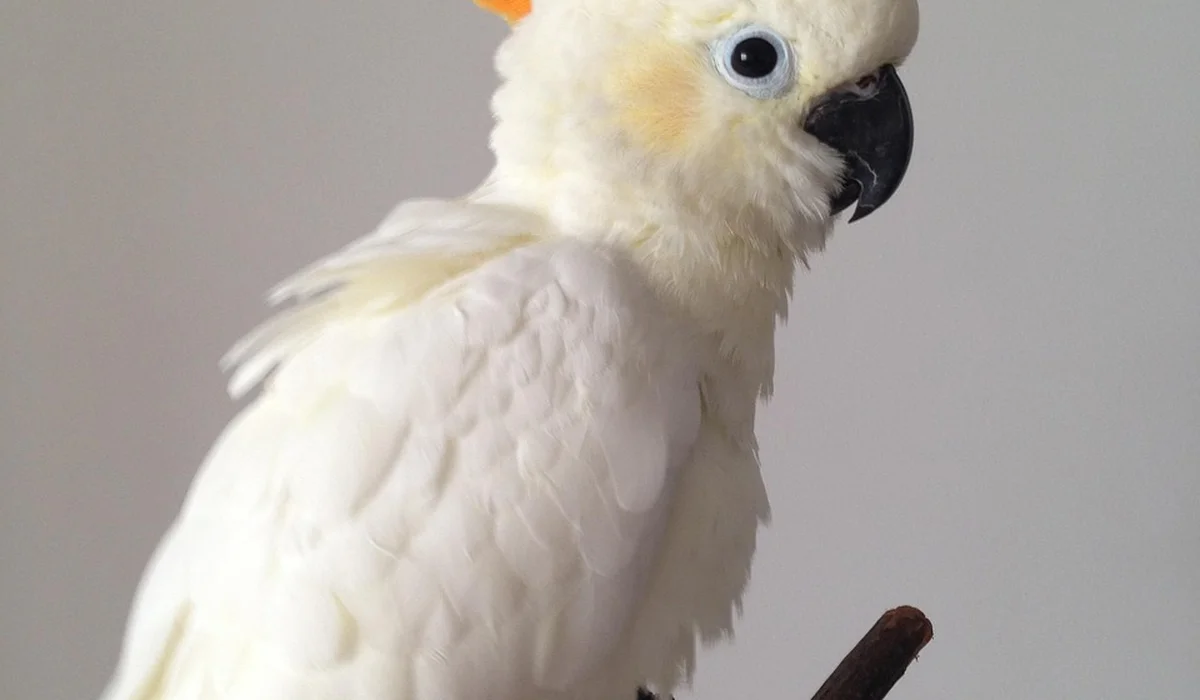
Parrot pellets are essentially little nuggets of science, carefully formulated to provide complete nutrition in every bite. The manufacturing process involves grinding ingredients like grains, vegetables, and necessary vitamins into a mash, which is then cooked and extruded into uniform shapes. This method ensures every pellet has the same nutritional profile, preventing your bird from picking out only their favorite, often less healthy, bits.
The primary benefit is undeniable consistency. You know exactly what nutrients your parrot is getting, meal after meal. This is a huge win for busy bird owners. Feeding pellets dramatically reduces picky eating habits, as your parrot can’t sort through and discard the vital nutrients it might otherwise avoid. My Green-cheeked Conure, Kiwi, used to be a champion seed-picker, but since his switch, his feather quality has improved immensely.
No diet is perfect, and pellets have their own set of challenges. The biggest drawback is the potential lack of variety in texture and taste, which can bore a clever parrot. Some birds, especially those raised on seeds, initially turn their beaks up at pellets, creating a significant acceptance hurdle that requires patience to overcome.
Not all pellets are created equal. You’ll find different types:
- Colored Pellets: Often use artificial dyes, which are unnecessary and best avoided.
- Natural/Organic Pellets: My personal choice, made without artificial colors or preservatives.
- Flavored Pellets: Can help with initial acceptance but check for added sugars.
When choosing, always look for a pellet where the first ingredients are whole foods, not fillers like corn or soybean meal. A high-quality pellet should be the cornerstone of your parrot’s diet, not just a fancy snack. This ties into the topic of parrot diet myths debunked: 7 common misconceptions about avian nutrition. By choosing quality pellets, you’re following evidence-based guidance rather than popular myths.
Seeds vs. Pellets: The Nutritional Showdown
Let’s put these two diets head-to-head. The core difference lies in their nutritional balance and how they affect your parrot’s body. If you’re wondering whether Eclectus parrots eat a complete diet, this ties into a complete diet guide for them. A complete diet guide helps ensure all their nutritional needs are met.
| Nutrient | Typical Seed Mix | Quality Pellet |
|---|---|---|
| Fat | Very High (Often 30-50%) | Moderate (10-15%) |
| Protein | Variable, Often Low | Consistently Balanced |
| Fiber | Low | High |
| Vitamins & Minerals | Often Deficient | Fortified & Complete |
This nutritional profile has a direct physical impact. The high fat and low fiber in seeds can lead to sluggish digestion and is a primary contributor to obesity in captive parrots. Pellets, with their balanced fiber, promote a healthier gut and more consistent droppings.
Beak health is another major factor. Crunching on hard pellets provides excellent wear for a parrot’s continuously growing beak. Seeds, especially shelled ones, don’t offer the same consistent grinding action, which can sometimes lead to overgrown beaks requiring veterinary care. For weight management, pellets are the clear winner, providing satiety without the calorie bomb of a fatty seed mix.
Species-specific needs do play a role. A tiny Budgie has different energy requirements than a large Macaw. Always consult your avian vet to choose a pellet formula that aligns with your parrot’s species, age, and any health conditions. My Sun Conure, Sunny, thrives on a small-sized pellet, while my African Grey, Sage, does better with a formula supporting cognitive health.
Transitioning a seed-addicted bird can feel impossible. I’ve been there. The key is patience and a slow, gradual mix, increasing the pellet-to-seed ratio over several weeks while offering the pellets in fun, engaging ways. I started Kiwi by crushing pellets and sprinkling them on his favorite moist food. It took time, but his vibrant health today was worth every moment.
Customizing Your Parrot’s Plate: Age, Species, and Health
Every parrot is an individual, and their ideal diet reflects that uniqueness. My three birds—Kiwi the conure, Sunny the sun conure, and Sage the African Grey—each have wildly different needs, which taught me that one-size-fits-all feeding just doesn’t work. Understanding parrot diet requirements by species is essential for a complete feeding guide. I’ll share species-specific tips next.
Diet Variations by Parrot Type
Different species evolved with different nutritional requirements. Here’s a quick breakdown from my flock:
- Conures (like Kiwi and Sunny): These active, playful birds often need slightly more fat and protein. I find they thrive on a pellet base with extra nuts and seeds as training treats.
- African Greys (like Sage): Known for their intelligence, they are prone to calcium deficiency. Sage’s pellet diet is specifically formulated for Greys, and I always ensure he gets plenty of calcium-rich veggies like kale.
- Macaws & Cockatoos: Larger parrots generally require a lower fat diet to prevent obesity, making a high-quality pellet an excellent foundation.
Age-Related Nutritional Needs
Your parrot’s life stage dramatically changes what’s on the menu.
- Chicks: Growing babies need a protein and energy-dense diet. Hand-feeding formulas are essential, and any transition to pellets must be incredibly gradual after weaning.
- Adults: This is the stage for maintenance. A balanced pellet diet prevents selective eating and ensures they get all their vitamins and minerals without excess fat.
- Seniors: Older birds may have slower metabolisms and require easier-to-digest foods. Softer pellets or pellets soaked in water can be a game-changer for their comfort.
Health Conditions That Dictate Diet
Certain health issues mean you’ll need to tailor your parrot’s food with your vet’s guidance.
- Liver Disease: Often requires a low-fat diet, making a carefully selected pellet far superior to a fatty seed mix.
- Obesity: A common issue with all-seed diets. Switching to a formulated pellet is the single most effective step I’ve taken to help a parrot lose weight safely.
- Calcium Deficiency: Common in African Greys and egg-laying hens, necessitating a calcium-fortified pellet.
Assessing Your Parrot’s Individual Needs
Figuring out the perfect diet is a process. Follow these steps:
- Identify your parrot’s species and average life stage needs.
- Schedule a wellness check with an avian vet to rule out underlying health issues.
- Observe your parrot’s current eating habits and energy levels for a week.
- Research and select a pellet brand that matches your bird’s specific profile.
- Start a slow, patient transition, documenting any changes in behavior or droppings.
Switching Diets: A Step-by-Step Guide
Transitioning a seed-addicted parrot to pellets requires strategy and a whole lot of patience. I’ve done this successfully with several rescues, and the key is to make the new food a positive, non-threatening presence.
- Start by Mixing: Begin with a bowl that is 75% their old seed mix and 25% pellets. This lets them investigate the new shapes and smells without pressure.
- Gradually Increase Pellets: Every few days, slightly increase the pellet ratio while decreasing the seeds. A sudden, cold-turkey switch will often lead to a hunger strike.
- Make Pellets a Treat: Crush a few pellets and sprinkle them over a favorite wet food, like mashed sweet potato. They’ll associate the new taste with a food they already love.
- Use Positive Reinforcement: When your parrot shows any interest in a pellet, even just touching it with their beak, offer enthusiastic praise and a tiny, healthy seed treat. This builds a positive connection.
- Be Patient and Consistent: This process can take weeks or even months. Do not give up. Consistency is more important than speed.
- Offer Pellets in the Morning: Birds are hungriest after a night’s sleep. Offering the pellet-heavy mix first thing increases the chance they’ll try it.
Always monitor your parrot’s droppings and weight during this transition; any drastic changes can signal stress or digestive upset. Over the week-by-week timeline of weaning, you can expect gradual changes in what and how much your parrot accepts. Keeping a simple weekly log of weight and droppings helps you gauge progress and pace. If your bird seems overly stressed, slow down the process. Their well-being is the ultimate goal, not a rushed timeline. Remember, you’re not just changing food—you’re changing a deeply ingrained habit.
Fresh Foods: The Vital Supplement
Think of pellets or seeds as the main course, but fresh foods are the vibrant side dishes that bring the meal to life. I’ve seen my own flock’s feathers glow and their energy levels skyrocket once I committed to daily fresh food additions. My Green-cheeked Conure, Kiwi, used to be skeptical, but now he eagerly anticipates his morning vegetable medley.
Safe and Nutritious Choices to Rotate
Variety truly is the spice of life for our feathered companions. Offering a rainbow of foods ensures they get a broad spectrum of nutrients.
- Fruits: Berries (blueberries, raspberries), melon, papaya, apple (seeds removed)
- Vegetables: Sweet potato (cooked), bell peppers, broccoli, carrots, dark leafy greens like kale
- Grains and Legumes: Cooked quinoa, brown rice, lentils, and whole-grain pasta
The Power of Fresh Vitamins and Minerals
Fresh foods are nature’s multivitamin. While pellets provide a solid baseline, fresh produce delivers highly bioavailable nutrients that are easily absorbed by your parrot’s body. The vitamin C in bell peppers supports their immune system, and the beta-carotene in carrots is fantastic for eye health and vibrant feather coloration.
Danger Zone: Foods to Absolutely Avoid
Some common human foods can be deadly for parrots. I keep a list on my fridge as a constant reminder.
- Avocado: Can cause rapid heart failure.
- Chocolate: Toxic to their nervous system.
- Onions and Garlic: Can lead to anemia by destroying red blood cells.
- Caffeine and Alcohol: Absolutely no exceptions.
Making Meals Fun and Engaging
If your parrot turns up their beak at new foods, don’t give up! I found that turning mealtime into a foraging activity was a game-changer for my Sun Conure, Sunny, who is naturally very social. This approach is a key part of the ultimate guide to foraging that can enrich your parrot’s diet. It shows how enrichment can expand their palate. Try these tricks:
- Chop new foods finely and mix them with their favorite familiar items.
- Skewer chunks of fruit and veggies on a safe kabob holder for a colorful, interactive toy.
- Eat the new food yourself in front of them-their curiosity will often get the better of them!
Spotting Problems and Seeking Expert Advice
Your parrot’s health is a direct reflection of their diet. Learning to read the subtle signs their body gives is one of the most crucial skills a parrot owner can develop. My African Grey, Sage, once went through a patch of dull feathers that prompted an immediate vet visit and a successful diet tweak. Make sure you avoid common parrot feeding mistakes to keep their plumage vibrant and healthy.
Red Flags: Signs of Potential Malnutrition
Watch for these physical and behavioral changes that often point to dietary deficiencies.
- Feather Issues: Frayed, discolored, or plucked feathers; slow regrowth after molting.
- Energy Shifts: Unusual lethargy or, conversely, heightened irritability.
- Weight Changes: A prominent keel bone (the breastbone) is a classic sign of being underweight.
- Beak and Nail Problems: Flaky, overgrown, or brittle beak and nails.
Your Vet: An Indispensable Partner
A veterinarian who specializes in avian medicine is your greatest ally. I schedule wellness checks for my flock annually, just like a physical for ourselves, to catch any potential issues long before they become emergencies. They can perform blood tests to check for specific vitamin deficiencies and provide tailored advice.
When to Pick Up the Phone
Don’t wait if you notice any of the following. Immediate veterinary consultation is key.
- Your parrot stops eating or drinking entirely.
- You observe a sudden, significant drop in weight.
- They are fluffed up for prolonged periods and seem weak.
- Any signs of labored breathing or discharge from the eyes or nostrils.
Your At-a-Glance Health Monitoring Checklist
Make a quick weekly habit of running through this list. It takes just a few minutes but provides immense peace of mind.
- Weight: Track it weekly with a small gram scale.
- Droppings: Check for normal color and consistency.
- Appetite: Note any changes in how much they’re eating.
- Activity Level: Are they playing and vocalizing as usual?
- Feathers & Skin: Look for cleanliness and overall appearance.
FAQs
What if my parrot is overweight and currently on a seed diet?
Switching to a pellet-based diet can help manage weight by providing balanced nutrition with controlled fat levels. Consult an avian vet for a safe, gradual transition plan to avoid stress.
Are organic pellets better than regular pellets for my parrot?
Organic pellets avoid artificial colors and preservatives, which reduces exposure to unnecessary additives. Focus on selecting a pellet with high-quality, whole-food ingredients to meet your bird’s specific nutritional needs.
How can I make pellets more appealing to a picky eater?
Crush pellets and mix them with moist, favorite foods like mashed sweet potato to introduce the new taste. For a nutritious option, you can also explore homemade parrot food recipes that combine wholesome ingredients for healthy, balanced meals. Using foraging toys or offering positive reinforcement with small seed treats can also encourage your parrot to try pellets.
The Final Scoop on Parrot Nutrition
For a truly thriving parrot, make a high-quality pellet the cornerstone of their daily meals. This single change provides a balanced nutritional foundation that seeds alone simply cannot match. You can still sprinkle in seeds and other treats for variety and enrichment, but think of them as the occasional side dish, not the main course. For more detailed advice, check out our best diet and nutrition guide for an Amazon parrot.
Your commitment to learning doesn’t end here-responsible parrot ownership means staying curious and adapting as new information emerges. Keep observing your bird, continue your research, and always consult with an avian vet to tailor the best possible life for your feathered friend. Their vibrant health and happiness are a direct reflection of the care you provide.
Further Reading & Sources
- Seeds Vs Pellets – Northern Parrots
- Pellets or Bird Seed? The Perfect Ratio for Your Parrot’s Diet.
- Bird Seeds Versus Pellets: What’s The Difference? – Pet Birds by Lafeber Co.
Suzanne Levine is a dedicated parrot enthusiast and experienced avian caregiver with over 15 years of hands-on experience in parrot care. As the founder of Parrot Care Central, Suzanne is passionate about sharing her knowledge and insights to help fellow parrot owners provide the best possible care for their feathered friends. Her expertise spans nutrition, behavior, health, and enrichment, making her a trusted resource in the parrot care community.
Nutrition