Toxic Foods for Parrots: Complete List of What to Avoid
Are you worried that a simple snack could harm your parrot? I’ve felt that same concern with my own birds, like Kiwi and Sunny, and it’s a real fear many owners share.
Based on my years of experience caring for parrots, I’ll help you spot the dangers and keep your feathered friend healthy. You’ll get straightforward advice that’s easy to follow and backed by real-life lessons. Here are the key points we’ll cover:
- Common foods in your home that are surprisingly toxic to parrots.
- How to recognize poisoning symptoms quickly for fast action.
- Simple habits to prevent accidents and promote parrot safety.
By the end, you’ll have a clear plan to protect your parrot. We’ll explore: Avocado, Chocolate, Onions, Alcohol, Caffeine, Salt, High-fat foods, and more hazards.
The No-Go List: Common Toxic Foods for Parrots
Over the years with my parrots like Kiwi and Sunny, I’ve seen how curious they get about human food. Stick to this list to keep your bird safe from hidden dangers in everyday items. Parrots can eat cucumbers in moderation, which provide hydration and light nutrition. For safety, offer cucumbers in bite-sized pieces and avoid salted or seasoned options.
- Avocado – every part, from skin to pit, is risky
- Chocolate – dark or milk, it’s all off-limits
- Caffeine – in coffee, tea, and sodas
- Alcohol – even a tiny amount can cause harm
- Onions and Garlic – raw or cooked, they’re trouble
- Salty Snacks – chips or processed foods
- Sugary Treats – candy or sweet baked goods
- Fruit Pits and Seeds – like those in apples or cherries
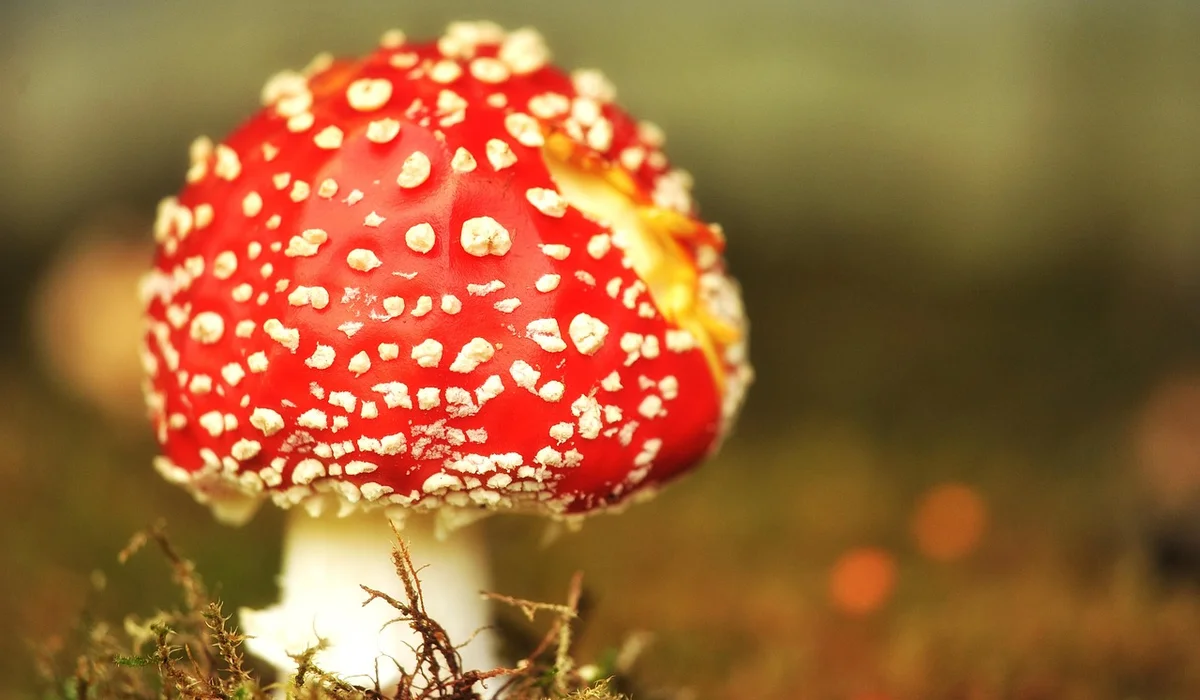
- Mushrooms – some types can be toxic
- Rhubarb – leaves are especially dangerous
Why These Foods Harm Your Feathered Friend
Parrots process foods differently than we do. Their fast metabolism means toxins hit harder and faster in their small bodies. This makes household toxins a real risk for parrots. Everyday dangers like cleaners, aerosols, nonstick cookware fumes, and tobacco smoke can make them ill quickly.
Avocado has a substance called persin. Persin attacks the heart and lungs, leading to breathing trouble or worse. I once had a scare when Sage, my African Grey, got near some avocado-quick action saved her, but it taught me to be extra vigilant.
Chocolate contains theobromine. This chemical overexcites their nervous system, causing seizures or heart issues.
Caffeine and alcohol act as stimulants or depressants. They can disrupt normal body functions, leading to organ failure.
Onions and garlic have sulfur compounds. These break down red blood cells, causing anemia and weakness.
Salty foods upset their fluid balance. Excess salt leads to dehydration and kidney strain over time.
Sugary items promote obesity and diabetes. Parrots lack the enzymes to handle high sugar, risking long-term health problems. Regular weigh-ins support parrot weight management. Keeping a bird within healthy, species-specific weight ranges helps prevent obesity.
Fruit pits and seeds often harbor cyanide. Even a small amount can be lethal, so always remove them before offering fruits.
Spotting Trouble: Symptoms of Food Poisoning
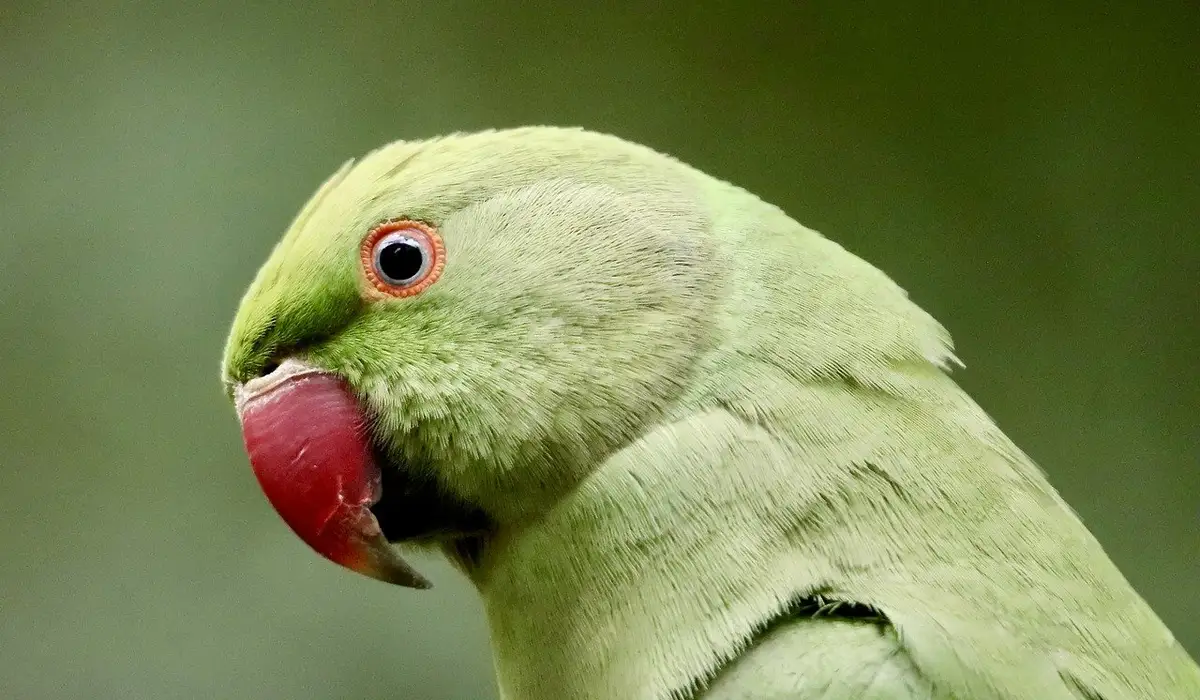
I remember the first time my conure, Kiwi, got into something he shouldn’t have. Seeing him act differently was terrifying. You need to recognize the signs of distress quickly, as their small bodies react fast to toxins.
Watch for these immediate physical symptoms:
- Sudden, severe vomiting or regurgitation
- Difficulty breathing or panting
- Tremors, seizures, or a loss of balance
- Diarrhea or unusually colored droppings
Behavioral changes are often the first clue something is wrong.
- Lethargy or unusual stillness, like refusing to move from the cage floor
- Loss of appetite or refusing their favorite treats
- Fluffed-up feathers for an extended period, indicating they don’t feel well
- Any change in their vocalizations, like sudden silence or distressed sounds
If you notice even one of these symptoms, especially after a potential exposure, contact your avian vet immediately. Time is critical, and I’ve learned it’s always better to be safe and get professional advice than to wait and hope it passes.
Safe Swaps: Healthy Food Alternatives
Transitioning to a safer diet was a game-changer for my flock’s health and vibrancy. Providing a variety of fresh, bird-safe foods not only prevents illness but also enriches their daily life.
Instead of risky human snacks, offer these nutritious fruits. My birds go crazy for them!
- Apples (seeds removed, as they are toxic)
- Berries like blueberries, raspberries, and strawberries
- Melons such as cantaloupe and watermelon
- Papaya and mango, which are packed with vitamins
Vegetables should form a core part of their diet.
- Dark leafy greens like kale, spinach, and Swiss chard
- Crunchy carrots and sugar snap peas
- Cooked sweet potato and pumpkin (never raw)
- Broccoli and cauliflower florets, which are fun for them to dismantle
A balanced diet built on these safe, whole foods supports everything from feather quality to a strong immune system. I make a “chop” for my parrots every morning—a finely chopped mix of these veggies—and it’s the highlight of their day. For anyone looking for the best diet nutrition guide for an Amazon parrot, this approach mirrors expert recommendations. A solid guide will emphasize variety, safety, and portion control to tailor chops like this to your bird.
Prevention Playbook: How to Keep Your Parrot Safe
Keeping your parrot safe from toxic foods isn’t just about knowing the list; it’s about creating a lifestyle of safety. I’ve built these habits over years with my own flock, and they’ve become as natural as filling their water dishes. These habits align with general parrot dietary guidelines: a balanced mix of pellets, fruits, vegetables, and safe seeds. Sticking to them keeps daily feeding safe and healthy. Your kitchen routines will need a slight shift, but the peace of mind is priceless.
Your Kitchen, Their Fortress
Think of your kitchen as a place where curiosity can be dangerous. A few simple changes make all the difference.
- Designate “Parrot-Safe” Prep Zones: I have one specific cutting board and knife I use only for my birds’ fresh fruits and veggies. This prevents any cross-contamination from foods like onions or garlic that I’m chopping for my own dinner.
- Secure All Food Containers: Parrots are clever escape artists. My Green-cheek, Kiwi, once figured out how to slide a cabinet door open. Use child-proof locks on pantry and fridge doors if your bird is a free-roamer.
- No Sharing From Your Plate: This is the golden rule in my house. Even if your meal seems safe, sauces, butter, salts, and cooking oils can be harmful. Establishing this clear boundary eliminates guesswork and accidental ingestion.
Educate Your Whole Flock (The Human One!)
Safety is a team effort, especially if you have kids or frequent guests.
- Create a “No-Fly Zone” List: I have a small, fun poster on my fridge with pictures of the big no-nos-chocolate, avocado, caffeine-so everyone who visits knows the rules. It turns safety into a visual, shared responsibility.
- Supervise All Out-of-Cage Time: My conures, Kiwi and Sunny, are playful and curious. When they’re out, my eyes are on them. This prevents them from nibbling on a houseplant or finding a stray snack a guest might have dropped.
Emergency Response: What to Do If Poisoning Occurs
Even with the best prevention, accidents can happen. Staying calm and acting quickly is your most powerful tool in an emergency. I’ve had a few scares over the years, and having a plan is what got us through.
- Identify the Toxin and Quantity: What did your parrot eat? How much? Grab the wrapper or a sample of the food. This information is critical for your vet.
- Immediately Call Your Avian Vet or an Emergency Pet Poison Hotline: Do not wait for symptoms to appear. Time is tissue, and a professional can give you life-saving instructions over the phone while you prepare to leave. Keep these numbers saved in your phone and posted visibly.
- Follow Professional Instructions Exactly: The expert on the phone may tell you to do specific things. Do not induce vomiting unless you are explicitly told to do so, as this can sometimes cause more harm.
- Transport Your Bird Safely: Keep your parrot warm, dark, and quiet in a travel carrier. Stress can worsen their condition, so speak to them in a soothing voice as you head to the clinic.
Recognizing the Signs of Trouble
Birds are masters at hiding illness, so you must be a master at spotting subtle changes. Any sudden shift in behavior is a red flag that warrants immediate attention.
- Lethargy or weakness, such as sitting fluffed up on the cage floor.
- Difficulty breathing or panting.
- Vomiting, regurgitation, or diarrhea.
- Loss of balance, tremors, or seizures.
- Discolored or unusually smelly droppings.
FAQs
Can parrots have any dairy products?
Parrots are lactose intolerant and cannot properly digest dairy, which can lead to digestive upset. It’s safest to avoid all dairy items like milk, cheese, and yogurt to prevent potential health issues. For a healthy, balanced diet, many owners turn to homemade parrot food recipes using fresh fruits, vegetables, whole grains, and seeds. These nutritious options can be tailored to your bird’s needs while avoiding dairy.
How can I introduce new safe foods to my parrot’s diet?
Start by offering small pieces of the new food mixed with their familiar favorites to encourage tasting. Be consistent and patient, as it may take multiple attempts for your parrot to accept and enjoy the new item. This approach aligns with the ultimate guide foraging to enrich your parrot’s diet, turning meals into small, rewarding foraging activities. Such enrichment supports variety and natural foraging instincts while promoting healthier eating habits.
What are the signs that my parrot is enjoying a safe food?
Look for enthusiastic behaviors like rapid pecking, vocalizations, or eager consumption when offering the food. Your parrot might also display body language such as head bobbing or fluffed feathers to show contentment. These cues are among the 10 key signs that tell if your parrot is happy. By noticing them, you can gauge your bird’s mood more accurately.
Your Parrot’s Health is in Your Hands
Ultimately, the safest rule is to stick to a high-quality pellet diet supplemented with vet-approved fresh fruits and vegetables. For many parrots, pellets serve as a reliable base diet, while seeds should be limited to treats. When in doubt, leave it out—your parrot’s life is far more valuable than the risk of sharing a questionable snack from your plate. Seeds can still be used as enrichment, but shouldn’t form the base of the diet. Remember this list, and always contact your avian vet immediately if you suspect your bird has ingested something toxic.
Caring for a parrot is a lifelong journey of learning and adaptation. We owe it to our feathered companions to stay curious, ask questions, and consistently seek out reliable information to ensure they thrive in our care. Your commitment to their well-being builds a bond of trust that lasts a lifetime. With bonding techniques that work, you can build trust day by day. Consistency is key to a lasting bond.
Further Reading & Sources
- The Best Parrot Diet (and Toxic Foods) | Best Friends Animal Society
- r/parrots on Reddit: REMINDER: THESE FOODS KILL PARROTS
- Toxic Foods Your Bird Should Never Eat – ZuPreem Pet
Suzanne Levine is a dedicated parrot enthusiast and experienced avian caregiver with over 15 years of hands-on experience in parrot care. As the founder of Parrot Care Central, Suzanne is passionate about sharing her knowledge and insights to help fellow parrot owners provide the best possible care for their feathered friends. Her expertise spans nutrition, behavior, health, and enrichment, making her a trusted resource in the parrot care community.
Nutrition