
How to Manage Parrot Cage Odors Safely and Effectively
Is that funky smell from your parrot’s cage making you worry about your home’s freshness and your bird’s health? I’ve been there with my own flock, and it’s a common concern that’s totally fixable.
Drawing from my personal journey with parrots like Kiwi and Sunny, I’ll guide you through simple, bird-friendly solutions. Here are the core strategies you’ll learn:
- Establishing a consistent cleaning routine to tackle odors at the source.
- Choosing non-toxic, natural products that keep the air fresh without risking your parrot’s well-being.
- Adjusting your parrot’s diet to minimize waste that causes bad smells.
You’ll walk away with practical steps that really work. This article covers: daily cleaning habits, safe odor eliminators, and diet tweaks for better cage hygiene.
Unmasking the Stink: Common Parrot Cage Odor Sources
The Droppings Dilemma
Parrot droppings are the number one source of cage odor, and they build up faster than you might think. My conure, Kiwi, seems to produce her body weight in droppings every single day. The real issue isn’t just the fresh droppings, but the old, dried-on ones that get stuck to cage bars and perches, creating a stubborn, stinky biofilm. That’s exactly the kind of issue caused by common cage cleaning mistakes that harm your parrot’s health. This bacteria-rich layer is what gives that persistent, musty smell even after a quick clean.
I learned the hard way with my sun conure, Sunny. Letting droppings accumulate for even a day created a smell that lingered in the room. Prompt removal is your most powerful weapon against droppings turning into a full-blown odor crisis.
Food Waste Fiascos
Our feathered friends are famously messy eaters. They fling pellets, drop fruit chunks, and hide seeds in the most bizarre places. I once found a moldy piece of banana tucked behind a toy in Sage’s cage-no wonder there was a funky smell!
- Wet, perishable foods like fruit and cooked veggies rot quickly.
- Hidden food stashes can mold, releasing spores and unpleasant odors.
- Spilled water from water bowls or wet veggies accelerates the decay of other waste below.
That forgotten piece of broccoli or a stray grape can become a potent odor bomb in just a few hours, especially in a warm room.
Forgotten Toy and Perch Funk
Toys and perches are odor traps we often overlook. Natural wood perches are porous and absorb droppings, food, and moisture over time. Rope perches are even worse; they can wick moisture and waste deep inside, creating a hidden reservoir of stink.
I had to throw out a beloved rope toy because it started smelling sour no matter how much I surface-cleaned it. Toys made of fabric, rope, or softwood need extra attention, as they hold onto odors long after the cage itself looks clean. A funky-smelling toy is a clear sign it’s time for a deep clean or replacement.
Your Arsenal for Odor Control: Bird-Safe Cleaning Products
Choosing the Right Bird-Safe Cleaners
A parrot’s respiratory system is incredibly sensitive, so you can’t just grab any household cleaner. I stick to a simple, effective arsenal that has never let me or my birds down. When cleaning, I choose bird-safe, non-toxic products and keep sprays away from the cage. I also ventilate well and rinse surfaces thoroughly to remove any residue.
- White Vinegar & Water: My absolute go-to. A 50/50 mix in a spray bottle cuts through dried droppings and deodorizes naturally. The smell dissipates quickly and is completely safe.
- Bird-Safe Commercial Cleaners: Look for brands like Poop-Off or Nature’s Miracle that are specifically formulated to be non-toxic and enzyme-based. They break down waste without harsh chemicals.
- Steam Cleaners: For a periodic deep clean, nothing beats the power of steam. The high heat sanitizes and loosens grime without a single chemical.
Using a simple vinegar solution for daily wipe-downs has been the single most effective change I’ve made to keep my birds’ living space fresh.
What to Absolutely Avoid in Your Cleaning Kit
This is non-negotiable for your parrot’s health. Many common cleaners release fumes that can be fatal to birds.
- Bleach and Ammonia: These are extremely toxic. The fumes can cause respiratory distress and damage their delicate air sacs.
- Aerosol Sprays: Air fresheners, furniture polish, and spray disinfectants contain propellants and fragrances that are very dangerous to inhale.
- Pine or Citrus Oils: These “natural” smelling cleaners contain phenols, which are highly toxic to birds.
- Anything with a Strong Perfume: If you can smell it strongly, it’s likely irritating your bird’s respiratory system.
I never use anything around my birds’ cage that I wouldn’t feel comfortable spraying directly near my own face—their lungs are that much more delicate. Always clean in a well-ventilated area and rinse thoroughly, even with safe cleaners. Many common household toxins—air fresheners, aerosols, and certain cookware fumes—can make parrots sick; avoiding them helps protect their health.
Your Go-To Cage Cleaning Schedule
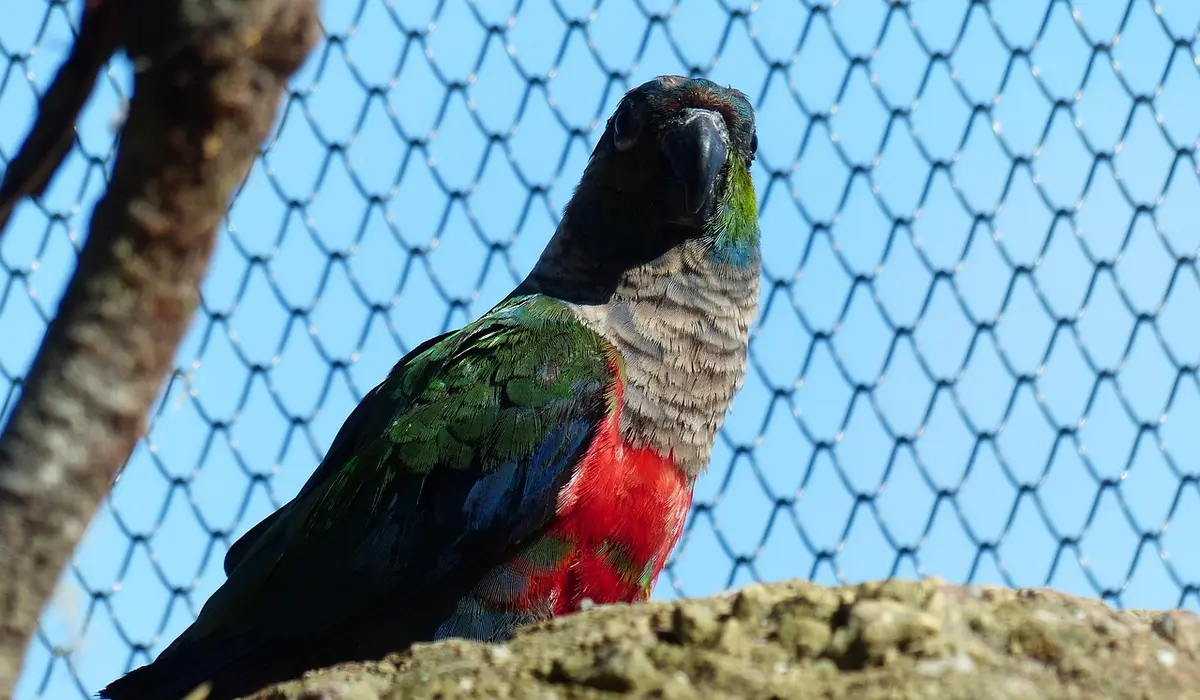
Consistency is your secret weapon against stubborn parrot cage odors. I stick to a strict routine with my flock, and it keeps their home smelling fresh every single day. Humidity control is critical for parrots’ respiratory health and feather condition. Too much or too little moisture can irritate airways and dry out feathers, so keeping the right humidity matters.
Quick Daily Wipe-Downs
Spend just five minutes each morning on this simple routine. A quick daily clean prevents waste from building up and turning into a major odor source.
- Remove and replace soiled cage liner paper or substrate.
- Wipe down perches and toys with a damp cloth to remove food and droppings.
- Empty and rinse food and water bowls before refilling.
- Spot-clean any noticeable messes on the cage bars or floor.
The Weekly Deep Clean
This is when you tackle every nook and cranny. A thorough weekly scrub is non-negotiable for a truly odor-free environment.
- Move your parrot to a safe, separate play area.
- Disassemble the cage completely, removing all perches, toys, and dishes.
- Scrub every part with a bird-safe cleaner or a 50/50 mix of white vinegar and water.
- Rinse everything thoroughly with clean water to remove any residue.
- Let the cage air dry completely in the sun if possible before reassembling.
Natural Odor Busters: Baking Soda and Beyond
You don’t need harsh chemicals to keep things fresh. My go-to solutions are simple, natural, and completely safe for my curious conures.
Setting Up Odor Absorbers Safely
Placement is everything to ensure your parrot’s safety. Always keep odor absorbers completely out of your bird’s reach to prevent any curious nibbles. These are essential steps for parrot-proofing a room to allow safe flight. With proper proofing, your bird can fly freely without hazards.
- Place an open box of baking soda on a high, stable shelf near the cage, but never inside it.
- Use activated charcoal bags designed for air purification and hang them well above the cage.
- Add a small dish of white vinegar to the room; its odor-neutralizing power works wonders from a distance.
- Ensure good room ventilation by opening a window for a short period each day.
Fresh Air is Your Best Friend: Boosting Ventilation
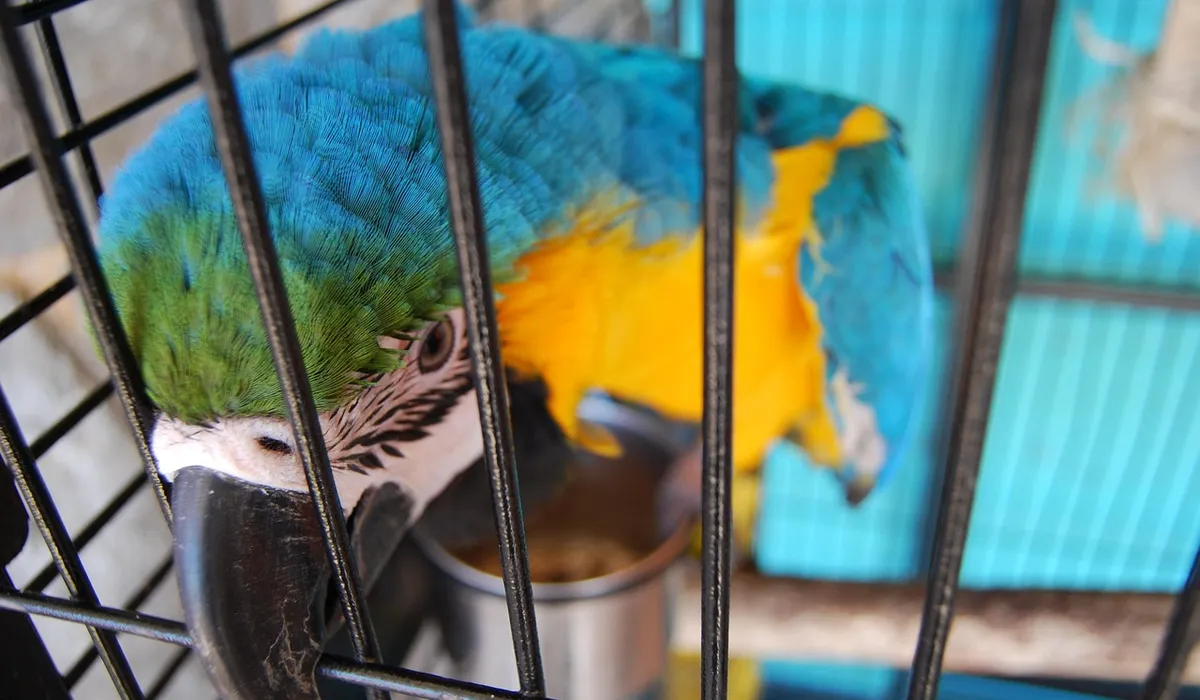
I learned the power of good airflow the hard way after moving my conure Kiwi’s cage to a cozy, but stuffy, corner. Proper ventilation is the single most effective way to prevent odors from ever taking hold.
Smart Placement for Better Air Flow
Where you put the cage makes a huge difference. Avoid shoving it into a cramped corner or a room that feels stagnant.
- Position the cage near a window that you can open regularly, but never in direct sunlight where your parrot could overheat.
- Keep it away from kitchens where cooking fumes and strong food smells can linger on feathers and cage bars.
- Ensure there’s at least a foot of space between the cage wall and your room’s wall to let air circulate freely around all sides.
- Using a small, quiet oscillating fan on a low setting across the room can work wonders to keep the air moving without creating a draft directly on your bird.
My African Grey, Sage, is so much more content since I moved his cage to a spot with a gentle cross-breeze. A well-placed cage doesn’t just smell better; it creates a healthier environment for your bird’s sensitive respiratory system. Parrot housing needs vary by species and size, so choosing the right cage dimensions and setup matters. Make sure the cage provides enough room for wings to extend and daily movement.
Top Mistakes That Make Cage Odors Worse
Many owners accidentally create the very problems they’re trying to solve. I’ve made a few of these errors myself, especially when I was a new parrot parent! If you’re new to parrot ownership, knowing the top 10 beginner parrot owner mistakes can help you avoid them. This guide highlights the common pitfalls and practical tips to keep your feathered friend happy and thriving.
Skipping Perch and Toy Cleaning
We focus so much on the cage tray, but the accessories inside are odor magnets. Perches get caked with droppings, and toys collect food and saliva.
- Natural wood perches are porous and can trap bacteria and smells if not scrubbed weekly with a bird-safe disinfectant.
- Rope perches are fantastic for feet but can become soiled and damp, requiring a thorough wash or even replacement when they get grimy.
- Toys, especially destructible ones made of wood or cardboard, need to be rotated out and cleaned regularly. A stinky toy is a sign it’s harboring more than just fun.
I set a weekly reminder to do a deep clean of all perches and toys. This simple habit prevents a slow buildup of grime that you’ll only notice once the smell becomes obvious. To formalize it, I’m creating a weekly and monthly parrot cage maintenance checklist. This helps ensure nothing is missed and keeps the bird’s environment healthy.
Ignoring Water Bowl Cleanliness
This is a big one. That water bowl might look clear, but it’s a breeding ground for bacteria and biofilm that cause foul odors.
My sun conure, Sunny, loves to dunk his food, turning his water into a soupy, smelly mess within hours.
- Change the water at least twice a day, or immediately after you see food dropped in it.
- Wash the bowl with hot, soapy water and a dedicated scrub brush every single day. Don’t just rinse it!
- Once a week, sanitize the bowl by soaking it in a solution of one part white vinegar to two parts water. A clean water bowl is non-negotiable for both odor control and your parrot’s health.
Making this a non-negotiable part of my morning and evening routine has completely eliminated that sour water smell from my birds’ cages.
FAQs
How can adjusting my parrot’s diet help minimize cage odors?
Feeding a balanced diet with fewer watery fruits and more pellets can reduce the odor of droppings. Avoiding overly ripe or spoilage-prone foods also helps prevent waste from becoming smelly quickly.
Is it safe to use baking soda directly in the cage to absorb odors?
No, baking soda should never be placed inside the cage where your parrot might ingest it. Instead, use it in an open container outside the cage to safely neutralize odors from a distance.
What should I do if the cage still smells after a thorough cleaning?
Check for hidden areas like under the grate or in toy crevices that may need extra scrubbing. Increasing room ventilation and using bird-safe odor absorbers can also help tackle persistent smells.
In Closing
From my time caring for parrots like Kiwi and Sunny, I’ve found that keeping odors at bay hinges on daily spot cleaning, weekly deep scrubs with vinegar-based solutions, and a balanced diet rich in fresh foods. Sticking to a consistent routine not only freshens the cage but also supports your parrot’s overall health and happiness. For a complete, safety-focused guide on cleaning your parrot and its environment, see my comprehensive guide. It walks you through safe cleaners, cage setup, and daily routines.
Owning a parrot is a joyful journey that demands ongoing attention and education to ensure their well-being. Embrace the learning process—your feathered friend will thrive when you stay curious and committed to their care. Is a parrot the right pet for you? They thrive with daily interaction and a long-term commitment.
Further Reading & Sources
- Cage smells – any tips? | Parrot Forum 🦜 Parrot Owners Community
- How to Get Rid of Pet Bird Smell (4 Ideas & Tips) | PangoVet
- How to keep bird cage from smelling – Aroma Care Solutions
Suzanne Levine is a dedicated parrot enthusiast and experienced avian caregiver with over 15 years of hands-on experience in parrot care. As the founder of Parrot Care Central, Suzanne is passionate about sharing her knowledge and insights to help fellow parrot owners provide the best possible care for their feathered friends. Her expertise spans nutrition, behavior, health, and enrichment, making her a trusted resource in the parrot care community.
Cages