
How to Use a Clicker for Effective Parrot Training
Published on: April 17, 2026 | Last Updated: April 17, 2026
Written By: Suzanne Levine
Does the thought of training your parrot with a clicker make you nervous, worried you might confuse or stress out your feathered friend instead of building a stronger bond?
I’ve spent years training my own parrots-like Kiwi, who’s always curious, and Sage, who loves learning-and I’m here to guide you through it step by step. You’ll gain confidence as we break down the essentials: how to pick the perfect clicker, condition your parrot to love the sound, and use it to teach fun behaviors without any fuss.
By the end, you’ll have straightforward tips that work in real life. We dive into: choosing a clicker, conditioning basics, advanced techniques, common mistakes, and parrot welfare tips.
What Is Clicker Training and Why Parrots Thrive with It
Clicker training uses a small device that makes a sharp click sound to mark the exact moment your parrot performs a desired behavior. This clear signal bridges the action to a reward, cutting out confusion and speeding up learning. This raises the question of how clicker training vs voice commands compares in effectiveness. Which method tends to be more reliable for parrots in real-world training?
It’s rooted in operant conditioning, where your parrot learns that specific actions lead to positive outcomes, much like how they figure out which sounds or movements get your attention. By pairing the click with a treat, you’re teaching cause and effect in a fun, engaging way. Over time, pet parrots learn to do a variety of behaviors on cue. This connection highlights the topic of pet parrots learn to do—learning through practice and reward.
- Enhanced communication: You and your bird develop a shared language, reducing misunderstandings.
- Reduced frustration: No more guessing games-your parrot knows exactly what earns a reward.
- Faster skill acquisition: Parrots, being quick learners, pick up tricks and commands more efficiently.
- Stronger bonds: Training becomes a playful interaction that deepens your connection.
The Science Behind Clicker Sounds and Positive Reinforcement
The clicker’s distinct sound acts as a precise marker that tells your parrot, “Yes, that’s what I wanted!” at the exact second they do it. This immediacy helps their brain lock in the behavior, making training sessions highly effective. To teach your parrot to talk, use the click as the cue that really means ‘say it now.’ Pair the word with the click, and your parrot learns to link the cue with speaking.
Parrots have sharp minds and can associate sounds with outcomes rapidly, which is why clicker training suits them so well. When I trained Sunny, my Sun Conure, she connected the click to treats almost instantly, showing how this method taps into their natural intelligence and can be especially effective in target training.
Think of it like a doorbell ringing—the sound predicts something good is coming, and your parrot learns to repeat actions that trigger it. In positive reinforcement training for parrots, you reward the desired behavior with a treat, praise, or a brief play session. This makes the action-reward link clear and keeps your bird motivated. This positive reinforcement builds confidence and encourages curiosity in your feathered friend.
Top Reasons Clicker Training Boosts Parrot Happiness
Clicker training isn’t just about teaching tricks; it enriches your parrot’s daily life and emotional health. Happy parrots are more relaxed, social, and less prone to stress-related behaviors like feather plucking.
- Mental enrichment: It keeps their minds active and prevents boredom, which is common in intelligent birds.
- Improved socialization: Regular, positive interactions help your parrot feel secure and bonded to you.
- Reduced stress: Clear communication lowers anxiety, making vet visits or new environments less scary.
- Safety reinforcement: You can teach useful commands, like “step up,” to avoid accidents and build trust.
By focusing on their well-being, you’re not just training-you’re nurturing a joyful, confident companion.
Essential Gear for Starting Parrot Clicker Training
Gathering the right tools makes clicker training smooth and enjoyable for both you and your parrot. Start with these basics to create a positive learning environment from the get-go. Then try a simple step up onto your hand to begin training. This move helps your parrot learn to perch calmly and builds trust.
- A reliable clicker: Pick one that’s easy to handle and produces a consistent sound.
- High-value treats: Small, healthy bites your parrot adores, like bits of fruit or special pellets.
- Optional training sticks: Useful for targeting exercises to guide movements without hands.
- Parrot clicker training kits: All-in-one sets that include a clicker, treats, and guides for beginners.
- DIY alternatives: If a clicker isn’t handy, use a consistent sound from a pen click or tongue click.
Having these items ready ensures you can focus on bonding and learning, not scrambling for supplies.
Choosing the Perfect Clicker for Your Feathered Friend
Clickers vary in sound volume and design, so picking the right one depends on your parrot’s sensitivity and your comfort. Loud clickers might startle shy birds, while quieter models work better for nervous types.
From my time training Sage, my African Grey, I learned that softer clicks prevent stress and keep her engaged. She’s smart but cautious, so a gentle sound helped her feel safe during sessions.
Test a few options to see what your parrot responds to best-some prefer box clickers, others button styles. Your goal is a click that’s clear but not frightening, tailored to your bird’s personality. For shy, traumatized parrots, start with very gentle, brief sessions to build trust. With patience and positive associations, each clear click can help build confidence.
Treats and Reinforcers That Keep Parrots Motivated
Treats are the fuel for clicker training, so choose ones that are nutritious and exciting for your parrot. Small portions prevent overfeeding and keep your bird eager for more.
Mix up treats to maintain interest and support a balanced diet-this avoids boredom and ensures variety. I always rotate options with Kiwi, my Green-cheeked Conure, to keep her playful and curious during drills.
| Treat | Nutrition Notes | Appeal Notes |
|---|---|---|
| Sunflower seeds | High in fat; use in small amounts as occasional rewards | Irresistible to most parrots; great for high-motivation tasks |
| Chopped apples or berries | Natural sugars; offer in moderation for a healthy boost | Sweet and colorful; engages senses and encourages participation |
| Pelleted diet pieces | Balanced nutrition; low-risk for overindulgence | Familiar and safe; ideal for frequent, low-calorie reinforcement |
| Almond or walnut bits | Protein-rich; high in calories, so use sparingly | Crunchy texture; highly enticing for focused training moments |
By selecting treats wisely, you promote both learning and long-term health for your parrot.
Step-by-Step Guide to Your First Clicker Training Session
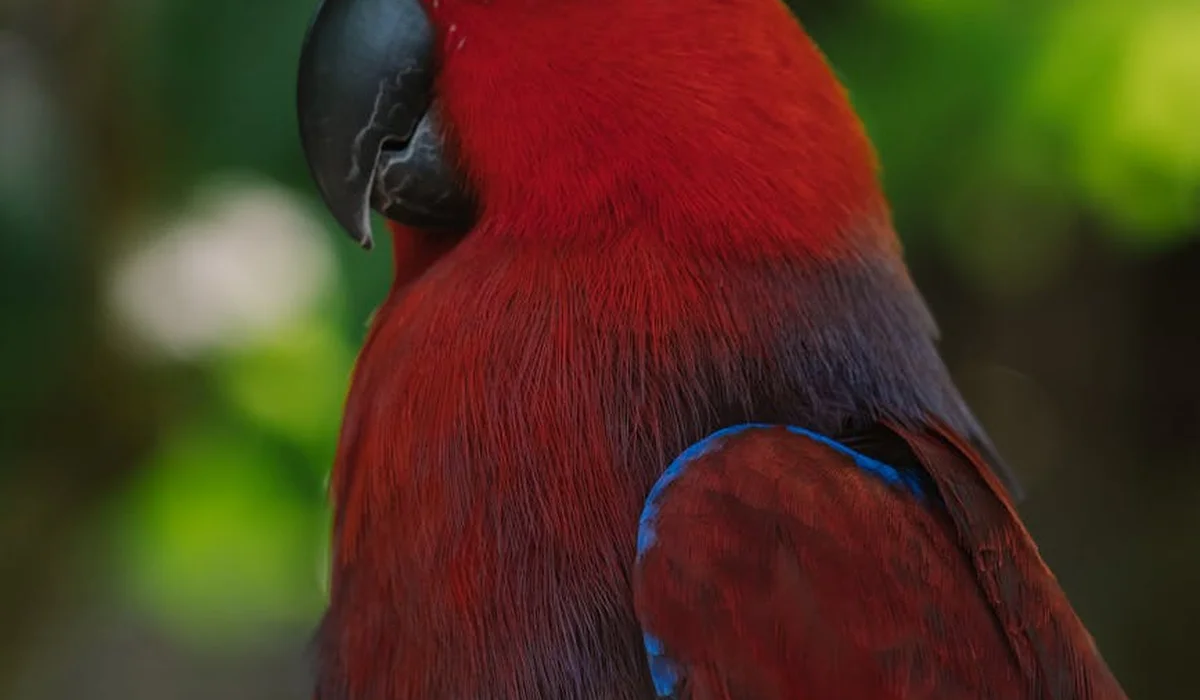
Starting with clicker training feels like learning a new language with your parrot, and getting the first steps right builds a foundation of trust.
- Choose a quiet room where your parrot feels secure, like their main living area when the house is calm.
- Hold the clicker in one hand and a high-value treat, like a piece of walnut or millet spray, in the other.
- Click the device once and immediately give the treat, repeating this 5-10 times so your parrot connects the sound with a reward.
- Wait for a simple, natural behavior like a head tilt or slight foot movement, then click and treat the instant it happens.
- Keep sessions under 5 minutes to match their attention span, and always end on a positive note with one last successful click.
I learned with Sunny, my sun conure, that rushing these initial stages just leads to confusion, so patience truly is your best tool.
Setting Up a Safe and Distraction-Free Training Space
Creating the right environment makes your parrot feel focused and eager to learn instead of anxious or overwhelmed. To support this, create a safe, stimulating indoor flight environment for your parrot. Supervised flights with engaging toys and perches help them fly confidently and explore indoors.
- Pick a familiar room with closed doors and windows to block outside noises and other pets.
- Use a sturdy T-stand or play gym at your eye level to give your parrot a comfortable perch.
- Turn off TVs, loud music, and household appliances that startle easily, like blenders or vacuums.
- Have a small bowl of special training treats ready that they don’t get at other times.
- Ensure the room temperature is warm and lighting is soft, since harsh lights can stress sensitive birds.
My green-cheek Kiwi used to get spooked by our kitchen noises, so I moved our sessions to a cozy corner in my office, and her focus improved instantly.
Teaching Basic Cues with Clicker Association
Linking the click to actions turns random movements into intentional communication between you and your bird.
- For “step up,” gently press your finger against your parrot’s lower chest and click the moment one foot lifts.
- Reward immediately with a treat, then repeat until they reliably step onto your finger without hesitation.
- Watch for relaxed body language-fluffed feathers, soft eyes, and gentle chirps mean they’re engaged.
- If they turn away or bite, stop the session and try again later, as forcing interaction breaks trust.
- Practice one cue per session, like “step up” or “turn,” to avoid overwhelming their memory.
My African grey Sage taught me that slow, consistent cue association works better than trying multiple commands at once, which just muddles their understanding.
Mastering Timing and Techniques for Flawless Training
Perfect timing turns the click into a precise marker that tells your parrot exactly what action earned the reward.
- Click DURING the desired behavior, not after it ends, to capture the correct movement.
- Use “shaping” by clicking and rewarding small steps toward a bigger trick, like rewarding a slight head turn before a full spin.
- Avoid clicking for accidental actions or when your parrot is distracted, which dilutes the training signal.
- Keep treats tiny and high-value so your parrot stays motivated without filling up too quickly.
- If you miss the timing, just ignore the mistake and wait for the next opportunity to click accurately.
Rushing the click is a common pitfall-I once clicked too late when Kiwi was learning to wave, and she got confused about what I wanted.
How to Use Shaping to Build Complex Behaviors
Shaping breaks complicated tricks into bite-sized pieces that your parrot can master without frustration.
- Choose a final goal, like turning in a full circle, and identify the first small movement, such as a head tilt.
- Click and treat every time your parrot does that initial movement, even if it’s slight.
- Once they repeat the head tilt reliably, only click for bigger movements, like a shoulder turn.
- Continue raising the criteria step by step until they complete the full turn for a click and reward.
- Keep sessions short and upbeat, ending if your parrot seems tired or loses interest.
When training Kiwi to turn around, I celebrated each micro-step with clicks, and within a week, she was spinning happily for her favorite sunflower seed.
Consistency and Short Sessions for Long-Term Success
Regular, brief practices build lasting habits without exhausting your parrot’s attention or patience.
- Schedule 3-5 minute sessions once or twice daily, ideally at the same time each day.
- Practice in the morning when your parrot is most alert and hungry for treat rewards.
- Vary the tricks to keep things fun, but revisit older cues to reinforce their memory.
- Watch for signs of boredom, like preening or wandering off, and end before they disengage.
- Keep a training journal to track progress and note what motivates your parrot most.
With Sunny, I stick to 4-minute sessions after breakfast, and his excitement for training has made our bond stronger than ever.
Overcoming Common Clicker Training Challenges
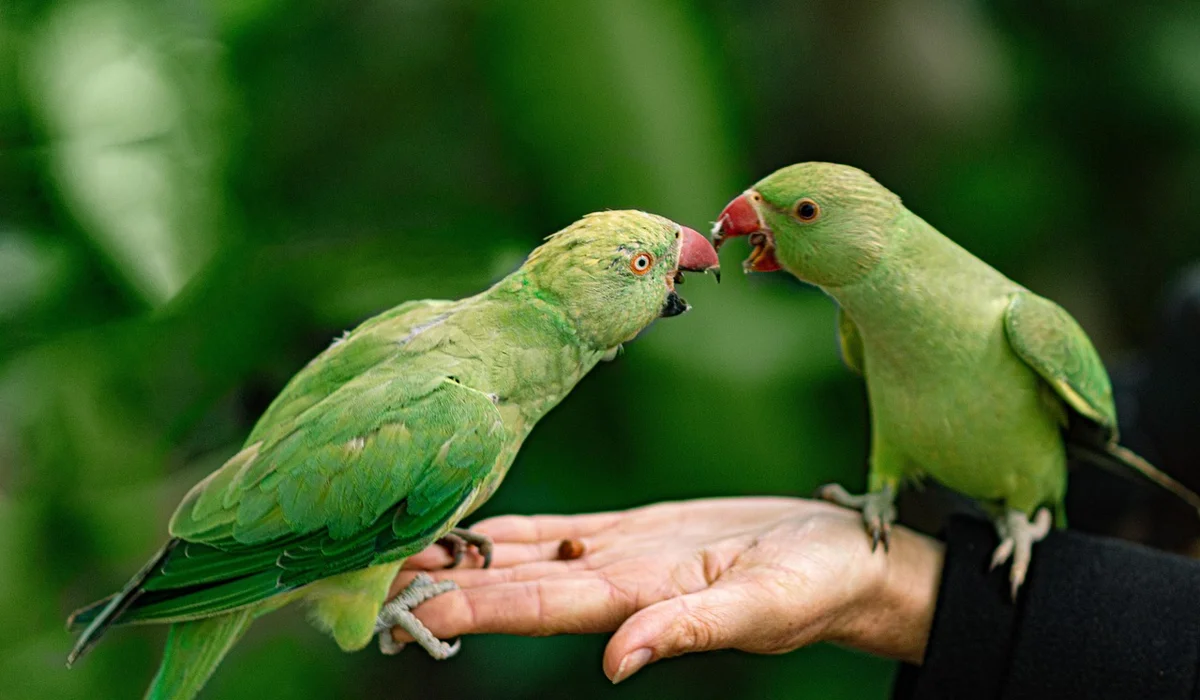
Every parrot owner hits a training wall eventually-I’ve had my share of stubborn moments with Kiwi, my Green-cheeked Conure, who once treated the clicker like a tiny monster.
- If your bird freezes or flies away from the clicker, swap it for a soft verbal marker like “good” or a gentle tongue click.
- Break sessions into shorter bursts-just 2-3 minutes-to prevent boredom and keep your parrot engaged.
- Use higher-value treats, like a sliver of almond or a bit of fruit, to reignite interest if progress stalls.
- Always end on a positive note, even if it means asking for a simple behavior your parrot already knows.
When Your Parrot Is Scared or Unresponsive
Desensitization saved my relationship with Kiwi; I started by clicking from across the room while she ate her favorite snack.
- Place the clicker near your parrot’s cage without using it, letting them inspect it at their own pace.
- Click and immediately toss a treat, without requiring any action, to build a positive association.
- If fear persists, mute the clicker by wrapping it in a cloth or using a pen with a quieter sound.
- Adjust your training pace to match your parrot’s comfort-some days, just one successful click is a win.
Managing Frustration for Both You and Your Parrot
I learned to spot Sage’s subtle signs of burnout, like turning her back or preening excessively during sessions.
- Watch for your parrot’s stress signals: pinned eyes, feather fluffing, or sudden silence.
- Take a 5-minute break if you feel impatient-step away, breathe, and return with a calm energy.
- Switch to a fun, non-training activity, like playing with a shreddable toy, to reset the mood.
- Keep a training journal to track progress and celebrate small victories, which boosts motivation.
Advancing Your Skills with Behavior Chaining and Fade-Out
Chaining turns isolated tricks into a flowing performance, something I practiced for weeks with Sunny, my Sun Conure.
- Start by reinforcing each behavior in the chain individually until your parrot performs them reliably.
- Use a bridging signal, like a specific word or gesture, to link one action to the next smoothly.
- Practice the chain in reverse order sometimes to strengthen the sequence from different angles.
- Gradually reduce treats between behaviors, rewarding only after the full chain is complete.
Linking Tricks into Smooth Sequences
Sunny now waves, spins, and then rings a bell in one fluid motion-but it took patience and precise timing.
- Teach each trick separately until your parrot responds 90% of the time without hesitation.
- Introduce a visual or verbal cue for the first behavior, like pointing for “wave.”
- Add the second behavior immediately after, clicking only after both are completed.
- Repeat the sequence daily, slowly adding more steps while keeping sessions upbeat and short.
When and How to Fade the Clicker for Independence
Fading the clicker is like removing training wheels-it teaches your parrot to respond to cues alone, which Sage mastered over time.
- Begin fade-out once your parrot consistently performs the behavior with the cue and clicker.
- Replace every other click with a treat and verbal praise, gradually increasing the gap.
- Use the clicker only for new or complex behaviors, while relying on cues for established ones.
- Stay consistent with your verbal cues and body language to avoid confusing your parrot during the transition.
FAQs
What is included in a parrot clicker training kit?
A parrot clicker training kit typically contains a clicker, high-value treats, and an instructional guide for beginners. These all-in-one sets simplify starting training by providing essential tools and supplies in one package. Having the right essential tools and supplies supports parrot taming training. They help you apply positive reinforcement consistently.
What are the most common mistakes beginners make in parrot clicker training?
Beginners often click too late or use inconsistent rewards, which can confuse the parrot and slow learning. Keeping sessions brief and using high-motivation treats helps maintain engagement and clarity.
How is a training stick used in parrot clicker training?
A training stick is used for targeting exercises to guide your parrot’s movements without physical contact, such as teaching them to touch the stick with their beak. This method builds confidence and helps in shaping complex behaviors safely.
Can I make a DIY training stick for parrot clicker training?
Yes, you can create a DIY training stick using a safe, non-toxic item like a chopstick or wooden dowel with a small attached ball. Always ensure the materials are bird-safe to prevent any risk of injury or ingestion.
Where can I find parrot clicker training sticks for sale?
Parrot clicker training sticks are available for purchase online through retailers like Amazon or at local pet supply stores. Look for products with positive reviews and durable, non-toxic designs to ensure safety and effectiveness.
Closing the Loop
Remember, the clicker is just a tool—your consistency, patience, and positive reinforcement are what truly shape your parrot’s learning. Keep your training sessions short, fun, and always end on a positive note to build a strong, trusting relationship with your bird. If behavioral issues arise, a regular routine of short training sessions can help address them. Routine training keeps you proactive and prevents problems from escalating.
Responsible pet ownership means continuously learning about your parrot’s unique needs and behaviors. By committing to their well-being and education, you not only teach them new skills but also enrich their lives and strengthen your bond every single day.
Further Reading & Sources
- How to Clicker Train Your Bird
- PARROT CLICKER TRAINING ( Conure, Cockatiel, Macaw, Ringneck, Budgie) | TheParrotTeacher – YouTube
- Trained Parrot Blog – Non Standard Clicker Training Parrots
Suzanne Levine is a dedicated parrot enthusiast and experienced avian caregiver with over 15 years of hands-on experience in parrot care. As the founder of Parrot Care Central, Suzanne is passionate about sharing her knowledge and insights to help fellow parrot owners provide the best possible care for their feathered friends. Her expertise spans nutrition, behavior, health, and enrichment, making her a trusted resource in the parrot care community.
Obedience Training