
How to Train a Rescue or Rehomed Parrot: A Compassionate Guide
Published on: April 18, 2026 | Last Updated: April 18, 2026
Written By: Suzanne Levine
You might be worried that your rescue parrot won’t trust you or learn new behaviors because of their past experiences.
I’ve trained several rehomed parrots, like my playful Kiwi and social Sunny, and I know it can feel challenging at first. I’ll help you build a strong bond with your feathered friend by focusing on patience, understanding, and positive techniques.
- Learn to read your parrot’s body language and respect their boundaries for a stress-free start.
- Use rewards like treats and praise to motivate good behavior without force.
- Create a consistent routine that makes your parrot feel safe and secure in their new home.
You’ll get straightforward advice that works, based on my hands-on experience. Topics covered include: building trust, teaching basic commands, handling fears, socialization tips, and health monitoring.
Building Trust and Bonding with Your New Parrot
Trust-building starts with gentle presence and routine interactions that make your parrot feel secure. Spending quiet time near their cage daily helps them see you as a safe companion. These bonding techniques that work rely on consistency and positive reinforcement. Start with short, calm sessions and gradually ease into closer interactions. I learned this with my Green-cheeked Conure, Kiwi, who took three weeks to stop fluttering away every time I approached.
- Sit close to the cage without making direct eye contact to avoid intimidation.
- Speak in a soft, calm voice during feeding or play to build familiarity.
- Offer small treats from your hand, starting at a distance and moving closer as comfort grows.
Bonding activities like talking softly and giving treats from afar reduce stress. Use a soothing tone to mimic flock sounds, which reassures your parrot they’re not alone. This approach also helps you manage household noise and reduce stress for both of you. With Sunny, my Sun Conure, I’d hum softly while offering millet sprays, and now she chirps back eagerly.
Watch for body language cues to recognize fear and build confidence. Puffed feathers or crouching can signal anxiety, while relaxed posture shows trust. When Sage, my African Grey, tucked her head under a wing, I knew she needed space instead of interaction.
Patience during the shelter-to-home transition is vital. I recall Kiwi hiding for days after adoption, but consistent calm presence turned him into a curious explorer. Rushing this phase can set back progress, so let your parrot set the pace.
Establishing a Safe and Soothing Presence
Make your presence non-threatening with slow, deliberate movements that don’t startle. Avoid sudden gestures by keeping your hands low and moving like you’re in slow motion. This helped Sunny stop squawking nervously when I entered the room.
- Use vocal cues like gentle whistling or soft words to announce your approach.
- Incorporate visual cues, such as wearing the same colored shirt during interactions, to create predictability.
- Blink slowly or turn your head sideways to show you’re not a threat, mimicking calm bird behavior.
Daily Rituals for Strengthening Your Connection
Outline a simple routine for feeding and quiet time together to build reliability. Start each morning with fresh food and water while talking to your parrot about your day. I do this with all my birds, and Sage now anticipates our chats with soft clicks.
- Feed at the same times daily, using this as a bonding moment rather than a chore.
- Set aside 10-15 minutes for quiet sitting near the cage, reading or working silently.
- End the day with a gentle “goodnight” phrase to reinforce security.
Use treats to reinforce positive interactions without overdoing it. Offer healthy bites like chopped veggies or a bit of fruit immediately after desired behaviors. For Kiwi, a slice of apple rewarded his first step onto my hand, making training fun and effective.
Implementing Positive Reinforcement Training Techniques
Clicker training and target training are beginner-friendly methods that build on trust. These techniques use sound and visual cues to mark good behavior, making learning clear for your parrot. I started with Sunny using a clicker, and she quickly associated the sound with rewards. To use the clicker effectively in parrot training, pair the click with a specific behavior and reward immediately to strengthen the association. Keep training sessions short and consistent for best results.
- Use treats and praise to reward actions like stepping up or staying calm.
- Keep sessions short-5-10 minutes-to maintain focus and avoid frustration.
- Be consistent with commands and timing to prevent confusion.
Adapt methods to each parrot’s personality for better results. Sage, being smart and calm, responded well to puzzle toys, while playful Kiwi needed more movement-based games. Observing their quirks helps tailor training to what motivates them most.
Mastering Clicker and Target Training
Introduce a clicker by pairing the sound with a treat to create a positive association. Click the device and immediately give a reward, repeating until your parrot looks for the treat after the sound. I did this with Kiwi over three days, and he now turns his head expectantly at the click.
- Hold a target stick (like a chopstick) near your parrot and click when they touch it with their beak.
- Gradually move the stick to guide them into simple commands, such as turning or stepping forward.
- Practice in a quiet space to minimize distractions and build skills step-by-step.
Choosing the Right Rewards and Timing
List healthy treat options to use effectively without harming their diet. Opt for small, low-sugar items like bits of carrot, unsalted nuts, or commercial parrot pellets. I rotate treats for Sage to keep her engaged, using walnuts for complex tasks and veggies for basics.
- Time rewards within seconds of the desired behavior to reinforce the connection.
- Vary rewards with praise, head scratches, or play to avoid over-reliance on food.
- Monitor portions to prevent weight gain-treats should make up no more than 10% of their daily intake.
Gentle Handling and Ensuring Safety During Training
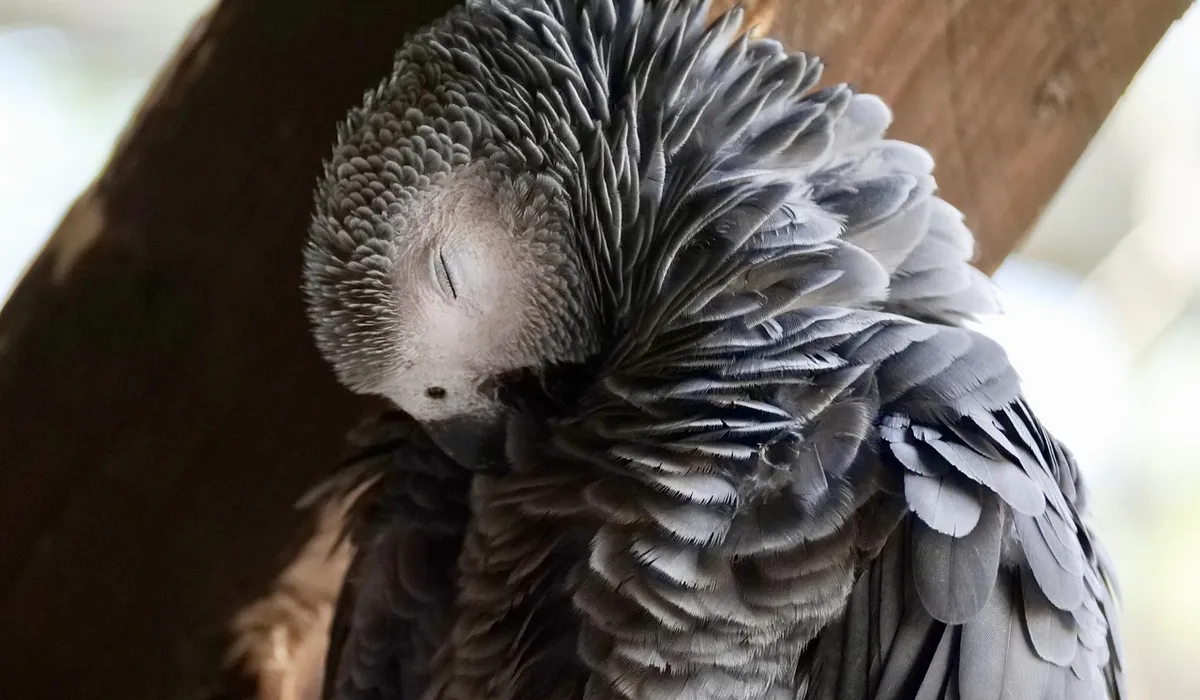
Building trust with a rescue parrot starts with gentle handling to avoid bites and fear. Move slowly and let the bird set the pace to create a positive connection. I learned this firsthand with Kiwi, my Green-cheeked Conure, who used to flinch at sudden movements until I adopted a patient approach.
- Use a calm voice and avoid direct eye contact initially to seem less threatening.
- Offer treats from your open palm to encourage voluntary interaction without pressure.
- Practice short, daily sessions to gradually acclimate the parrot to your presence.
Safety in the cage and environment is non-negotiable for a smooth transition. Secure cage doors and remove any loose items that could cause injury or stress. When I introduced Sunny, my Sun Conure, to a new home, I made sure his cage was in a quiet corner away from drafts and loud noises.
- Check for gaps or sharp edges in the cage that might harm your parrot.
- Limit initial out-of-cage time to supervised, enclosed spaces to prevent escapes.
- Adapt the environment slowly by adding familiar perches or toys from their previous setup.
Setting clear boundaries keeps everyone safe and builds mutual respect. Establish rules like no climbing on certain furniture to prevent accidents. I had to gently redirect Sage, my African Grey, when he tried to perch on unstable surfaces, using positive reinforcement instead of scolding.
- Use a consistent “no” signal for off-limits areas, paired with a reward for compliance.
- Keep handling sessions brief to avoid overwhelming the parrot and reduce stress.
- Wear protective gloves only if necessary, but aim to build trust without barriers over time.
Managing fear during handling requires empathy and observation. Watch for body language cues like fluffed feathers or backing away to gauge comfort levels. In my early days with Kiwi, I’d pause and retreat if he showed signs of distress, which slowly built his confidence.
Step-Up Commands and Perch Training
Teaching step-up commands without force fosters cooperation and strengthens your bond. Start with a sturdy perch or your finger held steadily at chest level to invite stepping up. I used this method with Sunny, rewarding him with a favorite nut each time he complied.
- Hold a treat near the perch or your hand to lure the parrot forward.
- Say “step up” in a cheerful tone as they move onto the surface.
- Immediately reward with praise and a treat to reinforce the behavior.
- Practice in different locations to generalize the skill and build reliability.
Perches and toys can make training fun and engaging. Rotate perches of varying textures to keep sessions interesting and encourage natural foot exercise. With Sage, I incorporated a rope perch into training, which he loved for its grip and play potential.
- Use target sticks or toys to guide movements and reduce hand shyness.
- Combine step-up practice with short play breaks to maintain enthusiasm.
- Avoid forcing interactions; if the parrot resists, end the session positively and try again later.
Creating a Hazard-Free Training Space
A safe training area prevents accidents and helps your parrot focus. Scan the room for common dangers like open windows or toxic plants before each session. I always double-check for hazards like electrical cords, which Kiwi once tried to nibble on during a distracted moment.
- Keep other pets out of the training space to minimize distractions and risks.
- Remove small objects that could be swallowed or cause choking.
- Ensure windows and doors are closed to avoid escapes or injuries.
Supervision is key to preventing mishaps during interactions. Stay within arm’s reach to quickly intervene if your parrot shows signs of stress or curiosity toward unsafe items. With Sunny, I learned to watch for his exploratory pecks and gently redirect him to approved toys.
- Limit training to short periods to maintain attention and reduce fatigue.
- Use baby gates or playpens to define safe zones for out-of-cage time.
- Monitor for signs of overheating or stress, like panting, and adjust the environment as needed.
Addressing Problem Behaviors with Patience and Consistency
Managing fear and undesirable actions requires a steady, kind approach. Desensitize your parrot by gradually exposing them to feared objects or sounds from a distance. When Sage developed a phobia of vacuum noises, I played recordings softly at first, rewarding calm behavior with treats.
- Start with low-intensity exposures and slowly increase as the parrot becomes comfortable.
- Use positive reinforcement to associate scary stimuli with good outcomes.
- Keep sessions predictable to build a sense of security and reduce anxiety.
Reducing screaming, biting, or feather plucking involves understanding the root causes. Address boredom or stress by providing ample mental and physical outlets. I noticed Kiwi’s feather plucking decreased once I added more foraging toys to his routine.
- Ignore attention-seeking screams to avoid reinforcing the behavior.
- For biting, gently withdraw and offer a toy instead to teach appropriate chewing.
- Consult a vet to rule out medical issues behind persistent problems like plucking.
Enrichment is a powerful tool for redirecting negative habits. Introduce puzzle feeders or shreddable toys to keep your parrot engaged and mentally stimulated. With Sunny, I found that rotating toys weekly prevented boredom-induced screaming.
- Incorporate training into play to make learning feel like a game.
- Use food-based enrichment, like hiding treats, to satisfy natural foraging instincts.
- Schedule regular interaction times to provide social enrichment and reduce loneliness.
Progress timelines vary, so set realistic goals to avoid frustration. Celebrate small victories, like a calm step-up, as signs of growing trust. It took months for Sage to stop hiding when guests visited, but consistent effort paid off.
- Track behaviors in a journal to spot patterns and adjust strategies.
- Be patient; rescue parrots may need extra time to unlearn past traumas.
- Focus on building a lifelong bond rather than quick fixes.
Dealing with Aggression and Phobias
Identifying triggers is the first step toward calming an aggressive or scared parrot. Observe body language and note what precedes outbursts to pinpoint fears. With Kiwi, I realized loud noises triggered his aggression, so I worked on desensitizing him gradually.
- Keep a log of incidents to identify common triggers like new people or objects.
- Introduce changes slowly, such as new perches, over days or weeks.
- Use a calm, reassuring voice during stressful moments to model relaxed behavior.
- Provide a safe retreat, like a covered cage area, for the parrot to decompress.
Calming techniques help soothe parrots in distress. Offer favorite treats or gentle head scratches if the parrot allows, to create positive associations. For a calm, scared, or stressed parrot, noticing signs of anxiety and responding with patience matters. Small, predictable routines and gentle reassurance can help keep fear at bay. I’ve used soft music with Sunny to ease his anxiety during storms, which made a noticeable difference.
- Avoid sudden movements or loud voices that can escalate fear.
- Practice deep breathing yourself to project calm energy.
- Use time-outs in a safe space if aggression occurs, but never as punishment.
Enrichment Activities to Curb Unwanted Habits
Engaging toys and games prevent boredom and redirect destructive behaviors. Choose toys that mimic natural activities, like foraging or chewing, to satisfy instincts. Sage loves puzzle feeders that challenge his intelligence and keep him from plucking.
- Foraging toys: Hide treats in boxes or balls to encourage problem-solving.
- Shreddable items: Provide untreated wood or paper for safe destruction.
- Interactive games: Teach simple tricks or play fetch with lightweight toys.
Rotating enrichment maintains interest and prevents habituation. Swap out toys every week to keep the environment novel and stimulating. I rotate Kiwi’s toys on a schedule, which has cut down on his chewing of cage bars.
- Introduce new textures and colors to appeal to different senses.
- Combine physical and mental activities, like obstacle courses, for full engagement.
- Monitor which toys your parrot prefers and adjust the rotation based on their reactions.
Establishing a Routine and Adapting the Home Environment
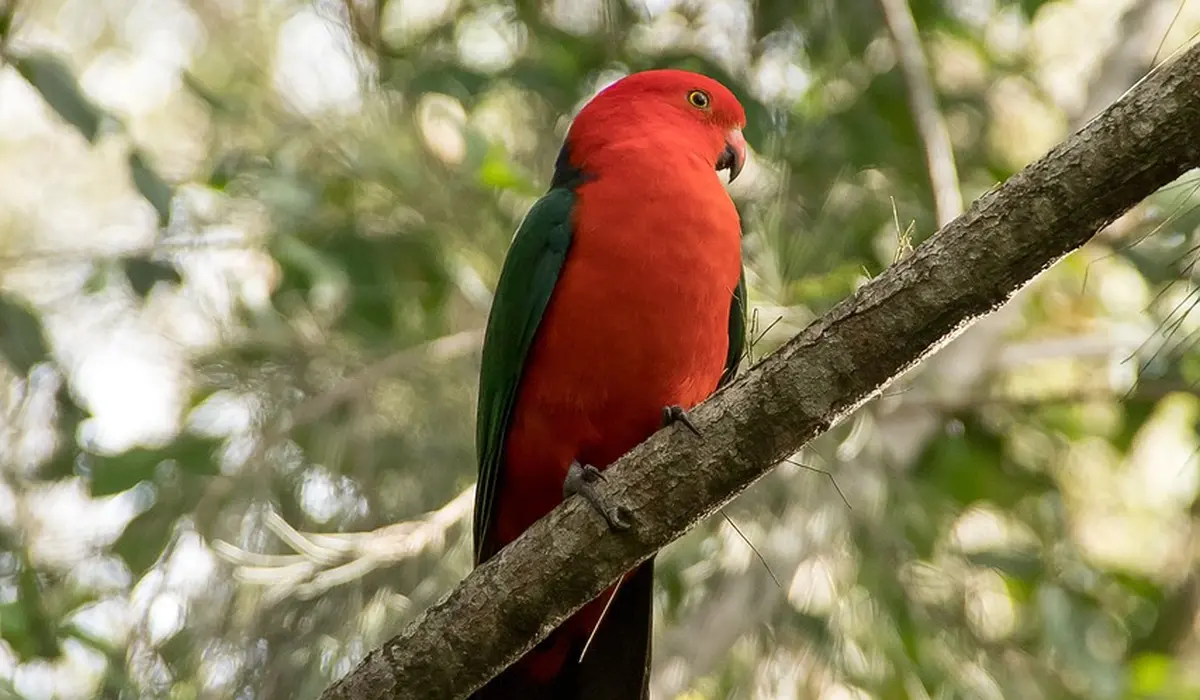
Parrots thrive on predictability, and a steady routine makes them feel secure in their new home. Consistency reduces their anxiety and boosts their willingness to learn during training sessions. I noticed this with Kiwi; her playful nature emerged once we stuck to regular meal and activity times.
Set up the cage in a calm area where your parrot can observe family life without constant noise. Include varied perches, safe toys, and hiding spots to mimic a natural environment and provide comfort. For Sage, I placed his cage near a window with a view, but with a covered corner for retreats.
Introduce family members slowly, starting with short, positive interactions near the cage. Use treats and gentle talking to build trust over days or weeks, never forcing contact. With Sunny, we let her watch us from a distance before offering hand-fed snacks.
Personal routines like morning greetings and evening quiet time signaled safety to my parrots. Simple habits, such as saying goodnight or playing soft music, helped them settle in faster. Kiwi now chirps happily when I approach her cage at the same time each day.
Designing a Parrot-Friendly Daily Schedule
Create a balanced daily plan that mixes training, play, and rest to keep your parrot engaged. Here’s a sample routine that worked well for my birds: This approach can help handle parrot behavioral issues through routine training. It reinforces good habits and reduces stress for both you and your bird.
- 7:00 AM: Wake-up, fresh water, and a healthy breakfast
- 9:00 AM: Short training session with rewards like chopped veggies
- 11:00 AM: Supervised out-of-cage play with toys
- 1:00 PM: Quiet time for napping or solo activities
- 4:00 PM: Social interaction or exploration in a safe room
- 6:00 PM: Evening meal and wind-down with dim lights
- 8:00 PM: Bedtime cover for uninterrupted sleep
Adjust this schedule based on your parrot’s energy peaks and moods. Sunny, for example, is most active in the mornings, so we do training then and save calm activities for afternoons. Watch for signs like lethargy or restlessness to fine-tune timings.
Socialization and Building Confidence in New Settings
Start by letting your parrot observe new people and spaces from the safety of their cage. Gradually increase exposure by moving the cage to different rooms for short periods. I did this with Sage, and he grew curious about our living area within a week. This approach is a core part of your new parrot’s first day home step-by-step survival guide. Keep things calm and gradually widen exposure as Sage did.
Use clear visual and vocal cues to guide your parrot during introductions. For instance, hold out your hand palm-up for step-up practice or use a specific word like “hello” for greetings. Kiwi responds well to a gentle whistle that means playtime is starting.
Involve family in positive interactions, like offering favorite treats together. This builds group trust and prevents your parrot from bonding too tightly with one person. We rotated who fed Sunny her meals to encourage social flexibility.
Supporting Health and Knowing When to Seek Professional Help
Schedule a vet check soon after adoption to rule out hidden health issues that affect behavior. Undiagnosed problems like infections or malnutrition can slow training progress and cause stress. When Sunny seemed unusually quiet, a vet visit revealed a minor vitamin deficiency we quickly corrected.
Adjust your parrot’s diet to include fresh fruits, veggies, and pellets for better focus and energy. A balanced diet supports mental sharpness and reduces behavioral issues linked to poor nutrition. Following general parrot dietary guidelines, aim for a varied mix of fresh produce, pellets, and limited seeds. Also monitor portions and adjust as needed. I mix in chopped apples and carrots for Kiwi, and her training responses improved noticeably.
Watch for signs like persistent feather plucking, aggression, or fear that don’t improve with home efforts. These red flags might mean you need a parrot behavior specialist for tailored advice. After Sage started refusing to step up for weeks, I consulted an expert who helped us rebuild trust.
There were times my home training hit a wall, and seeking help made all the difference. Don’t hesitate to reach out if your parrot’s well-being is at stake-it’s a responsible step for their happiness. I learned that early intervention prevents small issues from becoming big problems.
Preparing for Vet Visits and Health Monitoring
Acclimate your parrot to their carrier by leaving it open with treats inside for exploration. Practice short carrier trips around the house to reduce travel anxiety before the actual visit. I did this with Kiwi, and she now hops in willingly for vet appointments. When you arrive at the clinic, continue to handle your parrot gently and calmly to keep stress low during the exam.
Discuss your parrot’s full history and any behavior changes with the vet. Share details like diet, social habits, and past trauma to help them provide accurate care. For Sunny, I noted her feather condition and energy levels, which aided in diagnosis.
Handle your parrot gently at home to mimic exam procedures. Light touches on wings and feet can make vet checks less stressful over time. We practiced this with Sage, and he stays calmer during handling now.
Recognizing Limits and Accessing Resources
Red flags like constant screaming, self-injury, or refusal to eat signal it’s time for professional help. If home methods don’t bring improvement in a few weeks, consider contacting a certified avian behaviorist. I waited too long with one rescue and learned that prompt action saves heartache.
Find reputable trainers or rescue groups through avian vet recommendations or online reviews. Look for specialists with parrot-specific certifications and positive client testimonials. I connected with a local rescue that offered free behavior consultations, which was a game-changer for us. Your avian vet can help you confirm the best fit and ensure coordinated medical and behavioral care. Choose a bird specialist who communicates openly with your veterinary team.
Keep a log of your parrot’s behaviors to share with professionals. Detailed notes on triggers and responses help experts devise effective strategies quickly. Tracking Sage’s reactions helped us identify patterns and address his fears more efficiently.
FAQs
How long does it usually take for a rescue parrot to feel comfortable in a new home?
Adjustment times vary widely, but many parrots start showing comfort within a few weeks with steady routines. Be patient and let your parrot set the pace to build lasting trust.
What are some signs that my parrot is stressed or unhappy?
Watch for behaviors like constant hiding, loss of appetite, or aggressive posturing. Addressing these early with a calm environment can prevent long-term issues.
Can I train a parrot that has had negative experiences with previous owners?
Yes, using gentle, reward-based methods can help overcome past trauma. Focus on creating positive new associations to rebuild their confidence.
How do I introduce my new parrot to other pets in the household?
Start with supervised, short exposures from a safe distance to gauge reactions. Always prioritize your parrot’s security by keeping interactions controlled and stress-free.
What should I do if my parrot refuses to eat or drink after adoption?
Consult an avian vet promptly to rule out health problems, as this can be serious. Offer familiar, favorite foods in a quiet space to encourage eating.
Closing the Loop
Training a rescue parrot hinges on patience and trust-building through daily, gentle interactions and positive reinforcement like favorite treats. Moving at your parrot’s pace prevents stress and fosters a strong bond that makes learning enjoyable for both of you. From my time with Kiwi, my Green-cheeked Conure, I’ve seen how consistent routines and playful sessions turn fearful birds into curious companions eager to engage.
Responsible parrot ownership means committing to lifelong learning about their diet, health, and emotional needs to ensure they thrive. Always prioritize your parrot’s well-being by staying informed and adapting your care as they grow and change. I continuously research and observe Sage, my African Grey, to better understand her intelligence and keep her mentally stimulated and happy.
Further Reading & Sources
- Classes | PEARL Parrot Rescue
- Training Resources | PEARL Parrot Rescue
- Education – Florida Parrot Rescue
Suzanne Levine is a dedicated parrot enthusiast and experienced avian caregiver with over 15 years of hands-on experience in parrot care. As the founder of Parrot Care Central, Suzanne is passionate about sharing her knowledge and insights to help fellow parrot owners provide the best possible care for their feathered friends. Her expertise spans nutrition, behavior, health, and enrichment, making her a trusted resource in the parrot care community.
Obedience Training