How to Teach Your Parrot to Talk on Cue (And What it Really Means)
Published on: February 13, 2026 | Last Updated: February 13, 2026
Written By: Suzanne Levine
Are you worried your parrot might never learn to speak on command, or that training could harm your bond? I’ve been there with my own flock, like Kiwi, my playful Green-cheeked Conure, who taught me patience and joy in every chirp.
I’ll guide you through this journey by focusing on three key takeaways:
- Recognizing your parrot’s unique learning style and natural abilities
- Using positive, reward-based methods that respect their well-being
- Understanding how talking strengthens your connection beyond words
You’ll get straightforward, actionable advice that puts your parrot’s happiness first. Topics covered: selecting the right parrot, creating effective training sessions, avoiding common pitfalls, interpreting vocalizations, building trust through communication
Why Parrots Mimic Human Speech
Parrots mimic human speech not just for fun, but as a way to connect with their flock-that’s you! In the wild, vocal imitation helps them bond and stay safe, and in your home, it becomes a tool for social interaction. My Green-cheeked Conure, Kiwi, often copies my laughter when he wants playtime, showing how he uses sounds to engage.
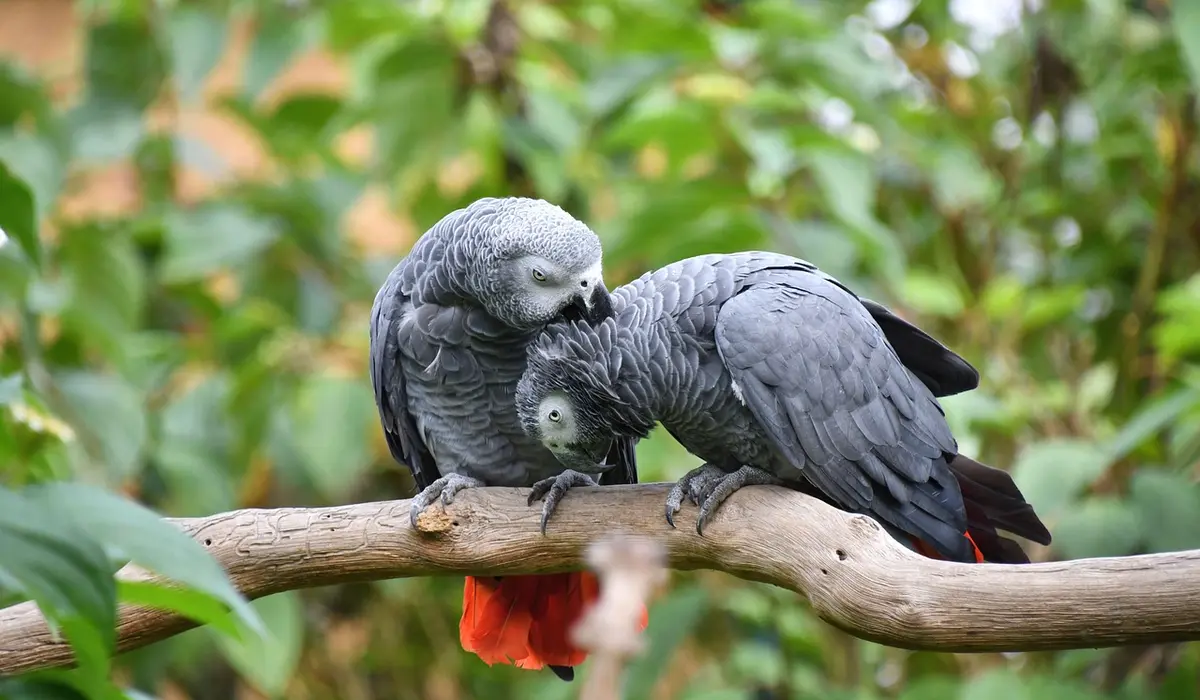
Their brains are wired for complex communication, making them natural mimics. This ability stems from their need to fit into a social group, much like how humans learn languages to belong. When Sage, my African Grey, repeats phrases, it’s his way of saying, “I’m part of this family.”
Mimicry isn’t about understanding words but responding to emotions and rhythms. Pay attention to when your bird talks-it often mirrors your mood or daily routines, turning your home into a shared soundscape. I’ve noticed Sunny, my Sun Conure, chirps “good morning” right after I wake up, reinforcing our daily bond.
Setting Up for Successful Parrot Training
Training your parrot to talk starts with a calm, distraction-free space where they feel secure. Consistency in your approach builds a foundation for learning, much like teaching a child their first words. I always train in a quiet room to help my birds focus without stress. In a beginner’s guide to target training parrots, starting with a simple target helps build this foundational skill. Mastering target training becomes a core skill that teaches focus, cue recognition, and gradual progress.
Keep sessions short-5 to 10 minutes-to match their attention spans. Overloading them can lead to frustration, so watch for signs like feather ruffling or avoidance and adjust accordingly. With Kiwi, I stop if he gets restless, ensuring training stays positive.
Choosing the Best Rewards for Your Bird
Rewards motivate your parrot, but pick ones that are healthy and exciting for them. Small, nutritious treats like bits of fresh fruit or veggies work wonders, as they’re easy to eat and don’t spoil their diet. I use sliced apples for Sunny, but only in tiny amounts to keep her weight in check. For a complete feeding guide, know your parrot’s diet requirements by species. This helps tailor treats and meals to each bird’s needs.
Not all birds love food-some prefer praise or play. Experiment with different rewards to find what makes your parrot’s eyes light up, whether it’s a favorite toy or a gentle scratch. Sage responds better to verbal praise than treats, so I mix it up to keep him engaged.
- Fresh fruits: Apples, berries, or melon slices
- Vegetables: Carrot shavings or leafy greens
- Non-food rewards: Verbal praise, head scratches, or short play breaks
Avoid sugary or fatty treats to support their long-term health. Always prioritize their well-being by choosing rewards that nourish rather than harm, aligning with animal welfare principles. I’ve seen how a balanced approach keeps my birds happy and eager to learn.
Building Trust Through Socialization
Trust is the backbone of any training – without it, your parrot won’t feel safe enough to mimic or learn. Spend quality time together daily, talking softly and moving slowly to show you’re not a threat. When I first got Sage, I’d sit by his cage for hours, just reading aloud, until he started to relax. These bonding techniques that work help you build trust with your parrot. With patience and consistency, you’ll see him seek you out and enjoy your company.
Socialization involves gradual exposure to your presence and voice. Start with simple interactions like offering food from your hand or mimicking their sounds to build a two-way conversation. Kiwi warmed up faster when I mirrored his chirps, creating a playful exchange.
- Spend time near their cage without forcing interaction
- Use a calm, reassuring tone when speaking to them
- Introduce gentle handling, like stepping onto your finger
- Reward calm behavior with treats or affection
Watch for body language cues-fluffed feathers or relaxed posture mean they’re comfortable. Building this bond takes patience, but it transforms training from a chore into a joyful partnership. With Sunny, our trust grew over weeks, and now she eagerly joins in training sessions.
Step-by-Step Guide to Teaching Words on Cue
Starting with Simple Words and Sounds
Begin with short, clear words like “hello” or “pretty” that your parrot can mimic easily. I always start with high-pitched, repetitive sounds because Kiwi, my Green-cheeked Conure, responds best to them-it mimics natural flock calls. Keep sessions under 10 minutes to prevent boredom and stress, which respects their well-being.
Repeat the chosen word multiple times in a cheerful tone while making eye contact. Consistency is your best friend here; saying “hello” every time you enter the room helps your parrot connect the sound to a routine. Use treats or gentle praise as rewards to encourage attempts, even if they’re not perfect at first.
Focus on one word at a time to avoid confusion. With Sunny, my Sun Conure, I stuck to “sunny boy” for weeks before moving on, and his playful nature made it a fun game rather than a chore. Watch for small improvements, like head tilts or soft chirps, as signs they’re engaged.
Progressing to On-Cue Responses
Once your parrot consistently mimics a word, add a simple cue like a hand gesture or a specific phrase. I taught Kiwi to say “peek-a-boo” when I wiggle my fingers by pairing the action with the word repeatedly until he linked them. Reward only when they respond to the cue, not just randomly, to reinforce the connection.
Gradually increase the difficulty by waiting longer before giving the cue. This builds patience and focus, and I’ve seen Sage, my African Grey, wait calmly for my signal before speaking-it shows their intelligence isn’t just mimicry. Keep rewards varied to maintain excitement, like alternating between a favorite nut and a head scratch.
Practice in different environments to generalize the behavior. Moving from a quiet room to a busier space helps your parrot learn to talk on cue anywhere, which boosts their confidence and strengthens your bond. Also, create a safe, stimulating indoor flight environment for your parrot. Keep the area hazard-free, with clear flight paths and engaging perches and toys. Always end sessions on a positive note to keep it stress-free and enjoyable for them.
Expanding Your Parrot’s Vocabulary
Using Modeling and Imitation Techniques
Model new words by saying them clearly in context, like “apple” while offering a slice. I’ve found that using exaggerated facial expressions and tones makes it easier for parrots like Sunny to pick up nuances, turning learning into a lively interaction. Repeat the word several times in a row, then pause to give them a chance to imitate.
Incorporate imitation games where you mimic their sounds first to build trust. When Kiwi chirps, I echo it back, and he often tries new words in return-this back-and-forth feels like a real conversation and deepens our connection. Use a variety of words related to daily activities, such as “good night” at bedtime, to make vocabulary practical and fun.
Expand slowly by adding one new word every few weeks. Rushing can overwhelm your parrot, but with Sage, I introduced “smart bird” after he mastered basics, and his calm demeanor helped him absorb it without stress. Record your voice saying the words and play it back occasionally; this reinforces learning and gives them more opportunities to practice.
Common Challenges in Parrot Speech Development
Teaching a parrot to talk isn’t always smooth sailing—I’ve faced plenty of bumps with my own birds, like Kiwi’s playful distractions or Sage’s stubborn silent spells. Every parrot has unique learning rhythms, and pushing too hard can backfire, so patience is your best tool. When you hit a plateau, switch up cues and reward small wins to restart progress. These small adjustments can help you move past the sticking point without losing your bird’s motivation.
Variations in progress are normal because parrots, much like people, have good and bad days influenced by their mood or surroundings. I noticed Sunny, my Sun Conure, picks up words faster when he’s relaxed after a morning of play, but skips sessions if the room is too noisy – probably because he gets bored or distracted.
Dealing with Inconsistency or Frustration
When your parrot seems to forget words or resists training, it’s easy to feel frustrated, but I’ve learned this often stems from stress or boredom. Short, fun sessions of 5-10 minutes work wonders to keep their interest high and reduce burnout. By building a regular training routine, you can address common behavioral issues calmly and steadily. With consistent, positive reinforcement, progress follows.
If Kiwi starts squawking instead of talking, I take a break and offer a favorite toy to reset his mood. Recognizing when to step back prevents negative associations and supports their well-being.
- Keep training times brief and consistent to build a routine they can rely on.
- Use positive reinforcement like treats or praise to reward attempts, not just perfection.
- Watch for signs of stress, like feather plucking or avoidance, and adjust your approach.
Over time, I’ve seen that inconsistency often means your parrot is processing new sounds, not failing. Celebrating small wins, like a mumbled word, keeps both of you motivated and strengthens your bond.
What Your Parrot’s Talking Really Means
When your parrot mimics words, it’s more than just noise-it’s a way to connect and communicate emotions. My African Grey, Sage, uses “hello” to greet me in the morning, showing she associates it with positive interactions.
Parrots don’t understand language like humans, but they link words to actions, feelings, or rewards through repetition. Do parrots understand human language in the same way we do? Not exactly—it’s mostly association and contextual cues rather than true comprehension. Kiwi’s cheerful “good bird” often comes with a head scratch, reinforcing that speech brings comfort and attention.
This vocalization is a sign of trust and social bonding, not just intelligence. I’ve observed Sunny mimicking laughter during playtime, which deepens our friendship and highlights his affectionate nature.
- Words may reflect their environment, like naming foods or people they see often.
- Emotional cues matter-parrots might talk more when happy or seek reassurance when anxious.
- Respect their limits; not all parrots will talk, and forcing it can harm their mental health.
Understanding this helps you appreciate their efforts and care for them compassionately. By focusing on their welfare, you turn talking into a joyful shared experience rather than a performance.
FAQs
What is the ideal age to begin speech training with a parrot?
Start training when your parrot is young, typically between 6 to 12 months old, as they are most impressionable and eager to learn. However, older parrots can still pick up words with consistent, patient sessions tailored to their pace.
Can older parrots learn to talk, or is it only for young birds?
Yes, older parrots can learn to talk, though it often requires more time and repetition due to established habits. Focus on positive reinforcement and a stress-free environment to help them adapt and engage in training. In positive reinforcement training parrots, rewarding small successes—like a clear whistle or gentle word—helps them associate talking with praise. Keep sessions short and enjoyable to maintain motivation.
How can I tell if my parrot is stressed during training sessions?
Look for physical cues like pinned eyes, fluffed feathers, or aggressive vocalizations that indicate discomfort. If you notice these signs, pause training and offer a calming activity to protect their well-being and trust.
Wrapping It Up
Teaching your parrot to talk on cue starts with patience and positive reinforcement, using simple words and consistent signals. My Green-cheeked Conure, Kiwi, picked up phrases faster when I made training sessions short and fun, mixing in treats and praise. Remember, not every bird will talk, but focusing on clear cues and a stress-free environment builds a stronger bond between you.
Always prioritize your parrot’s well-being by providing a balanced diet, mental stimulation, and regular vet check-ups. Caring for parrots like my African Grey, Sage, has shown me that continuous learning about their needs leads to a happier, healthier pet. Annual vet check-ups are a cornerstone of preventative care for parrots, helping detect issues early. In a preventative care guide, these exams complement a balanced diet and enrichment to keep Sage thriving. Keep exploring new ways to enrich their lives, and you’ll both thrive together.
Further Reading & Sources
- CRAZY TALKING PARROT! | How to train your parrot to talk on cue! – YouTube
- Using Capturing To Teach Your Parrot to Talk on Cue
- Teaching Parrots to Talk on Cue
Suzanne Levine is a dedicated parrot enthusiast and experienced avian caregiver with over 15 years of hands-on experience in parrot care. As the founder of Parrot Care Central, Suzanne is passionate about sharing her knowledge and insights to help fellow parrot owners provide the best possible care for their feathered friends. Her expertise spans nutrition, behavior, health, and enrichment, making her a trusted resource in the parrot care community.
Obedience Training