
Clicker Training vs. Voice Commands: Which is Better for Your Pet?
Published on: February 13, 2026 | Last Updated: February 13, 2026
Written By: Suzanne Levine
You’re trying to train your pet, but you’re stuck wondering if a clicker or your own voice is the right tool for the job. It’s a common worry, and choosing the wrong method can feel like you’re wasting your time and confusing your furry friend.
I’ve trained my own birds-from a playful Green-cheeked Conure to a clever African Grey-using both techniques, and I’ll help you cut through the noise. We’ll look at the core strengths of each method so you can decide what fits your lifestyle and your pet’s personality.
Here are the key points we will cover:
- The science behind how each method communicates with your pet’s brain.
- Real-life pros and cons based on your pet’s species, age, and temperament.
- How to combine both methods for powerful, positive results.
By the end of this guide, you’ll have a clear, actionable plan. We’ll walk through everything from the basics to advanced techniques.
What is clicker training, What are voice commands, Key differences in effectiveness, Pros and cons for different animals, How to get started, Combining methods, Final verdict
Understanding Clicker Training and Voice Commands
Clicker training uses a small device that makes a distinct “click” sound to mark the exact moment your parrot performs a desired behavior. This sharp, consistent sound acts as a bridge, telling your bird “Yes! That’s what I wanted!” right before they get their treat.
Voice commands are the verbal cues we naturally use, like saying “Step up” when we want our parrot to climb onto our hand. This method relies on your bird learning to associate your specific words or tone with an action and a subsequent reward. Do parrots understand human language, or are they mainly responding to sounds and patterns? While some parrots can grasp basic word associations, their understanding is not the same as human language.
Both methods are rooted in operant conditioning, a fancy term for a simple idea: behaviors that are rewarded are more likely to be repeated. Whether it’s a click or your voice, the goal is to pair that signal with something wonderful, like a piece of walnut or a head scratch.
I vividly remember teaching my Green-cheeked Conure, Kiwi, to spin in a circle using a clicker. His playful curiosity made him a perfect student. The instant I clicked the moment his little feet completed the turn, his eyes would light up-he knew the mango was coming. That precise timing is something I struggled to achieve with my voice alone.
The Ups and Downs of Clicker Training
Clicker training offers some fantastic benefits for parrot owners who want to teach complex behaviors.
- Precise Timing: The click pinpoints the exact behavior you’re rewarding, leaving no room for confusion.
- Clear Signal: The unique sound is consistent and doesn’t carry the emotional variations of your voice.
- Consistent Reinforcement: Every click means a reward is coming, which builds strong, reliable associations for your bird.
Of course, no method is perfect, and the clicker comes with its own set of challenges.
- Requires a Tool: You need to have the clicker on you, which can be inconvenient during spontaneous training moments.
- Potential for Startling: Some parrots, especially more nervous ones, can be initially frightened by the sharp “click” sound.
- Needs Practice: The handler must learn to click at the perfect moment, which is a skill that takes time to develop.
My African Grey, Sage, is a prime example of a parrot who thrived with clicker training for shaping complex behaviors. Her calm, intelligent nature meant she quickly understood that the clicker sound was her key to unlocking puzzles and learning new words for specific actions. We started with the clicker at a distance to ensure the sound wasn’t too loud for her sensitive ears, a crucial step for any noise-wary bird.
The Ups and Downs of Voice Commands
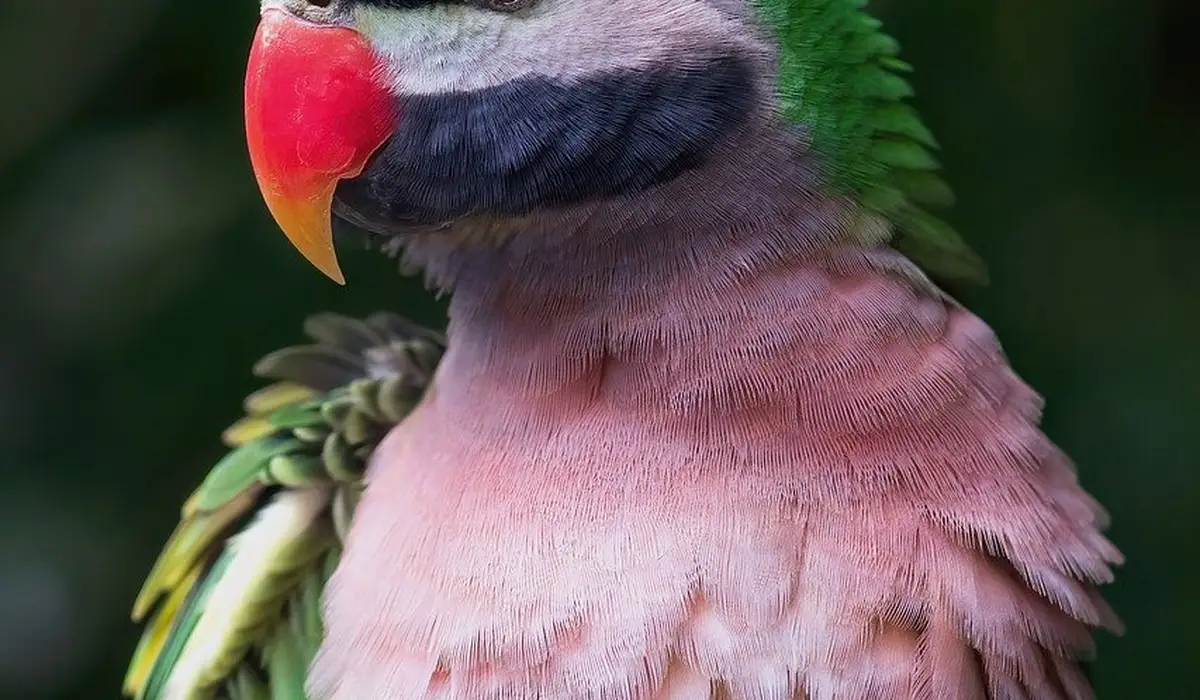
Voice commands feel like chatting with a feathered friend. You don’t need any special gear-just your voice and your parrot’s attention. This simplicity makes it perfect for spontaneous moments.
Asking Sunny to “step up” while I’m preparing breakfast feels natural and immediate. This method builds a social bond through everyday conversation. It turns simple requests into shared moments.
But timing can get tricky. If your praise comes a second late, your parrot might connect it to the wrong action. I’ve seen this confusion firsthand.
Your tone and volume matter more than you think. Parrots read emotional cues in your voice, so inconsistency can muddy your message. A cheerful “good bird!” versus a tired one sends different signals. If you want to tell when your parrot is happy, look for these 10 key signs. We’ll go through them to help you read your bird better.
When Clicker Training Excels for Parrots
Clicker training shines when precision is everything. That sharp “click” sound cuts through distractions, marking the exact moment your parrot gets it right. There’s no guesswork. Target training is foundational in a parrot’s beginners guide. It teaches your bird to focus on a specific cue and respond reliably.
I use this for teaching Kiwi complex tricks like retrieving specific toys. The clicker’s consistency helps shape behaviors step-by-step with incredible accuracy. It’s like giving instant, crystal-clear feedback.
Noisy environments are where clickers truly dominate. When household sounds compete for attention, that distinctive click rises above the chaos. Voice commands can get lost in the shuffle.
New learners benefit tremendously from this method. Clicker training eliminates ambiguity, making initial lessons faster and less frustrating for both of you. It builds a solid foundation of understanding.
When Voice Commands Shine with Parrots
Voice commands truly stand out in everyday life with your feathered friend. They let you guide your parrot without any extra tools, making interactions feel natural and spontaneous.
- Everyday obedience: Use voice for simple cues like “step up” or “no bite.” I rely on this with Kiwi, my Green-cheeked Conure, to keep our daily routines smooth and stress-free.
- Bonding moments: Talking to your parrot strengthens your relationship. Sunny, my Sun Conure, lights up when I use a warm, encouraging tone-it turns training into a shared joy.
- When hands are full: If you’re holding food or cleaning, a verbal command like “wait” prevents mishaps. I’ve used this with Sage while preparing her meals, and it works like a charm.
Social parrots like Sunny excel with voice commands because of their affectionate nature. She responds eagerly to the emotional tones in my voice, making every session a bonding opportunity.
For the best outcomes, practice voice cues in a peaceful environment. Starting in a quiet room helps your parrot focus and associate your words with positive actions quickly. I always begin with Sunny in a calm space to maximize her attention and learning. These cues are signals your parrot learns to associate with actions. Teach your parrot what each talk cue means, so a word carries clear intent.
How Parrots Respond to Clicker vs. Voice Cues
Parrots show distinct reactions to clicker and voice cues, shaped by their intelligence and personality. Observing these responses helps you tailor training to what motivates your bird most. If you’re curious whether different parrot sounds mean different things, our complete guide covers it.
- Learning responses: Clicker training often speeds up new behavior acquisition. With Kiwi, he learned “spin around” faster using a clicker than with voice alone, thanks to its clear, instant feedback.
- Cue association differences: Clickers provide a consistent sound, while voice cues carry emotional variety. Sage, my African Grey, processes clicker marks as precise signals but finds voice commands more personal and integrated into our chats.
- Motivation levels: Clicker sessions get Kiwi super excited-it feels like a game to him. Voice cues, on the other hand, keep engagement steady and relaxed, perfect for maintaining familiar commands.
Smart parrots like Sage can handle both methods well, but they might prefer one based on context. I’ve noticed Sage thinks more deliberately with clicker training, while voice cues flow naturally into our daily interactions.
Your parrot’s enthusiasm can vary-clickers often boost energy for tricks, while voice supports consistency. Mixing both methods keeps training dynamic and respects your bird’s individual preferences for a happier, healthier experience.
Choosing the Right Method for Your Parrot
Your parrot’s personality plays a huge role in which training method will click with them.
My three parrots each respond differently to training methods, which taught me to tailor my approach to their individual quirks. That variability sparked a plan for a comparative guide to training different parrot species. It will compare methods across species and note what works best where.
- Kiwi, my energetic Green-cheeked Conure, loves the clear sound of the clicker – it matches her playful, fast-paced nature
- Sunny, my social Sun Conure, responds beautifully to voice commands because she craves that verbal interaction
- Sage, my thoughtful African Grey, actually works best with a combination of both methods depending on the complexity of the behavior
Your consistency as a trainer matters more than the tool you choose.
Parrots thrive on predictable patterns, so your regular training sessions create trust and better results. This approach also helps you handle common behavioral issues through routine training. With consistent cues and positive reinforcement, problem behaviors become more manageable over time.
- Set aside five minutes daily rather than one long weekly session
- Use the same hand signals and verbal tones every time
- Keep treats ready and your energy positive throughout
Your home environment directly impacts training success.
A calm space with minimal distractions helps your parrot focus on learning new behaviors safely. To create a safe, stimulating indoor flight environment for your parrot, provide secure areas, enrichment, and regular supervised flight sessions.
- Train in a quiet room away from noisy appliances or other pets
- Close curtains if outdoor movement distracts your bird
- Use a consistent training perch to signal “work time”
Your training goals should guide your method selection.
Simple tricks might work with either method, but complex behaviors often benefit from the precision of clicker training.
- Voice commands excel for everyday interactions like “step up”
- Clickers work wonders for shaping intricate behaviors like retrieving objects
- Combining methods helps bridge communication gaps
Mixing methods often delivers the best welfare-focused results.
I’ve found that using both clicker and voice training creates a richer, more adaptable relationship with my parrots.
- Start with clicker training to establish clear communication
- Add voice cues once the behavior is consistent
- Always end sessions while your parrot is still engaged and happy
Handling Noise and Accessibility in Training
Ambient noise can make or break your training session.
Clickers produce a distinct sound that cuts through household noise much better than most human voices.
- The sharp “click” penetrates television sounds and conversation
- Voice commands can get lost in noisy households or apartments
- Parrots might confuse similar-sounding words with background noise
Managing distractions ensures your cues remain reliable.
Creating a focused training environment benefits both you and your parrot by making communication clearer. In positive reinforcement training, you reward desirable behaviors to encourage repetition, making learning enjoyable for your bird. This approach also builds trust and keeps training sessions calm and productive.
- Schedule training during quieter times of day
- Use visual cues alongside auditory ones for reinforcement
- Gradually introduce distractions once behaviors are solid
Accessibility considerations make voice training more practical for some owners.
If you have mobility issues or often train with full hands, voice commands offer clear advantages.
- Voice requires no additional equipment to carry or locate
- You can reinforce behaviors while preparing food or cleaning cages
- Family members can maintain consistency without clicker training knowledge
Adapt your methods to your lifestyle and physical needs.
What matters most is building a strong bond through consistent, positive reinforcement – regardless of the tools you use.
- Choose methods that feel natural and sustainable for you
- Modify techniques to accommodate any physical limitations
- Remember that your parrot values your attention more than perfect technique
FAQs
What are the main advantages of using a clicker over voice commands in training?
The clicker offers precise timing to mark exact behaviors, reducing confusion for your parrot. Its consistent sound remains neutral, unlike voice tones that can vary with emotions.
What are the main limitations of using a clicker compared to voice prompts?
Clickers require carrying a separate tool, which can be inconvenient for spontaneous training. Some parrots may startle at the sharp sound, and it demands practice to master timing.
How does ambient noise affect clicker versus voice prompts?
Clicker sounds cut through background noise effectively, ensuring clear communication in loud settings. Voice commands can get lost or misunderstood amid household sounds, reducing their reliability.
In Closing
Ultimately, blending clicker training for precision with voice commands for everyday bonding creates a powerful duo for parrot care. I’ve seen Kiwi, my playful Green-cheeked Conure, master tricks faster with a clicker, while Sunny, the affectionate Sun Conure, responds eagerly to my voice during cuddle sessions. Tailor your approach to your parrot’s unique personality and your training goals for the best results.
Always prioritize your feathered friend’s happiness and health by staying curious and informed about their needs. Building trust with your parrot is essential. Try bonding techniques that work to strengthen your connection. Responsible ownership means committing to lifelong learning, ensuring your parrot thrives in a loving, stimulating environment.
Further Reading & Sources
- Click vs. Voice
- r/Dogtraining on Reddit: Anyone notice a difference in your dog when using a clicker vs. marker word, like ‘yes’ ?
- Are Clicks Better Markers than Words? – McConnell Publishing Inc.
Suzanne Levine is a dedicated parrot enthusiast and experienced avian caregiver with over 15 years of hands-on experience in parrot care. As the founder of Parrot Care Central, Suzanne is passionate about sharing her knowledge and insights to help fellow parrot owners provide the best possible care for their feathered friends. Her expertise spans nutrition, behavior, health, and enrichment, making her a trusted resource in the parrot care community.
Obedience Training