
How to Train Your Parrot to Step Up on Your Hand
Published on: April 18, 2026 | Last Updated: April 18, 2026
Written By: Suzanne Levine
Are you worried your parrot might bite, fly away, or simply ignore you when you try to get it to step onto your hand? That fear is totally normal, and I’ve been there with my own birds.
I’ll help you turn that nervousness into confidence by sharing what worked for me with Kiwi, Sunny, and Sage. You’ll discover three key strategies:
- Building a foundation of trust so your parrot feels safe with you.
- Using positive reinforcement with treats and praise to encourage the behavior.
- Following a simple, step-by-step process that respects your bird’s pace and personality.
You’ll get straightforward, easy-to-follow advice that puts your parrot’s well-being first. This article covers: trust-building, positive reinforcement, step-up technique, troubleshooting common issues, and advancing training.
Why Step Up Training is a Game Changer
- Step up training transforms your relationship by creating shared moments of trust and cooperation. It turns routine handling into a bonding experience that deepens your connection every time your parrot responds. Safety improves dramatically because a trained parrot is less likely to fly into danger or resist necessary moves.
- I remember when Kiwi, my playful Green-cheeked Conure, first mastered step up-he went from skittish to confidently hopping onto my hand for treats. That breakthrough made vet visits and cage cleanups stress-free for both of us. His curiosity turned training into a fun game we both looked forward to.
- This skill builds your parrot’s independence by teaching them to make choices in a safe way. Trust grows as they learn that your hand is a reliable and rewarding place to be. It empowers them to explore their surroundings with confidence.
Gather Your Training Toolkit
- Essential supplies include high-value treats, a clicker for marking behavior, and a small perch for practice sessions. Having the right tools on hand sets you up for success from the very first training attempt. These items make learning clear and enjoyable for your parrot.
- High-value treats act as instant rewards that motivate your parrot to repeat the step-up action. A clicker pinpoints the exact moment your parrot does the right thing, making the lesson crystal clear. The perch gives a stable starting point for beginners to build confidence.
- Choose treats that your parrot absolutely loves, like tiny bits of fruit or nuts, to keep them engaged. Pick a quiet, familiar environment to reduce distractions and help your parrot focus on you. I always use Sunny’s favorite millet sprays in a calm room to make training sessions effective and fun.
Your Step-by-Step Training Plan
Start with Target Training Basics
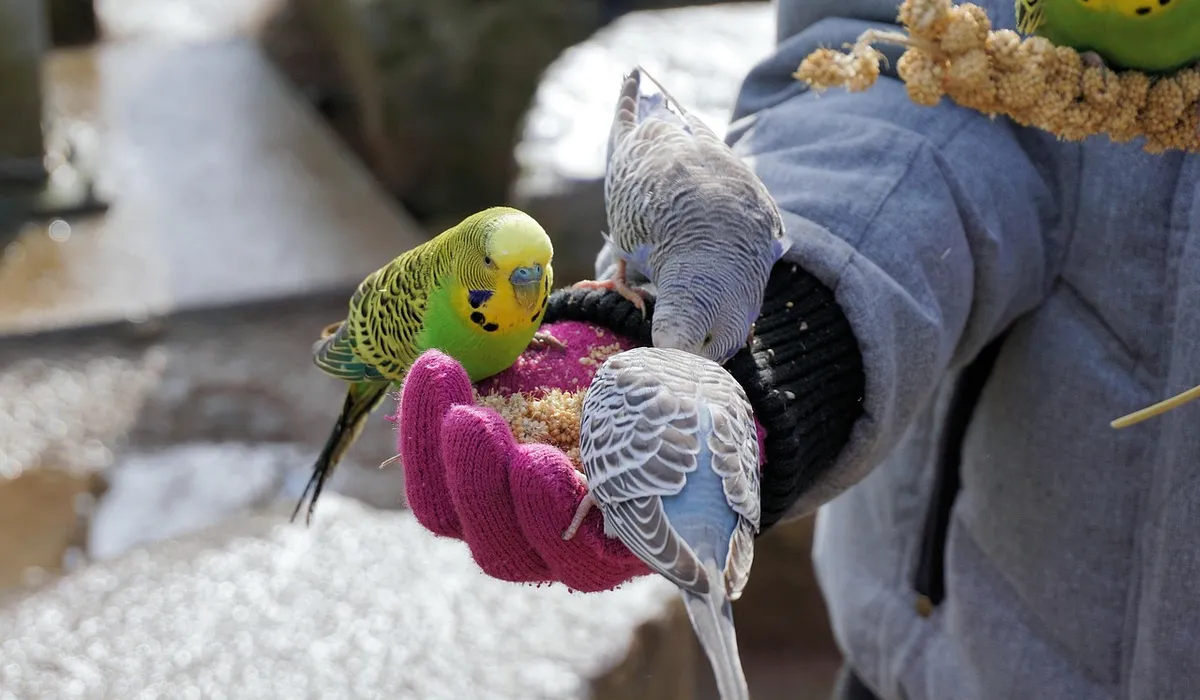
- Grab a small stick or use your index finger as a target to spark your parrot’s interest. Hold it just out of reach so they lean in to investigate, rewarding that curiosity builds trust fast. With Kiwi, I’d wiggle a chopstick near her, and her playful nature made her tap it within minutes.
- Click or say “good” the moment they touch the target, then offer a tiny treat like millet. Repeat this until they eagerly seek out the target, shaping a solid foundation for more complex moves. I did this daily with Sunny, and her social side shone as she started anticipating the fun.
Introduce the Hand as a Safe Perch
- Place your hand palm-up and still, avoiding sudden moves that might startle them. Keep sessions brief and positive, letting your parrot set the pace to reduce any fear. When I first tried this with Sage, I’d rest my hand on her cage door, and her calm demeanor told me she felt secure.
- Use a gentle hand cue, like a flat palm, and gradually move closer as they relax. Reward any step toward your hand, even a glance, to build associations with safety and treats. For Kiwi, I inched my hand nearer over days, and her curiosity won over any hesitation.
Master the Step Up Command
- Add a clear verbal cue like “step up” as they lift a foot toward your hand. Pair the words with the action every time, so your parrot links the phrase with the behavior. I practiced this with Sunny, and her affectionate chirps showed she got it after a few reps.
- Stick to short, daily sessions of 5-10 minutes to keep it engaging. Consistency here is your best friend-regular practice turns tentative steps into confident hops. With all my birds, I found that ending on a high note made them eager for the next round.
Reading Your Parrot’s Body Language
- Watch for puffed feathers or backing away-these are clear signs of fear. If your parrot leans forward with relaxed wings, they’re likely ready and willing to interact. Sage’s calm posture, with her grey feathers smooth and head tilted, always signals it’s training time.
- Notice playful cues like soft chirps or head bobs, which mean they’re engaged. Stress might show as rapid breathing or biting; back off immediately to keep trust intact. From Kiwi’s curious pecks to Sunny’s social nuzzles, I adjust based on their moods to avoid pushing too hard.
- Tailor your approach by pausing if they seem distracted or uneasy. Respecting their signals not only speeds up learning but also strengthens your bond over time. I’ve learned that a happy parrot learns faster, so I always check their body language first.
Troubleshooting Common Training Hurdles
When Your Parrot Resists Stepping Up
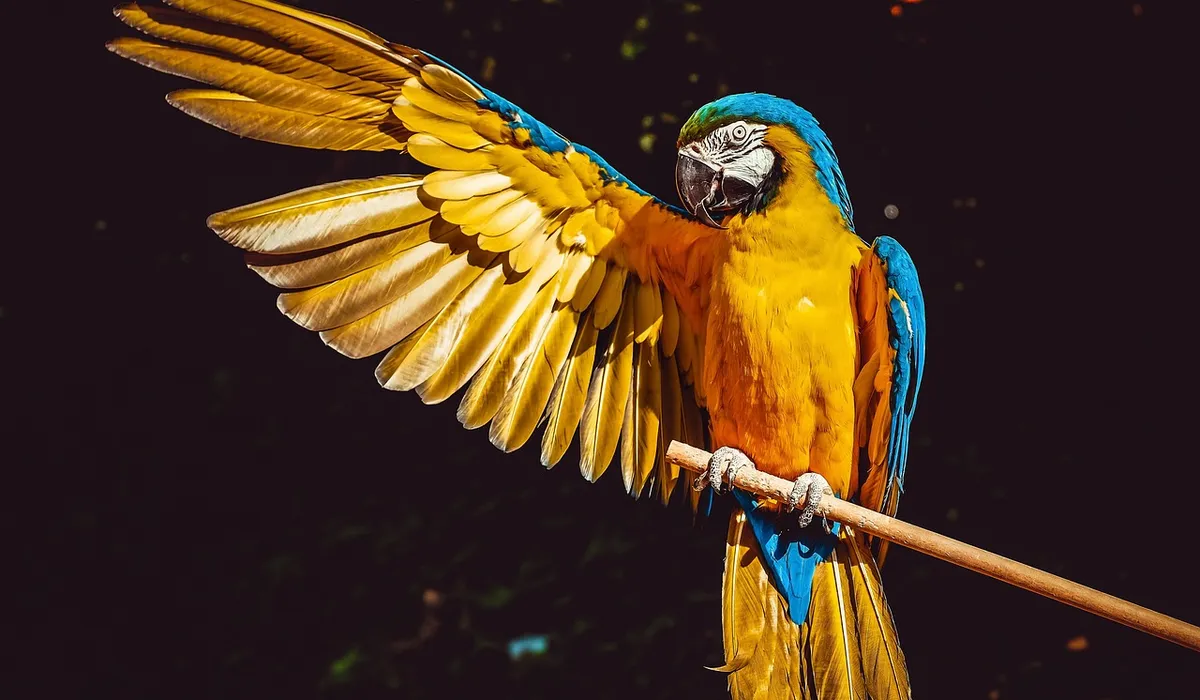
Sometimes your feathered friend just won’t cooperate, and that’s perfectly normal. Resistance usually stems from fear, distrust, or simply a lack of motivation to participate. My green-cheeked conure, Kiwi, went through a phase where he’d turn his head away every time I offered my hand. That’s where building confidence in shy, traumatized parrots comes into play. With patience and gentle handling, you can help Kiwi learn to trust again.
- If your parrot seems fearful, slow everything down. Sit near their cage and talk softly, letting them observe your calm presence without any pressure to perform.
- For a parrot showing no interest, you need a better reward. Try tiny pieces of pine nut, millet spray, or a bit of fruit they can’t resist. Finding that high-value treat makes all the difference in turning reluctance into enthusiasm.
- Never scold or punish your parrot for refusing. This destroys trust and sets your training back weeks. I learned patience is the ultimate tool when my sun conure, Sunny, needed extra time to feel safe.
- Break the “step up” into smaller parts. Reward them for just looking at your hand, then for leaning toward it, and finally for touching it with one foot.
Handling Bites and Fear Responses
A bite can be startling and painful, but it’s their way of communicating “I’m scared” or “Stop that.” The key is to stay calm and not react dramatically, as loud noises or sudden movements can reinforce the biting behavior. Understanding why parrots bite—the causes and triggers—helps you respond more effectively. Recognizing common triggers like fear, overstimulation, or guarding of resources can prevent future bites.
- Always approach your parrot from below or at chest level, never from above like a predator. This simple change reduces fear-based bites significantly.
- Watch their body language closely. Flattened feathers, pinned eyes, or a tense posture mean “back off.” Respect these signals to avoid getting bitten.
- If a bite happens, resist the urge to pull your hand away quickly. Gently push into the bite instead, which makes them release their grip. Then take a short break before trying again.
- Build trust through gradual exposure. Start by simply placing your hand on the outside of the cage, then inside without moving, and finally near their perch. Trust isn’t built in a day, but through countless positive, pressure-free interactions. My African Grey, Sage, needed months of this before she felt comfortable with hands.
Building a Lasting Bond Through Practice
Training isn’t just about teaching tricks; it’s the foundation of your lifelong friendship. Consistency turns a learned behavior into a reliable habit that your parrot performs with confidence. For beginners, target training is a practical first step and a foundational skill. It teaches focus, cueing, and positive reinforcement that make future training easier.
- Stick with brief, daily sessions of just 5-10 minutes. Long sessions bore both of you and lead to frustration. Short and sweet keeps everyone engaged.
- Practice in different locations around your home once they’ve mastered the skill in one spot. This helps them generalize the command and respond anywhere.
- Always end on a positive note, even if it’s just for a simple attempt. Finishing with a success, no matter how small, leaves your parrot eager for the next session.
- This regular, positive interaction deepens your connection immensely. I’ve found that my parrots who train regularly are more vocal, more affectionate, and seek out my company throughout the day. The trust we build during these moments extends far beyond the training session itself.
FAQs
How long does it typically take for a parrot to learn the step up command?
The time varies based on the parrot’s age, personality, and trust level with you. Consistent, short daily sessions can lead to progress in as little as a week or two for some birds. Different parrot species vary in how long it takes to talk, which you can explore further in the Parrot talking timelines by species. Some may start mimicking words in a few weeks, while others can take months with steady training.
Can step up training help with other parrot behaviors?
Yes, it establishes a foundation of trust that makes teaching other commands, like stepping down or recall, much easier. This training also encourages calmer handling and reduces stress in new situations. Advanced recall training indoors, proofing your parrot’s flight skills in a controlled space, helps ensure reliable recall even with indoor distractions. This additional step builds confidence that recall holds steady as the environment changes indoors.
What if my parrot is not motivated by treats during step up training?
Try using verbal praise, gentle head scratches, or access to a favorite toy as alternative rewards. Identify what your parrot finds rewarding through observation to keep them engaged in the process. If you notice your parrot is bored, these strategies can help you address the issue and restore interest. Understanding why your parrot is bored lets you tailor rewards and activities to keep them motivated.
Should I practice step up training inside or outside the cage?
Begin in a secure, familiar space like near the cage to minimize distractions and build confidence. As your parrot improves, gradually introduce training in different areas to reinforce the behavior in various settings. This routine-based training also helps address common behavioral issues. Regular, positive reinforcement keeps problem behaviors in check.
How can I keep step up training enjoyable for my parrot over time?
Mix up sessions with playful interactions and rotate rewards to prevent boredom. Ending each session on a successful attempt helps maintain a positive association and eagerness for future training. Integrating enrichment toys and focused play is one of the best ways to prevent boredom and reduce stress. Enrichment activities keep pets engaged, mentally challenged, and happier between training sessions.
Final Thoughts
Teaching your parrot to step up comes down to building a foundation of trust and using positive reinforcement. Start with a calm, quiet space, offer a steady hand as a perch, and reward every attempt with a favorite treat or verbal praise. Keep training sessions short and fun, and remember that patience is your most important tool. This approach is at the heart of positive reinforcement training for parrots. Reward the behavior you want to see immediately to strengthen the connection.
Training is just one part of a lifelong commitment to your feathered friend. Always continue learning about their specific species needs, provide a stimulating environment, and make their health and happiness your top priority. A comparative guide for training different parrot species can help you tailor techniques to each bird’s unique needs. A well-cared-for parrot is a joyful companion for years to come.
Further Reading & Sources
- TEACHING YOUR BIRD TO “STEP UP” – Facebeak
- r/parrots on Reddit: what is the best way to train a bird to step up
- Step Up Training For Your Parrot Using Shaping | ThinkParrot
Suzanne Levine is a dedicated parrot enthusiast and experienced avian caregiver with over 15 years of hands-on experience in parrot care. As the founder of Parrot Care Central, Suzanne is passionate about sharing her knowledge and insights to help fellow parrot owners provide the best possible care for their feathered friends. Her expertise spans nutrition, behavior, health, and enrichment, making her a trusted resource in the parrot care community.
Obedience Training