
How to Choose the Perfect Avian Vet for Your Bird
Published on: December 15, 2025 | Last Updated: December 15, 2025
Written By: Suzanne Levine
Picking the right avian vet can feel like a huge puzzle, especially when you’re worried about your bird hiding sickness until it’s too late.
After caring for my own birds-Kiwi’s playful antics, Sunny’s social chatter, and Sage’s calm intelligence-I’ve learned what truly matters in vet care. I’ll walk you through the essentials to ease your mind and protect your feathered friend’s health.
- Spot key qualifications and certifications that set top avian specialists apart.
- Ask smart questions to gauge a vet’s experience with birds like yours.
- Identify red flags during visits to avoid poor care and stress for your bird.
You’ll receive clear, actionable steps to make this choice with confidence. Topics covered include finding avian vets, evaluating their skills, preparing for appointments, and ensuring ongoing wellness.
Why Your Parrot’s Health Demands a Specialized Bird Vet
Your parrot’s vibrant personality and long lifespan depend entirely on expert veterinary care designed specifically for birds. Avian vets are trained to spot the subtle signs of illness that a general vet might easily miss, from slight changes in feather condition to minor shifts in vocalization. They understand that parrots instinctively hide weakness, meaning by the time symptoms are obvious to you, the problem could be advanced.
I learned this lesson firsthand with my Green-cheeked Conure, Kiwi. He seemed just a little less playful one week, less interested in his favorite bell toy. Our avian vet detected a minor respiratory issue during a routine check-up, something I would have dismissed as a simple “off day.” That early intervention prevented what could have become a severe infection, saving Kiwi from a lot of discomfort and me from a huge vet bill.
Parrots are not small, feathered dogs or cats. They require a specialist for several key reasons.
- Unique Anatomy: Their respiratory system is incredibly efficient but fragile, with air sacs throughout their body. A standard physical exam must be performed with extreme care to avoid harming them.
- Complex Behavior: A bird expert can interpret behaviors like feather plucking or cage aggression, distinguishing between a medical issue and an environmental one.
- Specialized Diagnostics: Blood draws, radiographs, and anesthesia protocols are completely different for birds and require specific training to perform safely.
- Metabolic Speed: Their fast metabolism means illnesses progress rapidly. An expert can diagnose and begin treatment before a condition becomes critical.
What Exactly Is an Avian Veterinarian and How Do They Differ?
An avian veterinarian is a professional who has pursued extensive, focused education in the medicine and surgery of bird species. While an “exotic” vet might see a variety of animals like reptiles and small mammals, an avian vet’s practice is dedicated primarily to our feathered friends. This deep, singular focus is what makes them so valuable.
The highest level of certification in this field is through the American Board of Veterinary Practitioners (ABVP) in Avian Practice. A vet who is ABVP-certified in avian medicine has undergone rigorous additional training and testing beyond veterinary school, proving a recognized standard of expertise. They are essentially board-certified specialists, much like a human cardiologist or surgeon.
Their training covers unique specializations that are vital for parrot care.
- Avian Dentistry: Yes, birds need dental care too! This involves managing their continuously growing beaks and addressing problems like scissor beak or injuries.
- Nutritional Counseling: They provide precise dietary plans to prevent common issues like fatty liver disease, which is a major problem for seed-only diets.
- Behavioral Medicine: They help solve complex problems like chronic screaming or self-mutilation by identifying the root causes, which are often a mix of health and environmental factors.
- Advanced Surgery: From delicate fracture repairs to mass removals, their surgical techniques are adapted for a bird’s tiny size and unique physiology.
Your Step-by-Step Guide to Finding a Top-Notch Avian Vet
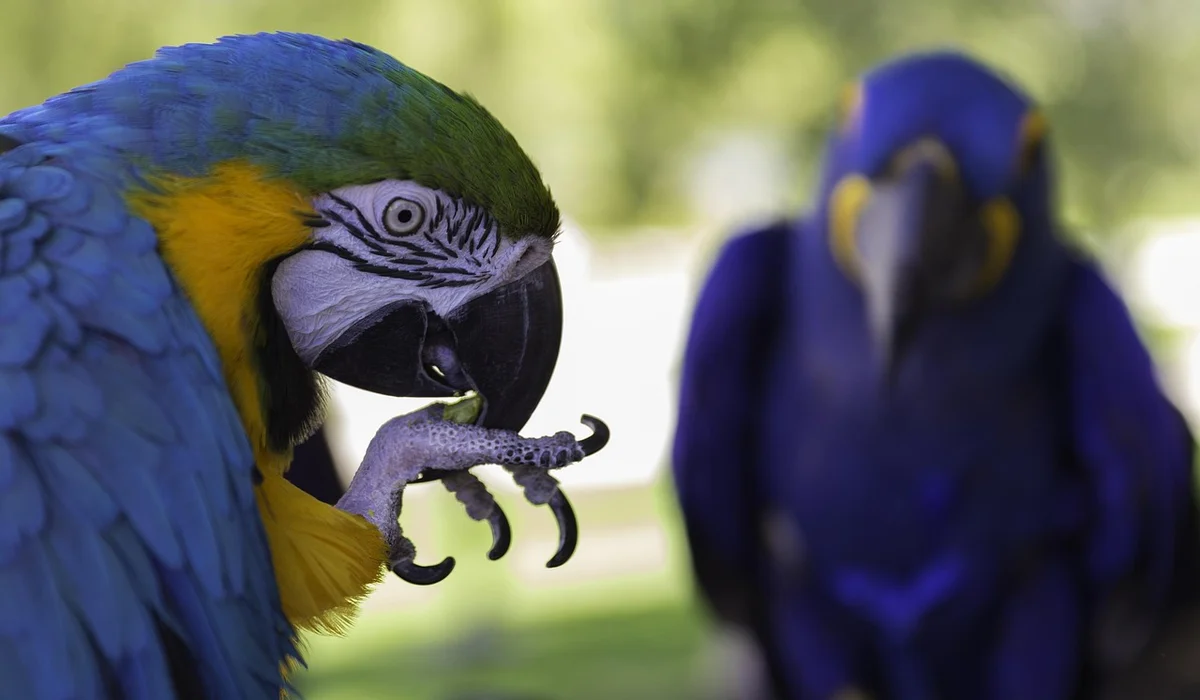
Finding the right vet for your parrot feels like a huge task, but breaking it down into simple steps makes it manageable. This approach also dovetails with the ultimate parrot problem diagnostic guide—a step-by-step troubleshooting checklist to pinpoint and solve issues.
- Start your search using online directories like the Association of Avian Veterinarians (AAV) to find certified specialists near you.
- Ask for referrals from local bird clubs or other parrot owners you trust; I found my vet through a recommendation from a fellow conure owner.
- Check if the clinic has in-house diagnostics like blood work and X-rays, which are vital for quick diagnoses.
- Confirm their emergency care availability; a clinic with after-hours service saved my Kiwi during a late-night scare.
- Prioritize location and accessibility-a nearby vet makes regular check-ups and urgent visits less stressful for you and your bird.
Using Online Tools and Word-of-Mouth Referrals
Combining digital searches with personal connections gives you the best shot at finding a reliable expert.
- Use websites like VetRatingz.com or social media groups dedicated to parrot care to read reviews and see ratings from other bird owners.
- Join online forums or Facebook groups for parrot enthusiasts and ask for specific recommendations; people love sharing their positive experiences.
- When seeking referrals, ask detailed questions about wait times, staff kindness, and how the vet handles nervous birds.
- Look for vets who actively engage with the community through educational posts or Q&A sessions-it shows they care beyond the clinic walls.
Evaluating Potential Veterinary Hospitals
Once you have a shortlist, visiting the clinics in person helps you gauge if they’re the right fit.
- Schedule a facility tour to check for cleanliness, organized spaces, and separate waiting areas to reduce stress from other pets.
- Look for bird-friendly environments, such as quiet exam rooms or perches instead of metal tables, which make visits more comfortable.
- Inquire about diagnostic testing capabilities, like digital radiography or in-house labs, to ensure comprehensive care without delays.
- Ask about preventive care programs, including wellness exams and diet counseling, which are key to long-term health for parrots like my African Grey, Sage.
- A good avian hospital will welcome your questions and show transparency about their services and fees upfront.
Key Factors to Assess When Vetting an Avian Specialist
Credentials That Actually Matter for Your Parrot
You need a vet who speaks fluent parrot, not just general pet care. Look for a practitioner who is either board-certified by the American Board of Veterinary Practitioners (ABVP) in Avian Practice or has extensive, documented experience with parrots. It’s especially important when it comes to senior parrot health and special care for aging birds. My Green-cheeked Conure, Kiwi, once needed a delicate procedure, and I was instantly reassured by the vet’s wall of certifications and her 15-year focus on psittacine birds. This specialization is non-negotiable.
- ABVP Avian Specialty Certification: The gold standard for advanced knowledge.
- Membership in the Association of Avian Veterinarians (AAV): Shows a commitment to staying current.
- Years of hands-on experience with parrots specifically, not just “birds.”
- Continuing education credits in avian medicine from the past year.
The Power of Public Opinion and Professional Networks
What other parrot owners say is pure gold. A stellar avian vet will have a chorus of happy clients singing their praises online and a robust network of fellow specialists they can call upon. When my Sun Conure, Sunny, had a mysterious feather issue, our vet immediately consulted with a colleague who specialized in dermatology. That collaborative spirit is everything.
- Scour reviews for specific mentions of parrot care, complex surgeries, and compassionate handling.
- Ask local parrot rescues or reputable breeders for their top recommendations; they see it all.
- A vet who hesitates to provide a second opinion or refer you to a specialist is a major red flag.
Your In-Person Meet-and-Greet: Reading the Room
Schedule a simple wellness check as a “test drive” to observe the vet in action. Watch how they approach your bird-are they calm, patient, and using gentle restraint techniques, or are they rushed and forceful? I knew I’d found the right place for my African Grey, Sage, when the vet spent ten minutes just talking softly to him before even attempting an examination. The vibe tells you everything.
- Observe the initial approach: Do they let your bird get comfortable first?
- Listen to their communication: Are they explaining each step to you and using a soothing tone with your pet?
- Note the handling: Is your bird being held securely but with care, respecting its small size and fragility?
- Assess the clinic environment: Is it quiet, clean, and free from the visible stress of other animals?
Essential Questions to Ask Your Potential Avian Vet
Walking into a new vet’s office can feel overwhelming, but coming prepared with the right questions turns you from a nervous pet parent into an empowered advocate. Your bird’s health depends on this partnership, so don’t be shy about getting the details you need.
Experience and Emergency Care
You want a vet who truly knows parrots, not just a generalist who sees them occasionally. My own Green-cheeked Conure, Kiwi, has specific needs that are very different from a canary or a cockatiel.
- What percentage of your patient load is made up of parrot species?
- Do you have experience with my specific type of parrot (e.g., African Greys, Conures, Macaws)?
- What is your after-hours emergency protocol? Is there an on-call service or a partnered emergency clinic you recommend?
- Can you walk me through a typical wellness exam for my bird?
A vet’s confidence and clarity in answering these questions will tell you volumes about their hands-on experience.
Modern Care and Preventative Health
Veterinary medicine is always advancing, and your vet should be, too. I always appreciate when a clinic offers flexible ways to connect.
- Do you offer telemedicine or virtual consultations for minor concerns or follow-up questions?
- What is your recommended vaccination schedule for my parrot, and which diseases do they protect against?
- What diagnostic tools do you have in-house, like digital radiography (X-rays) or blood analyzers?
Telemedicine has been a game-changer for getting quick, professional advice without the stress of a car ride for my birds.
Nutrition and Lifelong Support
A great avian vet looks beyond the exam table and cares about your bird’s entire lifestyle, especially diet. I’ve spent years fine-tuning diets for my flock based on expert advice.
- What is your philosophy on parrot nutrition, and what specific diet do you recommend for my bird’s species and age?
- Do you provide handouts, recommended reading, or online resources for owner education?
- Is your staff available for follow-up questions about medication, behavior, or diet changes?
- Do you offer guidance on behavioral issues, like feather plucking or excessive screaming?
The best veterinary relationships are built on ongoing communication and support, not just once-a-year visits.
Making the Most of Your First Avian Vet Visit

Walking into an avian vet’s office for the first time can feel overwhelming. Being prepared turns a potentially scary experience into a productive partnership for your parrot’s health. I learned this the hard way with my Green-cheeked Conure, Kiwi, whose first checkup was a flurry of forgotten details. This is part of Parrot Health Concerns: A Complete Guide, a resource to help you anticipate and address common issues. It offers practical tips for navigating visits with confidence.
Your Pre-Visit Preparation Checklist
A little homework before your appointment makes everything smoother. Gathering your parrot’s history is the single most helpful thing you can do for your vet. Here’s what to bring: If your parrot is sick or an emergency seems possible, having a simple home-first-aid plan can help you act quickly. Also, have a quick way to contact your vet ready so you can get professional care promptly.
- A detailed diet log listing all foods, treats, and supplements
- Photos or videos of your bird’s cage setup and normal behavior
- Any previous medical records, even from a different vet
- A fresh droppings sample, collected that morning
- A list of all your questions and concerns
The Bird Exam: A Step-by-Step Look
Knowing what’s coming helps you stay calm, which keeps your parrot calm. A thorough avian exam is a gentle, systematic process designed to assess health from beak to tail. The vet will typically: With calm, positive reinforcement you can teach your parrot to accept towel-safe, stress-free handling for safety during exams. This prep can make visits smoother for both of you.
- Observe your bird in its carrier before handling
- Weigh your parrot on a precise gram scale
- Perform a hands-on physical, checking eyes, nares, beak, and feathers
- Listen to the heart and lungs with a stethoscope
- Palpate the abdomen and check muscle condition
Understanding Common Diagnostic Tests
Vets often recommend tests to see the full health picture. Diagnostics like blood work and cultures give an internal snapshot that a physical exam alone cannot provide. My African Grey, Sage, once needed a blood panel that revealed a minor vitamin deficiency we easily corrected.
- Fecal exams check for parasites and abnormal bacteria
- Blood tests assess organ function and nutrient levels
- Cultures identify specific bacterial or fungal infections
- Radiographs (X-rays) examine bone density and organ size
Personal Tips for a Calmer Vet Trip
A stressed parrot is harder to examine, and a stressed owner can’t advocate effectively. Your calm energy is contagious and directly influences how your bird handles the visit. These tricks work wonders for my flock: Quiet, steady sounds around the home help my parrot manage noise and reduce stress. When noise stays predictable, visits go more smoothly.
- Cover the carrier with a light cloth to create a safe, dim space
- Speak in a soft, reassuring voice throughout the appointment
- Bring a familiar perch or a favorite small toy from home
- Let the vet and technician lead the handling-they are the experts
- Plan a quiet, recovery day for your parrot after the visit
Understanding the Costs and Value of Avian Vet Care
Knowing what to expect financially helps you plan for your parrot’s lifelong health. A little financial planning now prevents massive stress later when your feathered friend needs help.
Typical Costs for Visits and Common Procedures
Prices vary by location and clinic, but here’s a realistic snapshot from my own experience. A standard well-bird exam often runs between $75 and $150. This is your baseline for annual check-ups.
- Consultation/Exam Fee: $75 – $150
- Basic Diagnostic Tests: Fecal exam ($25-$50), Blood panel ($150-$300)
- Common Procedures: Beak Trim ($20-$50), Nail Trim ($15-$30), Wing Clip ($20-$40)
- Emergency Visit: Expect costs to start at $200 just for the after-hours exam, with treatment extra.
My conure, Kiwi, once needed an X-ray, which added another $150 to the bill. Diagnostics are often the key to solving mysterious illnesses, so I always budget for them.
Budgeting for Preventive and Emergency Care
Think of your vet budget in two parts: the predictable and the unexpected.
- Preventive Care Fund: I set aside $50 a month. This covers yearly exams, routine tests, and grooming for my birds. It builds a safety net.
- Emergency Fund: Aim for $1,000-$2,000 specifically for your bird. A sudden illness or injury can easily cost this much.
Surgery for an egg-bound hen or treating a severe infection can run into the thousands. Starting a small, separate savings account dedicated to your parrot is a game-changer for peace of mind.
Managing Costs with Insurance and Payment Plans
Don’t let the numbers scare you; you have options to make quality care affordable.
- Pet Insurance: I have policies for my birds. For around $15-$30 per month per bird, it covers a significant portion of emergency and illness costs. Just read the fine print on waiting periods and exclusions.
- Veterinary Payment Plans: Many clinics offer plans through services like CareCredit. This lets you pay off a large bill over several months, often interest-free.
- Avian Vet Savings Plans: Some clinics have in-house wellness plans that bundle annual services for a flat monthly fee, spreading out the cost of preventive care.
I learned the hard way with my first bird that an emergency fund isn’t a luxury. Exploring pet insurance was one of the best decisions I made for my flock’s future.
Common Questions
How can I tell if an avian vet is truly gentle and skilled with handling parrots?
Observe if the vet speaks softly to your bird and allows it to acclimate before an exam. Look for the use of secure but gentle restraint techniques that minimize stress for your parrot. You can practice calm, gentle handling at home to help during the visit. Ask the vet how you can participate safely to further reduce stress for your bird.
What specific features should I look for in a bird-friendly veterinary clinic?
A top clinic will have a quiet, separate waiting area to avoid stress from other animals. You should also see bird-specific amenities like perches in exam rooms and in-house diagnostic tools for immediate results.
What should I expect from a long-term relationship with my avian vet?
Your vet should provide ongoing support for diet and behavior, not just annual check-ups. A great avian specialist will be available for follow-up questions and help you create a comprehensive, lifelong wellness plan.
Final Feathers of Wisdom
Finding the right bird specialist boils down to choosing a certified avian vet who makes you and your parrot feel comfortable. Always prioritize a professional with specific bird expertise, a clean and calm clinic environment, and a communication style that puts your mind at ease. After all, getting the right care is just as important as choosing the right pet parrot for your home and lifestyle.
Your commitment to finding excellent veterinary care is a beautiful part of being a parrot guardian. Keep learning about your feathered friend’s needs, and you’ll build a long, happy, and healthy life together. You’ll also learn when and how to groom your parrot’s nails, beak, and feathers as part of routine care.
Further Reading & Sources
- Finding a Veterinarian for Your Feathered Friend
- Finding an Avian Vet
- How Do I Find a Good Avian Vet?
Suzanne Levine is a dedicated parrot enthusiast and experienced avian caregiver with over 15 years of hands-on experience in parrot care. As the founder of Parrot Care Central, Suzanne is passionate about sharing her knowledge and insights to help fellow parrot owners provide the best possible care for their feathered friends. Her expertise spans nutrition, behavior, health, and enrichment, making her a trusted resource in the parrot care community.
Health & Wellness