
Your New Parrot’s First Day Home: A Step-by-Step Survival Guide
Published on: January 11, 2026 | Last Updated: January 11, 2026
Written By: Suzanne Levine
Bringing a new parrot home feels like a mix of pure joy and sheer panic, doesn’t it? You’re probably staring at that beautiful, feathered creature wondering if you’re doing everything right, worried you might accidentally stress them out.
I’ve been there with my own flock, and I can help. We’ll walk through this together, focusing on three key things you must get right from the start:
- Creating a safe and welcoming space before they even arrive.
- Handling those crucial first interactions without causing fear.
- Understanding their silent language so you know they’re settling in okay.
You’ll get clear, actionable advice that works. This guide covers the essential steps in this exact order: preparing the home, the car journey, initial cage introduction, offering food and water, managing noise and interaction, and reading their first signs of comfort.
Before Your Parrot Arrives: Prepping Your Home
Getting your home ready before your parrot’s arrival makes a world of difference. Having everything set up in advance prevents last-minute scrambling and helps your new friend feel secure from the moment they step inside.
Essential Supplies Checklist
You’ll want to have these items purchased and ready to go:
- A spacious cage, wider than it is tall, to allow for flight-like movement.
- Multiple perch types of varying diameters and textures to keep feet healthy.
- Stainless steel food and water bowls for easy cleaning and durability.
- A variety of safe, destructible toys made from wood, leather, and paper.
- A high-quality pellet diet and a stock of fresh, bird-safe veggies.
Creating a Quiet Safe Room
Dedicate a single, quiet room for your parrot’s initial adjustment period. This space should be free from the main hustle and bustle of your home. Setting up a temporary quarantine zone helps monitor your bird’s health and prevents them from feeling overwhelmed. To protect both the new arrival and any other birds, follow a 30-day quarantine protocol for every new bird. This dedicated period lets you observe health, appetite, and behavior before full integration. Follow these steps:
- Choose a low-traffic room with a door you can close.
- Place the cage against a wall, not in the middle of the room, to provide a sense of security.
- Ensure the room temperature is stable, away from direct drafts or heating vents.
- Keep other pets out of this room entirely during the adjustment phase.
I learned the importance of this prep work the hard way with my Green-cheeked Conure, Kiwi. I thought he’d be fine in the living room, but the constant activity made him so nervous he wouldn’t eat for a day. When I brought my Sun Conure, Sunny, home, I had a quiet bedroom all set up. She settled in so much faster, calmly exploring her new cage within hours. That preparation directly impacted her well-being.
Bringing Your New Bird Home: The Journey and Arrival
The car ride home is often the most stressful part of the entire process for a parrot. Your calm, confident energy is the best tool you have to ensure a smooth transition. These are essential steps for traveling with your parrot. Prepare a secure carrier and keep the ride calm to help your bird stay relaxed.
Steps for a Calm Car Ride
A secure, comfortable journey sets a positive tone. Here’s how to make it happen:
- Use a small, secure carrier designed for travel, not the large main cage.
- Place a soft towel or paper on the carrier floor for stability and comfort.
- Buckle the carrier into a seat with a seatbelt to keep it from sliding.
- Speak in a soft, soothing voice during the ride if your parrot seems alert.
- Keep car music off or at a very low volume and avoid sudden braking.
Immediate Actions Upon Arrival
Once you walk through your door, your focus should be on creating instant calm.
- Take the carrier directly to the prepared, quiet room.
- Open the carrier door and allow the parrot to step out into its cage on its own.
- Do not attempt to handle or pet the bird. Let them be.
- Ensure fresh food and water are in the cage, then quietly leave the room.
Resisting the urge to interact is one of the hardest but most crucial parts of parrot welfare on day one. I made the mistake years ago with a different bird of trying to offer a comforting finger during a noisy car ride. The honk of a horn startled us both, and the bird bit me out of pure fear. That experience taught me that minimizing all stimulation-loud noises, sudden movements, and even eager hands-is an act of profound kindness. Your patience here builds a foundation of trust that can last a lifetime.
Setting Up the Perfect Cage: Safety and Enrichment
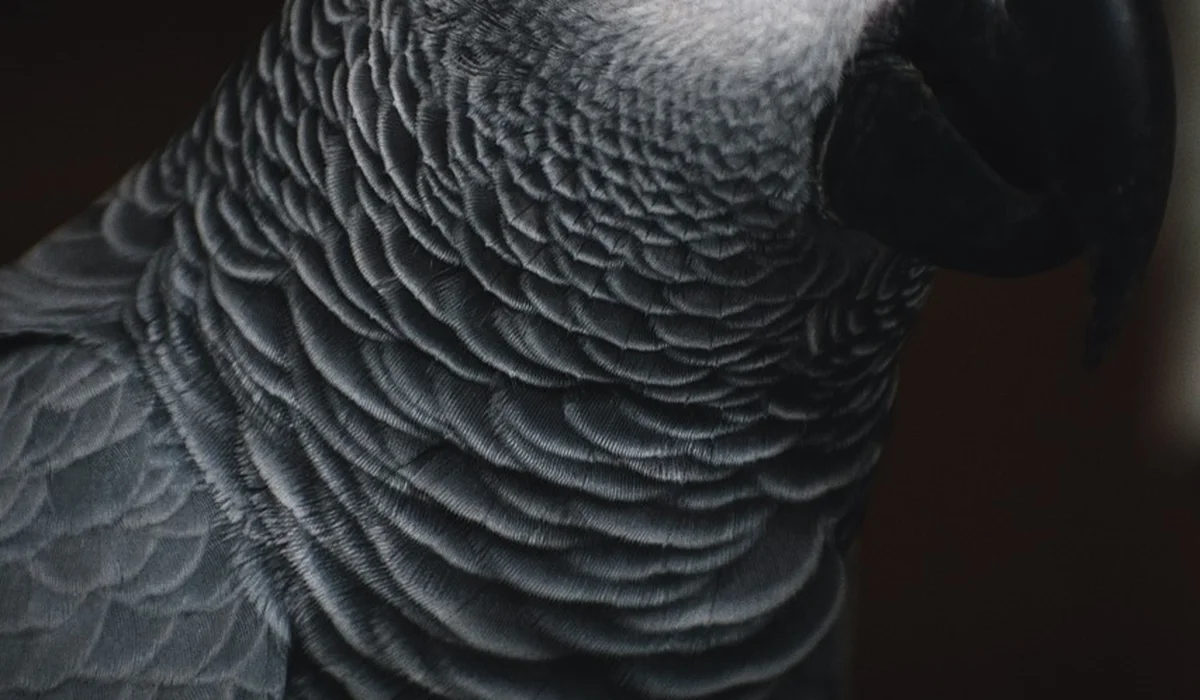
Getting the cage right makes your parrot feel secure from day one. Think of it as designing a tiny, safe apartment where every detail matters for their happiness and health. With maximum enrichment in mind, set up the cage to invite exploration: rotate toys, vary perches, and add foraging options. That way, daily housing becomes a truly stimulating habitat.
Your Essential Cage Setup Checklist
- Perch Variety: Offer different diameters and textures. I use a flat platform perch for resting feet, a natural wood branch for chewing, and a rope perch for comfort.
- Food & Water Bowls: Place them on opposite sides of the cage to encourage movement. Stainless steel is my go-to for easy cleaning and durability.
- Toy Selection: Include a mix of shredding toys, foraging puzzles, and a simple bell. Rotate them weekly to prevent boredom.
- Cage Location: Set the cage against a wall in a family room, away from direct sunlight and drafts. Parrots are flock animals and want to be near the action.
Non-Negotiable Safety Tips
Safety is the one area where you can’t cut corners. Always double-check bar spacing; if it’s too wide, a curious head can get stuck, leading to tragedy.
- Avoid cages with toxic galvanized or lead-based paints.
- Ensure all doors have secure locks-parrots are clever escape artists.
- Remove any toys with small, easily swallowed parts or long strings.
Customizing for Your Parrot’s Personality
My African Grey, Sage, taught me the value of personalization. He ignored colorful toys but adored wooden puzzle toys that challenged his intelligent mind. For my playful Green-cheek, Kiwi, we loaded his cage with things to shred and destroy. Watch your new friend closely; their preferences will guide you to the perfect setup.
Initial Health and Nutrition Checks
The first 24 hours are critical for spotting potential health issues. A quick visual check gives you a baseline of your parrot’s well-being and peace of mind.
Signs of a Healthy Parrot
- Bright, Clear Eyes: They should be alert and free of discharge.
- Clean Nostrils and Beak: No crusting or deformities.
- Smooth, Well-Groomed Feathers: Feathers should lie flat without bald patches.
- Active Demeanor: While they may be quiet initially, they should be observant and responsive.
- Clean Vent Area: Feathers around the bottom should be free of mess.
First-Day Feeding and Hydration
Stress can affect their appetite, so keep things simple and familiar. Offer the same food they were eating at the breeder or rescue, even if it’s not the ultimate diet you have planned. This provides comfort and prevents digestive upset.
- Provide fresh water in a clean bowl immediately. You might even show it to them by dipping your finger in.
- Place a small, familiar seed/pellet mix in their food dish.
- Add a single, simple treat like a small piece of apple or millet spray to encourage eating.
The Critical Vet Visit
Don’t wait for a problem to arise. Schedule a wellness exam with an avian vet within the first week of bringing your parrot home. To make the visit low-stress for both of you, ask your vet to show you safe handling techniques and practice calmly holding your parrot before the appointment. I learned this the hard way with Kiwi, who seemed fine but had a minor respiratory infection only a vet could detect. This visit establishes a health record and can catch hidden issues early, saving you heartache and vet bills later.
Bonding and Socialization: Building Trust from Day One
Your first goal is to show your new parrot they are safe with you. Move slowly and speak in a soft, gentle voice whenever you’re near their cage. I always sit near Kiwi’s cage and read a book out loud to get her used to my sound without any pressure. Once trust is established, you can start gentle training to tame your Quaker parrot. Keep sessions brief and positive, using rewards to reinforce calm, confident behavior.
Step-by-Step Calm Interaction
- Start by just sitting quietly near the cage for 15-minute sessions.
- Offer a high-value treat, like a small piece of walnut, through the cage bars without forcing contact.
- If they take it, praise them softly. If not, just place the treat in their food dish and try again later.
Reading Your Parrot’s Body Language
Watch their eyes and feathers closely. A relaxed parrot might have smooth feathers and may softly grind their beak, while pinned eyes and fluffed feathers can mean fear or irritation. With Kiwi, I learned her playful head bobbing meant she was ready to interact, but if she leaned away, I’d give her space immediately.
Adjusting Your Bonding Pace
- If your parrot seems calm, you can try offering a treat from your open hand inside the cage door.
- If they show any signs of stress, take a step back and return to just talking softly.
- Consistency is everything. Short, positive sessions every day build trust much faster than long, forced ones.
Kiwi took three days just to take a treat from my hand without flinching. That patience created a bond that’s now unbreakable.
Establishing Routines and Training Foundations
Parrots find great comfort in predictability. A simple, repeating schedule helps them understand their new world is safe and reliable. This was the single biggest factor in helping my conure, Sunny, settle in without the stress many birds experience. That same predictability matters when hurricane season arrives. For hurricane preparedness, keep a consistent feeding routine and a familiar crate so your parrot stays calm if you need to shelter or evacuate.
Your Parrot’s First-Day Routine
- Morning: Quietly uncover the cage, offer fresh food and water with minimal talking.
- Mid-day: A calm bonding session near the cage, perhaps with soft music playing.
- Evening: A consistent “bedtime” by covering the cage to ensure 10-12 hours of dark, quiet sleep.
Basic Training: Start with One Simple Step
Training builds communication, but keep it incredibly simple at first. I introduce target training by holding a chopstick and rewarding any look or movement toward it with a tiny treat. Sessions last only 2-3 minutes to prevent overwhelm.
- Hold the target stick a few inches from your parrot without moving it.
- The moment they show curiosity, say “good!” and immediately offer a reward.
- End the session on a positive note, even if they only interacted once.
Let Routines Build Confidence Gradually
Sunny was nervous about new toys and perches. I placed new items near her cage for a day before introducing them, letting her observe them from a safe distance first. This gradual approach helped her adapt faster because she never felt bombarded. Keep the first week focused on security, not achievement.
Troubleshooting Common First-Day Challenges
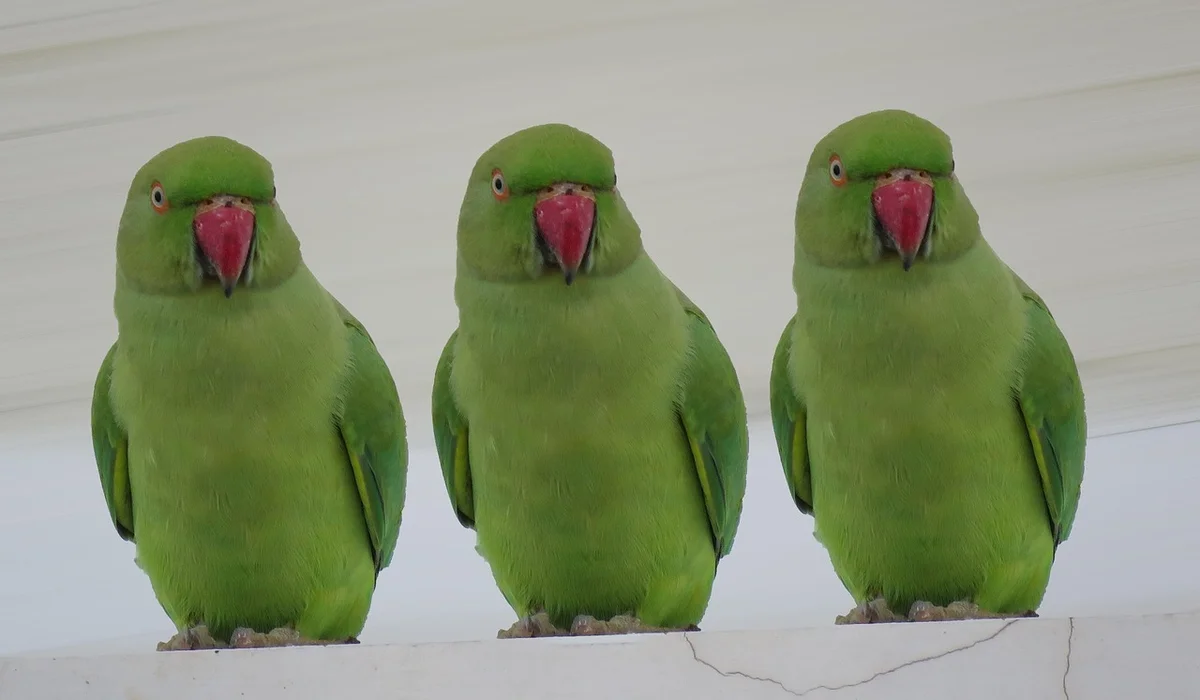
Your new parrot’s first day can feel like a puzzle, but every piece has a solution. I’ve learned that patience and a calm approach turn most initial hurdles into bonding moments.
How Do I Calm a Scared Parrot?
Seeing your bird fluffed up or pressed into a cage corner is heart-tugging. Move slowly and speak in a soft, low voice near their space. Resist the urge to reach in immediately; let your presence become a neutral, non-threatening constant. With Sage, my African Grey, I spent the first afternoon just reading aloud near her cage, which slowly eased her tense posture.
What If My Bird Won’t Eat or Drink?
This is incredibly common. Offer familiar foods from their previous home alongside some fresh, wet favorites like a small piece of apple or cucumber.
- Place multiple water dishes in different cage locations.
- Tap your finger gently in the water to show them its purpose.
- Try offering water from a shallow spoon if they remain suspicious.
A bird can go several hours without eating on a stressful day, but consistent refusal for over 24 hours needs a vet call.
Dealing with Excessive Chewing or Screaming
Chewing is natural exploration, not destruction. Provide safe, destructible toys like soft wood blocks or cardboard.
- Redirect chewing from cage bars to approved items.
- For loud vocalizations, ensure their basic needs are met, then respond with quiet calm, not yelling.
- Sometimes a brief, quiet cover over part of the cage can lower stimulation.
Remember, this noise is their way of expressing big feelings in a brand new world.
Wrapping Up the First Day: Nighttime and Beyond
The first evening sets the tone for trust. Your goal is to create a predictable, safe wind-down.
Setting Up for a Peaceful First Night
Parrots need about 10-12 hours of solid darkness for proper rest.
- Use a breathable cage cover or a dark sheet that blocks major light sources.
- Reduce household noise – turn down the TV and avoid sudden loud sounds.
- Ensure the room temperature is comfortable, with no drafts directly on the cage.
Sound management helps your parrot cope with household noise and reduces stress. A calmer, more consistent sound environment supports better rest.
A covered cage makes them feel secure, like a cozy nest hidden from predators. My conure, Kiwi, always lets out a soft, content chatter once his cover goes on.
What to Expect in the Coming Days
The next few days are about observation. Your bird will slowly become more curious.
- Day 2-3: They may start playing with a single toy or trying new foods.
- Day 4-7: You might see more preening and relaxed body language.
- Wait at least a week before attempting step-up training or handling beyond basic care.
These early milestones are part of the baby parrot care complete guide for the first 90 days. Following the 90-day plan helps ensure healthy attachment and steady development.
Let your parrot set the pace; forced interactions now can damage future trust.
Building a Trust-Building End-of-Day Routine
My nightly ritual involves a quiet “good night” chat with each bird during cover-up. I tell them about my day in a gentle voice and wish them sweet dreams. This consistent, positive end to the day built a powerful association between my voice and safety for all my parrots. It started on day one with Sage, and now, years later, she still mumbles back when I say goodnight.
FAQs
What if my new parrot is from a rescue and has an unknown history?
Focus on patience and observation to build trust slowly, as rescued birds may need extra time to feel secure. Consult the rescue for background details and any special care recommendations they might have.
How should I introduce my new parrot to other household pets?
Keep them completely separated during the first day to prevent stress or accidents. Use visual barriers like closed doors and plan gradual, supervised introductions only after your parrot has settled in. If you’re adding a new dog or cat to the household, use the same safe, gradual approach with your resident parrot. This helps both animals acclimate without stress.
What are the signs that my parrot is too stressed and needs immediate vet attention?
Watch for prolonged refusal to eat or drink, labored breathing, or continuous hiding without improvement. Contact an avian vet promptly if these symptoms persist beyond the initial adjustment period.
In Closing
Your parrot’s first day is about building a foundation of trust, not forcing a friendship. Start with a quiet room, offer food and water without pressure, and let your bird set the pace for interaction. Patience and observation are your most valuable tools for making this transition smooth and stress-free for your new feathered family member. These bonding techniques that work are designed to build trust through consistent, positive interactions. Stay patient, observe cues, and celebrate small steps along the way.
Parrot guardianship is a lifelong journey of learning and adaptation. Commit to continuously expanding your knowledge about parrot behavior, nutrition, and enrichment to ensure you provide a truly fulfilling life. Your dedication to their complex needs is what transforms a pet into a cherished, lifelong companion.
Further Reading & Sources
- Your FIRST Day With Your New Parrot
- Parrot’s First Day Home – YouTube
- New Bird? 5 Ways To Get Off To A Great Start – Pet Birds by Lafeber Co.
Suzanne Levine is a dedicated parrot enthusiast and experienced avian caregiver with over 15 years of hands-on experience in parrot care. As the founder of Parrot Care Central, Suzanne is passionate about sharing her knowledge and insights to help fellow parrot owners provide the best possible care for their feathered friends. Her expertise spans nutrition, behavior, health, and enrichment, making her a trusted resource in the parrot care community.
Bird-proofing Your Home