
How to Ethically Adopt a Parrot: A Complete Rescue Guide
Adopting a parrot feels exciting, but you might worry about their complex needs and whether you’re making the right choice for their well-being.
I’ve shared my home with parrots like Kiwi, Sunny, and Sage, and I’ll help you navigate this journey with confidence.
Here are three key takeaways to guide you:


- Learn how to match a parrot’s personality and needs with your lifestyle for a happy fit.
- Find and vet rescue organizations that prioritize animal welfare and transparency.
- Prepare your home and routine to support a parrot’s health and happiness from day one.
You’ll get straightforward, actionable advice every step of the way. This guide covers: Finding ethical rescues, Assessing parrot compatibility, Setting up a safe habitat, Understanding long-term care, Navigating the adoption process, Building trust with your new bird. This is a species-specific guide highlighting parrots commonly available for adoption, from budgerigars and cockatiels to popular conures. It helps you choose a species that fits your home and experience level.
What Ethical Parrot Adoption Really Means
Ethical adoption means you’re giving a home to a bird who needs one, not creating demand for more birds to be bred. You’re choosing to help an existing life rather than funding an industry that often prioritizes profit over welfare.
Unethical sourcing often involves large-scale breeding mills where birds are treated like products. These places focus on quantity, leading to overcrowded cages, poor nutrition, and little human interaction.
In stark contrast, ethical adoption centers on the bird’s well-being. It recognizes that a parrot isn’t a temporary accessory but a decades-long commitment that demands your time, patience, and resources. These considerations also raise ethical questions about parrot breeding vs adoption. They highlight welfare impacts on individual birds and on rescue systems.
I chose to adopt my green-cheeked conure, Kiwi, from a rescue after seeing too many rehomed birds in pet stores. The difference in his cautious but trusting nature showed me he had a past he needed patience to overcome.
Impulse decisions are the enemy of ethical adoption. Parrots are complex, emotional creatures. Bringing one home because it’s pretty or talks can lead to a heartbreaking surrender later. Every parrot in a rescue is there because someone didn’t think it through the first time. So, adoption vs buying parrot—what’s the right option? Start with adoption, and if buying, choose a reputable, welfare-first source.
Finding the Perfect Parrot Rescue Near You
Your search should cast a wide net across different types of organizations. Local animal shelters sometimes have parrots, but avian-specific rescues possess the specialized knowledge these birds require.
Sanctuaries often care for birds with severe behavioral or medical issues, offering adoption for those ready to provide a special needs home.
Start your search with a simple online query for “parrot rescue near me” or “avian rescue [your state].” Visit their facility in person-this non-negotiable step lets you see the cleanliness, cage sizes, and overall bird morale.
A credible rescue will be transparent. They’ll ask you many questions, welcome your visit, and provide full medical and behavioral histories. They want to ensure you’re the right fit.
Strong post-adoption support is a hallmark of a great rescue. They should offer guidance as you and your new parrot adjust. My conure’s rescue provided a 24-hour helpline, which was a lifesaver during those first tricky weeks.
Local and National Rescue Options
Use online directories like Petfinder or the Avian Welfare Coalition’s resource list. Don’t underestimate word-of-mouth; local avian veterinarians and bird clubs often know the most reputable rescues.
National organizations sometimes have foster networks, allowing you to adopt from a wider area.
Visiting in person is the single most important step. You can assess if the birds look healthy and alert. You can see if the staff is knowledgeable and caring. A rescue that refuses an in-person visit is a major red flag.
Trust your gut. A good rescue feels calm and organized. The birds should have clean water, fresh food, and toys for mental stimulation.
The Adoption Process: Your Step-by-Step Guide
-
Start by researching parrot species and honestly evaluating your lifestyle. I spent months comparing birds like Kiwi’s playful energy to Sage’s calm intelligence before choosing a match. Ask yourself about daily time, noise tolerance, and long-term commitment to avoid mismatches.
-
Complete applications with rescue groups and prepare for interviews. Rescues want to see your genuine interest and ability to provide a stable home. Share your research and be open about your experience level-they are there to help, not judge.
-
Expect home checks to ensure safety and readiness. This step protects the bird by confirming your space is hazard-free and suited for their needs. Paperwork follows, outlining adoption terms and care responsibilities.
-
Bring your parrot home gently, allowing a quiet adjustment period. Give them days to explore their cage and surroundings without pressure. Speak softly and offer treats to build trust slowly, as I did when Sunny first joined our family. This is part of your new parrot’s first day home step-by-step survival guide. Follow these steps to ease the transition.
Pre-Adoption Checklist
-
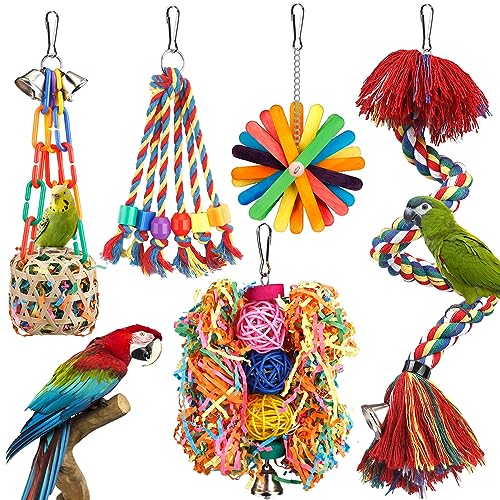
Gather essential items like a spacious cage, vet contacts, and enrichment tools. A well-stocked setup reduces stress and supports health from day one. Include perches of varying textures and puzzle toys to stimulate their minds.
-
Consider behavioral and health traits by species. Sun Conures crave social interaction, while African Greys need mental challenges to thrive. Research common issues like feather plucking or dietary needs to prepare for potential challenges.
Preparing Your Home for a Rescue Parrot
-
Place the cage in a safe, low-traffic area away from drafts and toxins. Choose a spot where your parrot can observe family life without constant disturbance. For maximum enrichment, add varied perches and a range of toys and foraging activities. Rotate them regularly to keep your parrot engaged. Opt for cages at least twice the wingspan wide to allow natural movement.
-
Isolate new birds in a separate room for at least 30 days. Quarantine prevents spreading illnesses to other pets and lets you monitor health closely. Use separate feeding and cleaning tools during this time. This 30-day quarantine protocol should be followed for every new bird to prevent outbreaks. Keep a daily log of observations and contact a vet if any signs of illness appear.
-
Provide enrichment with diverse toys, perches, and interaction plans. Rotate toys weekly to keep things fresh and prevent boredom. Schedule daily out-of-cage time for bonding and exercise, tailored to their personality.
Setting Up the Perfect Parrot Space
-
Design the cage with multiple perches, food stations, and hiding spots. I use natural wood perches for Kiwi’s feet and hang shreddable toys to satisfy her curiosity. Avoid overcrowding-leave open space for flapping and playing.
-
Transition to a balanced diet of pellets, fresh veggies, and occasional fruits. Mix new foods gradually with familiar ones to ease dietary changes. Always have fresh water available and avoid toxic items like avocado or chocolate.
Post-Adoption Care: Ensuring a Happy, Healthy Parrot
-
Routine veterinary care keeps your parrot thriving with specialized attention. I schedule annual check-ups for Kiwi with an avian vet to catch health issues early, like feather plucking or respiratory problems. Avian vets understand parrot anatomy better than general practitioners, ensuring your bird gets the right care from the start.
-
Behavioral training builds a strong bond and tackles challenges like biting or excessive noise. When Sunny gets overly vocal, I use positive reinforcement with her favorite treats to encourage quiet behavior instead of scolding. Positive reinforcement training for parrots centers on rewarding desired behaviors to encourage learning. With time and consistency, it helps build trust and keeps training engaging. Start with simple commands like “step up” and be consistent—parrots respond well to routines and gentle guidance.
-
Social needs are vital to prevent loneliness, as parrots are naturally flock-oriented creatures. I make sure Sage has daily interaction, whether it’s talking to him or letting him join family activities, to keep his mind engaged and spirits high. Rotate toys and provide foraging opportunities to mimic natural behaviors and reduce stress.
Long-Term Commitment and Costs
-
Ongoing expenses include food, vet bills, and supplies that add up over time. For my three parrots, I budget around $100 monthly for high-quality pellets, fresh veggies, and occasional vet visits, with emergencies costing $200 or more. Supplies like perches, toys, and cage liners need regular replacement to maintain a safe environment. These are just some of the hidden costs of parrot ownership.
-
Life expectancy means planning for decades of care, as parrots like African Greys can live 50+ years. As Sage ages, I adjust his diet and exercise to support joint health and mental stimulation, ensuring he stays active and happy. Diet quality and variety directly influence a parrot’s lifespan and health, so careful nutrition matters for longevity. This connection helps explain why I tailor Sage’s meals as he ages. Your commitment evolves with your parrot’s needs, from playful youth to calmer senior years.
Avoiding Common Mistakes in Parrot Adoption
-
Pitfalls often involve underestimating time, noise levels, or specialized care requirements. Many new owners are surprised by how much attention parrots need-my Sun Conure, Sunny, demands several hours of interaction daily to avoid boredom. Noise can be intense during morning and evening hours, so prepare with sound management strategies.
-
Stories from rescues highlight why parrots are surrendered, often due to behavior issues or owner unpreparedness. I’ve seen birds like Kiwi come into shelters because previous homes didn’t realize the training needed for their playful, curious nature. Common reasons include lack of research on diet, socialization, or the long-term financial commitment.
-
Encourage patience and ongoing education to build a successful relationship with your parrot. It took months for Sage to trust me fully, but with consistent, gentle handling, he’s now a calm and loyal companion. Join parrot care groups or read reputable sources to stay informed and avoid burnout.
FAQs
How long does it usually take for a rescue parrot to settle into a new home?
Adjustment times vary widely, from a few weeks to several months, depending on the bird’s history and personality. Be patient and provide a consistent routine to help them feel secure and build trust over time.
What are some red flags to watch out for when visiting a parrot rescue?
Avoid rescues that refuse in-person visits or have unclean cages with stressed or lethargic birds. Lack of transparency about medical histories or pressure to adopt quickly can indicate poor practices.
How can I help a rescue parrot overcome past trauma or neglect?
Start by creating a safe, quiet environment and use positive reinforcement with treats to encourage desired behaviors. Consult an avian behaviorist or your rescue for tailored advice, as each bird’s needs are unique.
Final Thoughts
Ethically adopting a parrot starts with thorough research, choosing a reputable rescue, and committing to their complex needs for decades. From my time with Kiwi, my playful Green-cheeked Conure, I’ve seen how proper preparation prevents stress and builds a joyful bond from day one.
Always prioritize your parrot’s well-being by staying curious and open to learning new care techniques. Responsible ownership means evolving with your bird’s needs, ensuring they thrive in a loving, informed home environment.
Further Reading & Sources
- FeatherNest | Ethical Parrot Adoption & Rescue
- r/Pets on Reddit: is it ethical to own a bird as a pet?
- How do I go about finding an ethical breeder etc? | Parrot Forum 🦜 Parrot Owners Community
Suzanne Levine is a dedicated parrot enthusiast and experienced avian caregiver with over 15 years of hands-on experience in parrot care. As the founder of Parrot Care Central, Suzanne is passionate about sharing her knowledge and insights to help fellow parrot owners provide the best possible care for their feathered friends. Her expertise spans nutrition, behavior, health, and enrichment, making her a trusted resource in the parrot care community.
Finding a Parrot