
The 30-Day Bird Quarantine: Your Step-by-Step Guide to a Healthy Start
Published on: January 10, 2026 | Last Updated: January 10, 2026
Written By: Suzanne Levine
Bringing a new bird home fills your heart with joy, but it also stirs up worries about hidden illnesses or stress that could harm your existing flock or the newcomer.
I’ve navigated this with my own birds, like Kiwi the conure and Sage the African Grey, and I’m here to ease your mind with a clear, effective plan.
You’ll get three key takeaways to build your confidence:
- Why a strict quarantine is vital for preventing disease spread and reducing stress
- How to create a safe, separate space that mimics a natural environment
- Simple daily checks to spot health issues early and ensure your bird thrives
This protocol is based on years of hands-on experience and prioritizes your bird’s welfare above all.
We’ll dive into setup essentials, daily monitoring, health assessments, and smooth integration steps.
Why Quarantine is a Lifesaver for Your Flock
Bringing home a new bird feels like adding a burst of color to your life, but hidden health risks can turn that joy into heartache. Quarantine acts as a protective shield for your entire flock, preventing the spread of silent illnesses before they become disasters. I learned this the hard way when I introduced Kiwi, my playful Green-cheeked Conure, without proper isolation; luckily, no harm came, but it was a wake-up call to always prioritize safety first. That same caution translates into a practical, first-day plan—an step-by-step survival guide for your new parrot’s first day home. Use it to guide quarantine, introductions, and safe settling so the joy can emerge without drama.
Diseases like psittacosis or mites can hitch a ride on a seemingly healthy bird. This 30-day period lets you monitor your new feathered friend for any signs of sickness without putting others at risk. Think of it as a gentle introduction that builds trust while keeping everyone safe.
From my years with Sunny and Sage, I’ve seen how stress from sudden changes can weaken a bird’s immune system. Quarantine gives your new arrival time to adjust in a calm, controlled space, reducing anxiety and promoting better long-term health. It’s not just about isolation-it’s about compassionate care that honors each bird’s well-being.
Setting Up a Safe Isolation Space
Creating a dedicated quarantine area is like setting up a cozy, secure nest where your new bird can thrive without worries. Pick a quiet room away from your other birds to minimize noise and stress, ensuring it’s easy to clean and has good ventilation. I always use a spare bedroom for this, as it keeps Sage and the others from getting too curious too soon. These steps align with our parrot-safe bird room—complete design guide. In that guide, we cover layout, materials, airflow, and safety features to keep your bird secure and happy.
Choosing the Right Quarantine Cage
Selecting the perfect cage is your first step toward a stress-free quarantine. Opt for a cage that’s spacious enough for your bird to stretch its wings but simple in design for easy cleaning and observation. When I brought home Sunny, I used a basic wire cage with a removable tray-it made daily disinfecting a breeze and let me spot any health issues fast.
- Size matters: Choose a cage that fits your bird’s species; for smaller birds like conures, a 24×24 inch base works well.
- Material durability: Stainless steel or powder-coated cages resist rust and are simple to sanitize.
- Bar spacing: Ensure gaps are small enough to prevent escapes or injuries-for Kiwi, I stuck with 1/2 inch spacing.
- Accessibility: Look for large doors and smooth surfaces to handle feedings and check-ups without fuss.
Essential Supplies for Daily Care
Stocking up on the right tools turns quarantine from a chore into a nurturing routine. Gather items that support daily health checks and comfort, so you’re prepared for anything that comes up. I keep a dedicated bin for quarantine supplies, refilled before any new bird arrives, to avoid last-minute scrambles. During hurricane season, I pair quarantine prep with disaster readiness for my parrots. I keep a ready-to-go disaster kit with extra food, water, meds, and a carrier.
- Food and water dishes: Use stainless steel bowls that are easy to scrub and resist bacteria buildup.
- Varied perches: Include natural wood and rope perches to encourage foot health and reduce boredom.
- Toys for enrichment: Simple, chewable toys like untreated wood blocks keep minds active without overstimulating.
- Cleaning kit: Have a spray bottle with bird-safe disinfectant, paper towels, and a dedicated brush for quick clean-ups.
- First-aid basics: Keep a vet-approved kit with items like styptic powder for minor cuts and a digital thermometer.
- Cover for rest: A light cloth or cage cover helps simulate natural sleep cycles and adds a sense of security.
Daily Health Monitoring and Symptom Watch
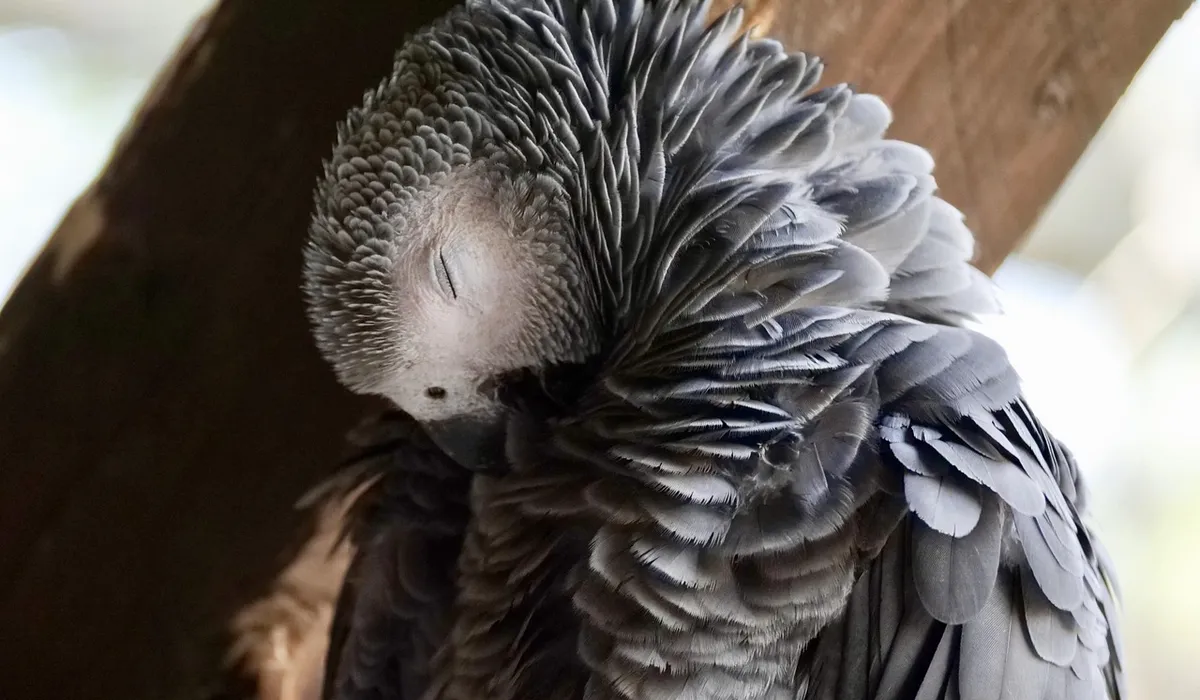
I’ve learned that a new bird’s health can change in a heartbeat. Your daily observations are the first line of defense, catching subtle shifts before they become major problems.
Tracking Appetite and Behavior Changes
Keep a simple notebook or use your phone’s notes app. Every day, jot down what you see. This habit helped me spot a problem with my conure, Kiwi, long before any obvious illness appeared.
- Food and Water: Note how much they eat and drink. A sudden loss of appetite is a giant red flag.
- Energy Levels: Is your bird playful and active like Sunny, my sun conure, or suddenly quiet and puffed up?
- Vocalizations: Listen for changes in their usual chatter or singing. Unusual silence or distressed sounds need attention.
- Interaction: Are they curious and engaged, or are they hiding and avoiding contact?
A consistent routine makes it easier to spot these small but critical deviations from their normal behavior.
Analyzing Droppings and Physical Signs
I know it sounds strange, but you need to become an expert in bird poop. It tells a powerful story about their internal health.
- Color and Consistency: Healthy droppings have a dark solid part, a white urate, and clear liquid. Watch for unusual colors like bright green or yellow, or a watery consistency.
- Frequency: A significant increase or decrease in the number of droppings is a clue something is wrong.
- Feather Condition: Look for fluffed feathers when the room isn’t cold, or any signs of plucking.
- Eyes and Nostrils: Check for any discharge, swelling, or crustiness around these areas daily.
Trust your gut; if something looks “off” with their droppings or appearance, it probably is.
Veterinary Health Screening and Tests
Even with perfect home monitoring, a professional vet check is non-negotiable. This visit gives you a complete health baseline and peace of mind.
Preparing for the Avian Vet Visit
A little preparation makes the visit less stressful for everyone. I always do this for my birds, including my clever African Grey, Sage.
- Find an Avian Specialist: Not all vets are experts in bird medicine. Seek out a certified avian vet.
- Gather Information: Write down the bird’s origin, current diet, and any behaviors you’ve noted.
- Bring Fresh Droppings: Collect a sample from the morning of the appointment in a clean plastic bag.
- Use a Secure Carrier: Place a familiar perch and a favorite treat inside to comfort them during the trip.
A calm, prepared owner helps create a calmer, more cooperative bird for the examination.
Interpreting Test Results and Next Steps
Your vet will likely recommend a standard panel of tests. Understanding what they’re looking for helps you see the big picture.
- Fecal Exam: Checks for internal parasites like worms or giardia.
- Blood Work (CBC/ Chemistry): Assesses organ function and checks for signs of infection or anemia.
- DNA Sexing: Often done with the blood draw, this confirms your bird’s gender.
- Psittacosis Test: Screens for this serious bacterial disease, which is transmissible to humans.
Ask your vet to explain the results in plain English and provide a written copy for your records. If everything comes back clear, you can start planning the slow introduction to your home. If not, you’ll have a clear treatment plan to follow, confident you caught it early.
Behavioral Acclimation and Stress Reduction
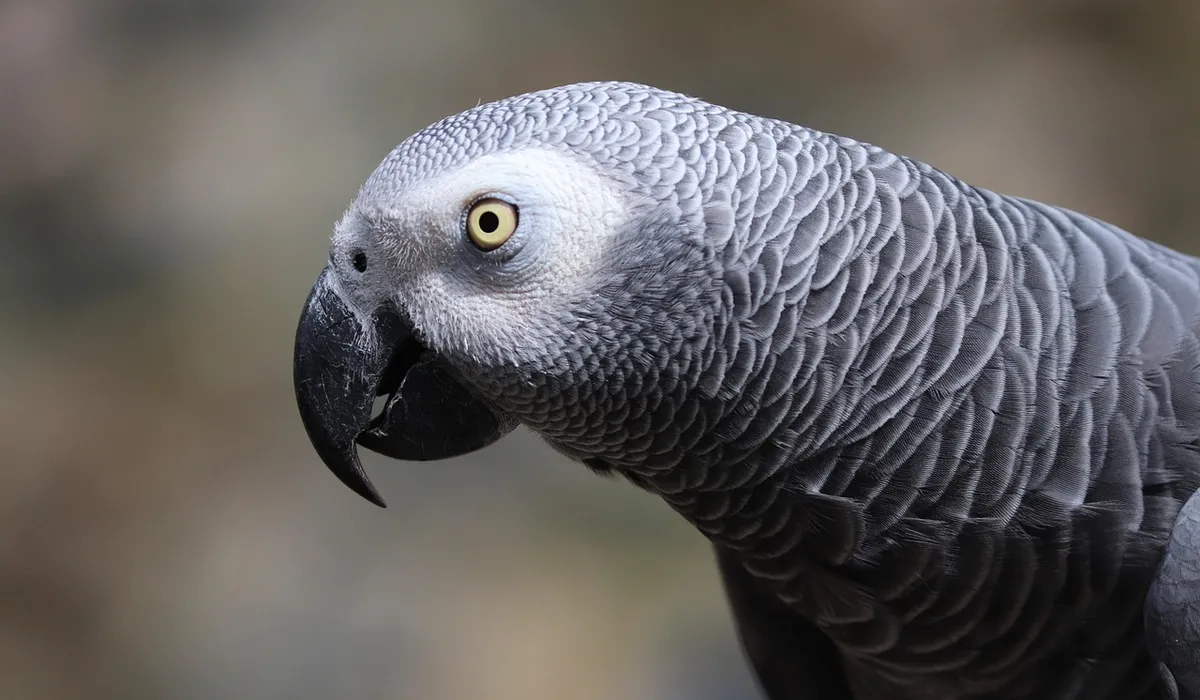
Building Trust Through Routine Interactions
Establishing a predictable daily schedule helps your new parrot feel secure and builds a foundation of trust. Consistency in feeding, playtime, and quiet moments signals safety to your bird. I learned this with Kiwi, my Green-cheeked Conure, who thrived once I set regular meal times and short, gentle handling sessions. To avoid common parrot feeding mistakes, skip seeds-only diets and keep meals on a regular schedule. A balanced mix of pellets, fruits, vegetables, and clean water supports health and trust.
Start with simple, non-threatening interactions to avoid overwhelming your feathered friend. Speak in a soft, calm voice near their cage and offer treats from your hand to create positive associations. This gradual approach reduces fear and encourages curiosity, much like how Sunny, my Sun Conure, began mimicking sounds after just a week of routine chats.
- Feed at the same times each day to create a reliable routine.
- Spend 10-15 minutes multiple times daily sitting near the cage, reading or talking softly.
- Use high-value treats, like small fruit pieces, to reward calm behavior and step-ups.
- Avoid sudden movements or loud noises that could startle your bird.
Over time, these small steps foster a bond based on mutual respect. Patience is your best tool here, as rushing can set back progress and increase stress. I recall how Sage, my African Grey, took weeks to accept hand-feeding, but the wait paid off in a deeper connection.
Managing Stress in the Isolation Period
Quarantine can be a lonely time for parrots, leading to behaviors like feather plucking or excessive screaming. Providing a calm environment with low stimulation helps ease their anxiety during this phase. When Sunny first arrived, I noticed her pacing—a clear stress sign—so I dimmed the lights and played soft music to soothe her. After quarantine, socializing your parrot becomes the next essential step. A gentle, step-by-step introduction guide can help you gradually reintroduce interaction and build trust in a safe, measured way.
Monitor your bird’s body language for clues about their emotional state. Fluffed feathers, rapid breathing, or refusal to eat often indicate high stress levels that need immediate attention. Simple adjustments, like placing the cage in a quiet corner away from household traffic, made a big difference for Kiwi’s adjustment.
- Keep the quarantine room quiet and free from other pets or loud appliances.
- Offer enrichment toys, such as foraging puzzles, to distract and engage their mind.
- Maintain a stable temperature and humidity to prevent physical discomfort.
- Schedule brief, positive interactions to break up long periods of solitude.
Remember, your presence alone can be comforting if introduced gently. Advocating for animal welfare means prioritizing their mental health just as much as their physical well-being. I’ve seen firsthand how reducing stressors early on leads to a happier, healthier parrot in the long run. Guiding your parrot to manage household noise through calm cues and consistent routines can reduce stress for both of you. A calmer home benefits everyone.
Transitioning Out of Quarantine Safely
After the 30-day quarantine, a slow and careful reintroduction prevents shock and protects your existing flock. Start by allowing visual contact through a barrier, like a screen or separate cage, to gauge reactions. These steps are practical trust-building techniques that work for parrot bonding. Consistency and positive reinforcement help your bird grow comfortable with others. With Sage, I let her see my other birds from across the room before any direct meetings, which minimized territorial disputes.
Gradually increase interaction time while watching for signs of aggression or illness. Supervised, short sessions in a neutral space help birds acclimate without feeling threatened. I always keep initial introductions to just 5-10 minutes, extending them only if everyone remains calm and curious.
- Observe for any lingering health issues, such as sneezing or lethargy, before full integration.
- Use separate food and water dishes initially to avoid resource guarding.
- Reward peaceful behavior with treats to reinforce positive social dynamics.
- Consult an avian vet if you notice any abnormal behaviors or symptoms post-quarantine.
This phased approach ensures a smooth transition that respects each bird’s individuality. Rushing this process can undo all the trust-building work from quarantine, so take it one day at a time. This same careful pacing is essential when parrots share spaces with dogs, cats, or other pets, as outlined in a multi-pet household guide. Following these steps helps create a safe, harmonious home for everyone. My experience with multiple parrots has taught me that a methodical exit strategy is key to a harmonious multi-bird home.
FAQs
Can the quarantine period be shortened if the bird appears healthy and has a clean vet check?
No, the 30-day duration is essential because some illnesses have incubation periods where symptoms may not surface immediately. Sticking to the full timeline helps catch any hidden health issues before introducing the bird to your flock.
What steps should I take if I notice symptoms of illness during the quarantine?
Contact an avian veterinarian right away for advice and keep the bird isolated to prevent potential disease spread. Avoid unnecessary handling to reduce stress while following the vet’s instructions for care and monitoring. In a home first aid emergency, keep the parrot in a quiet, warm area and limit handling until you receive veterinary guidance.
Is it safe to interact with my other pets or family members during the new bird’s quarantine?
Limit interactions to essential care only and practice strict hygiene, such as washing hands and changing clothes after contact. This reduces the risk of transmitting any undetected pathogens to other birds or people in your home.
In Closing
Following a strict 30-day quarantine for any new bird keeps your entire flock safe from hidden illnesses. This simple step prevents heartache by stopping diseases before they spread to your other pets. I learned this firsthand with Kiwi, my Green-cheeked Conure; her playful nature could have masked health issues without that initial isolation period. Many readers ask if there is a complete guide to the most common parrot health concerns. A comprehensive parrot health guide helps you spot issues early and protect your flock.
Responsible parrot ownership means always putting your birds’ welfare first and staying curious about their care. Commit to learning more each day, because a well-informed owner builds a stronger bond and a healthier home for their feathered friends.
Further Reading & Sources
- Importing Pet Birds into the United States: Federal Quarantine | Animal and Plant Health Inspection Service
- Importing Pet Birds: Non-U.S. Origin
- ANNOUNCEMENT: Improvements to U.S. Origin Pet Bird Home Quarantine Process
Suzanne Levine is a dedicated parrot enthusiast and experienced avian caregiver with over 15 years of hands-on experience in parrot care. As the founder of Parrot Care Central, Suzanne is passionate about sharing her knowledge and insights to help fellow parrot owners provide the best possible care for their feathered friends. Her expertise spans nutrition, behavior, health, and enrichment, making her a trusted resource in the parrot care community.
Health & Wellness