
Flying with Feathered Friends: International Pet Parrot Travel Rules
Published on: May 10, 2026 | Last Updated: May 10, 2026
Written By: Suzanne Levine
Planning a big move or dream vacation with your parrot feels exciting, but the mountain of international travel rules can turn that excitement into pure stress. I’ve navigated this journey myself with my Green-cheeked Conure, Kiwi, and I know how overwhelming it feels.
You’re not alone in this. I’m here to help you untangle the red tape by breaking down the three biggest hurdles you’ll face:
- The essential health certificates and import permits you absolutely need
- Airline-specific pet policies and in-cabin travel requirements
- Country-specific quarantine periods and banned species lists
By the end of this guide, you’ll have a clear, step-by-step action plan. We’ll cover everything from vet visits to landing procedures.
Your complete travel checklist includes: CITES permits, health exam timelines, airline-approved carriers, vaccinations, microchipping, quarantine destinations, and prohibited breeds.
The Big Picture: Core International Travel Rules for Parrots
Understanding CITES and Protected Species
When I first considered flying with Kiwi, my Green-cheeked Conure, I stumbled upon CITES—the Convention on International Trade in Endangered Species. CITES is a global agreement that protects wild animals and plants from over-exploitation, and many parrot species fall under its watch. It splits species into appendices, with Appendix I covering the most threatened ones, like some macaws and African Greys. If your parrot is listed, you’ll need special permits to cross borders legally. Beyond travel, owning a parrot at home often comes with its own legal requirements. Check your local and national laws to see what permits or registrations may be needed. I learned this the hard way when planning a trip with Sage, my African Grey; his species required extra documentation to ensure he wasn’t trafficked. Always check the CITES database for your parrot’s status—it’s a simple step that prevents big headaches.
- Research your parrot’s species on the CITES website or consult a vet.
- Apply for permits early, as processing can take weeks or months.
- Keep copies of all documents handy during travel.
Handling CITES feels like solving a puzzle, but it’s essential for your parrot’s safety. Ignoring these rules can lead to confiscation or fines, putting your feathered friend at risk. From my experience, double-checking everything saved Kiwi from stressful delays and ensured we followed ethical practices.
Wildlife Trade Compliance Basics
Beyond CITES, you’ll encounter a web of wildlife trade laws that vary by country. CITES isn’t a blanket ownership right; it governs cross-border trade and tells you what you can and can’t own. Start by securing import and export permits from both your departure and destination countries. When I moved with Sunny, my Sun Conure, I had to get a health certificate from an accredited vet within a specific timeframe—usually 10 days before travel. Microchipping is another must; it helps authorities identify your parrot and proves ownership. I’ve found that keeping a travel folder with all paperwork makes inspections smoother and reduces stress for both you and your bird.
- Obtain health certificates and vaccination records from your vet.
- Ensure your parrot is microchipped and the info is up-to-date.
- Check for quarantine requirements-some countries mandate isolation upon arrival.
Advocating for animal welfare means going the extra mile with compliance. Proper documentation isn’t just red tape; it safeguards parrots from illegal trade and health risks. My journey with multiple parrots taught me that a little preparation goes a long way in keeping travels safe and humane.
Airline Adventures: How Parrots Can Travel by Air
In-Cabin vs. Cargo: What’s Allowed?
Flying with parrots involves choosing between in-cabin and cargo transport, and each option has its perks and pitfalls. In-cabin travel is often allowed for smaller parrots in secure carriers that fit under the seat. I’ve flown with Kiwi this way-it lets me comfort him during turbulence and monitor his well-being closely. However, larger birds like Sage usually must go in the cargo hold, which can be noisy and temperature-controlled. Always check airline policies in advance; some ban certain species or have weight limits. From my trials, in-cabin is less stressful, but cargo might be unavoidable for long hauls.
- In-cabin: Best for small parrots, reduces anxiety, but space is limited.
- Cargo: Suitable for larger birds, but requires sturdy, airline-approved crates.
- Verify airline rules on parrot size, carrier dimensions, and breed restrictions.
Putting parrot welfare first means weighing these options carefully. Direct communication with airlines helps you avoid surprises and ensures a smoother journey for your companion. I recall a flight where pre-approval for Kiwi’s carrier made all the difference in his comfort.
Navigating Layovers and Transit Countries
Layovers add another layer of complexity to parrot travel, especially in transit countries with their own regulations. Always research layover destinations ahead of time-some may require additional permits or health checks. When you’re planning time away, you’ll also need to decide between parrot boarding vs sitter. On a trip with Sunny, a layover in a country with strict import laws meant extra paperwork and a longer wait. I learned to book direct flights when possible to minimize stress. If a layover is unavoidable, confirm that the airline handles parrot transfers properly and that facilities are safe and climate-controlled.
- Check transit country rules for parrot entry and exit requirements.
- Pack extra food, water, and comfort items for unexpected delays.
- Notify airline staff about your parrot to ensure proper care during stops.
Thinking ahead protects your parrot from unnecessary risks. Planning for layovers reduces the chance of your bird being stranded or subjected to harsh conditions. My experience taught me that a well-organized itinerary keeps everyone calm and focused on the adventure.
Paperwork Puzzle: Documents Needed for Parrot Travel
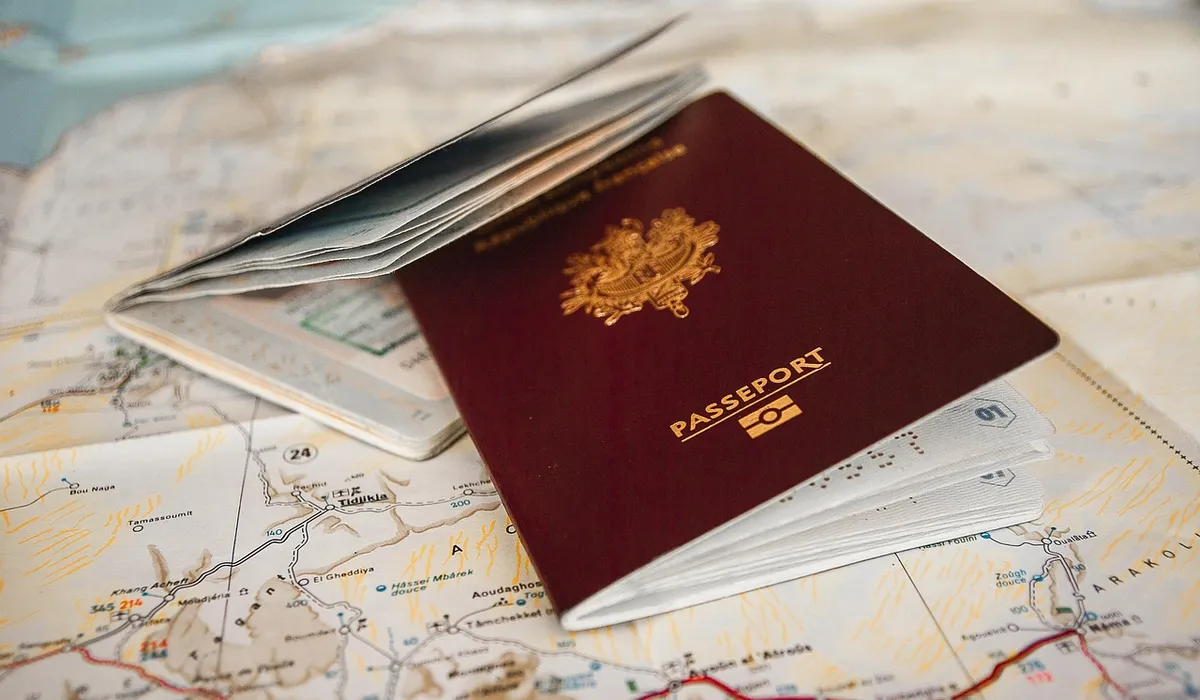
Getting your parrot’s paperwork in order feels like a complex puzzle, but I promise it gets easier once you know which pieces you need. Having traveled internationally with my own birds, I can tell you that being over-prepared is your best strategy for a smooth journey. These are the essential steps for traveling with your parrot. Start with permits and health checks, then verify airline rules.
Health Certificates and Veterinary Inspections
This is the cornerstone of international parrot travel. Most countries require a health certificate issued by a USDA-accredited veterinarian within a specific timeframe before your departure. For my conure Kiwi’s trip, I had to get his certificate done within 10 days of travel. These health certifications and the accompanying documents are typically required for parrot travel. Be sure to verify the exact paperwork for your destination and bring the originals with you.
- Schedule an appointment with a USDA-accredited avian veterinarian
- Ensure all required vaccinations and tests are completed
- Get the health certificate officially endorsed by your local USDA office
- Keep both digital and physical copies accessible during travel
The timing of this certificate is absolutely critical-get it too early and it might expire before you arrive.
Permits and Pet Passports
Depending on your destination, your parrot might need special permits or what’s commonly called a pet passport. When I traveled to Europe with Sunny, my sun conure, her EU pet passport became our most important document.
- CITES permits for protected species (most parrots fall under this)
- Import permits from the destination country’s agricultural department
- EU pet passports for travel within European Union countries
- Customs declaration forms for both departure and arrival countries
Always check if your specific parrot species requires special protection permits—especially for African Grey Parrots, as they are endangered. This saved me from potential legal issues when traveling with my African Grey.
Destination Deep Dive: Country-Specific Entry Rules
Every country dances to its own tune when it comes to parrot entry requirements. What worked for my trip to Canada completely differed from our journey to Germany.
Flying to the US: APHIS and USDA Guidelines
The United States has particularly strict regulations through APHIS (Animal and Plant Health Inspection Service). Your parrot must enter through designated ports of entry that have quarantine facilities.
- Complete VS Form 17-129 at least 30 days before travel
- Provide proof of veterinary inspection within 48 hours of departure
- Ensure your airline accepts live animal transport
- Check state-specific regulations-Hawaii has completely different rules
I learned the hard way that some US states have additional requirements beyond federal regulations, so always double-check your final destination’s rules.
EU and UK Travel: Pet Passports and More
European travel requires meticulous planning but offers more standardized procedures once you’re within the EU. The UK has become more complex post-Brexit.
- Microchipping is mandatory for all EU pet passports
- Vaccination against specific diseases based on species
- Blood tests may be required 30 days after vaccination
- UK now requires an Animal Health Certificate instead of EU passports
The EU pet passport system is wonderfully efficient once established, but getting that initial setup requires patience and multiple vet visits.
Health and Safety: Keeping Your Parrot Well on the Go
Vaccinations and Disease Prevention
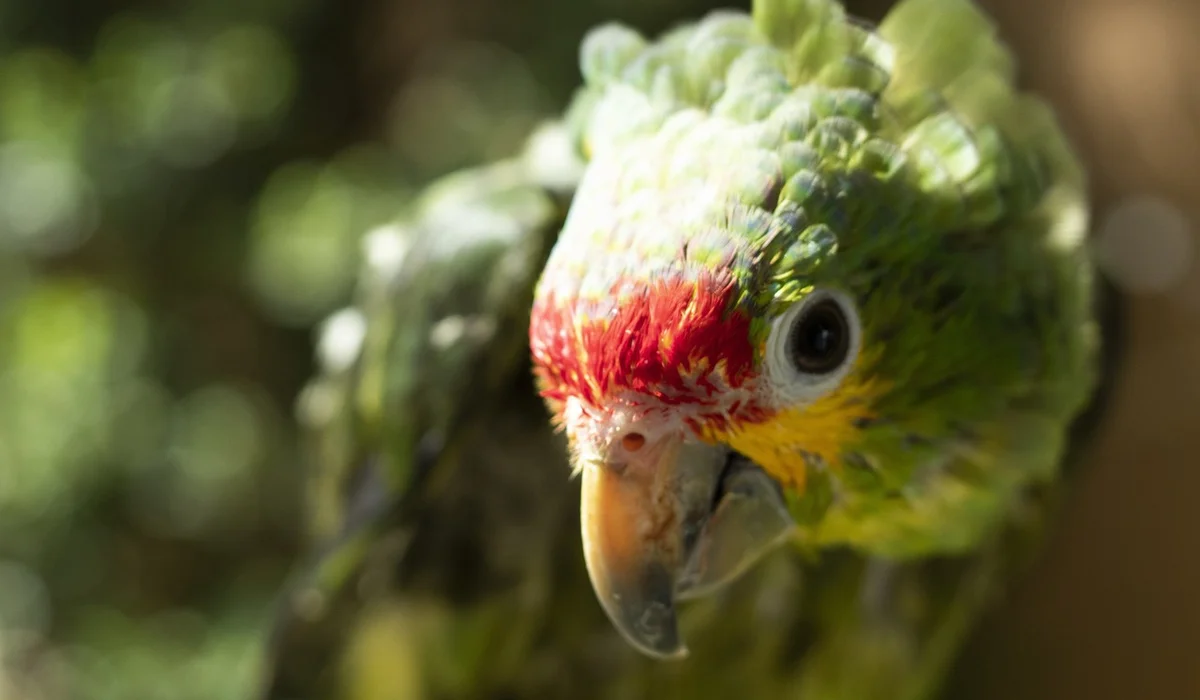
Before any flight, your parrot needs a clean bill of health from an accredited avian vet. This isn’t just a formality; it’s your first and best defense against spreading or catching illnesses in transit. My Green-cheeked Conure, Kiwi, had to get specific shots for our move, and the peace of mind was worth every penny.
Common requirements often include vaccinations for diseases like Avian Influenza or Polyomavirus. Always check the destination country’s official website for their exact, non-negotiable list of required immunizations. The rules can change quickly with disease outbreaks.
- Schedule the health certificate appointment close to your travel date, as they often expire within 10 days.
- Discuss parasite prevention with your vet, especially for mites and worms.
- Ask about a travel-safe supplement to support your bird’s immune system during the stress of travel.
Quarantine Requirements and Facilities
Many countries will mandate a quarantine period for incoming birds. This can be the most stressful part of the process for both you and your feathered friend, so knowing what to expect is crucial. My friend’s African Grey had to undergo a 30-day quarantine, and we prepared him by getting him used to a similar cage setup beforehand. After quarantine, the next phase is socializing your parrot. This step-by-step introduction guide will walk you through safe, gradual introductions to people, other pets, and new environments.
Quarantine facilities are government-approved and designed to prevent disease spread. You will not be able to visit your parrot during this time, which is heart-wrenching but necessary for public health safety. A standard 30-day quarantine protocol is followed for every new bird. During this period, the bird is monitored for signs of illness and any required tests are completed.
- Research the specific quarantine length for your destination-it can range from a week to over a month.
- Understand the costs, as you are responsible for paying the facility’s boarding fees.
- Pack a familiar toy or perch that can be sanitized and sent with your bird to provide a small comfort.
Practical Prep: Costs, Timing, and Coordination
Budgeting for Your Trip
International travel with a parrot is not a cheap endeavor. You need to budget for much more than just a plane ticket and a carrier. When I calculated the cost for Sunny, my Sun Conure, I was shocked by the total. To put this in perspective, here’s a quick international parrot prices cost guide for the Philippines, Nigeria, and South Africa. These country-specific costs—purchase price, permits, and transport—can dramatically affect the overall total.
Create a detailed spreadsheet to avoid nasty financial surprises. Forgetting one fee can throw your entire plan and budget into chaos.
- Airline Pet Fee: This can be several hundred dollars each way.
- USDA-Endorsed Health Certificate: This official paperwork has a fee, often around $150-$250.
- Import Permit: The destination country usually charges for this.
- Quarantine Fees: These are daily rates that add up quickly.
- Professional Pet Shipper: For complex moves, hiring a pro can cost thousands but is often worth it.
Timing and Coordination Tips
Start this process at least six months before your planned travel date. Rushing leads to mistakes, missed deadlines, and a very stressed-out parrot owner. I learned this the hard way with my first international trip.
You are the project manager of this complex operation. Create a master calendar with every single deadline, from vet appointments to permit application cut-offs. Color-coding mine saved my sanity.
- Month 6: Research destination country requirements and contact their agricultural department.
- Month 4: Schedule vet visits and begin the permit application process.
- Month 2: Book airline tickets that comply with live animal transport regulations.
- Month 1: Acquire the travel carrier and help your parrot get comfortable spending time in it.
Coordinate directly with the airline’s live animal desk, not the general reservation line. They have the specific knowledge to ensure your parrot’s journey is booked correctly and safely from the start.
FAQs
What are packaging and crate requirements for transporting a parrot?
Parrot carriers must be secure, well-ventilated, and airline-approved to prevent escapes and ensure safety. They should allow the bird to stand and turn comfortably, with absorbent lining and no sharp edges to avoid injury.
How long before travel should a parrot’s health certificate be issued?
Health certificates are typically required within 10 days of departure to remain valid for international travel. Always verify the destination country’s specific rules, as timelines can vary and affect your plans.
What are the fees or costs associated with traveling with a parrot?
Costs include airline pet fees, veterinary health certificates, import permits, and potential quarantine facility charges. Planning and budgeting for these expenses in advance helps prevent financial surprises and ensures a smooth journey.
How should travel plans be coordinated with airlines and pet relocation services?
Contact airlines early to confirm pet policies and secure bookings that comply with live animal transport regulations. Engaging pet relocation services can streamline the process by managing documentation and logistics for you.
Do import/export permits from customs authorities exist for parrots?
Yes, import and export permits are commonly required from customs authorities to legally transport parrots across international borders. These permits help regulate trade, protect endangered species, and ensure the birds’ health and safety.
Closing the Loop
When planning international trips with your parrot, always verify destination-specific import laws and secure health certificates well in advance. I learned this firsthand while traveling with Kiwi, where early vet checks and microchipping saved us from delays. Proactive steps like these keep your parrot safe and compliant across borders. For a thorough walkthrough, check the Safely Ship Parrot Complete Guide. It covers airline rules, crate specs, and required paperwork.
Embrace your role as a parrot guardian by prioritizing their welfare and staying curious about care updates. I regularly research new guidelines for Sage, ensuring her environment stays enriching and secure. Continuous learning strengthens the bond and promotes a lifetime of health for your feathered companion.
Further Reading & Sources
- Can you bring a pet parrot on vacation or travel with it? If yes, what is the process for doing so? – Quora
- Taking Birds on Planes: All You Need to Know. – Pets That Travel
- Fws
Suzanne Levine is a dedicated parrot enthusiast and experienced avian caregiver with over 15 years of hands-on experience in parrot care. As the founder of Parrot Care Central, Suzanne is passionate about sharing her knowledge and insights to help fellow parrot owners provide the best possible care for their feathered friends. Her expertise spans nutrition, behavior, health, and enrichment, making her a trusted resource in the parrot care community.
Travelling with Parrots