
The Truth About Buying Parrots from Pet Stores: Pros and Cons
Are you drawn to the colorful charm of parrots in pet stores but unsure if it’s the right choice for you and the bird? That initial excitement can quickly turn to worry about health, cost, and whether you’re supporting good practices.
I’ve cared for parrots like Kiwi, Sunny, and Sage for years, and I’ll help you weigh the options fairly. Here are the key takeaways we’ll explore together:
- The convenience of instant availability versus hidden health risks
- Cost comparisons that go beyond the initial price tag
- Ethical concerns and how they impact parrot welfare
You’ll walk away with straightforward advice to make a confident, caring choice. We’ll dive into health screening, budget breakdowns, sourcing ethics, behavior training, and long-term care commitments.
Getting to Know Pet Store Parrots
Many people walk into a pet store and see a colorful, chirping bird and imagine an instant best friend. The reality of pet store parrots is often far more complex than the charming display suggests. Before choosing, consider how a parrot would fit your daily routine, space, and noise level. Picking the right parrot for your home lifestyle helps ensure a happy, lasting bond.
I remember my first encounter with a pet store parrot; a little green-cheeked conure that immediately stole my heart with its playful antics. That initial spark of connection is powerful, but it’s vital to look beyond the first impression.
What Are Pet Store Parrots?
Pet store parrots are typically younger birds from large-scale breeders or distributors. You won’t usually find rare or exceptionally large species here.
- Common Species: You’ll most often see budgies, cockatiels, lovebirds, green-cheeked conures, and sun conures like my Sunny.
- Origins: These birds are almost always domestically bred in aviaries for the pet trade, not taken from the wild.
Legal sales require these birds to be captive-bred, which is a significant positive step for animal welfare compared to past practices. The days of widespread wild importation are largely over, thankfully protecting wild populations.
Common Myths and Realities
Let’s clear the air on a few widespread beliefs I’ve encountered over the years.
- Myth: Pet store parrots are already tame and hand-trained.
- Reality: Many are not. They may be accustomed to people, but true tameness requires one-on-one, consistent work. My conure, Kiwi, was labeled “friendly” but was actually quite nervous and needed months of patient trust-building.
- Myth: Smaller parrots from stores are quiet.
- Reality: Even a tiny budgie can produce surprisingly loud chirps, and conures have powerful contact calls. My sun conure, Sunny, can be heard throughout the house when she wants attention!
- Myth: Parrots are low-maintenance, easy-care pets.
- Reality: This is perhaps the most dangerous myth. Parrots are incredibly complex, emotionally sensitive creatures that demand daily interaction, a varied diet, and mental stimulation. They are a decades-long commitment, not an impulse buy.
The Bright Side: Pros of Pet Store Parrots
Despite the cautions, there are legitimate reasons people choose this path. Buying from a pet store isn’t all bad, and it offers some unique advantages, especially for a first-time owner.
- Immediate availability and a wide visual selection.
- The convenience of purchasing supplies and the bird in one trip.
- Potential for an initial health check by store staff.
- Perceived security of buying from an established business.
Easy Access and Instant Gratification
There’s no denying the appeal of walking into a store and leaving with a new feathered family member the same day.
This instant access allows you to see the bird’s colors and size in person, which can help you gauge your initial connection. For someone who has done their research and knows they want a cockatiel, seeing a group of them can help pick the one that seems most curious or calm.
Stores often have several species, giving you a crash course in parrot diversity under one roof.
Perceived Safety and Credibility
Walking into a clean, well-known pet store feels safer than meeting a stranger online or driving to a private breeder.
This sense of credibility is a major draw, as you assume the store has vetted its suppliers and cares for its animals properly. When I got Sunny, the store provided a sheet on her hatch date and diet, which felt reassuring.
Many stores also offer a short-term health guarantee, and the staff can be a resource for basic questions about cages and food, creating a beginner-friendly starting point.
The Dark Side: Cons of Pet Store Parrots
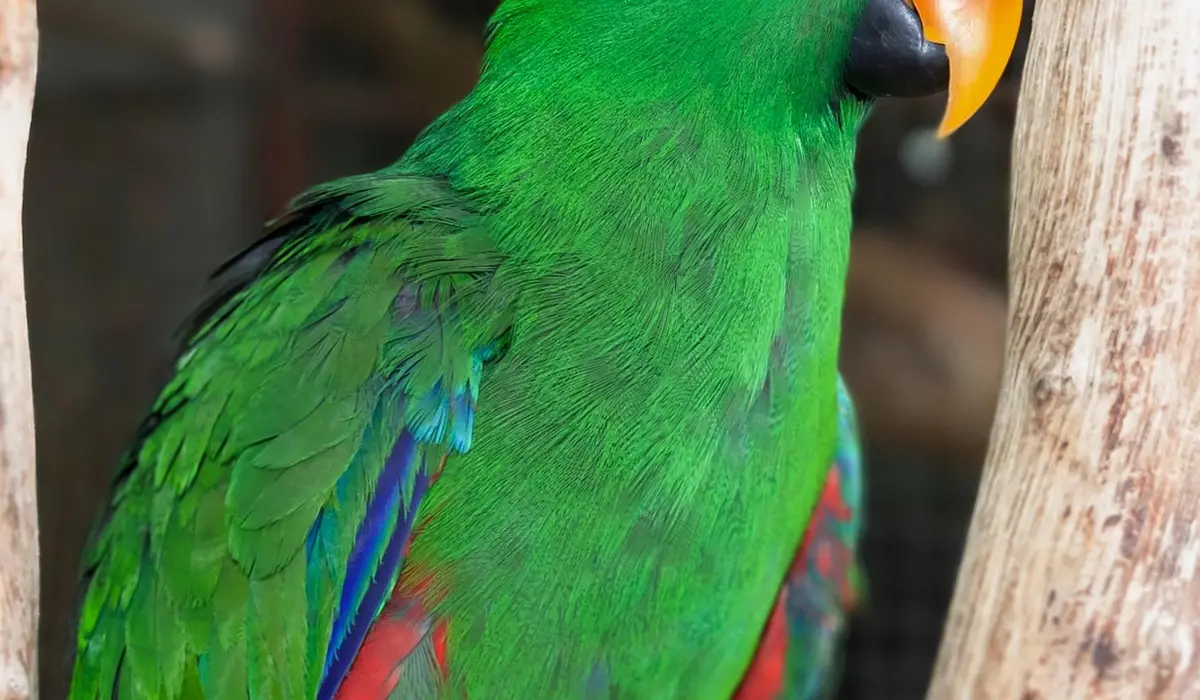
Walking into a pet store, the chirps and bright feathers can feel magical. But behind that colorful display, I’ve seen heartbreaking realities that every potential bird owner needs to know.
Health Hazards and Disease Risks
My conure Kiwi came home with a slight sniffle I initially dismissed. That “little cold” turned into a costly respiratory infection treatment. Birds are masters at hiding illness, and store environments often expose them to multiple stressors at once.
Common issues I’ve encountered in store-bought birds include:
- Psittacosis (parrot fever) transmitted through crowded cages
- Scaly face mites that spread rapidly in close quarters
- Nutritional deficiencies from seed-only diets
- Untreated beak and feather disease
Follow these steps to spot health red flags:
- Observe breathing – listen for clicking sounds or tail bobbing
- Check feathers – missing patches or dull colors signal trouble
- Watch their posture – healthy birds sit upright, not hunched
- Look at the eyes – they should be clear and bright, not watery
- Monitor activity levels – constant fluffing or lethargy means vet time
Ethical and Welfare Concerns
After visiting multiple suppliers, the breeding conditions shocked me. Mass breeding facilities prioritize quantity over quality, creating generations of psychologically damaged birds.
The tiny display enclosures break my heart every time. Parrots need room to stretch, fly, and express natural behaviors. I’ve watched magnificent macaws in cages so small they couldn’t fully extend their wings. These intelligent creatures develop stereotypic behaviors like constant pacing or feather plucking from the stress and boredom. These concerns mirror the parrot cage myths—8 misconceptions that compromise safety and comfort. Debunking these myths is essential to ensure cages truly support a parrot’s physical and mental well-being.
Many stores source from bird mills where:
- Breeding pairs remain in cramped cages for years
- Chicks get pulled too early for hand-feeding
- Genetic diversity gets ignored, leading to inherent health issues
- Social development gets disrupted by isolation
Comparing Your Parrot Buying Options
Finding your feathered friend requires careful consideration of all available paths. Each source comes with distinct advantages and challenges that impact your bird’s future wellbeing.
| Source | Pros | Cons |
|---|---|---|
| Pet Stores | Immediate availability, sometimes financing | Unknown health history, potential behavioral issues |
| Reputable Breeders | Health guarantees, known lineage, early socialization | Higher upfront cost, possible waiting lists |
| Rescues/Sanctuaries | Saving a life, lower cost, often vet-checked | Possible trauma history, might need behavior rehab |
| Private Rehoming | Meet bird in home setting, learn actual personality | No health guarantees, limited support after adoption |
Watch for these red flags to avoid scams: sellers who refuse home visits, demand full payment before meeting the bird, or can’t provide recent vet records. Trust your instincts – if something feels off, walk away.
Breeder vs. Pet Store Parrots
My African Grey Sage came from a breeder who welcomed me into her home. The difference in care quality became immediately apparent when comparing her birds to typical store specimens.
Reputable breeders typically offer:
- DNA sexing and health screening documentation
- Parent bird visibility and living conditions
- Proper weaning and fledging processes
- Lifelong support and take-back guarantees
Meanwhile, pet stores often operate under minimal regulatory requirements. Many states don’t mandate routine veterinary inspections for retail bird sales, creating potential health time bombs.
Rescue and Adoption Alternatives
My sun conure Sunny came from a rescue after his first family couldn’t handle his noise level. Giving a second chance to a bird in need provides emotional rewards that money can’t buy.
Rescue birds often arrive with some baggage, but they repay patience with incredible loyalty. The adjustment period might involve:
- Building trust slowly with fearful birds
- Working through existing behavior issues
- Adapting to their established preferences and routines
- Managing potential health conditions from previous neglect
Rescues typically provide thorough health checks and honest assessments about each bird’s needs. They match birds to appropriate homes rather than making quick sales.
Health and Happiness: Welfare in Pet Stores
When you step into a pet store, your first concern should be the bird’s welfare, covering social needs, diet, and enclosure size. Parrots are flock animals, so isolation in small cages can lead to stress and behavioral issues. I remember visiting a store where Kiwi, my Green-cheeked Conure, was kept in a cramped space—his playful nature seemed stifled, which taught me to prioritize spacious, enriching environments. Understanding parrot housing cage requirements means considering the bird’s species and its activity level for the right cage size. Different parrot species need different dimensions, bar spacing, and enrichment to thrive.
Focus on a balanced diet; many stores offer seed-only meals, but parrots thrive on fresh veggies, fruits, and pellets. A varied diet prevents malnutrition and supports long-term health, just like how I mix greens and nuts for Sunny to keep her vibrant. Enclosure size matters too-birds need room to stretch wings and play, so look for cages that allow natural movements.
- Observe the bird’s interactions: Are they engaging with toys or other birds, or hiding in a corner?
- Check for clean water and food dishes, avoiding moldy or stale offerings.
- Note the cage size-it should be large enough for flying short distances and perching comfortably.
After bringing a bird home, proper care involves gradual socialization and diet adjustments. I spent weeks helping Sage adapt by introducing new foods slowly and providing plenty of out-of-cage time. This post-purchase phase builds trust and prevents health setbacks.
Signs of a Healthy and Happy Parrot
Look for bright, alert eyes and smooth feathers without bald patches – these physical signs indicate good health. Healthy parrots like my Sunny show curiosity and vocalize often, which reflects their well-being. Behaviorally, they should be active, exploring their surroundings without signs of lethargy. To tell if your parrot is happy, there are 10 key signs to watch for. These upbeat cues often occur alongside strong health and curiosity.
- Clear, bright eyes and clean nostrils
- Consistent vocalizations or chirps, not constant screaming
- Balanced posture and steady movement on perches
Noise level and activity offer clues; a suddenly quiet bird might be ill, while excessive noise could signal stress. Monitor how they interact-playful antics like Kiwi’s head-bobbing are positive indicators of happiness.
Red Flags in Store Conditions
Poor setups often feature dirty cages, overcrowding, or minimal toys, leading to feather plucking or aggression. I once saw birds in a store with no perches, which can cause foot problems and unhappiness. These conditions harm birds’ mental and physical health, so always inspect for cleanliness and enrichment.
- Droppings accumulated in cages or on birds
- Birds huddled together without space, showing signs of stress
- Lack of fresh food or water, or visible health issues like discharge
Ask staff about quarantine practices for new arrivals and daily care routines. Inquire how they handle socialization-reputable stores will share details on bird handling and health checks. This helps you avoid stores that neglect basic welfare standards.
The Financial Reality: Costs of Pet Store Parrots
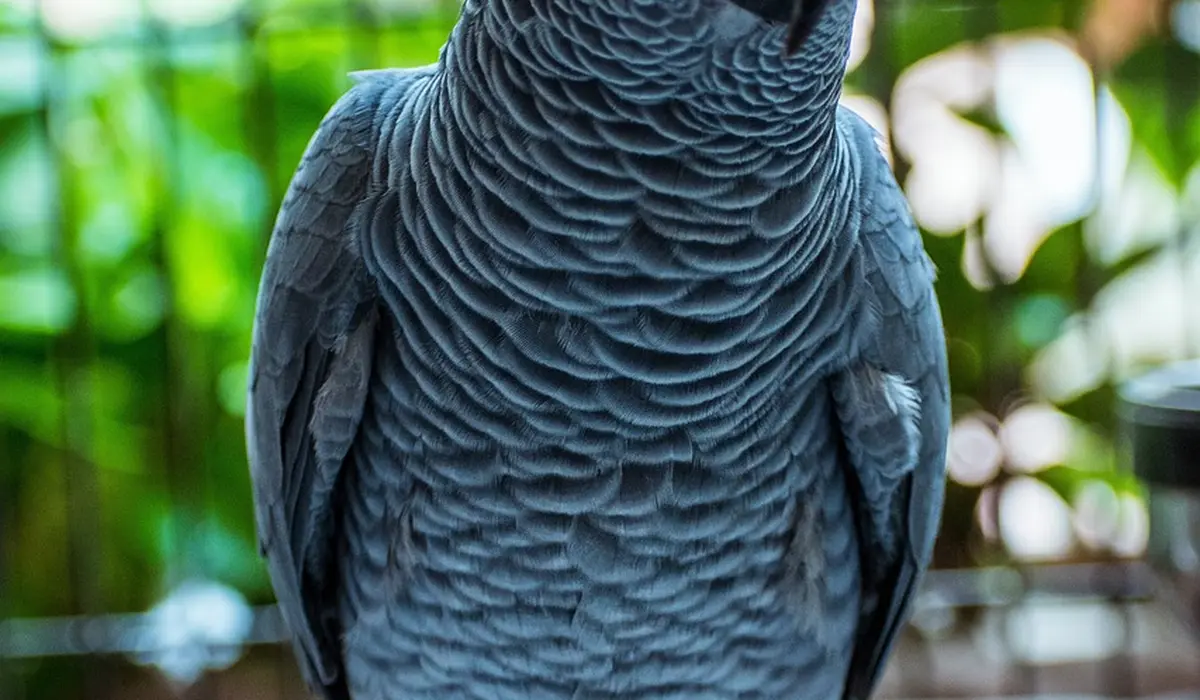
Buying a parrot involves more than the sticker price—it’s a long-term commitment with ongoing expenses. Initial costs include the bird itself, but daily and lifetime outlays add up quickly, demanding careful budgeting. A complete parrot ownership cost breakdown from purchase through lifelong care helps you budget and anticipate expenses. Knowing what to expect at each stage makes ongoing care more feasible. Parrots like Sage can live for decades, so plan for years of care to ensure their well-being.
- Veterinary care: Regular check-ups and emergency visits
- Food: High-quality pellets, fresh produce, and treats
- Toys and enrichment: Items to prevent boredom and promote mental health
- Cage and supplies: Perches, dishes, and cleaning materials
Unexpected costs, like sudden illnesses, can strain your finances. I learned this when Kiwi needed an urgent vet trip, reminding me that parrot ownership requires a flexible savings plan. Hidden costs in parrot ownership include veterinary care, emergency trips, toys, and cage or perch replacements. Budgeting for these surprises helps keep Kiwi thriving and reduces financial stress.
Upfront and Recurring Expenses
The purchase price at pet stores can be higher than breeders or rescues, often due to overhead costs. Stores might charge premium prices for common species, so compare options to find fair deals. Beyond that, a sturdy cage, food bowls, and initial vet visits form the core upfront costs.
- Bird purchase: Ranges from $200 to over $1,000 depending on species
- Cage: A spacious model costs $150-$500 for safety and comfort
- Supplies: Perches, toys, and carriers add $100-$300 initially
Recurring expenses include monthly food and toy replacements. Pet stores may upsell unnecessary items, so stick to essentials based on your bird’s needs. For example, Sunny’s social nature means I budget for interactive toys to keep her engaged.
Budgeting for Lifetime Care
Emergency vet visits are a major expense, often costing hundreds for treatments or surgeries. Setting aside funds for surprises, like Sage’s annual check-ups, ensures you can handle health crises without delay. Ongoing maintenance includes grooming, cage cleaning, and diet updates.
- Annual vet costs: $100-$300 for routine care, plus potential emergencies
- Food and supplies: $30-$100 monthly, varying by bird size and diet
- Replacement items: Toys and perches every few months to prevent wear
Personal stories highlight cost surprises; I once underestimated toy destruction and had to buy replacements frequently. Budget for the unexpected to provide a stable, happy life for your feathered friend. This proactive approach mirrors the care I give all my birds, ensuring they thrive without financial strain.
Your Smart Purchase Guide: Steps to Take
Walking into a pet store can feel overwhelming, but having a game plan keeps you focused. I always tell people to treat this process like adopting a child, because you’re making a decades-long commitment.
- Evaluate the Bird’s Age: Ask for a hatch certificate or the bird’s hatch date. Younger birds often adapt more easily to new homes and training. My conure, Kiwi, was just weaned when I got her, and that early start made all the difference in our bonding.
- Conduct a Health Check: Look for clear, bright eyes, clean and smooth feathers, and active movement. Watch for any signs of lethargy, labored breathing, or discharge from the nostrils. A healthy bird is a curious bird.
- Verify Legal Protections: Ensure the species is not protected under CITES (Convention on International Trade in Endangered Species). Reputable stores will have documentation for birds like African Greys. This protects wild populations from illegal trapping.
This checklist is your first defense against an impulsive, regrettable decision. Patience here isn’t just a virtue; it’s the foundation of a successful parrot partnership.
Key Questions to Ask the Store
Don’t be shy about grilling the staff. Their answers reveal everything about the bird’s background and the store’s ethics.
- Where was this parrot sourced from? (A responsible breeder is the ideal answer, not a large-scale mill).
- What is this bird’s known history? This includes its weaning process and any previous handling.
- How much daily social interaction does this specific bird currently receive?
- What is your store’s policy if a health issue is discovered by my avian vet within the first week?
Gauging staff knowledge is simple: ask them about diet specifics beyond seed mixes. If they can’t talk knowledgeably about pellets, fresh veggies, and toxic foods like avocado, it’s a major red flag about the care advice they’re giving new owners.
How to Spot a Suitable Parrot
Finding the right bird is about more than just pretty feathers. It’s about matching energy, intelligence, and lifestyle.
- Assess Bonding Potential: Spend time near the cage. Does the bird show curiosity? Does it approach the front or vocalize softly? A bird that seems interested in you is a great sign. My sun conure, Sunny, was climbing the bars to get a better look at me, and I knew we had a connection.
- Determine Species Fit: A loud, demanding Sun Conure is a terrible match for an apartment, while a quieter, more independent species might suit a busy professional. Research noise levels, lifespan, and social needs relentlessly before you fall in love.
- Check Legal and Suitability Guards: Beyond CITES, some cities have ordinances about certain species. Always double-check. Choosing a parrot that fits your life is the single most important factor for a happy, long-term home.
Common Questions
What should I look for in a reputable pet store that sells parrots?
A reputable store will have clean, spacious enclosures and staff who can answer detailed questions about a bird’s origin and care. Look for stores that prioritize enrichment with plenty of toys and offer a variety of fresh foods, not just seeds.
Are pet store parrots already socialized with people?
Many pet store parrots are merely accustomed to human presence but are not truly hand-tamed or socialized. True socialization requires consistent, one-on-one interaction and trust-building that often begins after you bring the bird home. For Quaker parrots, bonding typically grows through daily, calm interactions and positive reinforcement. The following taming and socialization tips can help you build a strong, trusting relationship with your bird.
What kind of support can I expect after buying a parrot from a pet store?
Support varies greatly, but many stores offer a short-term health guarantee and basic advice on supplies. However, for species-specific behavioral or long-term health guidance, you will likely need to consult an avian veterinarian or an experienced breeder.
How can I research a specific pet store, like one on Harrodsburg Rd in Lexington, KY?
Start by checking online reviews and local bird enthusiast groups for firsthand accounts of their experiences. You can also visit the store in person to assess the conditions and ask staff direct questions about their sourcing and quarantine practices.
Is it possible to find a healthy, well-adjusted parrot at a pet store?
While it is possible, it requires diligent observation and questioning on your part to identify a healthy bird from a well-managed store. Be prepared to walk away if you observe any red flags concerning the birds’ health, behavior, or living conditions.
In Closing
When deciding where to get a parrot, weigh the pet store’s convenience against potential health and behavioral unknowns. Always visit the store in person, ask about the bird’s origin and care, and explore rescues or reputable breeders for healthier, happier companions. Before bringing a parrot home, ask breeders and rescue organizations a few key questions—about age, health history, and temperament. These questions help you compare options and learn the adoption or purchase process. From my time with Kiwi, my Green-cheeked Conure, I learned that her playful spirit came with hidden stress from store life, so I now advocate for thorough checks before bringing any bird home.
Parrot ownership demands dedication to their complex needs and a promise to grow with them. Keep educating yourself on diet, enrichment, and vet care to ensure your parrot thrives for years to come. I’ve seen Sage, my African Grey, blossom with continuous learning, and it’s a journey that deepens the bond between you and your feathered friend. For more detailed information on African Grey care, check out this comprehensive guide.
Further Reading & Sources
- r/parrots on Reddit: What are the pros and cons of owning a parrot compared to owning a dog or cat?
- Pros and Cons of Buying a Parrot – Three Birds and a Cloud
- r/parrots on Reddit: Ethics of buying a Petsmart parrot
Suzanne Levine is a dedicated parrot enthusiast and experienced avian caregiver with over 15 years of hands-on experience in parrot care. As the founder of Parrot Care Central, Suzanne is passionate about sharing her knowledge and insights to help fellow parrot owners provide the best possible care for their feathered friends. Her expertise spans nutrition, behavior, health, and enrichment, making her a trusted resource in the parrot care community.
Finding a Parrot