
The Real Price of Parrot Ownership: Vet Bills, Toys & Emergencies
Published on: March 15, 2026 | Last Updated: March 15, 2026
Written By: Suzanne Levine
That beautiful, talking parrot in the pet store window comes with a price tag far beyond its initial adoption fee, and the financial surprise can be overwhelming. I learned this firsthand when my Green-cheeked Conure, Kiwi, needed an unexpected vet visit that cost more than my monthly grocery bill.
I’m here to help you see the full financial picture so you can welcome a feathered friend with your eyes wide open. We’ll break down the three biggest hidden costs that every future parrot owner must know:
- Routine and surprise veterinary care
- The constant need for new toys and enrichment
- Planning for a genuine emergency fund
You’ll get clear, actionable advice from someone who’s been through it. This article covers the essential financial planning topics you need, from routine care to crisis management.
Annual Checkups, Specialized Vet Visits, Common Health Issues, Mental Enrichment Costs, Toy Destruction & Replacement, The True Cost of an Emergency, Building a Parrot Savings Fund
Breaking Down Parrot Veterinary Care Bills
-
Routine checkups for parrots aren’t just quick visits; they involve thorough physical exams where the vet checks feathers, beak, and weight. I’ve found that these exams for my Green-cheeked Conure, Kiwi, often start at $75 and can climb with additional tests.
-
Diagnostic tests like X-rays and bloodwork are common for detecting hidden issues. When my Sun Conure, Sunny, needed an X-ray after a fall, it cost $180, and blood panels can run $100 or more depending on the lab.
-
Costs for anesthesia and surgery add up fast, especially for procedures like tumor removal or fracture repair. Based on my experience with Sage, my African Grey, anesthesia alone can hit $200, while surgeries might range from $500 to over $1,000.
-
Illness treatments, including medications and follow-ups, are ongoing expenses. I’ve spent $40 monthly on antibiotics for respiratory infections, and it taught me that early intervention saves money and stress.
-
Avian vet visits require specialized knowledge, and travel to an expert can mean extra fees. Driving an hour to see an avian specialist for Kiwi’s unusual behavior added $50 in gas, but it was worth it for accurate care.
Routine and Preventative Health Checks
-
Annual exams and wellness visits are your first line of defense. Scheduling yearly checkups for all my birds, like Sunny’s $85 visit, helps catch problems before they escalate into costly emergencies.
-
Vaccinations aren’t always routine for parrots, but when recommended, they prevent diseases like psittacosis. Sudden death in parrots is often due to infections, toxins, or heart problems. Prevention through vaccines and good husbandry helps reduce that risk. I invest in these shots to avoid potential $500 treatments down the road, keeping my flock healthier longer.
-
Regular care, including weight monitoring and diet advice, stops bigger expenses. By tracking Sage’s weight monthly, I avoided a $300 diagnostic bill for obesity-related issues, proving prevention is cheaper than cure.
Unexpected Illness and Emergency Treatments
-
Scenarios requiring urgent vet travel or hospitalization happen suddenly. When Kiwi showed signs of poisoning, I rushed him to a 24-hour clinic, and the overnight stay cost $350 plus $200 for fluids and monitoring.
-
Diagnostic tests in emergencies, like fecal exams or cultures, come with high price tags. For Sunny’s suspected infection, a culture test was $120, and an ultrasound added another $250, emphasizing the need for an emergency fund.
-
Hospitalization for critical cases can drain budgets quickly. I’ve seen bills exceed $1,000 for multi-day care, so I always keep savings handy for my parrots’ unpredictable health needs.
Toys and Enrichment: The Price of a Happy Bird
-
Toys are essential for mental and physical health, preventing boredom and destructive behaviors. Without enrichment, my curious Kiwi started feather plucking, but toys turned that around and kept him engaged and happy.
-
Types of safe toys include shreddable wood, foraging puzzles, and rope perches. I rotate these for variety, using items like untreated pine blocks and stainless steel bells to avoid toxins and injuries.
-
Replacement needs are constant because parrots destroy toys quickly. Sunny goes through a medium-sized toy every two weeks, costing me about $15 each time, so I budget for regular refreshes.
-
DIY or budget-friendly options save money without sacrificing fun. I make simple shred toys from cardboard tubes and safe woods, cutting my monthly toy bill in half while still providing stimulation.
Choosing Safe and Durable Toys
-
Materials to avoid include plastic with lead-based paints and small, swallowable parts. After a scare with Sage chewing on a cheap toy, I stick to brands like Planet Pleasures or Super Bird Creations for their non-toxic designs.
-
Recommended brands often use natural woods and sturdy metals. For larger parrots like Sage, I buy heavy-duty toys that cost $25-$50 but last months, whereas Kiwi’s smaller toys are cheaper but need more frequent swaps.
-
Parrot size directly affects costs and durability. Bigger birds require pricier, robust toys, so I spend $30 monthly on Sage’s enrichment versus $20 for Kiwi’s, ensuring everyone stays safe and entertained.
Regular Toy Rotation and Replacement
-
Frequent updates prevent boredom and encourage natural behaviors. I switch out toys every week for my flock, and this habit has reduced behavioral issues like screaming and chewing on cage bars.
-
Cost estimates for monthly replacements range from $20 to $50 per bird. By tracking expenses, I set aside $150 yearly per parrot, covering new toys and occasional DIY projects to keep things fresh and affordable.
-
Yearly budgets should account for wear and tear. Planning ahead lets me avoid last-minute buys, and I’ve saved over $100 annually by bulk-purchasing safe materials during sales.
Emergency Expenses and How to Plan for Them
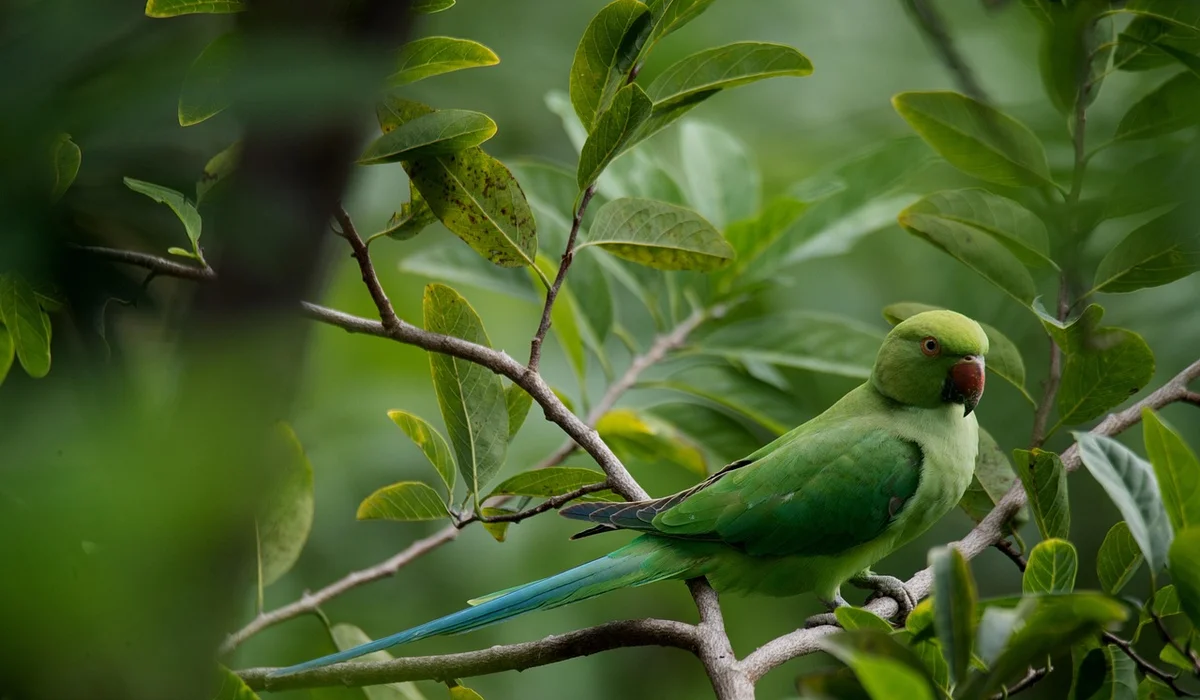
Parrots can face sudden health scares like infections or accidents that demand quick vet care. Unexpected issues often pop up when you least expect them, so being ready is key to your bird’s well-being. Behavioral problems, such as feather plucking from stress, might also need professional help. I learned this when my Green-cheeked Conure, Kiwi, chewed on a toxic plant and required an emergency visit costing over $400. These are exactly the kinds of issues a complete guide to the most common parrot health concerns aims to cover. A reliable guide helps you recognize early warning signs and decide when to seek veterinary care.
- Cover sudden health issues, accidents, or behavioral problems.
- Discuss setting up an emergency fund and its importance.
- Share personal stories of unexpected vet bills.
Setting aside money for emergencies ensures you can act fast without financial stress. An emergency fund stops you from choosing between your parrot’s health and your budget. When my Sun Conure, Sunny, had a wing injury, having savings saved the day and kept her comfortable.
Building a Parrot Emergency Fund
Start by estimating potential costs based on your parrot’s species and age. Aim to save at least $500 to $1,000 for smaller birds and more for larger ones like African Greys. For an African Grey, factor in the initial purchase price as part of your cost guide, along with ongoing care expenses. Budgeting tips: set aside a monthly amount for veterinary care, toys, and nutrition to cover unpredictable costs. Break it into small, monthly contributions to make it manageable.
- Calculate average vet bills in your area-call local clinics for quotes.
- Set a monthly savings goal, like $50, and automate transfers to a separate account.
- Review and adjust your budget to include unforeseen expenses, cutting back on non-essentials if needed.
Budgeting for surprises means you won’t scramble when trouble hits. I put aside $30 each month for my flock, and it’s saved me from panic during emergencies.
Pet Insurance: Is It Worth It?
Insurance can ease the burden of big vet bills, but it’s not a one-size-fits-all solution. Compare plans that cover accidents, illnesses, and even wellness checks for a clear picture, especially when weighing parrot insurance costs. Typical costs range from $15 to $50 monthly, depending on coverage and your bird’s age.
- Pros: Peace of mind, coverage for expensive treatments, and support for chronic conditions.
- Cons: May exclude pre-existing issues, have deductibles, or not be cost-effective for older parrots.
For my African Grey, Sage, insurance made sense due to her intelligence and potential for long-term health needs. Weigh your parrot’s species and age-younger birds often benefit more from early enrollment.
Ongoing Costs: Food, Cages, and Maintenance
Daily care adds up with essentials like nutritious food and a safe habitat. High-quality pellets and fresh foods are non-negotiable for a vibrant, healthy parrot. When choosing a base diet, many owners compare pellets vs seeds to see which provides balanced nutrition. Generally, a pellet-based base with seeds as occasional variety supports long-term health. Don’t forget cage maintenance and behavioral training, which prevent bigger issues down the line.
- Detail nutrition costs for high-quality pellet diets and fresh foods.
- Cover cage maintenance, perches, and enclosure upgrades.
- Mention behavioral training expenses if needed.
With my parrots, I budget for regular upgrades to keep their environment stimulating. Investing in their space reduces stress and promotes natural behaviors.
Nutrition and Dietary Needs
A balanced diet includes pellets, fresh veggies, and occasional fruits to prevent deficiencies. Feeding top-notch food now can slash future vet bills by keeping common ailments at bay. For example, Kiwi’s diet costs about $40 monthly for pellets and fresh produce.
- Essential foods: Pellets ($20-$30 per bag), leafy greens, carrots, and berries.
- Supplements: Calcium blocks or cuttlebones ($5-$10 each) for bone health.
Poor nutrition led to a vitamin deficiency in Sunny once, teaching me that diet directly impacts long-term wellness. Spend a little extra on quality food to avoid costly health surprises.
Cage and Habitat Upkeep
Regular cleaning and part replacements keep your parrot’s home safe and comfy. Use bird-safe cleaners and inspect for wear to prevent accidents. I replace perches and toys every few months to avoid hazards. This is part of a complete guide on cleaning your parrot and its environment safely. Following these steps helps ensure every corner of the cage stays clean and safe.
- Cleaning supplies: Vinegar-based sprays ($10-$15) and scrub brushes.
- Replacement parts: New perches or locks if they show damage.
- Safety checks: Look for rust, loose bars, or sharp edges weekly.
Extend cage life by wiping down surfaces daily and deep-cleaning monthly. This routine not only saves money but also ensures your parrot stays happy and secure. To stay organized, create a weekly and monthly parrot cage maintenance checklist. This checklist helps you track tasks and ensure nothing is overlooked.
Smart Budgeting for Your Feathered Friend
Owning a parrot feels like pure joy until you face the bills, but smart planning keeps both your wallet and your bird happy. I track every expense in a simple spreadsheet, which revealed I was overspending on low-quality toys my conure Kiwi destroyed in days. This habit transformed my spending and improved her enrichment.
Always prioritize your parrot’s health and happiness over convenience or price tags. Animal welfare means investing in durable, safe items that prevent costly vet visits from injuries or stress. My African Grey Sage once chewed a cheap toy with loose parts, teaching me that quality saves money long-term.
Creating a Yearly Parrot Care Budget
Start by listing all potential costs, then track your actual spending for three months to spot patterns. Allocate funds monthly into categories like routine care, toys, and an emergency fund, so surprises don’t derail your finances. I keep a separate savings jar just for my birds, adding a small amount each paycheck.
Here’s a sample yearly budget based on my experience with medium-sized parrots like conures:
| Category | Estimated Cost | Notes |
|---|---|---|
| Veterinary Care | $200-$400 | Includes annual check-ups, blood work, and nail trims. |
| Toys & Enrichment | $150-$300 | Focus on destructible toys; rotate to extend life. |
| Emergency Fund | $300-$600 | Set aside for unexpected illnesses or injuries. |
| Food & Treats | $200-$350 | Fresh veggies, pellets, and occasional nuts. |
Adjust these numbers for larger species like macaws, which need more food and pricier toys. Macaw parrot prices vary by species, with larger macaws typically costing more upfront. Review your budget quarterly to adapt to your parrot’s changing needs, like molting or aging.
Cost-Saving Tips Without Compromising Care
Get creative with toys by making your own from safe household items. I save money by crafting shreddable toys from untreated wood, cardboard, and natural fibers-my sun conure Sunny loves destroying paper roll puzzles stuffed with treats. Always avoid toxic materials or small parts that could be swallowed.
For vet care, consider pet insurance or wellness plans that cover routine visits. Preventive care, like annual check-ups, catches issues early and avoids massive emergency bills down the road. I learned this when Sage’s slight weight drop signaled a dietary deficiency we fixed quickly.
- Buy toys in bulk online or during sales, but check reviews for safety.
- Grow bird-safe herbs or veggies at home for fresh, low-cost treats.
- Join parrot owner groups to swap gently used toys or share vet recommendations.
Never sacrifice quality for cost-cheap, unsafe toys or skipped vet visits risk your parrot’s well-being. Investing in your bird’s health and happiness today prevents heartache and higher costs tomorrow.
FAQs
How can I find affordable yet safe toys for my parrot?
Search for reputable brands during online sales or join parrot owner groups to swap gently used toys for variety. Always prioritize non-toxic materials and avoid items with small, swallowable parts to keep your bird safe and engaged. Remember, toys can be dangerous if not chosen carefully, so follow a parrot toys safety checklist. Regularly inspect toys for wear and remove damaged pieces to prevent choking or ingestion hazards.
What should I do if I face a parrot health emergency without an emergency fund?
Reach out to local avian rescues or animal charities that may provide financial aid or low-cost care options. Discuss payment plans with your vet to ensure timely treatment while you explore community support or personal loans.
Are there any budget-friendly alternatives to commercial parrot pellets?
Incorporate fresh, bird-safe vegetables and fruits grown at home or bought in bulk to reduce costs. Consult an avian vet to balance the diet and prevent deficiencies, as improper nutrition can lead to expensive health issues.
Closing the Loop
From caring for my playful Kiwi and social Sunny, I’ve seen firsthand how vet bills for check-ups and unexpected illnesses add up fast, so always budget for annual exams and quality enrichment toys to keep their minds sharp. Setting aside a small emergency fund each month has saved me from stress when Sage needed sudden treatment, ensuring your feathered friend gets the care they deserve without financial strain.
Owning a parrot is a joyful, long-term journey that demands your commitment to their well-being through every squawk and snuggle. Stay curious and keep learning about their unique needs—whether through online forums or vet consultations—to build a happy, healthy life together for years to come. Regular annual vet checkups for parrots are a central part of proactive care for parrots, helping detect issues early and guide your preventive routines. A solid preventative care guide can help you plan nutrition, enrichment, and routine health monitoring.
Further Reading & Sources
- Costs of Parrot Ownership
- The Real Cost of Owning a Parrot – Valleywide Parrot Rescue
- How Much Is A Parrot? Full Cost of Pet Bird Ownership (in 2020)
Suzanne Levine is a dedicated parrot enthusiast and experienced avian caregiver with over 15 years of hands-on experience in parrot care. As the founder of Parrot Care Central, Suzanne is passionate about sharing her knowledge and insights to help fellow parrot owners provide the best possible care for their feathered friends. Her expertise spans nutrition, behavior, health, and enrichment, making her a trusted resource in the parrot care community.
Health & Wellness