
Species-Specific Guide: Which Parrots Are Most Commonly Available for Adoption?
Published on: March 21, 2026 | Last Updated: March 21, 2026
Written By: Suzanne Levine
Wondering which parrot species you can easily adopt without breaking the bank or facing endless searches? Many bird lovers stress over finding the right match that fits their home and heart.
I’ve spent years caring for parrots like Kiwi, my playful Green-cheeked Conure, and Sage, the wise African Grey, so I’ll guide you through the adoption landscape with real-life insights. You’ll walk away with three key takeaways:
- The most frequently adopted parrot species and why they’re popular in rescues
- How to evaluate a parrot’s personality and needs based on my hands-on experiences
- Practical steps to ensure a smooth adoption that prioritizes animal welfare
By the end, you’ll have straightforward advice to make an informed choice. We’ll dive into: Common species profiles, Adoption source options, Personality matching tips, Basic care essentials, Cost breakdowns, Welfare best practices.
Why Adopting a Parrot is a Wonderful Choice
I still remember the day I brought Kiwi, my green-cheeked conure, home from the rescue center. His playful antics and curious chirps filled my house with instant joy, and watching him explore his new space felt like giving a tiny, feathered friend a fresh start. Adopting a parrot isn’t just about getting a pet-it’s about saving a life and sharing your heart with a creature who truly needs you.
- Saving a life by providing a home to a bird in need
- Lower cost compared to buying from breeders, with many rescues covering initial vet checks
- Mature birds often have established personalities, making it easier to find your perfect match
Every time Sunny, my sun conure, snuggles up for a cuddle, I’m reminded how adoption transforms lives. Choosing to adopt supports animal welfare by reducing overpopulation and giving these intelligent birds a second chance at happiness. The bond you build is incredibly rewarding, knowing you’ve made a real difference.
Meet the Parrots You’ll Often See in Shelters
Walk into any parrot rescue, and you’ll meet a colorful array of birds waiting for families. Shelters commonly house species that are popular pets but often surrendered due to their long lifespans or specific care needs. Here’s a quick comparison to help you identify who you might find. If you’re curious about how different parrots look, a quick parrot species identification guide can help. It highlights color patterns, size, and beak shape to tell species apart.
| Species | Colors | Size | Common Traits |
|---|---|---|---|
| Budgerigar | Green, blue, yellow, white | Small | Chatty, easy to tame, social |
| Cockatiel | Grey, white, yellow, pied | Small | Gentle, whistles tunes, crest expressive |
| Conure | Green, red, yellow, orange | Medium | Playful, noisy, affectionate |
| Lovebird | Green, blue, peach, masked | Small | Feisty, bond strongly, active |
| Quaker Parrot | Green, blue, grey | Medium | Talkative, nest builders, social |
| African Grey | Grey with red tail | Large | Highly intelligent, mimics speech, sensitive |
| Amazon Parrot | Green with colorful accents | Large | Vocal, playful, can be loud |
| Macaw | Blue, gold, green, red | Large | Demanding, majestic, long-lived |
Small Parrots Ready for New Homes
Small parrots like budgerigars, cockatiels, lovebirds, and parakeets are frequent shelter residents because they’re often bought impulsively. These little birds pack huge personalities into tiny bodies, making them ideal for first-time owners or those with limited space. I’ve seen cockatiels bob their heads to music and lovebirds tuck paper into their feathers for nest-building-endless entertainment!
- Care needs include a balanced diet of seeds, pellets, and fresh veggies, plus daily interaction
- Lifespan ranges from 10-20 years, so it’s a solid commitment but manageable
- They thrive in pairs or solo with human companionship, reducing loneliness
Budgerigars, in particular, learn words quickly and love playing with mirrors. Adopting a small parrot means welcoming a low-maintenance friend who’ll brighten your days with chirps and tricks.
Medium Parrots with Big Personalities
Conures like green-cheeked and sun conures, quaker parrots, and eclectus parrots are shelter favorites due to their vibrant energy. These medium-sized birds require more space and attention, but their clown-like behaviors and strong bonds make every moment worth it. My sun conure, Sunny, greets me with loud squawks and dances-noise is part of the package!
- Noise levels can be high; conures are especially vocal at dawn and dusk
- Diet needs variety: fruits, nuts, and specialized pellets to prevent obesity
- Space requirements include a large cage with toys for mental stimulation
They’re popular in adoption because people underestimate their needs. Quaker parrots, for instance, build elaborate nests and mimic household sounds, offering nonstop engagement for active families. Understanding parrot flock dynamics in a human household helps owners tailor routines and social interactions to keep them healthy and engaged. Observing how these birds form bonds and communicate can guide enrichment and reduce stress at home.
Large Parrots Needing Experienced Handlers
African grey parrots, amazon parrots, macaws, and cockatoos often end up in shelters when owners can’t meet their complex demands. These large parrots are incredibly smart—my African grey, Sage, solves puzzles and recalls phrases with eerie accuracy. Parrots are among the most intelligent birds, capable of complex problem-solving and social learning. Their intelligence means they need constant mental challenges to avoid boredom.
- Longevity is a major factor; many live 50+ years, requiring a lifelong home
- Specific habitat needs include spacious cages, chew toys, and safe outdoor time
- Commitment involves daily training, social interaction, and vet care for decades
Adopting a large parrot isn’t for everyone. You’ll invest significant time and resources, but the reward is a deep, talking companion who becomes part of your family for life. If you’re weighing adoption versus buying a parrot, consider the source, costs, and long-term care. The right option depends on your ability to commit and provide lifelong enrichment.
How to Find Parrots for Adoption in Your Area
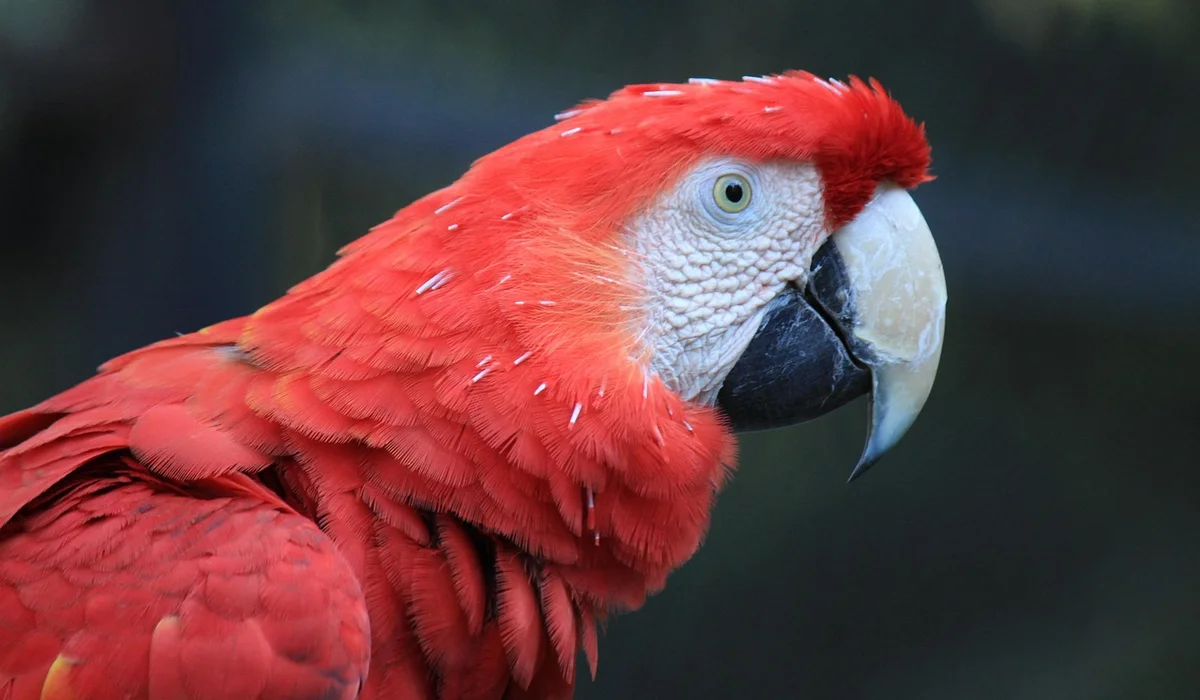
Finding a parrot to adopt feels like a treasure hunt where the prize is a feathered friend. Start your search with Petfinder, which lists adoptable birds from shelters nationwide, letting you filter by species and location.
- Petfinder: Browse birds near you and read their profiles.
- Local Bird Shelters: Visit in person to meet birds and talk with staff.
- Social Media Groups: Join parrot adoption groups on Facebook or Reddit for rehoming posts.
Search “parrots for adoption near me” and get specific. Try “parrot rescue NYC,” “Illinois bird adoption,” or “Long Island parrot shelter” to find local options. I once drove two hours to a rescue after seeing a Green-cheeked Conure online, and it was totally worth the trip to meet him in person.
When visiting rescues, look for clean cages, engaged staff, and birds that seem alert. A good rescue will answer all your questions and let you observe how the parrots interact. After bringing a parrot home, follow a step-by-step introduction guide to socialize them after quarantine. This approach helps the bird acclimate at its own pace and builds trust with you.
What to Know Before Adopting Your Parrot
Adopting a parrot involves a process to ensure you’re a good match. Expect to fill out an application, have a home visit, and pay an adoption fee that supports the rescue’s work. Once you bring your new parrot home, our first day survival guide can help you both settle in smoothly.
- Application: Questions about your experience, home environment, and plans for the bird.
- Home Visit: A volunteer checks that your space is safe and suitable.
- Fees: Typically range from $50 to $500, depending on the species.
Costs include the adoption fee, plus initial setup for a cage, toys, and food. Adoption often covers vet checks, which saved me hundreds when I brought home Kiwi, my Conure.
Prepare your home and family by bird-proofing areas and discussing care routines. Remove toxic plants, secure windows, and set up a quiet space for the parrot to adjust. These are essential steps to create a parrot-proof, room-safe environment for safe flight. With this setup, your bird can practice and enjoy flight confidently.
- Bird-proof your home: Cover mirrors, hide cords, and use safe cleaning products.
- Get supplies: Cage, perches, toys, and quality pellets ready before arrival.
- Talk with family: Assign tasks and set rules for interaction to avoid stress.
Matching the Right Parrot to Your Lifestyle
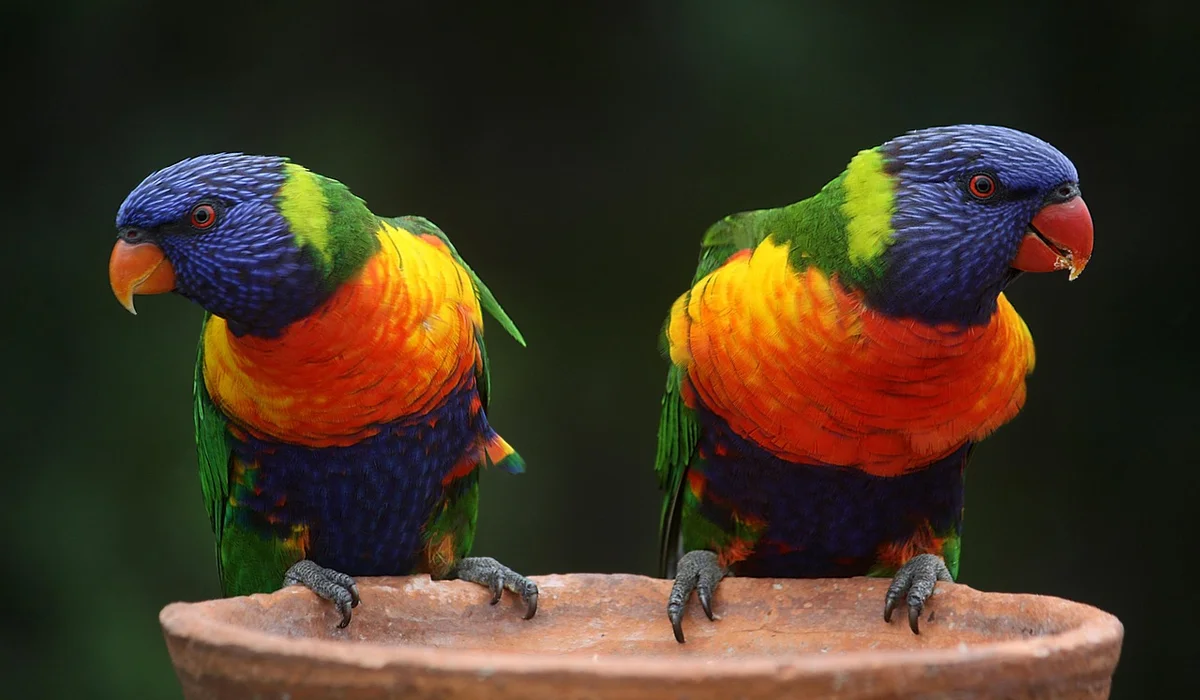
Choosing a parrot is like picking a roommate for the next 30 years. You need to be brutally honest about your daily routine, available space, and previous bird experience before falling for a cute face. I learned this the hard way when my lifestyle didn’t match my first bird’s needs, and it was a stressful period for both of us. Equally important is choosing a cage that fits the bird—consider its species, the required cage size, bar spacing, and perch setup for safety and comfort. Getting the housing right is part of the overall compatibility check.
Honestly Assess Your Time, Space, and Experience
Ask yourself these three critical questions. Your answers will immediately narrow down your options to species that can truly thrive with you.
- Time: How many hours daily can you dedicate to direct interaction and out-of-cage time? High-sociality birds need 3-4 hours minimum.
- Space: Do you live in an apartment with thin walls or a house? Consider both cage size and the noise level a species produces.
- Experience: Are you a first-time bird owner, or have you handled parrots with complex behavioral needs before?
Comparing Species for Different Homes
Not every parrot fits every home. Let’s look at two popular, commonly available species and who they suit best.
For the Apartment Dweller or Novice Owner: Plum-Headed Parakeet
If you have limited space and are new to parrots, a Plum-Headed Parakeet can be a wonderful match. Their relatively quieter chirps and whistles are far less likely to upset neighbors in close-quarters living. They are independent enough to handle a standard workday alone but still crave your attention when you are home. My friend’s Plum-Headed, Mango, is perfectly content with her 9-to-5 schedule and evening cuddles.
For the Experienced Owner with Ample Time: Indian Ringneck
Indian Ringnecks are brilliant, charismatic clowns, but they demand a knowledgeable handler. Their powerful voices and need for constant mental stimulation make them a poor fit for beginners or quiet households. They excel with owners who have the time for daily training sessions and can appreciate their sometimes-demanding personalities. I’ve seen a well-trained Ringneck learn dozens of phrases and tricks, but it requires immense dedication.
| Species | Ideal For | Considerations |
|---|---|---|
| Plum-Headed Parakeet | Apartments, first-time owners, quieter homes | More independent, moderate noise level, smaller space needs |
| Indian Ringneck | Experienced owners, houses, active families | Can be very loud, needs extensive socialization, highly intelligent |
Personal Examples of Good Matches
Seeing how a bird fits into a real life is the best guide. Here are two perfect pairings I’ve witnessed firsthand.
- The Busy Family & the Sun Conure: My Sun Conure, Sunny, lives with a family with two school-aged kids. His super social nature means he always has someone to play with, and his vibrant personality matches the home’s energetic vibe. He’s not overly loud for their suburban house, and the kids help with his simple care routine.
- The Retired Couple & the African Grey: My African Grey, Sage, would be overwhelmed in a loud, busy home. He found his perfect match with a retired couple who treat him like a feathered intellectual partner. They have all day to talk with him, provide puzzle toys, and appreciate his calm, observant nature. It’s a peaceful, stimulating home for a sensitive bird.
FAQs
Where can I find parrots for adoption in Oklahoma City?
Search for local bird rescues and animal shelters in the OKC area. You can also browse online listings on sites like Petfinder for available parrots.
How do I find parrots for adoption on Facebook in OKC?
Join Facebook groups focused on parrot rehoming in Oklahoma City, such as “OKC Bird Adoption”. These groups often share posts about birds needing new homes locally.
Are there parrots available for adoption in Illinois?
Yes, Illinois has multiple parrot rescues and shelters, particularly in areas like Chicago. Use online resources to find these organizations and view their adoptable birds.
Where can I adopt a parrot near Monterey, CA?
Look for animal shelters and bird-specific rescues in the Monterey County region. Online platforms can help you filter searches for parrots available in that area.
How can I find parrots for adoption on Long Island?
Check dedicated bird rescues and general animal shelters located in Nassau or Suffolk counties. Social media and local community groups may also feature rehoming listings.
In Closing
Choosing a parrot for adoption means finding a feathered friend whose personality, noise level, and lifespan truly fit your home and heart. Your perfect match is less about the rarest species and more about the right partnership for your daily life. The best choice is an informed one, based on honest reflection about your time, energy, and commitment.
Bringing a parrot home is the start of a lifelong journey, not the finish line. Their well-being depends entirely on your dedication to learning, adapting, and providing compassionate, species-specific care every single day. To set yourself up for success, start with a home essential setup checklist for your new parrot—secure cage, perches, safe toys, and ready-to-use bowls for food and water. This proactive preparation helps you translate daily care guidance into action from day one. Keep asking questions, listen to your bird, and let your shared story be one of mutual respect and joy.
Further Reading & Sources
- Birds for Adoption | Best Friends Animal Society
- Parrots for Adoption – Parrot Education & Adoption Center
- Adopt A Companion Bird | Free Flight Exotic Bird Sanctuary
Suzanne Levine is a dedicated parrot enthusiast and experienced avian caregiver with over 15 years of hands-on experience in parrot care. As the founder of Parrot Care Central, Suzanne is passionate about sharing her knowledge and insights to help fellow parrot owners provide the best possible care for their feathered friends. Her expertise spans nutrition, behavior, health, and enrichment, making her a trusted resource in the parrot care community.
Finding a Parrot