Parrot vs. Crow: Vocal Abilities Compared
Published on: June 3, 2026 | Last Updated: June 3, 2026
Written By: Suzanne Levine
Are you wondering which bird, parrot or crow, truly excels in vocal skills? Many people assume parrots are the only talkers, but crows bring their own surprising talents to the table.
I’ve spent years caring for parrots like Kiwi and Sage, observing their vocal quirks up close, and I’m here to guide you through the key differences. We’ll break down the essentials so you can appreciate both species without bias.
- Mimicry abilities and how each bird learns sounds
- Range of vocalizations and their complexity
- Intelligence’s role in communication and social bonds
You’ll receive clear, actionable insights that make this topic easy to grasp. We cover: vocal imitation, sound diversity, cognitive skills, social communication.
Vocal Anatomy: How Parrots and Crows Make Sounds
Parrots and crows both use a specialized organ called the syrinx to produce sounds, but their structures differ in fascinating ways. Parrots have a highly complex syrinx with multiple pairs of muscles, giving them fine control over pitch and tone. This setup lets them mimic a wide array of noises, from human words to household sounds. In contrast, crows possess a simpler syrinx with fewer muscles, which still allows for varied calls but limits their vocal range compared to parrots.
The throat and respiratory systems also play a role in sound production. Parrots combine their syrinx with a flexible throat and strong breath control, enabling them to sustain long, clear phrases. Crows rely more on air sacs and throat adjustments for their harsh, context-driven caws. These anatomical differences directly impact what each bird can achieve vocally.
Anatomy shapes vocal abilities in key ways. A parrot’s intricate syrinx supports a broad vocal range, making mimicry of complex sounds like speech possible. For crows, their simpler structure suits communication within their social groups, focusing on alarms or imitations of other animals in their environment.
| Feature | Parrots | Crows |
|---|---|---|
| Syrinx Complexity | High, with multiple muscles for precise sound control | Moderate, suited for robust calls and basic mimicry |
| Vocal Range | Extensive, covering high and low pitches with clarity | Narrower, optimized for loud, repetitive calls |
| Mimicry Ability | Excellent for human speech and diverse sounds | Good for environmental noises and cross-species imitation |
Mimicry Mastery: Speech and Imitation Skills
Parrots excel at human speech imitation thanks to their brain anatomy and social nature. They can learn words and phrases with remarkable accuracy, often using them in appropriate contexts. My African Grey, Sage, picks up on conversations and repeats phrases like “Time for bed” when it gets late, showing how they connect sounds to situations. This skill stems from their need to bond and communicate in flocks, making speech mimicry a natural extension.
Crows shine in context-dependent calls and cross-species imitation. They mimic other birds, animals, or even mechanical sounds to warn of dangers or attract mates. For instance, crows might copy a cat’s meow to scare off rivals or imitate a car alarm in urban settings. This ability helps them adapt to changing environments and communicate complex messages within their groups.
From my experience with pet parrots, mimicry varies by species and personality. My Sun Conure, Sunny, loves to imitate laughter and whistles, adding a playful vibe to our home. Kiwi, the Green-cheeked Conure, mimics the sound of crinkling paper or doorbells, often tricking us into thinking someone’s at the door. These examples highlight how parrots use mimicry for interaction and enrichment, underscoring the importance of providing them with stimulating environments to express these talents healthily.
Social Learning and Vocal Repertoire
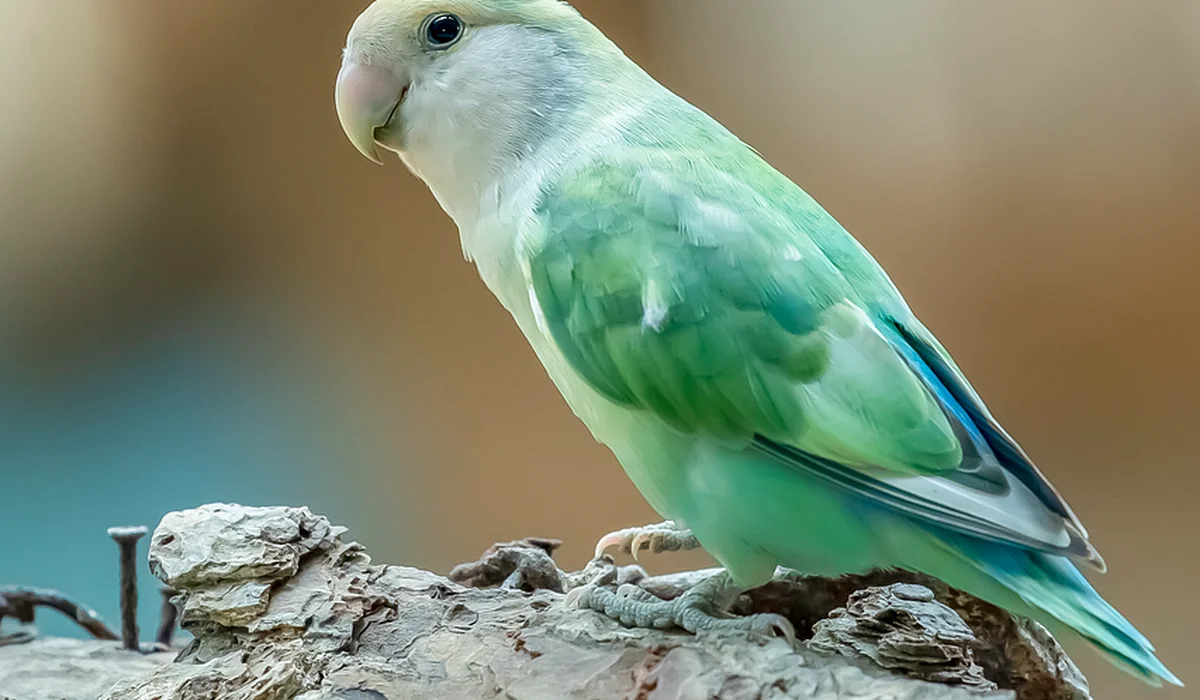
Flock dynamics play a huge role in how both parrots and crows learn sounds. Parrots, living in tight-knit flocks, use mimicry to strengthen social bonds and identify group members. My green-cheeked conure, Kiwi, learned to mimic our sun conure’s contact call within weeks of joining our home-it was his way of saying, “I’m part of this flock too.”
Crows also learn vocally from their family groups, but their sounds are more about territory and danger than social chatter.
Comparing Repertoire Size and Dialects
Parrots often have larger, more varied vocal repertoires than crows. African Grey parrots like my Sage can build vocabularies of hundreds of words and sounds, while crows typically master a few dozen distinct calls.
Regional dialects exist in both species. Wild parrots develop unique flock “accents,” and crows have area-specific warning caws. Pet parrots even create household-specific sounds-my birds invented a “dinner time” squawk I’ve never heard elsewhere.
Steps for Social Bonding Through Mimicry
- Spend quiet time daily talking softly near your parrot’s cage
- Repeat simple, positive words like “hello” or “good bird” during interactions
- Reward attempted mimicry immediately with treats or head scratches
- Introduce new sounds gradually, pairing them with enjoyable activities
- Be patient-bonding through sound takes weeks or months of consistent effort
Why Young Birds Test Their Voices
Vocal development follows similar patterns in both parrots and crows. Juvenile birds of both species go through a “babbling” phase where they experiment with sounds, much like human babies. This practice helps strengthen vocal muscles and develop coordination. In parrots, this babbling often precedes real talking, with early words emerging over weeks to months. Flying development follows its own timeline, with practice flights and growing strength leading to longer flights as they mature.
Parrots typically have a longer learning period than crows, sometimes practicing new sounds for months before perfecting them.
Tips for Encouraging Healthy Vocal Practice
- Provide a stress-free environment-anxious birds vocalize less
- Respond positively to all vocal attempts, even clumsy ones
- Play soft music or nature sounds to stimulate sound exploration
- Avoid punishing “practice sessions”-this is crucial development work
- Model the sounds you want them to learn through frequent repetition
Intelligence and Vocal Plasticity
Problem-solving skills directly impact vocal abilities in both species. The smarter the bird, the more complex sounds they can master and appropriately use. My African Grey Sage doesn’t just mimic words-he uses “want water” specifically when his bowl is empty, showing he understands meaning.
Crows solve complex puzzles in the wild, but their vocal abilities remain mostly functional rather than imitative.
Vocal plasticity-the ability to learn new sounds throughout life-gives parrots a significant advantage. While crows have fixed adult vocalizations, parrots like my conures keep adding to their sound library year after year. This flexibility comes from specialized brain regions that remain active into adulthood.
From daily life with my flock, I’ve seen remarkable cleverness. Sunny, my sun conure, learned to imitate the microwave beep—he now “cooks” himself imaginary meals when hungry. This shows how parrots connect sounds to outcomes, something I’ve never observed in wild crows. Their vocal skills aren’t just mimicry—they’re tools for manipulating their environment and communicating needs. This underscores that intelligent parrots are among the most adaptable birds. Sunny’s cleverness is a daily reminder of that intelligence.
Noise Levels and Pet Considerations
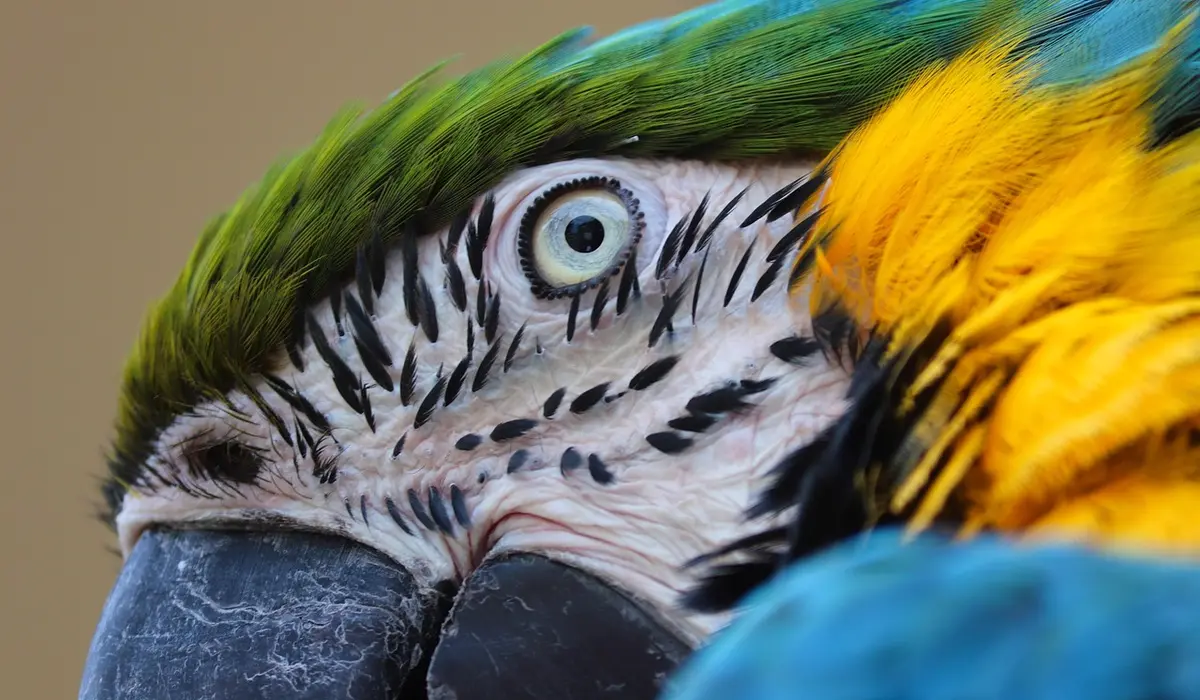
Parrots and crows both use vocalizations to communicate, but their sounds and volumes differ greatly. Parrots often chirp softly during play, whistle tunes they pick up, and let out sharp alarm calls when startled, while crows rely on deep caws and complex rattles that carry over long distances. My Green-cheeked Conure, Kiwi, chirps happily when curious, but my Sun Conure, Sunny, belts out loud whistles that can fill a room-showing how species vary in noise output.
- Compare typical vocalizations:
- Chirps: Gentle, social sounds common in parrots like Budgies
- Whistles: Learned melodies or innate calls, louder in species like Sun Conures
- Alarm calls: High-pitched, urgent noises from both parrots and crows when threatened
Choosing the right parrot for your home depends on noise tolerance. Quiet species like Budgerigars or Cockatiels suit apartments, while noisy ones like Macaws need space where their calls won’t disturb neighbors. For apartment living, learning how to navigate noise-complaint guides for parrot owners is part of responsible care. Proactive communication with neighbors and a calm routine can help keep the peace. From my years keeping parrots, I’ve seen how Sage, my African Grey, stays calm with low chatter, but Sunny’s vibrant voice demands a lively household.
- Quiet parrot species for homes:
- Budgerigars: Soft tweets and murmurs
- Cockatiels: Gentle whistles and chirps
- Pionus parrots: Mellow, quiet demeanor
- Noisy parrot species for homes:
- Sun Conures: Loud, piercing squawks
- Macaws: Powerful, resonant calls
- Cockatoos: Frequent, high-volume screaming
Managing excessive noise humanely keeps your parrot happy and reduces stress. Start by identifying triggers like boredom or fear, then use positive distractions like toys or training to redirect their energy. I always give Kiwi puzzle feeders to cut down on her fussy chirps – it works wonders without scolding her. Learning to vocalize at appropriate times helps your parrot manage household noise and lowers family stress. A calmer soundscape makes daily life smoother for you and Kiwi.
- Provide engaging toys: Rotate chewables and foraging items to prevent boredom
- Use positive reinforcement: Reward quiet behavior with treats or affection
- Maintain a consistent routine: Regular sleep and feeding times lower anxiety-driven noise
- Avoid punishment: Yelling or covering the cage can increase fear and vocalizations
Environmental Factors Affecting Vocalizations
Your home setup plays a huge role in how much your parrot talks or screams. Placing the cage in a busy area like the living room encourages social chatter, while isolation might lead to lonely, stress-related yelling. With Sage, I noticed she mimics our conversations more when her perch is near family activities, making her feel included. Creating a calm, consistent environment can help a scared or stressed parrot settle down, reducing noisy outbursts. A calm parrot tends to chatter softly and engage rather than panic-scream.
- Outline how home setup influences parrot talking habits:
- High-traffic zones: Boost interaction and mimicry
- Quiet corners: May cause less talking but more screaming if neglected
- Cage size and placement: Spacious, well-lit areas promote calm vocalizations
Enrichment is key to cutting down on stress-related screaming. Offer a variety of activities like shredding toys or supervised out-of-cage time to keep their minds occupied and bodies active. I mix up Sunny’s play gym with new perches and hide treats around-it keeps her from shrieking for attention.
- Suggest enrichment ideas to reduce stress-related screaming:
- Foraging toys: Hide nuts or fruits to stimulate natural behaviors
- Social interaction: Daily play sessions or mirror toys for companionship
- Training exercises: Short, fun lessons to build confidence and reduce anxiety
Training Tips for Enhancing Parrot Speech
Teaching your parrot to talk starts with patience and simple steps. Begin with one-syllable words like “hello” said clearly and repeatedly, then reward any attempt with a favorite treat to build association. I trained Kiwi by saying “pretty bird” every morning—now she greets me with it, and it strengthens our bond. Think of the cue as a signal that tells your parrot what to say. When used consistently, that cue really means “say hello” and the bird learns to respond on cue.
- Step-by-step methods to teach words and phrases:
- Choose a quiet time: Pick moments when your parrot is alert and calm
- Use clear, consistent phrasing: Repeat the word slowly and with enthusiasm
- Offer immediate rewards: Give a small treat or praise for mimicking sounds
- Practice daily: Short, 5-10 minute sessions prevent overwhelm
- Gradually introduce new words: Build on success with simple phrases
Training crows versus parrots hinges on their unique smarts. Parrots excel at mimicry through social learning, often picking up words for connection, while crows solve puzzles and mimic sounds for practical reasons like warning calls. My experience with parrots shows they thrive on interactive training, but crows might focus more on problem-solving tasks than speech.
- Highlight differences in training crows vs parrots based on intelligence:
- Parrots: Learn words via repetition and bonding; respond well to vocal games
- Crows: Prefer tasks involving tools or puzzles; mimicry is less common and more functional
Always prioritize animal welfare in training. Keep sessions joyful and end on a positive note to avoid stress, and never force your bird to perform if they seem uncomfortable. I watch for signs like feather fluffing or avoidance in Sage-if she’s not into it, we take a break and try later.
- Emphasize positive reinforcement and animal welfare:
- Use treats and affection: Reinforce good behavior without pressure
- Monitor body language: Stop if your parrot shows fear or fatigue
- Respect their limits: Not all parrots will talk, and that’s okay-focus on their well-being
What People Ask
How does a bird’s lifespan affect its vocal learning?
Parrots, with their long lifespans, can continue learning and refining new sounds throughout their lives. Crows, while also long-lived, tend to have a more limited period for acquiring new vocalizations in adulthood. In the wild, this vocal flexibility supports survival by aiding group cohesion and rapid alarm signaling.
Can parrots and crows understand the emotional context of the sounds they mimic?
Parrots often learn to associate specific words or sounds with emotions and events, using them contextually. Parrots can also display emotions such as laughter, anger, and affection, indicating they understand others’ feelings. Crows primarily use their mimicked sounds for functional purposes, like alarms, with less evidence of attaching complex emotional meaning.
Which bird makes a better ‘talking’ pet for a beginner?
For a beginner seeking a vocal pet, certain parrot species like budgies are more suitable due to their social nature and propensity for mimicry. Crows, while intelligent, are not typically kept as pets and their vocalizations are less focused on human speech imitation.
Does a bird’s problem-solving intelligence directly translate to better vocal skills?
High intelligence in parrots is linked to their advanced vocal plasticity and ability to learn complex sounds. For crows, their remarkable problem-solving skills are more connected to tool use and social strategies than to enhanced vocal mimicry. Parrots’ intelligence is often compared to that of other animal species.
How easily can these birds adapt their vocalizations to a new home environment?
Parrots quickly pick up new household sounds and integrate them into their repertoire as a way to bond. Crows are also highly adaptable but will typically incorporate local environmental noises relevant to their wild survival rather than domestic sounds.
In Closing
When choosing a feathered friend for their vocal talents, parrots like my African Grey Sage often outshine crows in mimicry and complexity with proper training and social interaction. Focus on positive reinforcement and consistent routines to help your parrot develop its unique voice and reduce stress.
Caring for a parrot is a long-term commitment that demands attention to their emotional and physical well-being, based on my experience with Kiwi’s playful antics and Sunny’s affectionate nature. Always prioritize ethical sourcing, regular vet check-ups, and never stop learning about their evolving needs to ensure a happy, healthy life together.
Further Reading & Sources
- How corvids mimic human speech |
- From Crows to Parrots: Eight Birds That Talk – A-Z Animals
- Talking bird – Wikipedia
Suzanne Levine is a dedicated parrot enthusiast and experienced avian caregiver with over 15 years of hands-on experience in parrot care. As the founder of Parrot Care Central, Suzanne is passionate about sharing her knowledge and insights to help fellow parrot owners provide the best possible care for their feathered friends. Her expertise spans nutrition, behavior, health, and enrichment, making her a trusted resource in the parrot care community.
African Grey Parrots