How Intelligent Are Parrots? Uncovering Their Amazing Minds
Published on: January 17, 2026 | Last Updated: January 17, 2026
Written By: Suzanne Levine
You might look at your parrot and wonder if they’re truly smart or just good at repeating words, leaving you curious about their real capabilities.
Having lived with parrots like Kiwi, Sunny, and Sage, I’ve seen their intelligence up close, and I’ll guide you through the key insights to clear up any doubts.
- Problem-solving skills that show they can think ahead and adapt
- Communication abilities that go beyond mimicry to express needs
- Emotional depth and social bonds that reveal their caring nature
You’ll get straightforward advice to help you appreciate your parrot’s smarts. We’ll dive into cognitive tests, language use, social interactions, training tips, and enrichment ideas.
What Makes Parrots So Smart?
I’ve spent years living with my flock, and their intelligence constantly amazes me. Their brains might be small, but they possess a high neuron density in areas responsible for intelligent behavior, rivaling that of primates. This isn’t just about mimicry; it’s about genuine cognitive processing.
One of the biggest factors is their social nature. In the wild, parrots live in large, complex flocks. Navigating these intricate social networks requires advanced communication, problem-solving, and even the ability to understand social concepts like fairness and deception. This shows why the truth about starter parrots matters: many beginner myths portray them as easy, low-maintenance pets, which isn’t accurate. In this piece we’re debunking 5 common beginner bird myths, starting with their social complexity. My Sun Conure, Sunny, will deliberately “fake” an injury call to get my attention away from Kiwi, the Green-cheeked—a clever, if manipulative, tactic.
The Core Components of Parrot Intelligence
- Brainpower: A specialized brain region called the nidopallium caudolaterale acts like a primate prefrontal cortex, enabling complex decision-making.
- Social Complexity: They form lifelong bonds, teach their young, and work cooperatively, which demands high-level thinking.
- Problem-Solving Prowess: I’ve watched Sage, my African Grey, figure out how to unlatch three different cage locks in under ten minutes.
- Vocal Learning: Their unique ability to imitate and contextualize sounds and speech is a hallmark of advanced intelligence, not just a party trick.
Parrot Memory: Short-Term to Long-Term Recall
Parrot memory is not a single skill but a layered system. Their short-term memory allows them to track objects and events, a skill known as “object permanence.” If I hide a walnut under a cup, Kiwi remembers it’s there and will immediately go for it, understanding that things exist even when out of sight.
This short-term processing builds into an incredible long-term memory. Parrots can remember people, places, and specific events for years, even decades. A friend my African Grey hadn’t seen for five years visited, and Sage immediately greeted her with a phrase he’d learned during her last stay. The recall was instant and precise.
How Parrot Memory Works
- Associative Memory: They connect sounds, words, and actions with outcomes. My birds know the specific sound of the treat jar versus a medicine bottle.
- Episodic-like Memory: Studies suggest they can recall the “what, where, and when” of past events, a sign of complex consciousness.
- Social Memory: They remember flock members and their social standing, which is vital for maintaining harmony in a group.
- Vocabulary Retention: A well-cared-for parrot can maintain a large vocabulary for its entire life, recalling words and their appropriate usage context.
Proper care and mental stimulation are non-negotiable for such intelligent creatures. A bored parrot is an unhappy parrot, and their remarkable memory means they won’t forget periods of neglect or loneliness. Providing puzzles, foraging opportunities, and positive social interaction is a fundamental part of ethical parrot guardianship. If you’re wondering why my parrot is bored, enrichment gaps are a common culprit. I can help you tailor puzzles, foraging, and social routines to re-engage your bird.
Communication and Vocalization: Beyond Mimicry

Many people think parrots just repeat sounds, but that’s like saying a computer only displays pictures. My Green-cheeked Conure, Kiwi, doesn’t just mimic my words; he uses them in the correct context to get what he wants. When he’s hungry, he’ll fly to his stand and clearly say, “Want nut.” That’s not random noise; it’s intentional communication. If you’re trying to tell whether your parrot is happy, there are 10 key signs to look for. Recognizing these signals helps you respond appropriately and strengthen your bond.
Parrots possess a brain region called the “song system,” similar to what humans use for speech. This allows them to understand rhythm, tone, and even the emotional content behind sounds. My Sun Conure, Sunny, will let out a specific, soft chirp when she’s content and a completely different, sharp squawk when she’s alarmed. They aren’t just copying; they are assigning meaning and having a conversation with you, which is why it’s important to understand how to communicate with them.
How Parrots Show They Understand
- Contextual Speech: They use words or phrases appropriately, like saying “hello” when someone enters the room.
- Emotional Expression: Their vocalizations change with their mood, from happy whistles to annoyed grumbles.
- Problem-Solving with Sound: My African Grey, Sage, will call the dog by name to distract him from her food bowl.
- Mimicry with Intent: They imitate household sounds, like a microwave beep, to signal that it’s mealtime.
Problem-Solving Skills in Action
Watching a parrot solve a puzzle is like watching a tiny, feathered engineer at work. I’ve seen Kiwi spend twenty minutes figuring out how to unlatch his cage door, not out of frustration, but with pure, calculated determination. Their problem-solving isn’t just trial and error; it involves observation, memory, and logic.
In the wild, this intelligence is a matter of survival. They have to find food, avoid predators, and navigate complex social hierarchies. In your home, this translates to them outsmarting childproof locks and remembering where you hid the treat jar. Sage, for instance, will watch me hide a walnut under one of three cups and, after a deliberate pause, will almost always choose the correct one.
Real-World Problem-Solving Examples
- Tool Use: I’ve observed Kiwi use a small stick to scratch an itch on his head that his foot couldn’t reach.
- Sequential Tasks: Sunny knows she must first push a lever, then slide a door, and finally lift a lid to get to a favorite toy.
- Social Manipulation: Sage will pretend to be hurt to get extra attention, a behavior that requires understanding cause and effect.
- Persistence: They will try multiple different approaches to a single problem until they find the one that works.
Self-Awareness and Social Intelligence
Many parrots show a surprising level of self-awareness. My Green-cheeked Conure, Kiwi, often studies her reflection not with aggression, but with curiosity, as if recognizing that the bird in the mirror is herself. This goes beyond simple mimicry and hints at a deeper cognitive process. They understand their place within a social structure, whether it’s with other parrots or with you, their human flock.
Their social intelligence is truly their superpower. Parrots are masters at reading room energy and can pick up on your subtle emotional cues with startling accuracy. To support this, create a safe, stimulating indoor flight environment for your parrot. Include supervised flight times, obstacle-free spaces, and enrichment to keep them engaged. My Sun Conure, Sunny, will fly over for cuddles if I seem sad but will keep a playful distance if I’m focused on a task. They don’t just react; they empathize and adjust their behavior accordingly to maintain social harmony.
- Recognizing individual people and their unique relationships with each one.
- Using complex vocalizations to specifically call for a certain person or another pet.
- Engaging in tactical deception, like pretending to be injured to get attention.
- Coordinating group activities, such as all deciding to preen at the same time.
Intelligence Variations Among Parrot Species
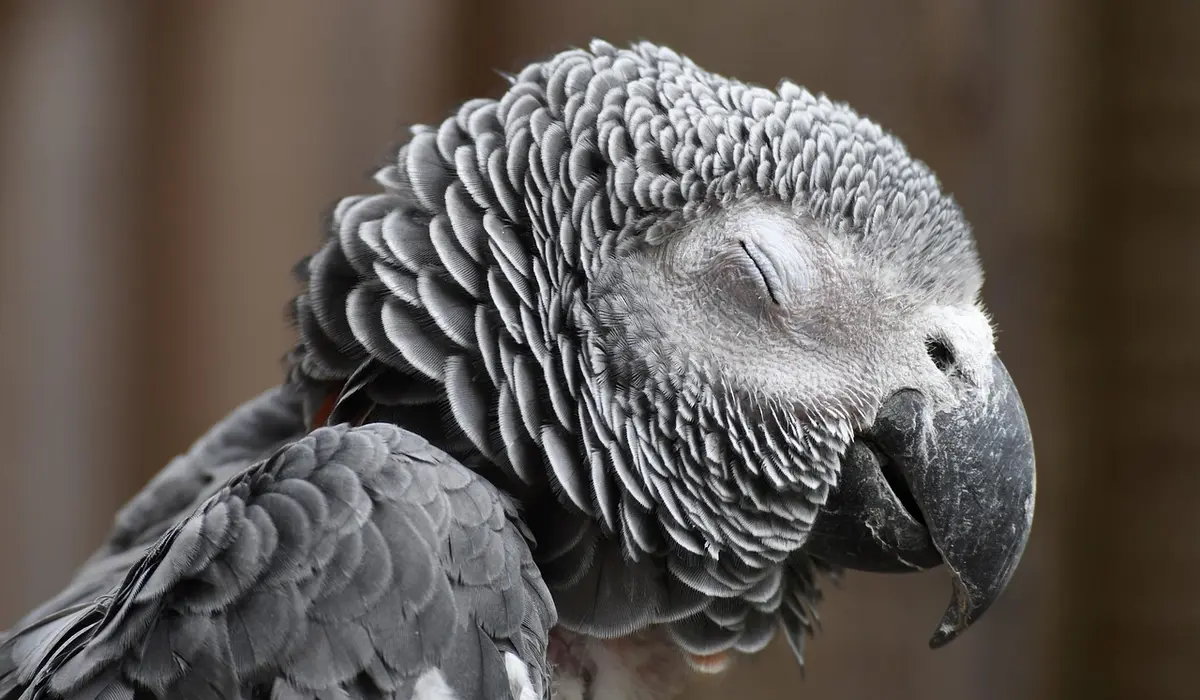
Not all parrot brains are created equal, and their intelligence manifests in different ways. Think of it like different types of genius; some are linguistic prodigies, while others are mechanical masterminds. This variation is often linked to their natural history and social structures in the wild. Larger, more socially complex flocks tend to produce individuals with sharper cognitive skills. A guide comparing how to train different parrot species would show how these cognitive traits shape training across species. It would help tailor methods to each bird’s strengths and social dynamics.
My African Grey, Sage, is a prime example of a linguistic genius. She doesn’t just mimic words; she uses them contextually, asking for her favorite nut by name and making observations about the weather. In contrast, my conures, Kiwi and Sunny, express their intelligence through incredible problem-solving skills, figuring out complex cage locks in minutes if I’m not careful. It’s a different kind of smart, but impressive nonetheless.
Problem-Solving Powerhouses
- African Greys and Cockatoos: Excel at logical reasoning and advanced language comprehension.
- Macaws and Amazons: Often brilliant at manipulating objects and solving mechanical puzzles.
- Conures and Quakers: Show remarkable social cunning and adaptability in new environments.
- Budgies and Lovebirds: Display impressive memory and can learn complex sequences of actions.
Linguistic Learners
While many parrots can talk, some species are truly in a league of their own. The capacity for meaningful speech is heavily influenced by a bird’s individual personality and the quality of social interaction they receive. I’ve met chatty Budgies and quiet Macaws, proving that species is just a starting point. Consistent, patient, and positive reinforcement is the real key to unlocking their communicative potential, regardless of their breed. To build trust, try bonding techniques that work: short, regular sessions, gentle handling, and plenty of praise. A strong trust base supports bonding and can boost their willingness to communicate.
Why Parrot Intelligence Shapes Pet Care
Owning a smart parrot is like having a perpetual toddler with a can opener for a face. Their cognitive abilities directly translate into specific, non-negotiable care requirements that go far beyond just food and a clean cage. From my years with Kiwi, Sunny, and Sage, I’ve learned that a bored parrot is a destructive and often unhappy one.
Mental Stimulation is Non-Negotiable
Parrots need to solve problems. In the wild, their days are spent foraging and navigating complex social dynamics. In our homes, we must replicate that mental workout by using foraging toys that enrich their diet and keep them engaged.
- Foraging Toys: Don’t just put food in a bowl. Hide treats in puzzle toys, cardboard boxes, or even crumpled paper. Watching Sage methodically dismantle a foraging box is a masterclass in problem-solving.
- Rotation is Key: Just like you wouldn’t want to play with the same toy every single day, neither does your parrot. I rotate my flock’s toys weekly to keep their environment novel and engaging.
- Training Sessions: Short, positive reinforcement training sessions for simple tricks (like “step-up” or “turn around”) provide immense mental stimulation and strengthen your bond.
Communication is a Two-Way Street
Parrots don’t just mimic; they communicate. They learn to associate words with actions, objects, and emotions. Your parrot is constantly listening and learning from your tone and your routines, so consistency in your communication is vital. Sunny, my Sun Conure, has a specific “hello” squawk for when I get home and a completely different, softer noise when she wants a head scratch. Understanding these sounds is crucial for effective communication with your feathered friend. Recognizing what different parrot sounds mean can help you respond appropriately.
- Name objects as you interact with them (“This is your apple”).
- Use a consistent, upbeat tone for positive reinforcement.
- Pay attention to their body language and vocalizations-they are telling you how they feel.
Emotional Complexity Demands Empathy
These birds form deep, emotional bonds and can experience jealousy, grief, and boredom. Ignoring their emotional needs can lead to severe behavioral issues like feather plucking and aggression. I’ve seen Kiwi get visibly sulky if I give the other birds attention first. Their intelligence means they need to feel like part of the family, not just a decoration in a cage.
- Ensure your parrot gets several hours of supervised out-of-cage time daily.
- Place their cage in a busy part of the home where they can observe family life.
- Respect their mood; sometimes, like people, they just want to be left alone.
Intelligence Influences Training and Socialization
Their smart brains learn both good and bad habits with equal speed. A well-socialized, positively trained parrot is a joy, while a neglected one can be a handful. This intelligence is why I’m a huge advocate for positive reinforcement and absolutely against any form of punishment, which only breeds fear and distrust.
FAQs
Can parrots understand the concept of time?
Parrots can associate routines with specific times, like expecting meals at regular intervals. However, they don’t grasp abstract time concepts like hours or minutes as humans do.
How does a parrot’s intelligence change with age?
Young parrots learn quickly through play and socialization, building foundational skills. Older parrots may show wisdom in problem-solving but can slow down if not mentally stimulated.
Are there any games or activities that can boost a parrot’s cognitive abilities?
Interactive puzzles and hide-and-seek games with treats encourage problem-solving and memory. Training sessions with positive reinforcement also enhance their learning and bond with you.
Final Thoughts
Parrot intelligence is a deep well, one that requires your active participation to fully appreciate. Your job is to provide constant mental enrichment through training, foraging toys, and plenty of social conversation. Remember, a stimulated parrot is a happy, well-behaved parrot who can truly show you how brilliant they are.
Owning a creature this cognitively complex is a profound, long-term commitment. Always keep learning about their needs, connect with avian vets and fellow owners, and never make the decision to bring one home on a whim. Your dedication to understanding their world is the greatest gift you can give them.
Further Reading & Sources
- r/evolution on Reddit: Since parrots can already talk and have the intelligence of a 3 year old human, could humans use artificial selection to make them more intelligent and able to communicate more clearly? like an alternate to humans?
- Bird intelligence – Wikipedia
- Recent developments in parrot cognition: a quadrennial update – PMC
Suzanne Levine is a dedicated parrot enthusiast and experienced avian caregiver with over 15 years of hands-on experience in parrot care. As the founder of Parrot Care Central, Suzanne is passionate about sharing her knowledge and insights to help fellow parrot owners provide the best possible care for their feathered friends. Her expertise spans nutrition, behavior, health, and enrichment, making her a trusted resource in the parrot care community.
Enrichment Activities