
Can Parrots Show Emotions? Understanding Laughter, Anger & Affection
Have you ever seen your parrot laugh with you or get angry when you leave the room and wondered if those feelings are real? You’re not alone in questioning the depth of your feathered friend’s emotional world.
I’ve spent years living with parrots like my playful Kiwi and affectionate Sunny, and I’m here to help you understand what’s truly going on. We’ll explore three key takeaways:
Parrots experience a complex range of emotions similar to human toddlers.
Their laughter, anger, and affection are genuine expressions, not just mimicry.
Recognizing these emotions strengthens your bond and improves their welfare.
You’ll get clear, practical advice you can use today to better understand your parrot. We cover: laughter in parrots, signs of anger, displays of affection, bonding behaviors, and emotional health tips.
Do Parrots Truly Experience Emotions?
After years of living with my flock, I’m convinced parrots feel emotions deeply. Scientific research, like the work of Dr. Irene Pepperberg with Alex the African Grey, supports that parrots experience complex states akin to our joy, fear, and attachment. They form strong social bonds, show clear preferences, and can become visibly distressed when separated from a favored person or bird.
We must be careful not to project human feelings onto our feathered friends. A parrot’s emotional world is shaped by instinct and survival, not human-like introspection. Their “anger” might be territorial defense, and their “affection” is often a sign of social bonding within their flock—which includes you! You can watch for common anger signals and warning signs—such as feather flaring, beak snapping, or a sudden lunging posture—and step back to give your parrot space. Recognizing these cues early helps keep both of you safe and preserve your bond.
From my daily observations, here are the most common emotional displays I see in parrots:
- Joy: Playful antics, relaxed feathers, and happy vocalizations.
- Fear: Crouching, hissing, or trying to flee from a perceived threat.
- Attachment: Seeking physical closeness and preening their favorite humans.
- Frustration: Loud, repetitive squawking or feather-destructive behavior.
- Curiosity: Head tilting, focused staring, and gentle exploration with their beak.
My Green-cheeked Conure, Kiwi, gave me a powerful lesson in emotional depth. After I returned from a week-long trip, he spent an entire hour gently preening my hair and nuzzling my cheek, softly chattering the whole time. This wasn’t just a hello; it was a clear, complex display of missing me and re-establishing our bond. It’s a moment I’ll never forget.
How Parrots Communicate Emotions Through Body Language and Sounds
Parrots are masters of non-verbal communication. Learning to read their feather position is your first clue to their inner world. Fluffed feathers can mean a content, relaxed bird, but if combined with a crouched posture, it can signal illness. Smooth, tightly held feathers against the body often indicate fear or aggression. Why parrots fluff their feathers matters: it helps you tell contentment from potential illness. In the rest of this guide, we’ll break down contented fluff versus sick signs.
Watch their tail movements, too. A rapidly fanning tail is a classic sign of agitation or excitement, while a slow, rhythmic wag can signal contentment. Beak clicking can be a happy sound, but a wide-open beak with a hiss is a clear “back off” warning. Eye pinning-the rapid dilation and constriction of their pupils-can express high excitement, whether from joy or heightened alertness.
Their vocalizations are a rich emotional language. My Sun Conure, Sunny, has a specific, soft warble he uses only when he’s feeling particularly affectionate. Parrot “laughter” isn’t about humor; it’s a social sound they learn to strengthen bonds with their human flock. Kiwi mimics my laugh perfectly, and he uses it when we’re playing together, associating the sound with a positive, shared experience.
Here’s a quick guide to connect common behaviors with probable emotions:
| Behavior | Probable Emotion |
|---|---|
| Soft, chattering sounds | Contentment, affection |
| Loud, piercing screeches | Fear, alarm, or demand for attention |
| Regurgitating food | Strong bond and affection (a mating behavior) |
| Stretching one wing and one leg | Relaxation, comfort, and trust |
| Pacing back and forth on a perch | Boredom, frustration, or anticipation |
Interpreting mixed signals is key to preventing misunderstandings. A parrot grinding its beak is usually a sign of contentment, but if the bird is also tense and staring, it could be a sign of pain. In a guide on recognizing pain in parrots, these subtle body language cues are crucial. Learning to spot quiet signals—slight changes in posture, feather position, or eye tension—can help you intervene early. Always look at the whole picture—body posture, eye condition, vocalizations, and the context of the situation. What looks like playfulness could be overstimulation, and what seems like anger might simply be a call for your attention. Taking the time to understand the full context will transform your relationship.
Recognizing Positive Emotions: Laughter, Happiness, and Affection
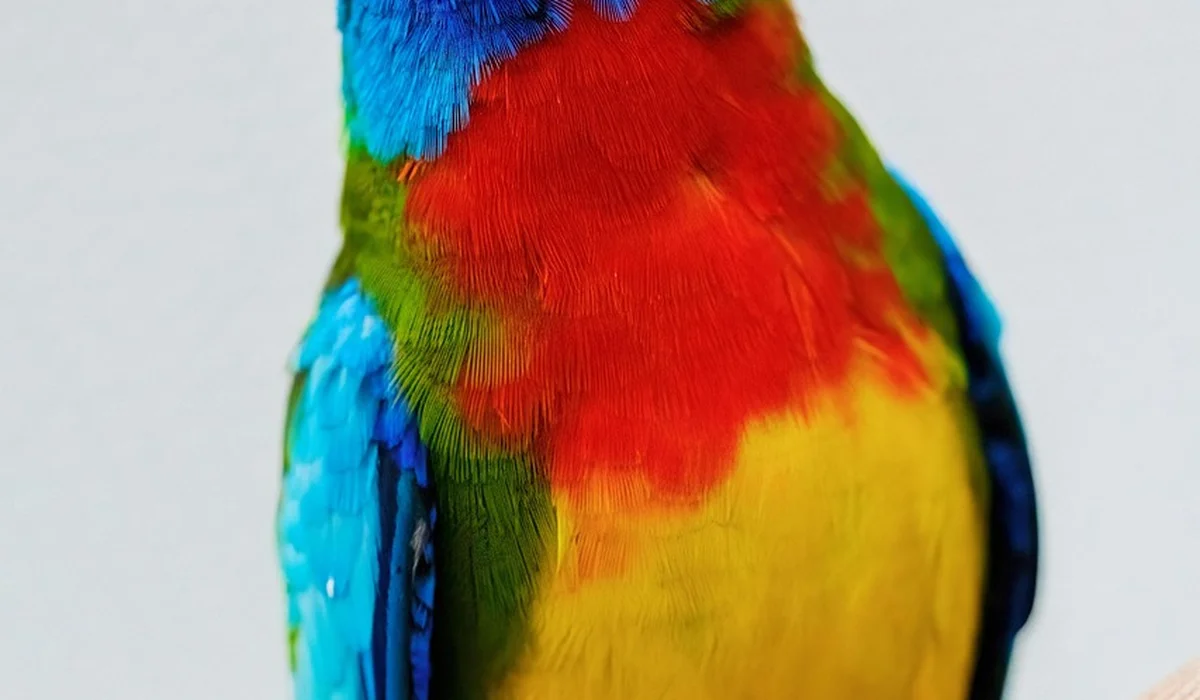
Spotting a joyful parrot feels like watching sunshine break through clouds-their whole being lights up. Look for playful antics like hanging upside down, tossing toys, or excitedly exploring new perches. A relaxed posture with smooth feathers, a gently bobbing head, and soft, content chirps signals pure bliss.
- Playful behavior: tossing bells, swinging, or playful “wrestling” with safe objects
- Relaxed posture: smooth feathers, one foot tucked up, slow blinking
- Affectionate actions: nuzzling your hand, offering food, or gentle beak nibbles
Parrots show love in beautifully tactile ways. My Green-cheeked Conure Kiwi preens my eyelashes every morning-her version of saying “you’re family.” They express affection through cuddling against your neck, mutual preening sessions, or mimicking your laughter to share joy.
- Provide rotating toys and foraging puzzles to stimulate their curious minds
- Schedule daily out-of-cage time for flying and exploration
- Offer healthy treat-sharing sessions to build trust through positive association
- Maintain consistent routines that create security and predictability
I’ll never forget when Kiwi first copied my laugh-a squeaky, delighted sound that made her fluff up and bounce. That moment proved parrots don’t just mimic sounds; they share emotional experiences.
Understanding Negative Emotions: Anger, Fear, and Depression
Parrots feel negative emotions as intensely as their joy. Sudden loud noises, unfamiliar people, or disrupted routines can trigger panic responses. To support calm, you can create steady, soft background sounds or predictable noise patterns to help your parrot manage household noise and reduce stress. A consistent sound environment helps parrots feel secure during routine changes. Even simple changes like moving furniture or new household smells can cause stress.
- Loud construction noises or vacuum cleaners
- Strangers approaching their cage too quickly
- Changes in feeding schedules or caregiver absence
- Introduction of new pets without proper introduction
Watch for clear body language warnings. Pinned eyes, raised neck feathers, and aggressive beak snapping scream “back off!” Fear shows through crouching, frantic flapping, or distress calls. My Sun Conure Sunny once shrieked for hours when I rearranged the room-their world had literally turned upside down.
Parrots absolutely experience depression. My African Grey Sage stopped talking and plucked feathers when I worked longer hours—a clear cry for help. That awareness led me to explore solutions for avian depression. Understanding the signs is the first step toward finding effective remedies. Signs include lethargy, loss of appetite, reduced vocalization, and repetitive behaviors like pacing.
- Move slowly and speak softly when approaching a stressed bird
- Cover three sides of their cage to create a safe corner during upheaval
- Maintain consistent daily routines for feeding and social time
- Provide mental stimulation with puzzle feeders and training sessions
- Consult an avian vet if behavior changes persist beyond three days
Creating a predictable environment with plenty of engagement prevents most emotional issues before they start. Remember-their emotional world is as complex as ours, just packaged in feathers.
How to Support Your Parrot’s Emotional Health
Your parrot’s emotional well-being is just as vital as their physical health. I’ve found that a mentally stimulated parrot is a happy parrot, and it dramatically reduces problem behaviors like screaming or feather-plucking.
Daily Enrichment for a Happy Mind
Boredom is a parrot’s worst enemy. In my home, we treat enrichment like a daily prescription for happiness.
- Rotate toys weekly to keep their environment novel and exciting.
- Introduce foraging puzzles where they have to work for their treats, mimicking natural behaviors.
- Offer a variety of destructible toys made from safe woods, cardboard, and paper.
- Schedule “out-of-cage” time for flying and exploration in a parrot-proofed room.
- Play different types of music or nature sounds to provide auditory stimulation.
Training with Positive Reinforcement
Training isn’t about commands; it’s a conversation that builds incredible trust.
- Keep sessions short, around 5-10 minutes, to match their attention span.
- Use their absolute favorite treat as a reward-for my conure Kiwi, it’s a tiny piece of pine nut.
- Start with simple tasks like “step-up” and celebrate every small success.
- Never punish; if they get it wrong, simply try again later. Fear has no place in training.
This positive approach transformed my relationship with Sage, my African Grey, who was initially very wary of hands.
Social Interaction and Bonding
Parrots are flock animals; your family is their flock. Quality interaction is key.
- Pet your parrot only on the head and neck, as stroking the back can be sexually stimulating and frustrating.
- Talk to them throughout the day, including them in your activities.
- Respect their mood. If they fluff up and lean in, they want a scratch. If they lean away or pin their eyes, give them space.
Advocating for Their Welfare
Caring for a parrot is a long-term commitment to their entire being.
A spacious cage, a nutrient-rich diet, and yearly check-ups with an avian vet are non-negotiable for their emotional and physical health. A stressed or sick parrot cannot be a happy one. I always look for certified avian vets who understand the unique needs of these complex creatures.
Building a Strong Bond: Affectionate Interactions with Your Parrot
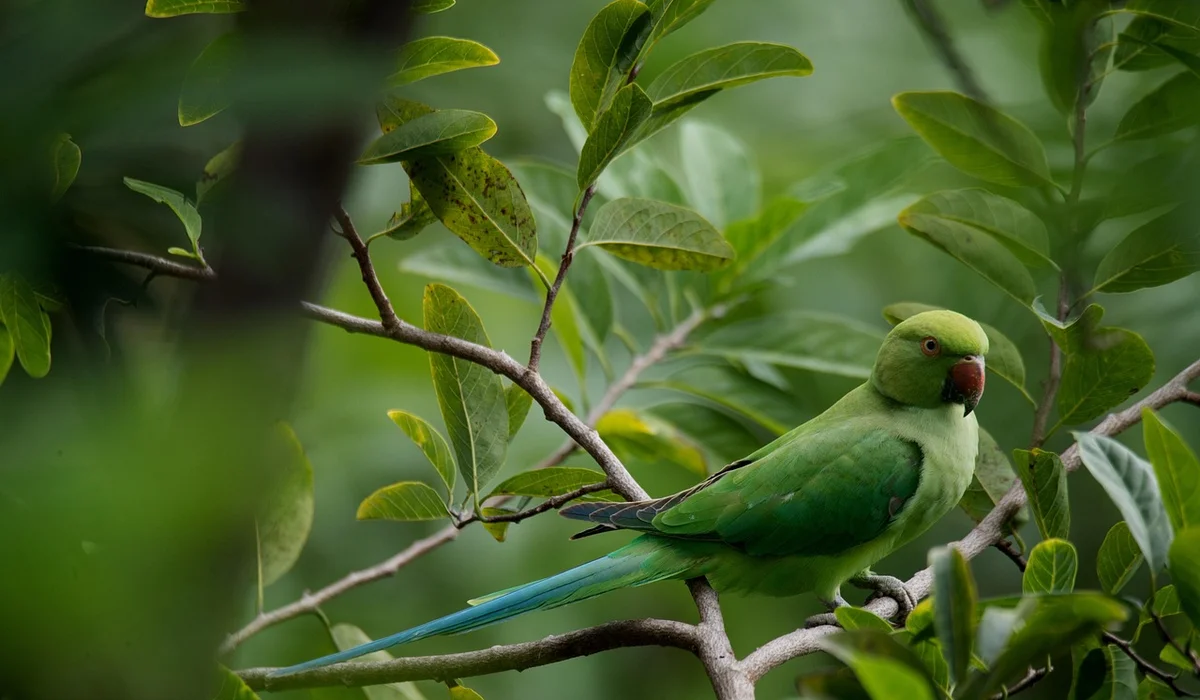
Earning a parrot’s trust is one of life’s most rewarding experiences. Affection must always be given on their terms, building a bond of mutual respect rather than forced contact. Try bonding techniques that work to build trust. Start with short daily sessions and slow rewards that match your parrot’s pace.
Safe Ways to Show Affection
From my years with parrots, I’ve learned that gentle, predictable actions speak volumes.
- Gentle head scratches are usually the biggest hit, especially right under the beak or around the ears.
- I taught Sunny, my Sun Conure, a “kiss” sound. He now gently taps my lips with his beak when he hears it-a sign of pure trust.
- Simply sitting near them while you read or watch TV makes them feel part of the flock.
- Share healthy snacks from your hand to build positive associations.
Dos and Don’ts of Physical Interaction
Knowing what not to do is just as important as knowing what to do.
- DO pay attention to their body language at all times.
- DO approach them from the front, not from above like a predator.
- DON’T force them to step up or be held if they are clearly resisting.
- DON’T pet them down their back or over their wings.
- DON’T allow them on your shoulder until you have a rock-solid bond and can read their mood perfectly.
Reading Your Parrot’s Comfort Level
Their body is a billboard for their feelings. Learning to read it is your superpower.
A content parrot will have relaxed, slightly fluffed feathers, soft eyes, and may gently grind their beak. Signs of stress or discomfort include flattened feathers, pinned eyes (rapidly contracting and expanding pupils), a crouched stance, or a raised foot in a defensive gesture. If you see these, back off immediately and try again later.
A Story of Bonding Through Consistency
When I first brought Sage home, he would sit silently in the back of his cage. He was a rehomed bird and clearly carried some emotional baggage. I didn’t push him. For weeks, I just sat by his cage, talking softly and offering treats. The day he finally took a millet spray from my hand, I felt a wave of joy I’ll never forget. That small act of trust was the foundation. Now, eight years later, he whistles when I enter the room and bobs his head for a scratch. That bond was built not by force, but by patience, consistency, and a whole lot of love.
Common Misconceptions About Parrot Emotions
Many well-meaning parrot owners accidentally misread their feathered friends by projecting very human ideas onto avian behavior. Learning to see the world through their eyes, not ours, is the first step to a stronger bond.
Myth vs. Reality: Guilt and “Smiles”
- Myth: Your parrot looks “guilty” when you find a chewed-up remote.
- Reality: That crouched, still posture isn’t guilt-it’s fear. They are reacting to your tone of voice and body language, anticipating a negative reaction. True guilt is a complex human social construct.
- Myth: A parrot is “smiling” when it grinds its beak.
- Reality: Beak grinding is a sign of a content, relaxed parrot, often done before sleep. It’s a comfort behavior, not an expression of happiness directed at you like a human smile.
How to Interpret Behaviors Accurately
Stop asking, “What would I be feeling?” and start asking, “What is this action communicating?” Context is your most powerful tool for understanding what your parrot is truly expressing.
- Look at their entire body. Are their feathers pinned? Pupils pinning? This often signals high arousal, which could be excitement or agitation.
- Consider the environment. Did a sudden noise happen? Did you just walk into the room?
- Learn their personal “baseline.” Every parrot has a unique personality. What is normal, calm behavior for yours?
Realistic Emotional Expressions from My Flock
Living with Kiwi, Sunny, and Sage has taught me to see the genuine articles of parrot emotion.
- Affection: My Green-cheek, Kiwi, will gently preen my eyebrows when he’s feeling bonded and calm. It’s a slow, deliberate action, totally different from his energetic play.
- Excitement/Joy: Sunny, my Sun Conure, does a specific “happy dance” with bobbing and wing flutters when I bring out his favorite spray millet. It’s an unmistakeable burst of pure enthusiasm.
- Contentment: My African Grey, Sage, will sit on his perch, softly muttering and clicking to himself with relaxed, fluffed feathers. This is his version of a peaceful, easy feeling.
The Art of Observation and Patience
You won’t learn your parrot’s language in a day. I keep a simple journal noting behaviors and their triggers, which has been invaluable for spotting patterns over time. Watch them when they think you aren’t looking. See how they interact with their environment solo. This patience reveals their authentic selves, free from our interpretations. The deepest understanding comes from quiet consistency, not frantic guesswork. By turning these insights into a routine training plan, you can address common issues with regular, positive reinforcement. A short daily training session helps redirect behaviors and build trust.
FAQs
Can parrots be registered as emotional support animals?
Yes, parrots can qualify as emotional support animals if a licensed mental health professional deems them necessary for your well-being. However, they do not have the same public access rights as service animals and are primarily for home-based emotional comfort.
What does training a parrot as an emotional support animal involve?
Training focuses on socialization, basic obedience, and reinforcing calm behaviors that provide emotional stability. It often includes desensitization to stressors and positive reinforcement techniques to ensure the parrot remains reliable in supportive roles.
How much does it typically cost to train a parrot as an emotional support animal?
Costs can range from $200 to $1,000 or more, depending on the trainer’s expertise and the parrot’s individual needs. Additional expenses may include supplies and follow-up sessions to maintain training effectiveness. Also factor in parrot cage setup costs as part of an essential equipment budgeting guide. This helps ensure you have the cage, perches, toys, feeders, and cleaning supplies ready for training and daily care.
Closing Thoughts
Your parrot’s laughter, anger, and affection are real, and learning to read these emotional signals is the foundation of your bond. Pay close attention to their body language and vocalizations, and always respond with patience and kindness, just as I do when my Green-cheeked Conure, Kiwi, gets playful or my Sun Conure, Sunny, demands affection. To tell if your parrot is happy, learn to watch the 10 key signs—relaxed posture, bright eyes, and friendly vocalizations among them. I’ll walk you through those 10 signs so you can read your bird’s happiness at a glance.
Caring for a parrot is a lifelong journey of learning and adaptation, a commitment to their complex physical and emotional welfare. Keep observing, keep researching, and let your love for your feathered friend, whether they’re as clever as my African Grey, Sage, or as social as Sunny, guide you toward being the best guardian you can be.
Further Reading & Sources
- Do Parrots Have Emotions?
- Do Parrots Have Emotions? – Parrot Website
- Can parrots sense emotions? – Quora
Suzanne Levine is a dedicated parrot enthusiast and experienced avian caregiver with over 15 years of hands-on experience in parrot care. As the founder of Parrot Care Central, Suzanne is passionate about sharing her knowledge and insights to help fellow parrot owners provide the best possible care for their feathered friends. Her expertise spans nutrition, behavior, health, and enrichment, making her a trusted resource in the parrot care community.
Socialization