
Parrot Noise in Apartments: Your Guide to Peaceful Living
Does the thought of your parrot’s cheerful squawks turning into neighbor complaints keep you up at night?
I’ve been there with my own flock-Kiwi’s playful chirps and Sunny’s loud greetings-so I know that mix of love and worry. Let me share what works to keep everyone happy.
We’ll tackle this step by step with three key focuses:
- Understanding why your parrot makes noise and how to redirect it
- Practical, easy training tricks to lower the volume
- Simple ways to talk with neighbors and prevent issues
You’ll walk away with clear, doable advice that respects your bird’s needs and your home. To help you implement them, our building parrot safe bird room complete design guide provides a step-by-step room plan. It covers layout, materials, and safety checks to turn these ideas into a safe, bird-friendly space. Topics covered include: parrot behavior basics, noise-reduction training, neighbor communication, apartment rules, and creating a calm environment
Why Parrots Make Noise and What’s Normal
Parrots vocalize for many reasons, and it’s a natural part of their behavior. My Green-cheeked Conure, Kiwi, chatters loudly when he’s curious or wants to play, showing how noise connects to their daily lives. Understanding this helps you respond with care instead of frustration.
Common reasons for parrot noise include communication, expressing joy, or calling out to their flock. Sunny, my Sun Conure, lets out cheerful squawks when she spots me, which is her way of saying hello and staying connected. This social bonding is key to their well-being.
Normal noise levels vary, but expect morning calls, soft chirps during play, and occasional loud bursts. If Sage, my African Grey, stays quiet for too long, I check on him because silence can signal stress in such intelligent birds. Recognizing these patterns prevents misunderstandings with neighbors.
- Communication: Parrots use sounds to interact, much like people talk.
- Emotional expression: Happy squawks or content murmurs show their mood.
- Environmental triggers: Noises from outside or new sights can spark excitement.
What’s not normal includes constant, high-pitched screaming or signs of distress. When Kiwi gets overly noisy, I look for causes like boredom or lack of stimulation, and I adjust his toys or routine to calm him. Addressing these issues early supports animal welfare and keeps peace in your home.
Checking Your Lease and Apartment Policies on Pets
Before bringing a parrot home, review your lease agreement carefully to avoid surprises. I learned this the hard way when I almost overlooked a noise clause that could have affected my ability to keep Sunny in my apartment. A thorough check saves you from potential conflicts and ensures your pet’s safety.
Look for specific sections on pets, including allowed species, noise restrictions, and required deposits. Many leases list “quiet hours” or limits on animal types, so highlight any mentions of birds or general pet rules. This proactive step helps you advocate for your parrot responsibly.
- Read the entire lease document, focusing on pet-related terms.
- Note any fees, insurance requirements, or penalties for violations.
- Discuss unclear points with your landlord or property manager in writing.
If policies seem restrictive, explore options like providing references or noise management plans. In my case, sharing how I train Sage to reduce noise helped reassure my landlord and built trust over time. Always prioritize your parrot’s needs while respecting community guidelines.
Opening the Conversation with Neighbors About Bird Sounds
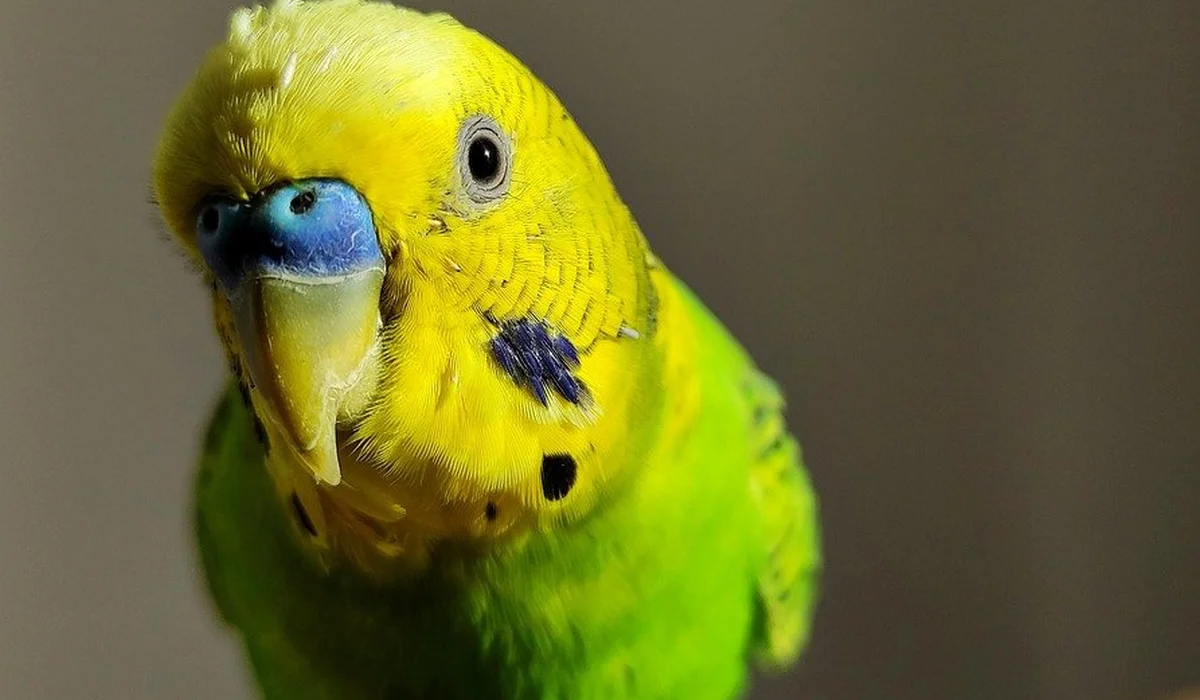
Before Bringing a Parrot Home
Start by chatting with your neighbors early to build trust and set clear expectations. I always make it a point to share my plans openly, like when I introduced Kiwi to my apartment community. This approach helps prevent surprises and shows you respect their peace.
Explain what typical parrot sounds involve, using simple terms. Mentioning that birds like Sunny might chirp loudly at sunrise can prepare others for natural behaviors. Offer to share updates or adjust if needed, fostering a cooperative vibe from day one.
- Schedule a friendly meet-up or leave a note to discuss your new feathered friend.
- Highlight the bird’s routine, such as quiet times and active periods, to manage expectations.
- Provide your contact info for any concerns, making it easy for neighbors to reach out.
When Noise Issues Arise
If a complaint pops up, stay calm and listen carefully to your neighbor’s perspective. I once had a neighbor mention Sage’s vocalizations, and addressing it promptly smoothed things over. Apologize sincerely and explain your bird’s needs without making excuses.
Work together on solutions, like adjusting playtimes or sound levels. Offering small gestures, such as sharing when your parrot is usually quiet, can ease tensions. Keep the dialogue open to find a balance that respects both your pet and the community.
- Acknowledge the concern and thank them for bringing it to your attention.
- Discuss specific times the noise occurs and brainstorm quiet hours.
- Follow up after making changes to ensure the situation improves.
Practical Ways to Reduce Parrot Noise in Your Space
Training Your Parrot for Quieter Moments
Use positive reinforcement to teach your parrot when to tone it down. With Kiwi, I reward calm behavior with treats, which has cut down on unnecessary squawks. Focus on short, consistent sessions to avoid overwhelming your bird.
Identify triggers for loud noises, like boredom or excitement, and address them directly. Training parrots like Sunny to respond to quiet cues has made our apartment life much smoother. If your parrot seems bored, it’s a sign to boost enrichment. I help by introducing new toys, foraging activities, and varied daily routines to keep them engaged. Patience is key—celebrate small wins to keep progress steady.
- Practice “quiet” commands during low-stress times, using a gentle voice.
- Introduce clicker training to mark and reward silent moments effectively.
- Rotate training activities to maintain engagement without frustration.
Smart Cage Placement and Soundproofing Tricks
Choosing the Best Spot for Your Bird’s Home
Place the cage in areas with less foot traffic and away from shared walls. I positioned Sage’s cage in a corner facing inward, which muffled sounds and reduced complaints. Avoid spots near windows or doors where outside noise might agitate your parrot. To keep Sage’s environment clean and safe, follow our complete guide on cleaning your parrot’s habitat. It covers safe cleaning routines and bird-safe products.
Consider the room’s acoustics-soft surfaces like rugs and curtains absorb sound better. Simple adjustments, like moving the cage a few feet, can make a big difference in noise levels. Test different locations to find what keeps your bird and neighbors happiest.
- Opt for interior rooms instead of those adjacent to neighboring units.
- Use furniture or bookshelves as barriers to block sound transmission.
- Ensure the spot has good light and ventilation for your parrot’s health.
Easy Enrichment to Keep Parrots Calm
Provide toys and puzzles to keep your parrot mentally stimulated and less noisy. Sunny loves foraging toys that distract her from loud outbursts during the day. Rotate items regularly to prevent boredom and encourage quiet play.
Incorporate natural elements, like branches or safe plants, to mimic their wild habitat. Enrichment activities have helped Kiwi stay content and vocalize less frequently out of frustration. This approach supports animal welfare by meeting their instinctual needs.
- Offer shreddable toys or puzzle feeders to engage their curiosity.
- Schedule interactive playtimes to burn off energy in a controlled way.
- Play soft music or nature sounds to create a soothing background environment.
Responding to Formal Complaints and Legal Matters
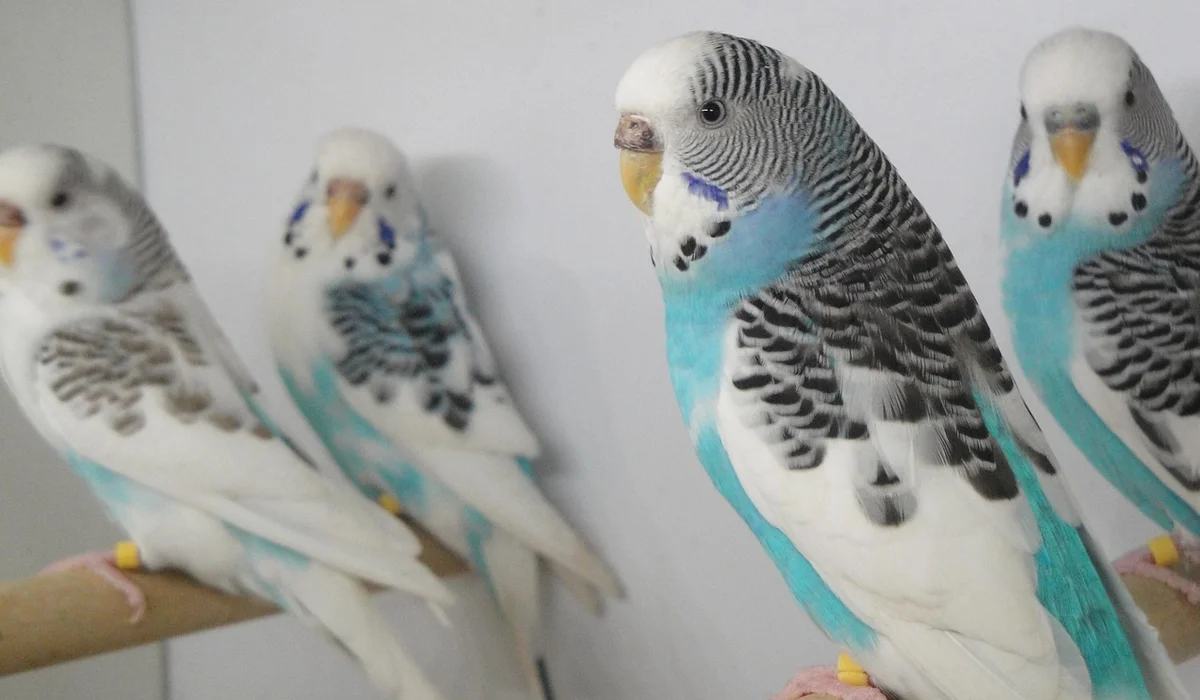
Getting that first official notice from your landlord or property manager can send a chill down your spine. Your first move should always be to open a calm, professional dialogue with the person who sent the complaint. I’ve been there with my Green-cheeked Conure, Kiwi; taking a defensive stance only makes things worse.
Gather your documentation before you respond. You’ll need it.
- A letter from your vet confirming your parrot is healthy and well-cared-for.
- Your noise log, showing the times your bird is typically vocal.
- Any positive references from understanding neighbors.
- A copy of your lease agreement, highlighting any relevant pet clauses.
Understand your rights as a tenant. Many areas have laws protecting emotional support animals, even in “no-pet” buildings. Formally request a reasonable accommodation if your parrot provides genuine therapeutic benefit for a diagnosed condition. This process requires official paperwork, so be prepared. In a multi-pet home, safety and gradual introductions are essential. A practical guide can help parrots cohabit with other pets through supervised interaction and enrichment.
If the situation escalates, consider professional mediation. A neutral third party can help you and your landlord find a workable compromise that keeps both you and your feathered family member in your home.
Keeping Your Parrot Happy and Healthy in Close Quarters
A bored parrot is a loud parrot. It’s that simple. In an apartment, you must be more intentional about their environment. Enrichment is not a luxury; it’s a necessity for their mental well-being and your peace. My African Grey, Sage, thrives on a routine that keeps his intelligent mind occupied.
Rotate their toys frequently to prevent boredom. I swap out toys for Kiwi and Sunny every Sunday.
- Foraging Toys: Hide their favorite treats inside puzzle boxes or wrapped in paper. This mimics natural behavior.
- Destructible Toys: Cardboard, softwood, and palm leaf shredders satisfy that innate need to chew.
- Noise-Appropriate Toys: Avoid loud bells or clanky metal. Opt for crinkly paper and quiet chewables.
Training is your secret weapon. Spending just 10-15 minutes a day on trick training or recall exercises provides massive mental stimulation. A tired brain is a quiet beak, and training builds a bond that reduces anxiety-based screaming. My sun conure, Sunny, learned to wave, and that focus dramatically cut down her random squawking.
Never underestimate the power of a proper sleep schedule. Parrots need 10-12 hours of uninterrupted darkness. Use a dark, breathable cage cover to signal “bedtime,” which helps regulate their hormones and prevents early-morning wake-up calls. Science shows that parrots experience REM sleep, and rest plays a key role in mood and learning. Keeping a dark, consistent night minimizes night frights and supports true, restorative rest. This one change made the biggest difference in my apartment life.
Create a “safe space” away from main living areas. If possible, position the cage in a spot where your parrot can see family activity without being in the direct path of foot traffic. This gives them a sense of security. For maximum enrichment, equip the cage with varied perches, safe toys, and foraging opportunities. Rotate toys regularly to keep your parrot mentally stimulated. And remember, a happy parrot who feels part of the flock is far less likely to scream for attention. Include them in your daily routines, even if it’s just having them on a play stand while you cook dinner.
Finally, ensure they get safe outdoor time. Using a properly fitted flight harness, I take my parrots outside for fresh air and sunlight. This change of scenery and sensory experience is incredibly enriching and can significantly reduce pent-up energy that leads to noise. It’s a win for their welfare and your neighborly relations. Indoors, create a safe, stimulating indoor flight environment for your parrot in a clear, high-ceiling room. Use sturdy perches, soft flooring, and engaging toys to encourage supervised flights.
FAQs
What legal rights do I have as a parrot owner in an apartment?
Review local tenant laws and housing regulations, as some areas offer protections for pet owners under certain conditions. Always document your efforts to manage noise and communicate with your landlord to support your case if disputes arise.
How can I quickly calm my parrot if it’s being too loud?
Cover the cage partially or play soft background music to create a soothing environment and reduce immediate noise. Distract your parrot with a favorite toy or treat to redirect their attention and encourage quieter behavior. Consider adding safe, homemade toys to the mix—crafted from bird-safe materials like untreated wood, paper, or cardboard. Rotating these DIY toys can keep your parrot engaged and support safer play.
What are the best ways to socialize my parrot to prevent noise issues?
Gradually expose your parrot to varied, positive interactions with people and new settings to build their confidence and reduce stress-related vocalizations. Consistent, gentle handling and supervised playdates can help them feel more secure and less likely to call out anxiously. Integrate positive reinforcement training for parrots by rewarding calm, cooperative behavior with treats or praise. This approach reinforces desired actions and deepens your bond while reducing stress.
Final Words
From my own flock, like Kiwi’s playful chirps and Sage’s calm demeanor, I’ve seen that managing noise starts with training, enrichment, and open chats with neighbors. Consistent routines and puzzle toys can turn loud squawks into happy, quieter moments for everyone. It’s all about creating a peaceful space where your parrot feels secure and less likely to vocalize stress. By tuning into your parrot’s cues and guiding their vocalizations, you can manage household noise and reduce stress for everyone.
Owning a parrot is a lifelong journey of care and respect for their needs, so keep exploring resources and connecting with other bird lovers. Every day offers a chance to deepen your bond and ensure your feathered friend thrives in your home. I always remind myself that responsible ownership means putting their welfare first and growing together.
Further Reading & Sources
- How Pet Parrots Started a War Inside an NYC Apartment Building – The New York Times
- 8 Great Parrots for Apartments: Info, Pictures & History | Hepper Pet Resources
- Proven Tips for Apartment living with Pet Parrots
Suzanne Levine is a dedicated parrot enthusiast and experienced avian caregiver with over 15 years of hands-on experience in parrot care. As the founder of Parrot Care Central, Suzanne is passionate about sharing her knowledge and insights to help fellow parrot owners provide the best possible care for their feathered friends. Her expertise spans nutrition, behavior, health, and enrichment, making her a trusted resource in the parrot care community.
Housing