
Are Parrots Descendants of Dinosaurs? The Fascinating Link Explained
Published on: July 19, 2026 | Last Updated: July 19, 2026
Written By: Suzanne Levine
Have you ever watched your parrot’s sharp movements and wondered if they’re living relics from the age of dinosaurs? Many bird lovers feel a mix of curiosity and concern about their pet’s ancient ties, but I’m here to clear things up with facts and personal stories.
As someone who’s shared my home with parrots like Kiwi and Sage, I’ve seen behaviors that echo a distant past, and I’ll guide you through the evidence step by step.
You’ll walk away with a solid grasp of how science connects parrots to dinosaurs, including these key points:
- Fossil discoveries that trace bird origins back to theropod dinosaurs.
- Genetic markers in parrot DNA that reveal shared ancestry.
- Behavioral traits, like nesting and foraging, that mirror dinosaur instincts.
Rest easy—this article breaks it all down into simple, actionable insights. Topics covered include: fossil evidence, DNA comparisons, evolutionary history, and caring for parrots with their dinosaur heritage in mind. We’ll also compare parrots’ intelligence with that of other animals, exploring memory, problem-solving, and communication. By putting cognitive traits side by side, you can see where parrots excel and where they differ.
Birds as Modern Dinosaurs: The Big Picture
Every time I watch my Green-cheeked Conure, Kiwi, shred a toy with her powerful beak, I’m reminded that she isn’t just a pet; she’s a living, breathing dinosaur. All birds, from the tiniest hummingbird to the largest parrot, are scientifically classified as avian dinosaurs. This isn’t a wild theory; it’s the established consensus based on mountains of evidence.
Think of it like a family tree. The mighty Tyrannosaurus rex and the humble chicken are distant cousins, both belonging to the same grand group. Your parrot’s feathers are the direct descendants of dinosaur plumage, and their light, air-filled bones are a design perfected over millions of years. That familiar skeleton structure is a direct inheritance from their prehistoric ancestors.
- Shared Traits with Theropods: Parrots share specific features with theropod dinosaurs like Velociraptors, including a wishbone, three-toed feet, and the way they nest and care for their young.
- Fossil Records: Incredible fossils from China and elsewhere show clear, detailed impressions of feathers on various dinosaur species, creating an unbroken visual link.
- Evolutionary Biology: Genetic and anatomical studies consistently place birds firmly within the dinosaur family tree, confirming their lineage.
The Evolutionary Journey: From Theropods to Feathered Friends
The path from a ground-dwelling predator to your chatty companion is a fascinating story of adaptation. It began with small, feathered theropods during the Jurassic period. These feathers weren’t for flight at first; they likely provided insulation or were used for display. Flight itself probably started with gliding from trees or leaping to catch prey, a behavior you might see in your own parrot’s playful antics.
Through the Cretaceous period, these creatures refined their flight abilities and began to diversify. The development of a beak without teeth was a major evolutionary leap, creating a lighter, more efficient tool for a variety of diets. This transition paved the way for the incredible variety of beak shapes we see in parrots today, perfectly suited for cracking nuts or delicately preening feathers. In modern parrots, rapid feather regrowth and sturdy beaks illustrate how avian regeneration supports their diverse lifestyles. These insights help scientists understand the broader mechanisms of avian regeneration.
Here is a simplified look at the key steps that led to the parrots we know and love:
- Small Theropod Dinosaurs: Fast, bipedal, and feathered hunters of the Jurassic.
- Development of Flight Feathers: Arms evolved into wings capable of powered flight.
- Toothless Beaks: The heavy, toothed jaw was replaced by a lightweight, versatile beak.
- Rise of Modern Birds: After the dinosaur extinction event, birds diversified rapidly.
- Parrot-Specific Adaptations: Evolution crafted strong, curved beaks for hard foods, zygodactyl feet (two toes forward, two back) for superior gripping, and advanced intelligence for complex social flocks.
Fossil Clues: What Ancient Remains Reveal About Parrots
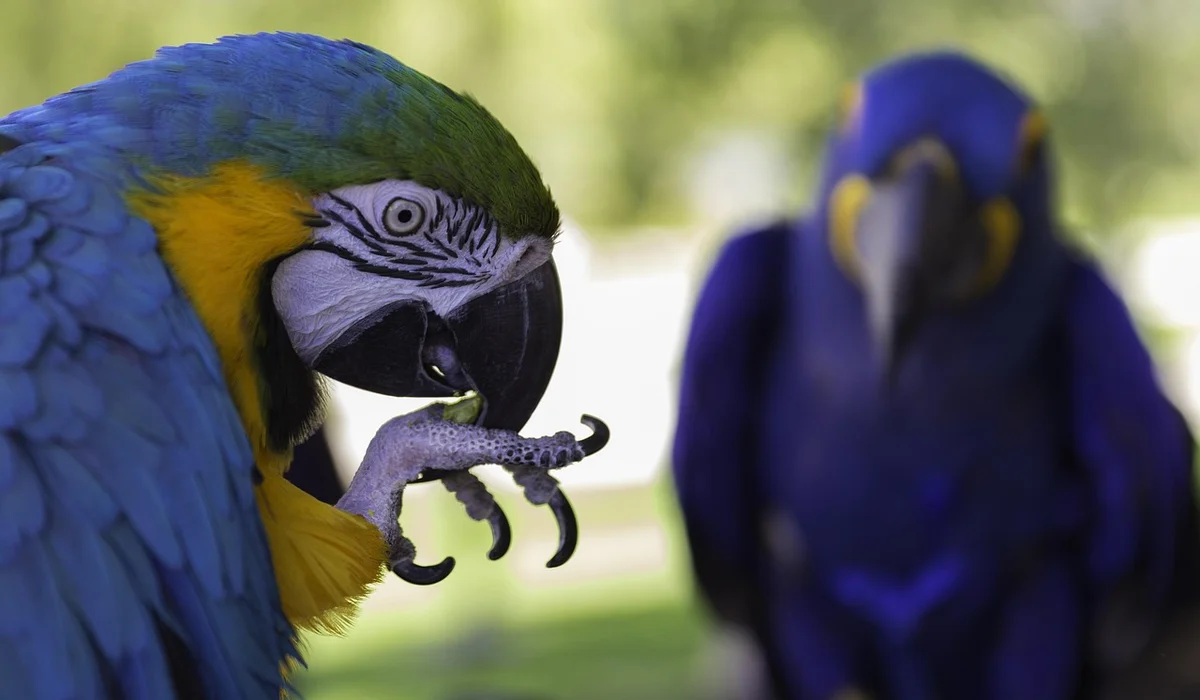
When I first held a fossil cast of Archaeopteryx, it felt like bridging millions of years-this ancient creature, with its mix of bird and dinosaur traits, shows how parrots and other birds trace back to feathered theropods. Fossils like Archaeopteryx reveal that birds, including parrots, share a common ancestor with small, feathered dinosaurs, highlighting evolutionary links through preserved feathers and skeletal structures. In my years caring for parrots like Kiwi, I’ve seen how their playful antics might echo behaviors from these ancient times, making fossil finds feel surprisingly personal.
- Archaeopteryx: Often called the “first bird,” this fossil from the Late Jurassic period displays feathers and a wishbone, traits parrots inherited from dinosaur ancestors.
- Messelasturidae: Early Eocene fossils from Germany show parrot-like features, suggesting psittaciformes began diversifying over 50 million years ago.
- Strigops habroptilus (kakapo) fossils: These remains from New Zealand illustrate how parrots adapted to island life, with robust beaks similar to those in my African Grey, Sage.
Examining these fossils, I’m struck by how parrot evolution mirrors broader bird history—feathers and lightweight bones in fossils support that parrots descended from dinosaurs. Fossil evidence, like imprints of feathers and fused bones, directly ties parrots to theropod dinosaurs, reinforcing their place in the dinosaur family tree. Extinction has touched parrots too, driven by habitat loss, hunting, and introduced species. The fossil record helps explain why some extinct parrot species disappeared. It’s a reminder that every time Sunny, my Sun Conure, fluffs her vibrant feathers, she’s showcasing a legacy that dates back to prehistoric eras.
Are Parrots Raptors? Busting Common Myths
Many people ask if parrots are like raptors, such as dromaeosaurs, but the truth lies in evolutionary splits—raptors were fierce predators, while parrots evolved on a separate branch as intelligent, social birds. Parrots are not raptors; they belong to the avian dinosaur group, whereas raptors like Velociraptor are non-avian theropods with distinct anatomical and behavioral differences. Parrots are vertebrates—birds constitute a distinct class within the vertebrates, separate from mammals and reptiles. That helps explain why parrots aren’t mammals or reptiles. From watching Kiwi’s curious pecking, I’ve learned that similarities can be misleading, often due to convergent evolution rather than direct lineage.
| Aspect | Raptors (e.g., Dromaeosaurs) | Parrots |
|---|---|---|
| Anatomy | Sharp teeth, sickle claws, long tails for balance | Toothless beaks, zygodactyl feet, lightweight skeletons |
| Behavior | Predatory, solitary hunters | Omnivorous, social flock animals |
| Evolutionary Branch | Non-avian dinosaurs, extinct | Avian dinosaurs, living descendants |
Convergent evolution explains why parrots might seem raptor-like—for instance, both have strong grips, but parrots use theirs for climbing and playing, not hunting. Traits like hooked beaks in parrots and raptors evolved independently for different purposes, such as cracking nuts versus tearing prey, showing how nature repurposes features across species. In my home, Sage’s calm intelligence feels worlds apart from a raptor’s aggression, yet it’s fascinating how evolution crafts similar tools for diverse lives. In the wild, those traits are shaped by survival pressures—gripping branches to escape predators, cracking seeds, and maneuvering through varied habitats. Wild parrot survival behavior also relies on flocking, vocal signaling, and problem-solving for foraging to navigate seasonal challenges.
Parrot-Specific Evolution: The Rise of Psittaciformes
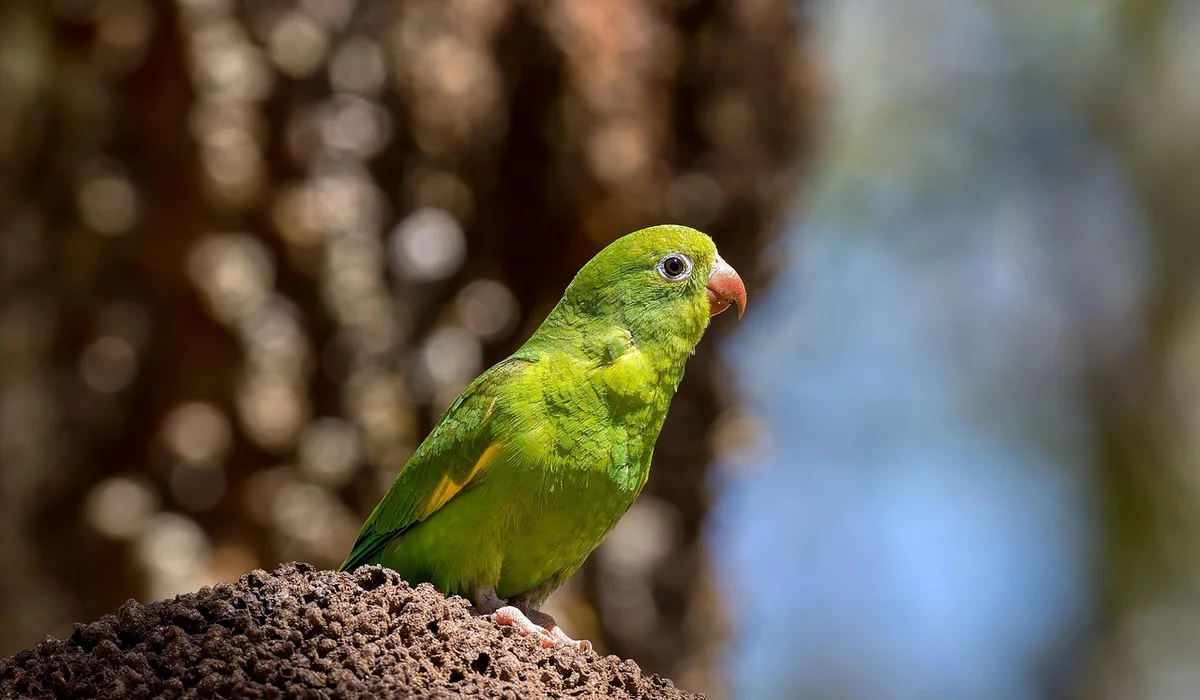
When the asteroid hit, wiping out most dinosaurs, the ancestors of our parrots seized the moment. This catastrophic event triggered an explosion of diversity called adaptive radiation, where surviving species rapidly filled empty ecological niches. Parrots diversified into the vibrant Psittaciformes order we know today. Color mutations, involving pigments and feather structure, produced much of this rainbow plumage. Studying these color mutations helps explain why parrots are so colorful.
Their dinosaur heritage equipped them with a fantastic toolkit for survival. That powerful beak? A direct upgrade from dinosaur jaw strength, perfect for cracking the hardest nuts. Their complex vocalizations aren’t just mimicry; they are a sophisticated communication system rooted in deep evolutionary history. The problem-solving intelligence I see in my African Grey, Sage, feels like a direct link to the clever theropods of the past.
Key Evolutionary Steps
- Mesozoic Emergence: The first parrot-like birds appeared, sharing the world with late dinosaurs.
- Post-Apocalypse Diversification: After the end-Cretaceous extinction, they exploded into new forms and habitats.
- Modern Refinements: Development of specialized beaks, zygodactyl feet (two toes forward, two back), and advanced social brains.
Connecting Dinosaur Heritage to Your Pet Parrot’s Care
Understanding this ancient lineage completely changed how I interact with my flock. That stubborn, independent streak in my Green-cheeked Conure, Kiwi? It’s not defiance; it’s the spirit of a resilient survivor. Seeing your parrot as a tiny dinosaur transforms frustration into fascination and deepens your respect for their innate needs.
I remember trying to teach Sunny, my Sun Conure, a simple trick. He wasn’t just learning; he was using the same cognitive muscles his ancestors used to navigate a complex, dangerous world. This perspective shift is powerful for their welfare. It means we stop trying to force them into a domesticated box and start honoring their wild, intelligent hearts.
Dinosaur-Inspired Care Tips
Here’s how I apply these evolutionary insights to daily care for Kiwi, Sunny, and Sage.
- Fuel Their Foraging Instinct: Hide food in puzzle toys. This engages their problem-solving intelligence, a direct trait from their clever ancestors.
- Honor Their Social Flock Nature: Parrots are not solitary creatures. Spend quality time interacting with them daily. Their mental health depends on it.
- Provide Robust Chewing Opportunities: Offer bird-safe wood and destructible toys. That powerful beak needs a job, just like it did millions of years ago.
- Engage Their “Dinosaur Brains”: Train with positive reinforcement. This mental stimulation is as crucial as food and water for a creature of their cognitive caliber.
Common Questions
How does my parrot’s dinosaur ancestry affect its behavior?
Many instinctual behaviors, like chewing and foraging, are driven by their ancient heritage. Providing outlets for these instincts, such as puzzle toys, helps satisfy their natural drives.
Does this link to dinosaurs mean my parrot is more intelligent?
Yes, the problem-solving intelligence seen in parrots is a trait inherited from their clever theropod ancestors. This is why mental stimulation through training and enrichment is so crucial for their well-being. Cognitive enrichment—using 10 brain games—helps keep their minds active. A routine of 10 brain games can keep your bird sharp.
Why is my parrot’s beak so powerful if it doesn’t hunt prey?
That powerful beak evolved from dinosaur jaws and is perfectly adapted for a parrot’s diet, such as cracking hard nuts and seeds. It is a versatile tool for climbing, manipulating objects, and preening, not for predation. Do different parrot beak behaviors mean different diets or tasks? Studying beak use helps reveal how shape relates to function across species.
Closing the Loop
From my time with Kiwi, my playful Green-cheeked Conure, I’ve seen how their dinosaur roots shine through in their curious behaviors and need for mental stimulation. Providing varied toys and a diet rich in fresh foods helps satisfy those ancient instincts and keeps your parrot thriving. Understanding this deep connection empowers you to create a home that honors their wild heritage.
Owning a parrot like Sunny, my affectionate Sun Conure, is a lifelong journey of learning and commitment. Always advocate for your bird’s well-being by staying informed and adapting your care as new insights emerge. Since conures are parrots, their care can vary by species, and knowing these differences helps tailor daily routines. Do conures understand conure species-specific care? Embrace the joy of discovery and ensure your feathered friend lives a full, vibrant life with you.
Further Reading & Sources
- r/parrots on Reddit: I understand why birds are descended from dinosaurs, now.
- Origin of birds – Wikipedia
- Are Parrots Related to Dinosaurs?
Suzanne Levine is a dedicated parrot enthusiast and experienced avian caregiver with over 15 years of hands-on experience in parrot care. As the founder of Parrot Care Central, Suzanne is passionate about sharing her knowledge and insights to help fellow parrot owners provide the best possible care for their feathered friends. Her expertise spans nutrition, behavior, health, and enrichment, making her a trusted resource in the parrot care community.
African Grey Parrots