
Are Parrots Native to Hawaii? The Simple Answer
You might be spotting colorful parrots in Hawaii and wondering if they belong there naturally or if they’re causing problems for the island’s unique wildlife.
I’ve owned parrots like Kiwi and Sunny for years, and my curiosity about their origins led me to dig into this topic-so I’ll guide you through the essentials with clear, firsthand insights.
Here are the key takeaways you can count on:
- Parrots aren’t native to Hawaii; they arrived through human activity.
- Introduced species can disrupt local ecosystems and native birds.
- Understanding their impact helps promote animal welfare and conservation.
You’ll walk away with practical knowledge that’s easy to grasp.
We’ll cover: native Hawaiian birds, how parrots got to the islands, their ecological effects, and ways to support wildlife protection.
Unpacking Hawaii’s Parrot Puzzle: Native or Not?
What Parrots Called Hawaii Home Long Ago?
You might picture vibrant parrots soaring over Hawaii’s lush landscapes, but the truth is surprising. Hawaii never had any native parrot species calling it home throughout its history. Fossil records and biological studies confirm that parrots, like my playful Kiwi from South America, simply didn’t evolve or naturally settle on the islands. I’ve cared for parrots for years, and their origins trace back to continents far from Hawaii’s shores. This absence makes Hawaii unique among tropical paradises, where parrots are often staples. Instead, the islands developed their own incredible birdlife without a single parrot in the mix. If you’re curious about where parrots are found in other countries, they thrive across many tropical and subtropical regions—from Brazil and Costa Rica to Indonesia and Australia. In those places, parrots are celebrated as colorful staples of local ecosystems.
Where Did These Native Birds Thrive?
Since parrots weren’t part of Hawaii’s native fauna, let’s explore where other indigenous birds flourished. Hawaii’s native birds, like the colorful honeycreepers, thrived in diverse ecosystems across the islands. They adapted to everything from dense rainforests to high-altitude shrublands. Parrots, too, commonly inhabit rainforest habitats around the world. In these forests, tall trees provide nesting hollows and a bounty of fruits and seeds that sustain their communities. In my experience with Sage, my African Grey, I’ve seen how birds excel in specific habitats—Hawaii’s natives did the same without competition from parrots. These birds filled ecological roles that parrots might have, showcasing nature’s creativity in isolation. Their success stories highlight how environments shape unique wildlife communities.
- Forest canopies: Home to birds like the ‘I’iwi, which pollinated native flowers.
- Coastal areas: Supported species adapted to sea-level conditions.
- Mountain slopes: Hosted birds that evolved in cooler, misty climates.
The Vanishing Act: Why Native Parrots Disappeared
Human Influence and Habitat Changes
Human arrival in Hawaii triggered massive changes that impacted all native birds, even though parrots weren’t among them. Deforestation for agriculture and urban sprawl erased critical habitats in just centuries. I’ve witnessed how habitat loss affects pets-imagine the toll on wild populations. As an animal welfare advocate, I stress that protecting remaining habitats is crucial to prevent further declines. Early settlers cleared vast forests, disrupting food sources and nesting sites for native species. This human footprint shows how quickly ecosystems can unravel without careful stewardship.
- Land clearing for farming reduced forest cover dramatically.
- Introduction of non-native plants outcompeted native flora.
- Urban development fragmented habitats, isolating bird populations.
Predators and Diseases That Took a Toll
Introduced predators and diseases delivered a heavy blow to Hawaii’s native birds, mirroring threats that could have affected parrots if they were present. Rats, cats, and mosquitoes carrying avian malaria decimated bird numbers over time. Caring for Sunny, my social Sun Conure, taught me how vulnerable birds are to new illnesses. These invaders exploited native birds’ lack of immunity, leading to rapid population crashes. The spread of diseases like pox and malaria, brought by non-native species, created a perfect storm of decline. It’s a stark reminder of why biosecurity matters in pet care and conservation alike.
- Rats: Preyed on eggs and chicks, reducing breeding success.
- Mosquitoes: Transmitted deadly diseases to birds with no prior exposure.
- Feral animals: Disrupted nesting behaviors and food chains.
Today’s Feathery Residents: Non-Native and Feral Parrots
How Did These Birds Arrive in Hawaii?
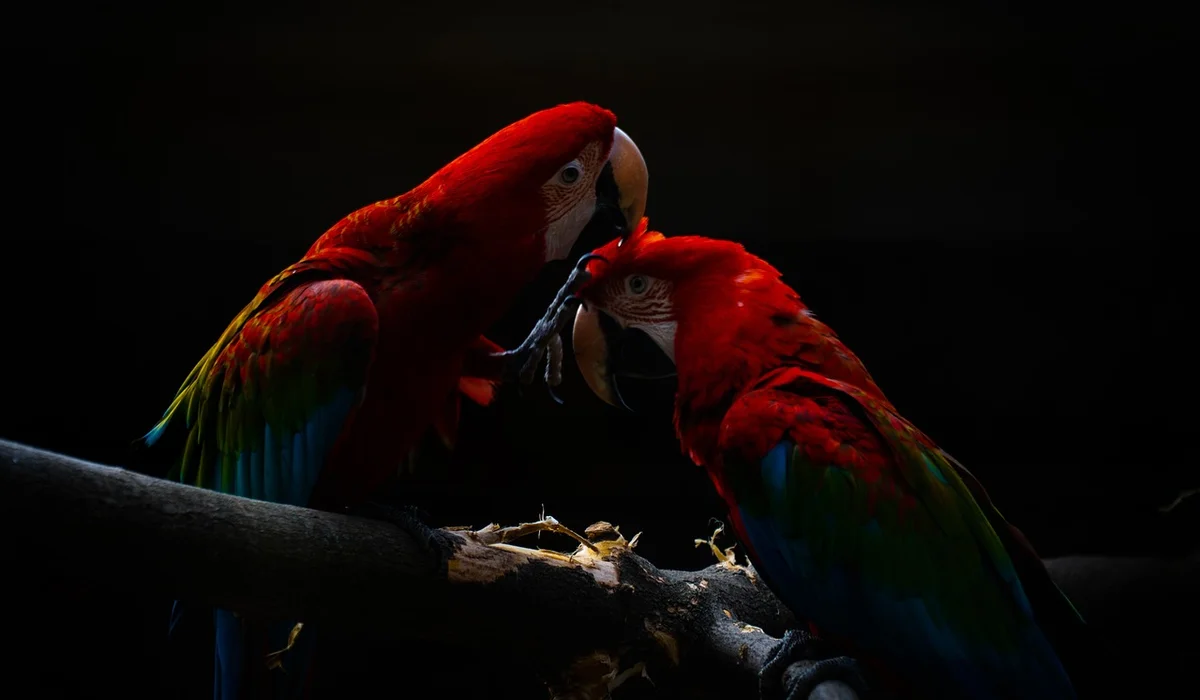
Most parrots in Hawaii today came through the pet trade. Hurricane Iniki in 1992 blew open aviaries on Kauai, accidentally releasing many pet birds into the wild. I’ve spoken with local breeders who remember that day vividly. People also intentionally released birds they could no longer care for, not realizing the ecological consequences. These accidental immigrants found Hawaii’s climate surprisingly welcoming.
The journey wasn’t easy for many birds. Surviving parrots formed small, resilient flocks that learned to eat local fruits and nest in non-native trees. My own Green-cheeked Conure, Kiwi, would struggle outside his cage, which makes these feral populations even more impressive.
Spotting Parrots in Modern Hawaii
You’ll most likely encounter these colorful characters on Oahu, Kauai, and the Big Island. Listen for their distinctive squawks in suburban neighborhoods with fruiting trees. Common sightings include:
- Rose-ringed parakeets with their bright green feathers and rose-colored neck rings
- Mitred conures moving in noisy, social groups
- Red-masked parakeets flashing crimson faces through the canopy
Early morning and late afternoon offer the best viewing opportunities. These birds follow reliable daily routines of feeding, socializing, and returning to roost sites. Watch for them in parks, botanical gardens, and residential areas with flowering trees.
Ecological Ripples: Parrots’ Impact on Hawaii’s Nature
Native Parrots’ Role in the Wild
Hawaii historically lacked parrot species entirely. The islands evolved without these seed predators, creating unique ecosystems where native birds filled different roles. Honeycreepers became specialized nectar feeders, while forest birds developed their own seed dispersal patterns. This absence means modern parrots enter an environment that never adapted to their presence.
True native Hawaiian birds face enough challenges without new competition. Avian malaria, habitat loss, and invasive species already pressure Hawaii’s fragile bird populations. Adding parrots to the mix creates another variable in an already strained system.
When Newcomers Shake Things Up
Feral parrots impact local ecosystems in several noticeable ways. They compete with native birds for limited nesting cavities in older trees. Parrots build or choose their nests, often evaluating several cavities before settling on one. My African Grey, Sage, demonstrates how determined parrots can be when she works for hours to open puzzle toys – that same persistence helps wild parrots claim the best nesting spots.
Their feeding habits create additional concerns:
- They damage fruit and coffee crops, creating economic tensions with farmers
- They spread seeds of invasive plants through their droppings
- They sometimes displace smaller native birds from food sources
Yet they’ve become part of Hawaii’s soundscape. Many residents now consider their morning parrot squawks as familiar as rooster crows. This creates complicated feelings about managing populations that some see as pests and others see as neighborhood pets.
Conservation Tales: Efforts to Protect Hawaii’s Birds
Research and Recovery Stories
Scientists carefully monitor parrot populations and their effects. Researchers track flock sizes, breeding success, and movement patterns to understand their ecological footprint. This data helps create management strategies that balance compassion with conservation. Some studies focus on whether parrots might help disperse native plant seeds, potentially offering unexpected benefits.
Conservation groups work tirelessly on multiple fronts. Organizations like the Maui Forest Bird Recovery Project focus on protecting Hawaii’s most endangered native birds. Their work includes:
- Creating predator-free sanctuaries for native species
- Restoring high-elevation forests as climate refuges
- Monitoring disease spread in bird populations
Your Part in Parrot Protection
Responsible pet ownership remains the best prevention. Never release unwanted parrots into the wild, no matter how much you think they’d “enjoy freedom.” My sun conure Sunny would likely starve without prepared food, despite his wild appearance. If you can’t keep your bird, work with legitimate rescues or rehoming services to prevent health issues in different parrot species.
When visiting Hawaii, practice ethical wildlife viewing:
- Observe parrots from a respectful distance without feeding them
- Support local conservation organizations through donations or volunteer work
- Choose tour operators who prioritize ecological protection
Even small actions create meaningful change. Educating others about the complex relationship between introduced species and native ecosystems helps build broader understanding. Every informed visitor and resident contributes to Hawaii’s conservation story.
Cultural Echoes: Parrots in Hawaiian Heritage
Myths and Meanings in History
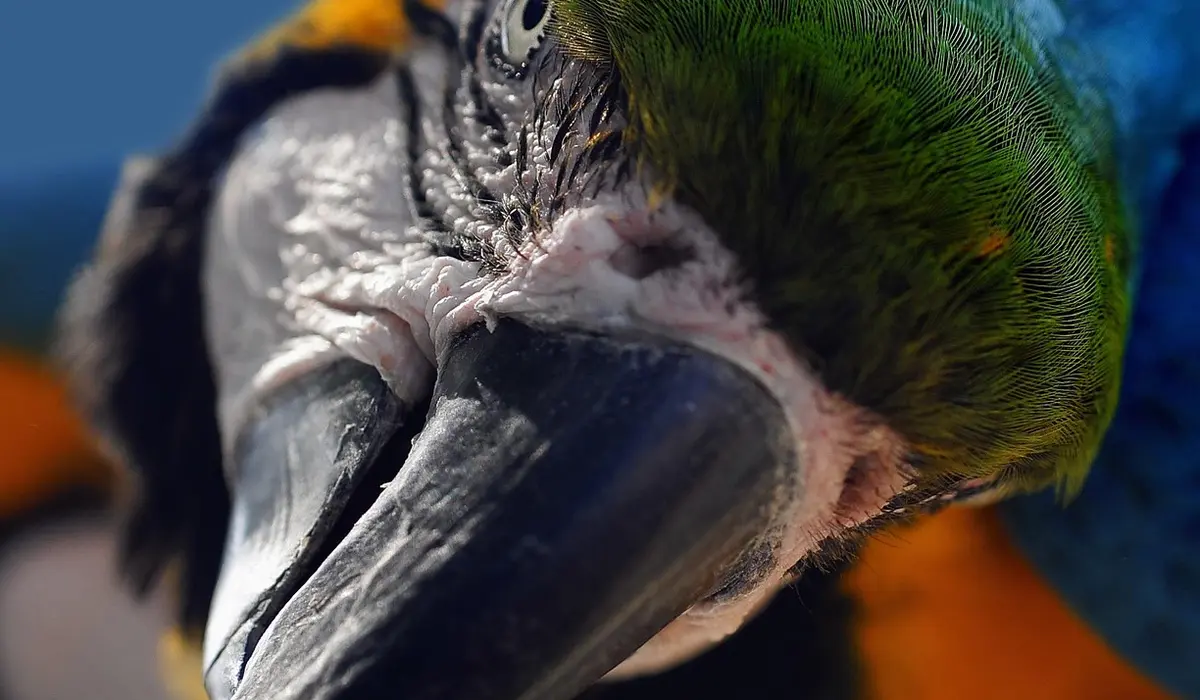
In Hawaiian culture, parrots aren’t native, but their vibrant presence in modern tales reflects a deep connection to nature’s beauty. I’ve always been fascinated by how birds like my Green-cheeked Conure, Kiwi, with his playful antics, echo the spirit of ‘aumakua-family guardians in Hawaiian belief. Stories often weave parrots as symbols of communication and intelligence, much like the clever messengers in Polynesian lore.
While parrots didn’t historically roam Hawaii, their introduction sparked new myths about exotic arrivals. Hearing legends of colorful birds in local folklore reminds me to appreciate each parrot’s unique personality, from Sunny’s affectionate chirps to Sage’s calm wisdom. This cultural blend teaches us to honor animals as part of a larger story, not just pets in a cage.
- Parrots in Hawaiian tales often represent joy and adaptability, inspiring care that focuses on enrichment.
- Historical accounts highlight how introduced species shaped perceptions, urging responsible pet ownership to protect ecosystems.
- Learning from these myths reinforces the need for animal welfare, ensuring parrots thrive in safe, loving homes.
For Pet Lovers: Insights from Hawaii’s Parrot Journey
What Hawaii Teaches Us About Parrot Care
Hawaii’s experience with non-native parrots offers powerful lessons for every pet owner. Seeing feral flocks adapt to island life showed me how crucial it is to provide a stimulating environment, just like I do for my curious Kiwi with puzzle toys and varied perches. These birds remind us that parrots need mental challenges to avoid boredom and stress.
From observing parrots in Hawaii, I’ve learned that diet diversity is key to health. My Sun Conure, Sunny, thrives on a mix of fresh fruits and veggies, mirroring the natural foraging habits that keep wild parrots resilient. This approach prevents nutritional deficiencies and supports long-term vitality. These observations align with general parrot dietary guidelines that emphasize variety, fresh produce, and a balanced mix of nutrients. Applying these guidelines helps keep parrots thriving day to day.
- Monitor your parrot’s behavior closely-signs of distress can indicate needs for more space or social interaction.
- Provide a balanced diet with seasonal changes, inspired by how Hawaii’s parrots find food in diverse habitats.
- Advocate for animal welfare by never releasing pets into the wild, protecting both parrots and native species.
Hawaii’s parrot populations highlight the risks of improper care, like habitat disruption. As an owner, I make sure Sage’s cage is a sanctuary, with safe toys and regular vet checks, to prevent issues seen in introduced birds. This proactive care builds trust and ensures a happy, healthy companion.
FAQs
What are the native Hawaiian parrots?
Hawaii has no historically native parrot species, as parrots never naturally evolved or settled on the islands. Instead, the native bird community included unique species like honeycreepers that adapted to Hawaii’s environments.
How many species of native Hawaiian parrots were there?
There were zero species of parrots native to Hawaii throughout its ecological history. The islands developed a distinct avian population without any parrot representatives.
Why did native Hawaiian parrots decline or go extinct?
Since no native parrots existed in Hawaii, there was no population to decline or go extinct. Other native birds, however, faced severe threats from human activities and introduced species. Extinct parrot species illustrate how habitat loss, hunting, and invasive species can drive a population to extinction.
What role did native Hawaiian parrots play in their ecosystems?
Native Hawaiian parrots played no role in local ecosystems due to their complete absence. Hawaii’s native birds filled all ecological niches, such as pollination and seed dispersal, without parrot involvement.
Have there been any conservation or restoration efforts for native Hawaiian parrots?
Conservation efforts target Hawaii’s actual native birds, as there were no parrots to restore. Initiatives focus on protecting species like the ‘I’iwi from habitat loss and disease through sanctuaries and research.
Closing the Loop
In short, the vibrant parrots you see in Hawaii today are not native residents but introduced species, often descended from former pets. This history highlights why providing a secure, enriching, and permanent home for your parrot is the most critical part of ownership. Choosing the right parrot for your home lifestyle means considering your space, schedule, and the amount of daily interaction you can provide. Matching species to temperament and care needs helps ensure a harmonious, lifelong companion.
Being a fantastic parrot guardian means committing to a lifelong journey of learning about their complex needs. Your dedication to understanding their behavior, diet, and wellbeing creates a profoundly rewarding bond for both of you.
Further Reading & Sources
- Parrots in Hawaii – The Hawaiian Feathered Friends Network
- What types of parrots live in Hawaii? – Quora
- Tracking Oahu’s wild parrots
Suzanne Levine is a dedicated parrot enthusiast and experienced avian caregiver with over 15 years of hands-on experience in parrot care. As the founder of Parrot Care Central, Suzanne is passionate about sharing her knowledge and insights to help fellow parrot owners provide the best possible care for their feathered friends. Her expertise spans nutrition, behavior, health, and enrichment, making her a trusted resource in the parrot care community.
Local Bird Shows