
Loss of Appetite in Parrots: A Diagnostic Checklist for Concerned Owners
Published on: February 26, 2026 | Last Updated: February 26, 2026
Written By: Suzanne Levine
Is your parrot suddenly ignoring their food bowl? Watching a beloved bird refuse meals can send any owner into a panic, and it’s a sign you should never ignore.
I’ve been through this scare myself with my green-cheeked conure, Kiwi, who once skipped meals during a stressful move, so I know how heart-wrenching it feels.
Let me guide you through this step-by-step, starting with three key takeaways:
- Spotting the subtle signs that distinguish normal fussiness from a health emergency.
- Performing easy at-home checks to gauge your parrot’s well-being without causing extra stress.
- Knowing exactly when to seek professional help to protect your bird’s health and happiness.
You’ll get straightforward advice that’s easy to follow, even if you’re new to parrot care. Topics covered: behavioral changes, common illnesses, diet adjustments, environmental triggers, vet visit prep, recovery support. This is a complete guide to the most common parrot health concerns. Learn how to spot early warning signs and when to seek veterinary care.
Uncovering the Root Causes of Appetite Loss
Behavioral triggers often sneak up quietly, with stress from a new pet or loud construction next door making your parrot too anxious to eat. By shaping the sound environment—creating predictable noise levels and soothing sounds—you can help your parrot manage household noise and reduce stress at mealtimes.
- Environmental changes like moving cages, rearranging furniture, or introducing new household members.
- Boredom from lack of toys, rotation, or mental stimulation leading to disinterest in food.
- Territorial disputes with other birds or pets causing meal-time anxiety.
Physiological issues require immediate veterinary attention, as infections can rapidly weaken a small bird like my conure Kiwi.
- Bacterial or viral infections affecting the digestive or respiratory systems.
- Internal parasites disrupting nutrient absorption and causing discomfort.
- Toxin exposure from non-stick cookware fumes, aerosol sprays, or heavy metals in toys.
Dietary factors create subtle problems that accumulate over time, much like when I first adopted Sunny and learned about proper nutrition.
- Nutritional deficiencies from seed-only diets lacking vitamins and minerals.
- Sudden food changes without proper transition periods confusing your parrot.
- Spoiled or contaminated food causing digestive upset and food aversion.
Emotional causes run deeper than many realize – my African Grey Sage once stopped eating for days after losing her favorite toy.
- Grief from losing a bonded human, bird companion, or familiar routine.
- Fear developing from a single traumatic experience during feeding time.
- Depression manifesting as appetite loss when social needs aren’t met.
Spotting the Telltale Signs: What to Watch For
Clinical signs provide the clearest evidence something’s wrong, with weight loss being the most urgent red flag.
- Visible weight loss showing prominent keel bone or hollow chest area.
- Dropping changes in color, consistency, volume, or frequency.
- Lethargy with increased sleeping and decreased responsiveness.
Behavior changes often precede physical symptoms, like when Kiwi stopped her morning chatter before her appetite dropped.
- Reduced activity levels and reluctance to leave the cage.
- Decreased vocalization or unusual quietness throughout the day.
- Avoiding favorite foods or treats they normally devour eagerly.
Physical symptoms offer visible clues that your parrot isn’t feeling well and needs help.
- Consistently ruffled feathers making them look puffed up constantly.
- Beak issues including overgrowth, discoloration, or difficulty manipulating food.
- Eye closing or swelling around the face and nasal areas.
Owner observations become your most powerful tool when you know what to track daily.
- Food bowl measurements noting exactly how much gets eaten versus discarded.
- Behavior logs tracking activity peaks and unusual resting patterns.
- Social interaction changes documenting reduced engagement with family members.
Your Step-by-Step At-Home Diagnostic Checklist
Assess Your Parrot’s Daily Habits and Environment
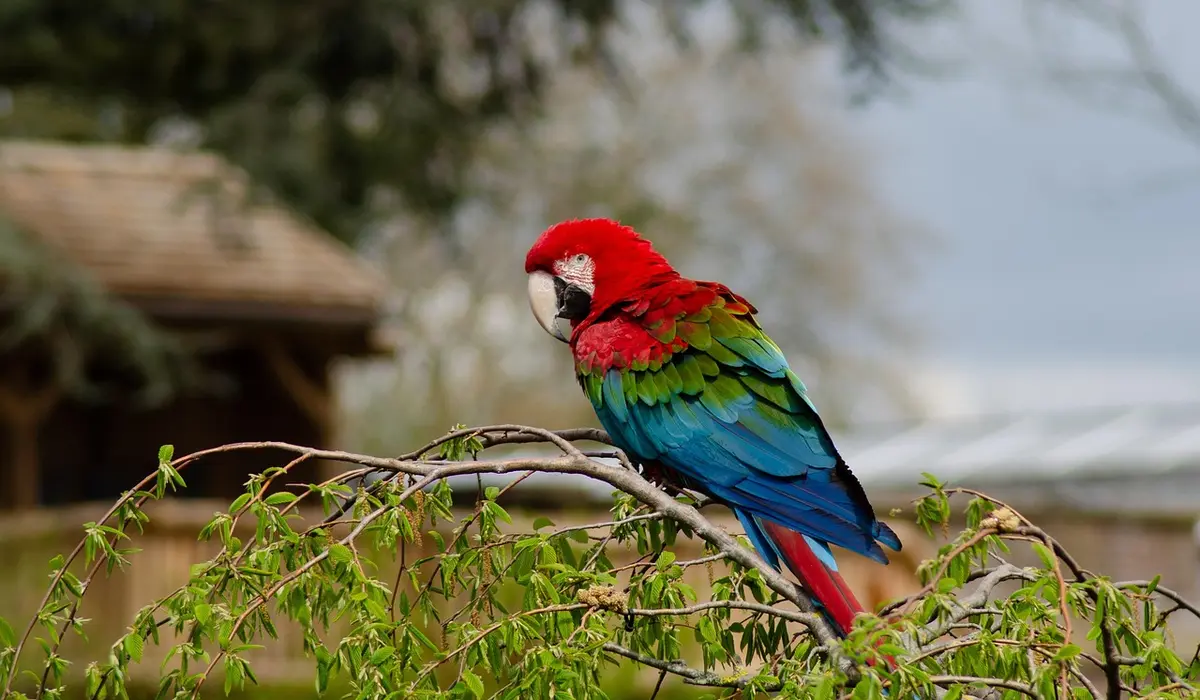
Start by quietly watching your parrot’s normal routine for a day or two. I keep a small notepad in my kitchen to jot down exactly how much my conure, Kiwi, eats from his bowl compared to his usual voracious self. These notes help you tailor a foraging-based plan to enrich your parrot’s diet. This approach is a central part of the ultimate guide foraging to enrich your parrot’s diet.
- Monitor appetite and water intake by measuring food you put in and weighing what’s left 12 hours later.
- Check for stress factors like new pets, loud construction noise, a change in cage location, or even a different cover at night.
- Evaluate the diet itself. Is the seed mix old? Have you recently switched pellet brands? Are fresh veggies offered daily?
Examine Physical Health and Droppings
Your parrot’s droppings are a powerful health report card. A sudden change in droppings was the first clue that my African Grey, Sage, needed a vet visit last year. Regularly monitoring droppings isn’t just about today—it’s a window into long-term health. Common parrot health issues that can shorten a parrot’s life include chronic respiratory infections, liver or kidney disease, and metabolic bone disease.
- Observe feces for color and consistency; healthy ones have a dark, solid center with white urates.
- Check hydration by seeing if the skin on their feet looks supple and not flaky.
- Listen for any wheezing or clicking sounds when they breathe, and feel their belly area for unusual warmth.
- Track weight weekly with a small gram scale; even a 10% loss is a major red flag.
First Response: How to Help Your Parrot Start Eating Again
When a parrot stops eating, your calm and creative approach makes all the difference. Acting quickly with tempting foods can often prevent a minor issue from becoming a crisis. Knowing the common dietary disasters and the 9 feeding mistakes that harm your parrot’s health can help you prevent trouble before it starts. By focusing on nutritious, appropriate foods, you support steady appetite and overall wellbeing.
- Offer appealing, nutritious foods like warm mashed sweet potato, cooked quinoa, or a small piece of ripe mango.
- Encourage eating by hand-feeding their favorite treat or pretending to eat the food yourself to spark their curiosity.
- Gently warm their meals to release more aroma, which can be incredibly enticing for a hesitant bird.
- Ensure hydration by offering water from a clean spoon or adding a drop of unsweetened juice to their water dish.
- Reduce stress by covering three sides of their cage, speaking in soft, low tones, and avoiding sudden movements.
- From my time with Sage, I found that offering millet spray from my hand while he was perched on my arm always reassured him enough to take a few bites.
When to Seek Professional Help: Emergency Red Flags
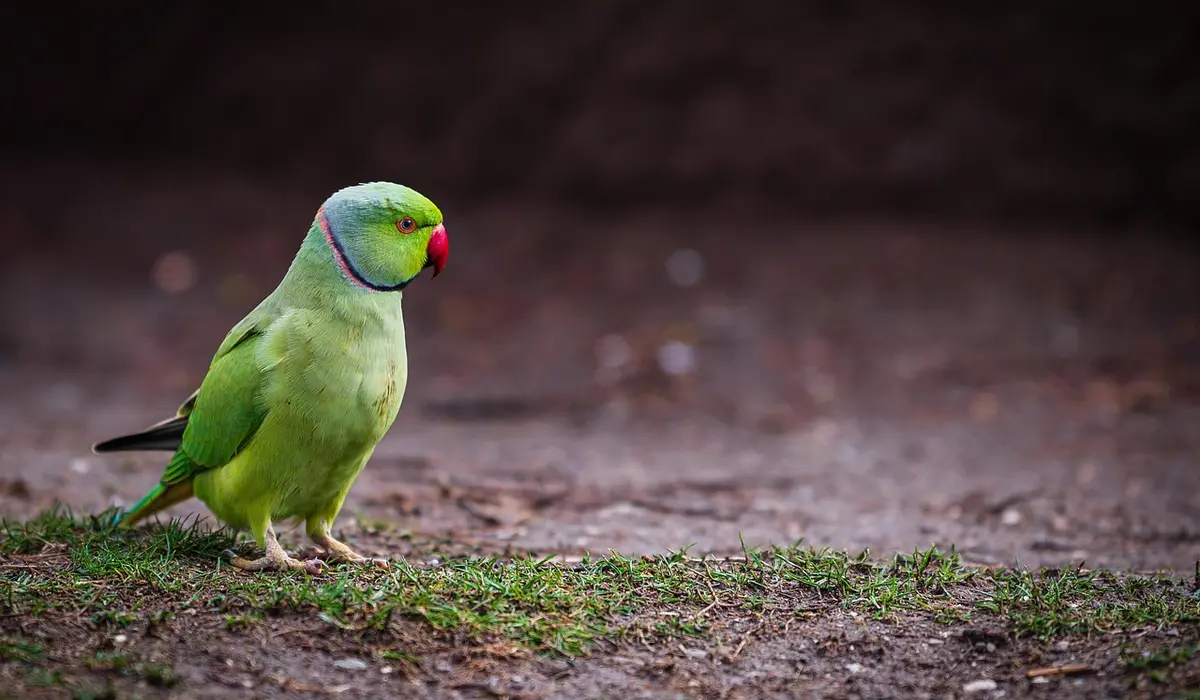
Sometimes, a simple change in diet isn’t enough, and your feathered friend needs professional intervention right away. If you notice any of these signs, contact your avian vet immediately—delaying could put your parrot’s life at risk. This is part of an emergency guide on what to do if your parrot eats something toxic. It offers quick, practical steps you can take while you seek veterinary care.
- Your parrot shows extreme lethargy, sitting fluffed up at the bottom of the cage and not responding to you.
- There is no improvement in appetite or energy after 24 hours of your initial supportive care efforts.
- You observe labored breathing, wheezing, or any discharge from the eyes or nostrils.
- Your bird experiences vomiting, has diarrhea, or produces unusually colored droppings.
- They show signs of significant weight loss or feel noticeably lighter when you handle them.
Your vet will likely recommend diagnostic tests to pinpoint the exact cause of the illness. This often includes blood work to check organ function, a fecal exam to screen for parasites, and sometimes imaging like X-rays. I’ve had to take Kiwi in for these tests before, and while it was stressful, it gave us the answers we needed to get her healthy again.
The Role of Dehydration and Medications in Appetite Loss
Dehydration and a loss of appetite often go hand-in-hand, creating a dangerous cycle for your parrot. A bird that isn’t eating often isn’t drinking enough either, which rapidly worsens their overall condition. If your parrot isn’t eating or drinking, recognizing common problems and practical solutions can help you intervene quickly. Common culprits include dental issues, infections, stress, and improper diet, each with specific remedies.
You can check for dehydration gently by performing a skin tent test. Lightly pinch the skin over the chest or back; if it doesn’t snap back into place quickly, your parrot may be dehydrated. Another sign is sunken, dry-looking eyes.
Medications can also play a significant role. Always discuss potential side effects with your veterinarian when any new medication is prescribed. Some drugs, including certain antibiotics or pain relievers, can cause temporary nausea or appetite suppression. Never adjust the dosage or stop a medication without direct guidance from your vet.
For long-term health, focus on prevention by providing a balanced diet, fresh water daily, and a stress-free environment. I make sure all my birds, from playful Kiwi to smart Sage, have constant access to clean water in multiple locations in their cages. Regular wellness check-ups are your best defense for catching potential issues before they become serious problems.
FAQs
What causes appetite loss in a parrot?
Appetite loss can stem from stress, illness, or dietary problems. Factors like environmental changes, infections, or nutritional deficiencies are common culprits.
How to diagnose appetite loss in a parrot?
Start by monitoring food intake and checking for weight loss or changes in droppings. Observe behavior and physical signs to identify underlying issues early.
What foods should a parrot eat when its appetite is low?
Offer easily digestible, nutrient-rich options like warm mashed vegetables or cooked grains. Avoid new or complex foods to prevent further digestive upset.
How to encourage appetite in a parrot?
Try hand-feeding favorite treats or warming meals to enhance aroma. Reduce stress and provide a calm environment to make eating more appealing.
When to seek veterinary care for a parrot with appetite loss?
Contact a vet immediately if your parrot shows extreme lethargy, labored breathing, or no improvement within 24 hours. Prompt care can prevent serious health complications. This note is part of our lethargy in parrots troubleshooting guide to help you find the cause. Review the guide for steps to identify potential causes and decide when to seek professional help.
In Closing
Based on my time with parrots like Kiwi and Sage, I urge you to watch for subtle changes in eating habits and use a step-by-step checklist to identify potential causes. Your proactive approach can catch health issues early, reducing risks and easing your parrot’s discomfort with timely vet care. Simple observations and quick responses often prevent minor problems from becoming serious. Also, avoid common parrot feeding mistakes such as seed-heavy diets or irregular meal times. Keeping these in mind helps you use the checklist to spot and prevent issues before they worsen.
Owning a parrot means committing to their well-being through constant education and adaptation. Embrace the joy of learning about their needs, and your efforts will build a stronger, healthier bond with your feathered friend. To train a tame Quaker parrot, keep training sessions short and positive. With consistency and patience, you can teach simple cues that strengthen trust and make daily care easier. Every bit of knowledge you gain helps create a safer, happier environment for them to thrive.
Further Reading & Sources
- Anorexia and Lethargy in Birds | VCA Animal Hospitals
- Loss of appetite in parrots: causes and first aid – VetBilim
- Why Your Parrot Is Not Eating: Expert Answers and Solutions
Suzanne Levine is a dedicated parrot enthusiast and experienced avian caregiver with over 15 years of hands-on experience in parrot care. As the founder of Parrot Care Central, Suzanne is passionate about sharing her knowledge and insights to help fellow parrot owners provide the best possible care for their feathered friends. Her expertise spans nutrition, behavior, health, and enrichment, making her a trusted resource in the parrot care community.
Health & Wellness