
Why Isn’t My Parrot Eating or Drinking? Common Problems and Solutions
Seeing your parrot ignore food and water can send your heart racing with worry about their health and happiness. I remember when my Green-cheeked Conure, Kiwi, went off his meals-it felt like a puzzle I had to solve fast to keep him thriving.
Drawing from years of caring for parrots like Sunny and Sage, I will help you pinpoint the issue with clear insights. You will learn the top reasons behind this behavior and practical steps to address it.
- Identify common triggers like stress or diet changes that affect appetite
- Apply quick fixes to encourage eating and drinking safely
- Know when to seek veterinary care for your bird’s well-being
You will walk away with straightforward guidance tailored to your parrot’s needs. We explore stress, illness, diet, environment, solutions, prevention
Spotting the Signs Your Parrot Isn’t Eating or Drinking
Watch for weight loss by gently feeling your parrot’s keel bone; if it’s sharp, your bird might be underweight. Regular weigh-ins with a small scale can catch drops before they become severe. I’ve done this weekly with Kiwi, my Green-cheeked Conure, and it saved us from bigger issues. Healthy weight management helps prevent obesity and related health issues. Keeping your bird within its species-appropriate weight range supports energy and longevity.
Notice changes in droppings; watery or discolored feces often signal trouble. Healthy droppings should be firm with a white urate part, so any shift is a red flag. When Sage, my African Grey, had runny droppings, I knew something was off right away.
- Reduced activity levels, like less climbing or playing
- Food left untouched in the bowl for hours
- Unusual quietness or lack of vocalizations
- Fluffed-up feathers for long periods
Pay attention to eating habits; if your parrot avoids favorite treats, it’s a clear warning. Birds often hide illness, so subtle cues like this are your best clues. Sunny, my Sun Conure, once ignored his beloved almonds, and that’s when I rushed him to the vet.
Common Reasons Parrots Stop Eating and Drinking
Illness and Pain in Parrots
Infections like respiratory issues can make swallowing painful, leading to food avoidance. Look for symptoms like sneezing or nasal discharge, as these require immediate vet care. I’ve seen this in parrots I’ve fostered, and early treatment always improves outcomes.
Pain from injuries or arthritis affects appetite, especially in older birds. Gentle handling and soft perches can ease discomfort and encourage eating. With Sage, who’s eight, I provide padded perches to help his joints.
- Digestive problems, such as blockages or infections
- Dental issues or mouth sores that hurt when chewing
- Feather plucking due to skin irritation or pain
Advocate for regular check-ups to catch illnesses early. Annual vet visits are non-negotiable for parrot welfare, as they prevent suffering. My own birds get exams twice a year, and it’s made a huge difference in their health.
Stress and Environmental Factors
Loud noises or sudden changes in the home can spike stress levels. Parrots thrive on routine, so disruptions often lead to eating strikes. When we renovated our house, Kiwi stopped eating for a day until I moved his cage to a quieter spot. By shaping the sound environment, you can help your parrot manage household noise and reduce stress. Keeping a calm, predictable level of background noise supports his routine.
New pets or people in the household might intimidate your bird. Gradual introductions and safe spaces help reduce anxiety and restore normal habits. I always give my parrots time to adjust to visitors, keeping their cages covered if needed. To safely introduce a new dog or cat to a resident parrot, start with scent exchanges and short, supervised meetings behind a barrier. Only when the bird remains calm should you slowly increase their time together.
- Inadequate cage size or poor placement near drafts
- Lack of mental stimulation, leading to boredom
- Overhandling or insufficient social interaction
Use calming techniques like soft music or familiar toys. Creating a predictable environment reassures parrots and supports their well-being. Sunny loves his puzzle toys, which distract him during stressful times. You can also create a safe, stimulating indoor flight environment for your parrot by arranging a hazard-free space and supervised flight time.
Dietary Issues and Food Aversions
Spoiled or stale food can turn parrots off their meals. Always check expiration dates and store food in airtight containers to maintain freshness. I once fed Kiwi old pellets, and he refused to touch them until I swapped in a fresh batch.
Sudden diet changes cause aversions; introduce new foods slowly over weeks. Mixing small amounts of new items with favorites eases the transition and prevents rejection. With Sage, I blend new veggies into his usual mix, and he adapts without fuss.
- Offer a variety of textures and colors to spark interest
- Rotate food types to prevent boredom, like switching between pellets and fresh produce
- Monitor for allergies or sensitivities that cause discomfort
Address picky eating by making mealtime fun with foraging toys. Encouraging natural behaviors like searching for food boosts appetite and mental health. My parrots all have foraging boxes, and it’s cut down on food refusal dramatically. This is part of the ultimate guide to foraging that enriches your parrot’s diet. It offers practical ideas to keep mealtimes engaging and nourishing.
Checking for Dehydration and Other Health Red Flags
How to Monitor Your Parrot’s Hydration
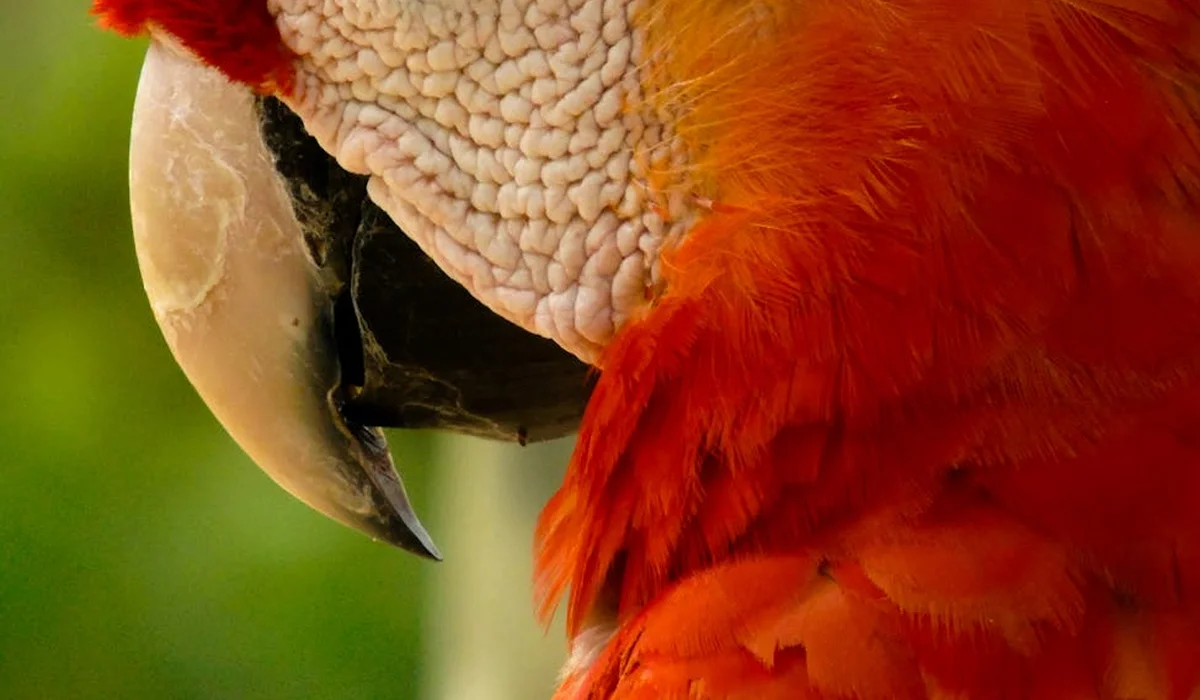
Parrots are masters at hiding weakness, so you need to become a feathery detective. I gently pinch the skin over my conure Kiwi’s chest and watch how fast it snaps back; if it’s slow, she’s likely dehydrated. Another telltale sign is their poop-healthy droppings have a dark solid part, a white urate, and clear liquid.
Watch their water dish closely, but don’t just look for sips. A hydrated parrot often flicks water with its beak or dunks food, so a bone-dry dish can still mean they’re interacting with it. I also pay attention to their eyes; sunken or dull eyes often signal a bigger problem.
Recognizing Symptoms of Serious Illness
Beyond a simple hunger strike, some signs scream for an immediate vet visit. My African Grey, Sage, once sat puffed up at the bottom of his cage, and I knew something was terribly wrong.
- Consistently fluffed-up feathers, even in a warm room
- Sleeping excessively or losing balance on the perch
- Wheezing, tail-bobbing with each breath, or discharge from nostrils
- A sudden, dramatic change in personality, like a friendly bird becoming aggressive
A bird that stops eating and shows any of these symptoms is likely in serious trouble and needs professional help fast. Trust your gut-you know your feathered friend better than anyone.
Immediate Steps to Help Your Parrot Eat and Drink
Encouraging Hydration with Simple Tricks
If your parrot is turning its beak up at water, you need to get creative. I’ve found that offering water from a shallow, colorful dish or even a clean bottle cap can pique their curiosity. Sometimes the problem is the bowl itself-they might not like its depth or location.
Try these hydration boosters that have worked for my flock:
- Offer juicy fruits like melon, orange slices, or berries.
- Add a drop of unsweetened fruit juice to their water for flavor.
- Mist them with a clean spray bottle; many parrots will drink the droplets.
- Provide a separate bowl of warm water, as some prefer it.
Stimulating Appetite with Safe Foods
When my sun conure, Sunny, goes off his pellets, I don’t panic-I experiment. The key is to offer familiar favorites alongside new, enticing options to spark their interest. Warm foods often release more aroma, making them irresistible.
Start with these safe, appetite-tempting foods:
- Cooked sweet potato or squash, mashed slightly.
- Sprouted seeds, which are more nutritious and easier to digest.
- A small piece of whole-grain toast or cooked brown rice.
- Their favorite nut, crushed and sprinkled over other food.
Eating together can also work wonders; parrots are flock animals and often mimic our behavior. I’ll sit with Kiwi and pretend to eat a piece of apple, and her curiosity usually gets the better of her.
Long-Term Solutions for a Healthy Parrot Diet
Building a Balanced Diet with Pellets, Seeds, and More
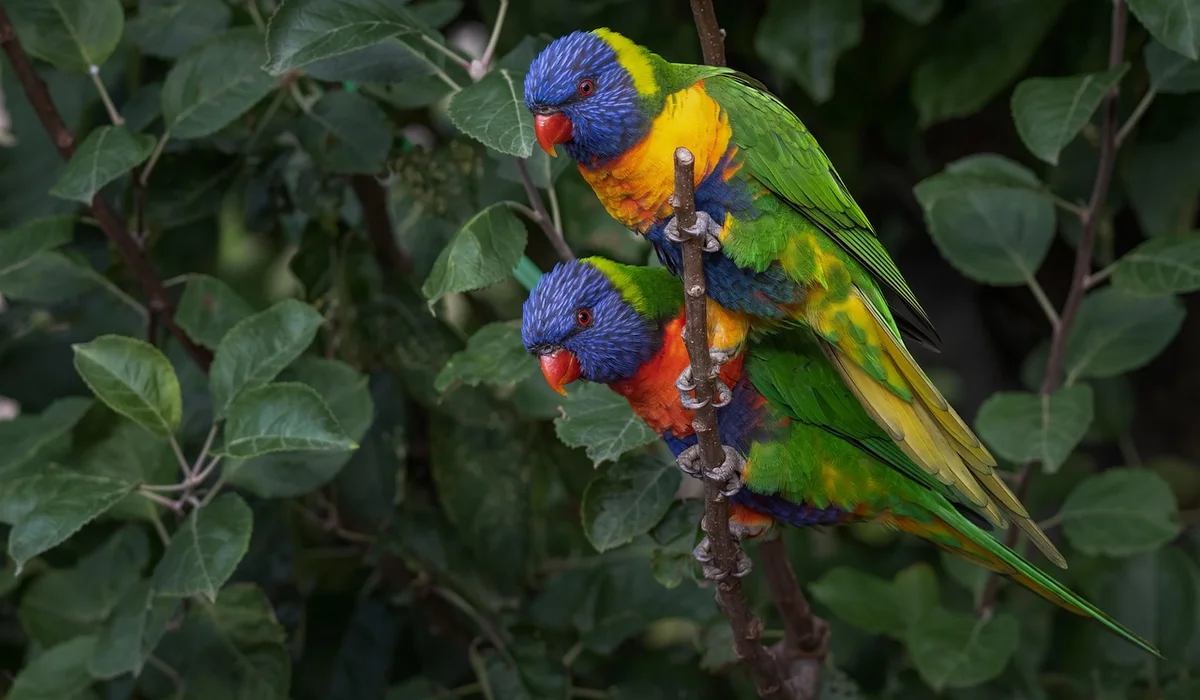
Think of your parrot’s diet like a colorful, textured puzzle where every piece matters. I’ve found that a high-quality pellet forms the essential base of the diet—about 60-70% for my conures, Kiwi and Sunny. These are specially formulated to provide the vitamins and minerals seeds often lack. That’s a common question: pellets or seeds as the base? In most cases, a pellet-based base provides consistent nutrition, with seeds used sparingly as variety.
Seeds are the delicious treat, not the main course. Limit seeds to roughly 10-20% of their total intake to prevent obesity and nutritional gaps. My African Grey, Sage, gets a small sprinkle of seeds as a reward for training, which keeps him engaged without overdoing it.
Fresh fruits and vegetables are the vibrant, hydrating boost. Offer a daily “chop” of bird-safe veggies like chopped kale, bell peppers, and a bit of sweet potato or carrot. I watch closely to see which colors and textures each of my birds prefers, making mealtimes more exciting for them.
- Pellet Base: Choose organic, dye-free pellets for core nutrition.
- Seed Toppers: Use seeds sparingly for motivation and enrichment.
- Fresh Produce: Rotate vegetables and fruits daily to encourage interest.
- Cooked Legumes: Offer bird-safe beans or lentils for protein variety.
- Healthy Sprouts: Grow your own sprouts for a live, nutrient-packed snack.
Reducing Stress Through Environmental Enrichment
Parrots are incredibly smart and need their minds and bodies busy to feel secure. A bored parrot is often a stressed parrot, and that stress can shut down their appetite completely. I learned this the hard way when Kiwi went through a picky phase until I revamped her cage setup.
Foraging toys are absolute game-changers. Hide bits of their favorite healthy foods inside puzzle toys or wrapped in paper to mimic natural foraging behavior. Sunny now spends happy hours unwrapping treats, which keeps her mentally sharp and reduces her anxiety.
Create a predictable daily rhythm with consistent feeding times and plenty of out-of-cage social interaction. Parrots thrive on routine and companionship, which lowers their stress and encourages regular eating habits. Sage knows our morning routine so well he starts chatting when he sees me prepping his breakfast bowl. Being mindful of common feeding mistakes helps keep this routine effective. Avoid seed-only diets and free-feeding; offer a balanced mix and monitor portions.
- Foraging Opportunities: Use shreddable toys and food puzzles daily.
- Social Time: Schedule regular, calm interaction and training sessions.
- Cage Placement: Keep the cage in a family area but away from direct drafts or loud noises.
- Safe Chew Toys: Provide untreated wood and cardboard to satisfy chewing instincts.
- Training Games: Teach simple tricks using tiny food rewards to build confidence.
When to Seek Help from an Avian Veterinarian
Your careful observation at home is vital, but some signs scream for professional help. If your parrot stops eating or drinking entirely for more than 12-24 hours, consider this a medical emergency. Birds have fast metabolisms and can deteriorate quickly without nutrition and hydration. This is part of a complete guide to the most common parrot health concerns. Being aware of these red flags helps you act quickly and consult a vet when needed.
Watch for physical changes that accompany the lack of appetite. Signs like fluffed-up feathers, lethargy, sitting on the cage floor, or labored breathing mean you need to call your avian vet immediately. I rushed Sunny to the vet once when she was unusually quiet and puffed up, and it turned out she had a minor infection that needed treatment.
Behavioral shifts can also indicate deeper health issues. A sudden, prolonged change in personality-like a normally chatty bird becoming silent or an affectionate one becoming aggressive-warrants a veterinary check-up. Trust your gut; you know your feathered friend better than anyone.
- No Eating/Drinking: Beyond 24 hours is a critical situation.
- Visible Weight Loss: A prominent keel bone means they’re underweight.
- Changes in Droppings: Discolored, watery, or unusually smelly waste.
- Vomiting or Regurgitation: Different from happy feeding behavior; often repetitive.
- Any Signs of Injury: Bleeding, favoring a wing or leg, or visible wounds.
FAQs
Can changes in season affect my parrot’s appetite?
Yes, seasonal shifts in temperature and daylight can alter your parrot’s eating habits, as they may naturally eat more or less based on environmental cues. To manage this, maintain a consistent routine and monitor their food intake closely for any significant changes.
Is it normal for parrots to eat less during molting?
It is common for parrots to reduce their food intake during molting, as their body diverts energy to growing new feathers. Offer nutrient-rich foods like high-protein options and ensure they stay hydrated to support healthy feather regeneration. These points connect to the broader topic of avian regeneration. Studying parrot feather regrowth also sheds light on how birds renew tissues over time, including beak growth.
How can I ensure my parrot stays hydrated when I’m away?
Place multiple water dishes in the cage and include hydrating foods like cucumber or berries to supplement their fluid intake. Consider using a secure water bottle or asking a trusted person to refresh water sources if you’ll be gone for extended periods.
In Closing
If your parrot stops eating or drinking, always start by ruling out health issues with a vet visit, as I did when my Green-cheeked Conure, Kiwi, once went off his food due to a minor infection. Quick action on diet tweaks, stress reduction, and environmental checks can turn things around fast, just like how adding variety to meals revived my Sun Conure, Sunny’s appetite.
Commit to being a vigilant, caring owner by staying curious and learning more about parrot care-your feathered friend’s health depends on it. Advocating for animal welfare means embracing ongoing education, so you can spot subtle changes and respond with confidence.
Further Reading & Sources
- Why Is My Parrot NOT Eating? Top Reasons Your Bird Won’t Eat
- Why Your Parrot Is Not Eating: Expert Answers and Solutions
- Why won’t my parrot eat anything else except seed?
Suzanne Levine is a dedicated parrot enthusiast and experienced avian caregiver with over 15 years of hands-on experience in parrot care. As the founder of Parrot Care Central, Suzanne is passionate about sharing her knowledge and insights to help fellow parrot owners provide the best possible care for their feathered friends. Her expertise spans nutrition, behavior, health, and enrichment, making her a trusted resource in the parrot care community.
Nutrition