
Lethargy in Parrots: Troubleshooting Guide to Find the Cause
Published on: February 28, 2026 | Last Updated: February 28, 2026
Written By: Suzanne Levine
Seeing your vibrant parrot unusually quiet and withdrawn can send a wave of panic through any bird owner. It’s a stark contrast to the playful, noisy companion you know and love.
I’ve been there with my own flock, and I’m here to help you navigate this scary situation. We will walk through the common reasons behind this behavior and what you can do next.
You will learn the three most critical steps to take right now:
- How to perform a quick at-home health check on your bird.
- The subtle differences between a sleepy parrot and a sick one.
- When it’s absolutely time to call an avian veterinarian.
This guide will give you clear, actionable advice to help your feathered friend. We cover everything from simple fixes to serious health concerns.
Topics Covered: Environmental Stressors, Dietary Deficiencies, Common Illnesses, Behavioral Causes, When to Seek Vet Care, Home Supportive Care
Understanding Parrot Lethargy: More Than Just Tiredness
Lethargy in parrots isn’t simply a lazy afternoon; it’s a noticeable drop in their usual spark and engagement with the world around them. I’ve learned that a lethargic parrot acts withdrawn, showing little interest in play, food, or your company, which is very different from their regular, predictable sleep schedule. When a parrot loses its appetite, it’s especially important for owners to use a diagnostic checklist and seek veterinary advice promptly. Keeping notes on appetite, droppings, energy levels, and behavior can help your vet identify potential causes.
My Green-cheeked Conure, Kiwi, is normally a whirlwind of curiosity, but one afternoon he just sat quietly on his perch, not even chirping at the passing cars he usually critiques. That sudden shift from his playful self was my first big red flag that something was off.
- Ignoring their favorite toys or shreddable treats.
- Sitting at the cage bottom for prolonged periods without a clear reason.
- Sleeping during their typical “active” hours of the day.
- A blank, “zoned-out” stare instead of their usual alert and focused expression.
- Reluctance to step up or move around their play area.
Spotting the Warning Signs: Is Your Bird Just Sleepy or Seriously Ill?
Watch for a cluster of symptoms. A single quiet day might be nothing, but a combination of these signs often points to a deeper issue. A parrot that stops singing, fluffs up constantly, and turns away from food is sending a clear distress signal that demands immediate attention.
My Sun Conure, Sunny, is typically a feathered spotlight of noise and affection. When she fell silent and her vibrant feathers stayed puffed out like a little lemon, I knew it was time for a vet visit, not just more sleep.
| Behavior | Normal (e.g., Young Conure) | Abnormal (Potential Lethargy) |
|---|---|---|
| Vocalization | Frequent chirps, contact calls | Unusual silence or weak, infrequent sounds |
| Feather Position | Sleek and smooth, fluffed briefly when relaxing | Constantly fluffed for warmth, looking “ruffled” |
| Appetite | Eagerly eats favorite foods, explores new items | Leaves food untouched, ignores high-value treats |
| Posture & Activity | Alert, balanced on one foot to rest, active play | Hunched posture, sitting low, lethargic movement |
Your Daily Monitoring Routine
- Weigh your bird first thing every morning before they eat, using a small gram scale. A sudden weight drop is a major warning sign.
- Keep a simple log of their activity, noting energy levels, vocalizations, and how much they ate.
- Observe their droppings. Changes in color, consistency, or frequency can indicate health problems.
- Spend quality time interacting. A bird that refuses to engage or play is often a bird that doesn’t feel well.
Common Triggers for Energy Decline in Pet Parrots
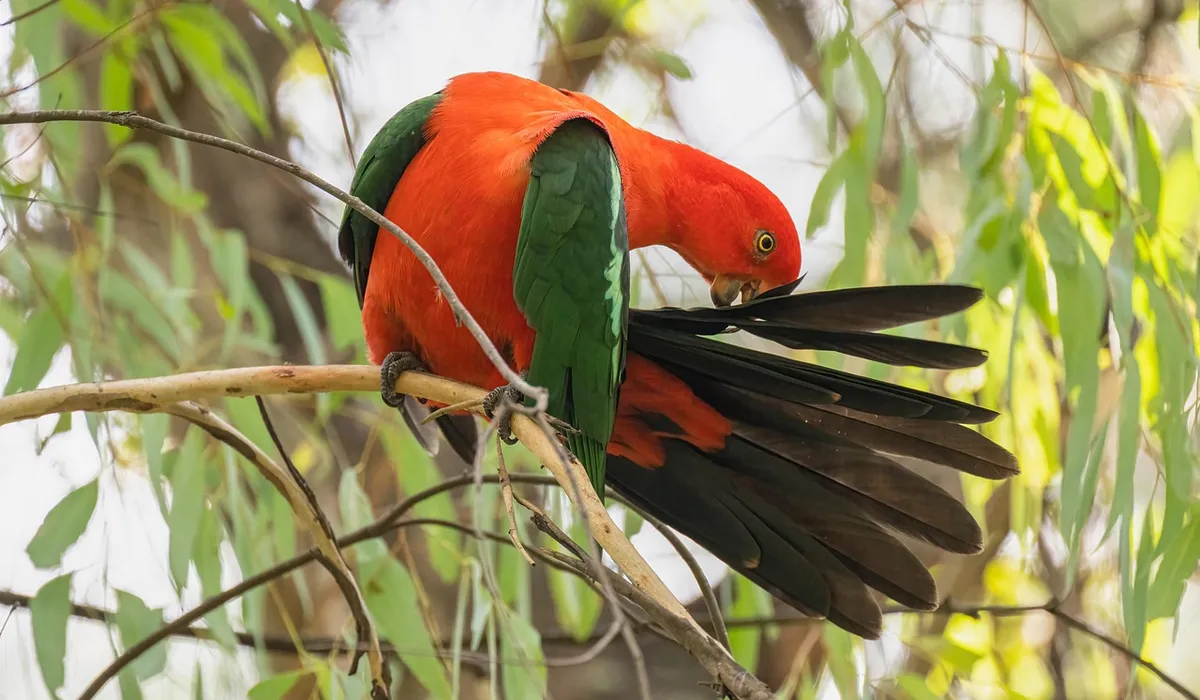
Your parrot’s environment plays a massive role in their daily zest for life. A poorly placed cage in a drafty spot or direct sunlight can zap their energy faster than you’d think. To support that zest, create a safe, stimulating indoor flight environment for your parrot. Provide secure space and supervised flights to help them stretch their wings.
Environmental Factors
- Poor Cage Setup: Cramped cages, lack of climbing options, or boring toy selection can lead to mental and physical stagnation.
- Incorrect Temperature: Parrots are sensitive to chills and overheating; consistent, comfortable room temperature is non-negotiable.
- Household Toxins: Fumes from non-stick cookware, aerosol sprays, scented candles, or cleaning products are silent energy killers.
Dietary Issues
- Vitamin Deficiencies: An all-seed diet is a fast track to malnutrition; it lacks vital vitamins like A and D3.
- Dehydration: Stagnant or dirty water bowls often get ignored, leading to subtle but serious hydration issues.
- Toxic Foods: Avocado, chocolate, caffeine, and high-salt foods are poisonous and can cause immediate lethargy.
Health Problems
- Infections: Bacterial or fungal infections, often unseen, wage a hidden war on your bird’s immune system.
- Respiratory Distress: Dusty environments or poor ventilation can lead to labored breathing and fatigue.
- Hidden Pain: Arthritis, internal issues, or old injuries don’t always show obvious signs except for a drop in activity.
Quick Home Assessment Checklist
- Is the cage in a draft-free, temperature-stable area away from kitchen fumes?
- Are there fresh vegetables and pellets in the food dish, or just old seeds?
- Is the water clean and changed within the last 12 hours?
- Have you introduced any new sprays, plug-ins, or cookware recently?
- Does your parrot fluff up, sit at the cage bottom, or breathe with a tail bob?
Step-by-Step Home Check for a Sluggish Parrot
A systematic home check can often pinpoint the problem before a vet visit becomes urgent. I use this exact routine whenever Kiwi or Sunny seems a bit “off.”
- Evaluate Cage Cleanliness and Air Quality
- Remove all soiled bedding and wipe down perches with a bird-safe cleaner.
- Check for proper ventilation-stuffy rooms are bad, but direct drafts are worse.
- Use a hygrometer; ideal humidity for most parrots sits between 40-60%.
- Inspect Diet and Water Intake
- Scrutinize the food bowl. Toss old seeds and replace with a fresh chop of veggies and high-quality pellets.
- Offer water from your finger to encourage drinking; sometimes they need a prompt.
- I always add a drop of avian vitamins to Sage’s water during molting season for a quick boost.
- Observe Social Interactions and Stress Cues
- Watch how they react to family members or other pets. Hiding or aggression signals stress.
- Note any recent routine changes-new work schedules, furniture rearrangement, or loud guests can be unsettling.
- Spend 15 minutes in quiet interaction outside the cage to gauge their interest level.
- Personal Early Detection Methods
- With Sage, my African Grey, I track his puzzle-solving speed. A slowdown is my first clue something’s wrong.
- For my conures, I monitor their morning “crazy time.” Missing that burst of energy tells me to investigate immediately.
- I keep a simple log of eating, playing, and vocalizing patterns. It makes spotting deviations much easier.
When to Seek Veterinary Care: Red Flags and Next Steps
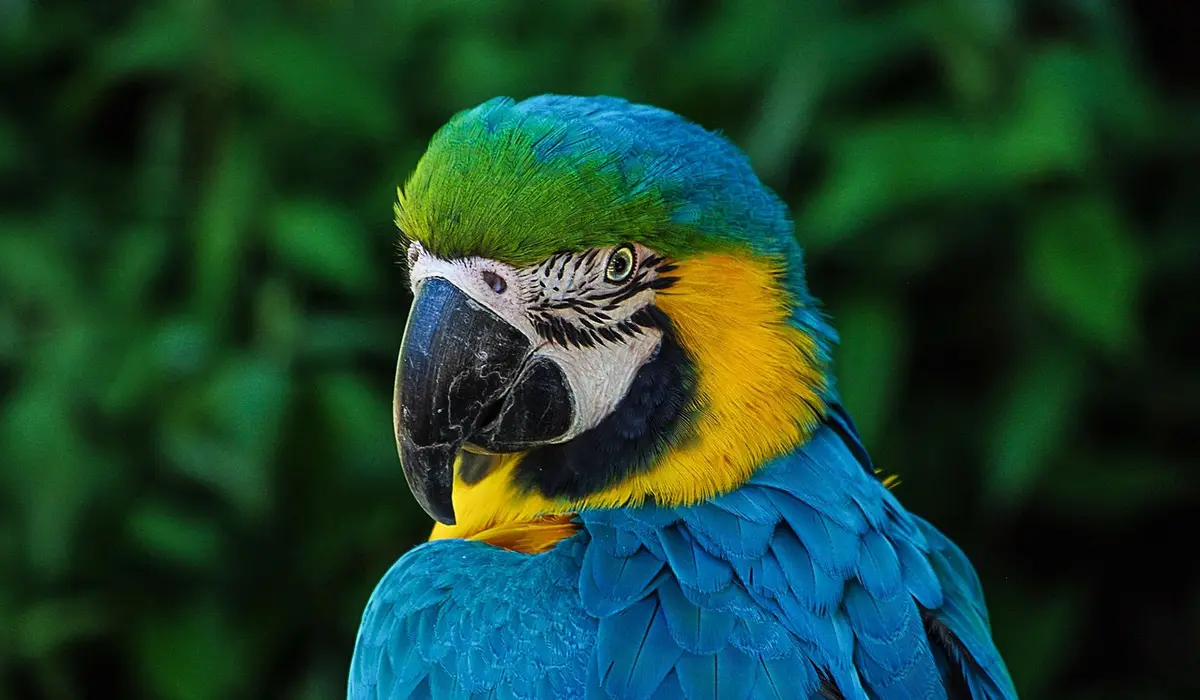
Seeing your parrot sluggish is one thing, but some symptoms scream for immediate professional help. Any rapid weight loss, labored breathing where you see their tail bobbing with each breath, or drastic changes in their droppings are serious red flags. A quick respiratory distress checklist can help you spot breathing problems early—watch for open-mouth breathing, tail bobbing, wheezing, or nasal discharge. If you notice any of these signs, seek urgent veterinary care.
- Urgent signs include your bird sitting fluffed up for more than a day, not drinking water, or having green or bloody feces.
- Neurological issues like loss of balance or seizures demand an emergency visit right away.
- A sudden inability to perch or a drastic drop in vocalization are also major causes for concern.
What Happens at the Avian Vet
A vet visit can feel scary, but knowing what to expect helps. The vet will start with a thorough physical exam, checking everything from their keel bone for body condition to their nares for discharge.
- Common diagnostic tests often include a blood panel to check organ function and a fecal exam for parasites.
- They might take a swab for bacterial or fungal cultures, especially if respiratory issues are present.
- In some cases, X-rays are needed to look for internal problems like egg binding or tumors.
Preparing for Your Appointment
Being prepared helps your vet help your bird faster. I always bring a fresh stool sample from that morning, sealed in a zip-top bag.
- Note down all the symptoms you’ve observed and when they started.
- Bring a list of their current diet and any supplements they receive.
- If possible, take a short video of the concerning behavior to show the vet.
An avian-specific vet is non-negotiable for an accurate diagnosis, as they understand the unique physiology of birds. Regular vets often miss the subtle clues that an expert will spot immediately. I learned this the hard way with my conure, Kiwi; a specialist found an issue a general vet had overlooked entirely. Avian vets specialize in the unique physiology and behavior of birds, so they spot issues others miss. For a parrot, that specialized knowledge can be the difference between timely treatment and a crisis.
Boosting Your Parrot’s Vitality: Prevention and Recovery Tips
Preventing lethargy is far easier than treating it. A proactive approach builds a foundation of health that keeps their energy levels high.
- Provide a balanced diet rich in fresh vegetables, a high-quality pellet, and limited seeds as treats.
- Offer a variety of safe, destructible toys made from bird-safe wood, leather, and paper to encourage natural foraging behavior.
- Establish a regular exercise routine with supervised out-of-cage flight or climbing time every single day.
Caring for a Sick Bird at Home
If your bird is recovering from an illness, your home care makes all the difference. Ensuring they have a quiet, warm, and draft-free space to rest is the most critical first step. In addition, having basic home first aid knowledge for a sick parrot can help stabilize them while you arrange veterinary care. If you notice alarming signs—rapid or labored breathing, extreme lethargy, or inability to perch—seek emergency avian care promptly and keep your bird warm and calm during transport.
- Provide a supplemental heat source like a heating pad on low placed on one side of the cage.
- Offer their favorite, easy-to-eat foods and make sure fresh water is always within reach.
- Minimize stress by keeping noise levels low and limiting handling to only what’s necessary.
Long-Term Strategies for a Vibrant Parrot
Think of your parrot’s health as a long-term investment. Consistent, small efforts prevent big problems down the road. In this complete guide, we’ll explore the most common parrot health concerns and how to address them early. By understanding warning signs, you can keep your bird healthy for years to come.
- Schedule annual wellness check-ups with your avian vet, even if your bird seems perfectly healthy.
- Continuously enrich their habitat by rotating toys and introducing new, safe foraging puzzles.
- Maintain a consistent sleep schedule of 10-12 hours of darkness in a quiet room to support their immune system.
I’ve seen incredible turnarounds by focusing on habitat enrichment and diet. My African Grey, Sage, went through a sluggish period. By introducing more complex foraging toys and adding more fresh greens to his diet, his curiosity and playful chatter returned stronger than ever. It’s about creating an environment where they can truly thrive.
## Common Questions
What are the best dietary changes to prevent lethargy in my parrot?
Transition your parrot to a balanced diet of high-quality pellets and daily fresh vegetables. Limit seed intake to occasional treats, as an all-seed diet is a common cause of nutritional deficiencies that lead to low energy.
How can I tell if my parrot is lethargic or just bored?
A bored parrot may still show interest in new stimuli or play when encouraged, while a lethargic bird will remain unresponsive and withdrawn. A sudden, persistent lack of interest in favorite activities and people is a key indicator of a health issue, not just boredom. If you’re asking, “why is my parrot bored?” I can help with practical enrichment ideas and a plan to re-engage them. I’ll walk you through simple strategies to keep your bird curious and responsive.
What immediate environmental changes can I make to help a sluggish parrot?
Immediately ensure the cage is in a warm, draft-free area away from kitchen fumes and noisy appliances. Check that the room has good air quality, free from aerosol sprays or scented candles, and offer fresh, clean water.
How long does it typically take for a parrot to recover its energy after an illness?
Recovery time varies greatly depending on the illness and its severity, but you should see gradual improvement within a few days of starting proper treatment. Full recovery of their normal, vibrant energy levels can take several weeks, requiring patience and consistent supportive care.
Is it normal for my parrot to be less active during molting season?
Yes, it is common for parrots to be quieter and conserve energy during a heavy molt, as growing new feathers is metabolically demanding. However, they should still be eating, drinking, and showing some interest in their surroundings; complete lethargy or a refusal to eat is not normal and warrants a vet visit.
In Closing
Lethargy in parrots often signals hidden issues, so start by observing their daily habits and environment for clues. From my time with Kiwi and Sunny, I’ve found that quick checks on diet, cage setup, and social interactions can reveal simple fixes before problems escalate. Pair these checks with a simple, consistent training routine—short daily sessions that reinforce calm, desirable behaviors. Routine training helps prevent and address behavioral issues before they spiral. Always trust your instincts and consult an avian vet if anything feels off, as early action keeps your feathered friend vibrant and healthy.
Caring for parrots is a lifelong journey that demands attention and empathy. I encourage you to stay curious and keep learning, whether through books, online resources, or connecting with other bird lovers, to give your parrot the best life possible. Your dedication makes all the difference in their happiness and well-being. Annual vet checkups are a cornerstone of this preventative care, helping catch issues early and keep your parrot healthy. They guide you on vaccinations, nutrition, and daily routines as part of a comprehensive care plan.
Further Reading & Sources
- Lethargy in Parrots: Causes and First Aid for Your Birds – VetBilim
- Apathy in Parrots: Recognizing and Addressing the Causes – VetBilim
- Parrot Health | Parrots and Disease | Parrots | Guide | Omlet US
Suzanne Levine is a dedicated parrot enthusiast and experienced avian caregiver with over 15 years of hands-on experience in parrot care. As the founder of Parrot Care Central, Suzanne is passionate about sharing her knowledge and insights to help fellow parrot owners provide the best possible care for their feathered friends. Her expertise spans nutrition, behavior, health, and enrichment, making her a trusted resource in the parrot care community.
Health & Wellness