
How to Train and Tame a Quaker Parrot: A Friendly Guide
Published on: January 11, 2026 | Last Updated: January 11, 2026
Written By: Suzanne Levine
Are you feeling overwhelmed by the challenge of training and taming your Quaker parrot, worried about causing stress or missing key steps?
I’ve spent years working with parrots like my playful Kiwi and social Sunny, and I’m here to walk you through a gentle, effective approach. This guide breaks down the essentials into three core areas:
- Building trust through patient, positive interactions
- Using reward-based training for lasting results
- Creating a safe environment that supports learning
You’ll find clear, actionable steps that prioritize your bird’s well-being. The article covers: understanding Quaker behavior, setting up for success, taming techniques, basic commands, handling challenges, and maintaining progress.
Start with Trust: Your First Days with a Quaker Parrot
Your first days together set the stage for your entire relationship. I always set up the cage in a quiet, low-traffic room where my parrot, Kiwi, could feel secure without constant surprises. This initial calm is non-negotiable. In a step-by-step survival guide for your new parrot’s first day home, these basics become your foundation. Following these early steps helps your bird settle in, build trust, and start your lifelong bond.
- Place the cage against a wall, not in the middle of a room, to give your bird a safe corner.
- Install a variety of safe, natural wood perches of different diameters to keep feet healthy.
- Arrange food and water dishes away from perches to avoid contamination.
Resist the urge to force interaction. Spend time just sitting near the cage, reading or talking softly, so your presence becomes a normal, non-threatening part of the environment. This passive observation helps you learn their comfort zone.
Your initial quiet interactions should be brief. I found that simply changing the food and water without making direct eye contact helped my bird understand I was a provider, not a predator. Let them watch you from their safe distance.
Building a Bond: The Heart of Taming Your Quaker
This is where the magic happens, turning a wary stranger into a feathered friend. Positive reinforcement with high-value treats, like a tiny piece of millet or pine nut, is the golden key to your Quaker’s heart and mind. I always have a treat pouch ready.
- Identify their absolute favorite snack and reserve it solely for training sessions.
- Reward any small step of bravery, like moving closer to your hand, immediately.
- Keep sessions short-just 5 to 10 minutes-to end on a positive, high-energy note.
Incorporate bonding into your daily routine. I make a habit of talking to my parrots in a cheerful, soft voice every morning when I uncover their cages, creating a predictable and reassuring start to the day. Consistency builds trust faster than anything else. These daily moments are core bonding techniques that work. With patience and consistency, you’ll see your parrot grow more trusting.
Progress to offering food from your hand. Start by holding a treat through the cage bars, then gradually place your open hand with a treat just inside the cage door, letting the bird come to you. Patience here pays off for a lifetime. For a healthy diet, follow species-specific feeding guidelines from a complete parrot diet guide to ensure balanced nutrition. A tailored feeding plan helps meet your parrot’s diet requirements.
Reading Your Quaker’s Body Language
Your Quaker is talking to you all the time with its body. Learning this language is your superpower. When my conure, Sunny, fluffs her feathers and lets out a soft chatter, I know she’s content and relaxed, which is the perfect time for a gentle interaction.
- Fluffed Feathers: Can mean a relaxed, cozy bird or, if combined with lethargy, potential illness. Context is everything.
- Eye Pinning: The pupils rapidly constricting and dilating often signals high excitement or curiosity, a great moment to introduce a new toy or trick.
- Leaning Away or Crouching Low: Clear signs of fear; immediately back off and give your bird more space.
- Standing Tall with Feathers Tight: This alert posture means your Quaker is focused and assessing the situation, a neutral state that could go either way.
Connect these signals directly to your actions. If you see signs of fear, slow your movements and lower your voice; if you see curiosity, offer a rewarding opportunity. This responsive approach builds a deeper, more understanding bond.
Essential Training Basics: Step Up and Target Practice

Training your Quaker parrot starts with two foundational skills that build trust and communication between you.
I’ve found that mastering the “step up” command first creates a polite, manageable bird for all future interactions.
Teaching “Step Up” Onto Your Hand
Follow these steps to encourage your Quaker to step onto your hand or a perch willingly.
- Choose a quiet time when your bird is calm and slightly hungry for training motivation.
- Slowly present your finger or a perch just above their feet at chest level.
- Gently press against their lower belly while saying “step up” in a cheerful voice.
- Immediately reward with a tiny treat the moment they place one foot on your hand.
- Practice multiple short sessions daily, gradually reducing treats as they learn.
My Green-cheeked Conure, Kiwi, learned this in three days using millet sprays-their favorite training currency.
Introducing Target Training for Movement
Target training uses a stick or chopstick to guide your parrot’s movements precisely.
- Hold a target stick near your bird’s beak without touching it.
- Click or say “yes!” when they investigate the stick with their beak.
- Reward every interaction, then gradually move the stick to encourage following.
- Use this to teach turning, stepping sideways, or moving between perches.
Target training builds problem-solving skills while keeping sessions fun and engaging for curious minds.
Using Clicker Training for Quick Learning
Clicker training marks exact moments of correct behavior for faster learning.
Charging the Clicker
You must first teach your parrot that the click sound means a reward is coming.
- Sit near your bird with treats and a clicker.
- Click once, then immediately give a treat-repeat 10-15 times.
- Watch for them anticipating treats after the click-this means they understand the connection.
Never click without rewarding, or you’ll break the trust you’ve built with that sound association.
Simple Commands to Start
Begin with easy behaviors your Quaker might offer naturally.
- Turning: Use target stick to guide a head turn, click at movement completion.
- Stationing: Click when they remain on a specific perch for increasing durations.
- Retrieving: Click for picking up small wooden blocks or balls.
My Sun Conure, Sunny, learned to spin in a circle using clicker training in under twenty repetitions.
Socialization and Enrichment: Keeping Your Quaker Happy
A well-socialized Quaker is a joyful companion who feels secure in their environment.
Safe Handling to Prevent Bites
Understanding body language prevents most biting incidents before they happen.
- Watch for pinned eyes (rapidly contracting pupils) indicating overstimulation.
- Notice feather positioning-flattened feathers often signal fear or aggression.
- Approach from below their eye level to appear less threatening.
- If they do bite, stay calm and gently put them down rather than reacting dramatically.
Gentle pressure on their lower belly when asking them to step up makes biting physically difficult while teaching cooperation.
Toys and Foraging Activities
Quakers need mental stimulation to prevent boredom and destructive behaviors.
- Rotate toys weekly to maintain novelty-include shreddable wood, leather, and paper.
- Hide treats in cardboard tubes, foraging boxes, or wrapped in paper for them to unwrap.
- Provide puzzle feeders that require manipulation to access food.
- Offer different textures-balsa wood, corn husks, palm fronds-for varied destruction.
I create simple foraging toys by folding treats into coffee filters and hanging them-my birds spend hours happily destroying them.
Social Interaction for Confidence
Regular positive interaction builds your Quaker’s trust in you and their environment.
- Include them in household activities while secured on a play stand.
- Talk to them frequently using consistent phrases for common activities.
- Offer head scratches only when they’re relaxed and leaning in for contact.
- Introduce new people slowly with high-value treats from the newcomer.
My African Grey, Sage, gained confidence through daily “conversations” where I’d pause for her to respond with sounds or words.
Solving Behavior Hurdles: Biting, Screaming, and Fear
When your Quaker parrot nips or screams, it’s often their way of saying they’re scared or seeking attention. I’ve learned that reacting with patience and positive methods, like I do with my Green-cheeked Conure Kiwi, can quickly calm these outbursts and build trust. If you’re looking to stop your parrot from biting, here’s a simple step-by-step training guide you can follow. It keeps things calm, uses rewards, and sets clear boundaries to help you achieve steady progress.
- Redirect nipping and loud vocalizations with toys or treats to shift their focus. For instance, if Kiwi starts biting, I gently offer her a chew toy instead, which teaches her that gentle play gets rewards.
- Spot bite triggers early, like sudden movements, and respond with slow, consistent actions to prevent fear-based reactions. With my Sun Conure Sunny, I avoid quick gestures and use a calm voice to show that steady behavior keeps everyone safe.
Advanced Skills: Recall, Talking, and Fun Tricks
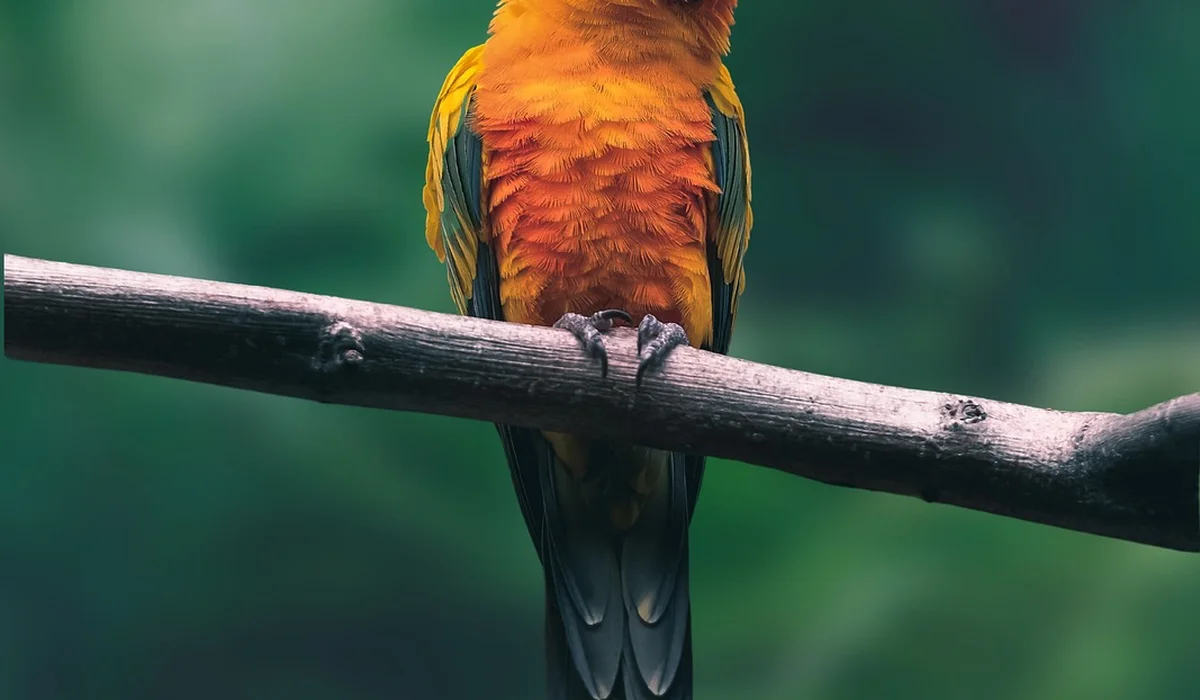
Building on basic training, advanced skills like recall and talking can make your Quaker parrot more engaged and happy. Always practice in a secure, indoor space to prevent accidents and boost their confidence. To support flight skills, create a safe, stimulating indoor flight environment for your parrot. Clear hazards, provide varied perches, and enrich the space to encourage gentle flight and exploration.
- Teach recall by starting with short distances and using high-value treats as incentives for flying to you on cue. I trained Sunny to come when called by holding a piece of fruit and praising her eagerly each time she succeeded.
- Encourage mimicry and simple tricks through repetition, rewards, and clear cues like hand signals for turning around or fetching small items. My African Grey Sage picked up words by hearing them often, and she now loves showing off her spin trick for a favorite nut.
Health and Routine: Supporting Training Success
Your Quaker parrot’s ability to learn is directly tied to their physical and mental health. A well-fed, active bird is an attentive and eager student, ready to absorb your lessons. I learned this firsthand with my Green-cheeked Conure, Kiwi; on days he had a balanced diet and plenty of play, our training sessions were full of breakthroughs. A guide comparing training across parrot species can help tailor techniques to each bird’s needs. It can help you apply these insights to Quaker parrots, Conures, and other species.
The Training Trifecta: Diet, Exercise, Vet Care
Think of these three elements as the foundation of your training program. Neglect one, and the whole structure can wobble.
- Diet: A seed-only diet is like feeding a child candy for every meal-it leads to energy crashes, poor health, and a grumpy, uncooperative bird. Offer a high-quality pellet base, supplemented with fresh chop full of chopped veggies, a bit of fruit, and healthy grains. A nutritious diet stabilizes their mood and fuels their brain for learning new tricks and words.
- Exercise: A sedentary parrot is often a destructive or noisy parrot. Daily out-of-cage time for flying or climbing is non-negotiable for burning off energy and keeping their mind sharp. My Sun Conure, Sunny, gets her “zoomies” out every morning, which makes her much calmer and more focused for our afternoon training.
- Veterinary Care: Yearly check-ups are your secret weapon. A vet can spot subtle health issues you might miss, like vitamin deficiencies or early signs of illness that directly impact behavior and cognitive function. A bird in pain or discomfort cannot and will not want to engage in training.
The Power of Patience and Consistency
Training a parrot isn’t a sprint; it’s a marathon you run together every single day. Your consistency builds a predictable, safe world for your Quaker, which is the bedrock of trust. My African Grey, Sage, took months to willingly step onto my hand, but showing up with the same calm energy each day finally won her over. Don’t let common training myths stall you—these top 12 parrot training myths that are holding back many trainers are worth debunking as you stay consistent.
- Short, Sweet Sessions: Aim for multiple 10-15 minute sessions daily rather than one long, exhausting hour. This keeps training fun and prevents both of you from getting frustrated. End each session on a positive note with a favorite treat or a head scratch.
- Routine is Reassuring: Parrots thrive on knowing what comes next. Incorporate training into your daily rhythm, like right after breakfast or before evening cage cover, so it becomes a normal, expected part of their day.
- Progress, Not Perfection: Some days your parrot will amaze you; other days they’ll act like they’ve never met you before. Celebrate the tiny victories and understand that regression is a normal part of the learning process for these intelligent creatures.
FAQs
How long does the taming process usually take for a Quaker parrot?
The taming timeline varies based on the bird’s personality and past experiences, but it can take weeks to months for consistent trust. Be patient and focus on daily, positive interactions to build a strong bond over time.
What are some signs that my Quaker parrot is ready for more advanced training?
Your Quaker may show readiness by eagerly participating in basic commands and displaying curiosity, like approaching new objects or mimicking sounds. Increased confidence and reduced fear during sessions also indicate they’re prepared for challenges like recall or trick training.
How can I prevent my Quaker parrot from becoming bored between training sessions?
Rotate toys regularly and introduce foraging activities to keep their mind engaged and simulate natural behaviors. Providing varied textures and puzzle feeders can reduce boredom and encourage independent play throughout the day. These are among the best toys and enrichment activities to prevent boredom and stress, boosting overall well-being. Tailoring enrichment to your pet’s interests helps keep engagement high and stress low.
Final Thoughts
Training your Quaker Parrot hinges on patience and consistency, using positive reinforcement like treats to build trust through daily, gentle interactions. From my experience with Kiwi, my playful Green-cheeked Conure, I found that short, fun sessions with clear rewards made all the difference in taming and bonding. This approach is at the heart of positive reinforcement training for parrots: rewarding desired behaviors encourages repeat performances. With consistency, it strengthens trust and motivation. Always watch their body language to gauge comfort and adjust your approach, ensuring a stress-free environment that fosters learning and connection.
Commit to responsible pet ownership by providing a spacious cage, nutritious diet, and regular vet check-ups to support their health and happiness. As a parrot enthusiast, I urge you to keep exploring resources and communities to stay informed, because continuous learning enriches both your life and your feathered friend’s well-being. Consider exploring the ultimate guide to foraging to enrich your parrot’s diet for practical, safe ideas that turn meals into enriching foraging adventures. Foraging-based feeding can boost problem-solving skills and overall happiness. Embrace this journey with care and curiosity, making every moment count for your parrot’s lifelong welfare.
Further Reading & Sources
- About Quaker Parrot: Training, Temperament & Characteristics
- How to Get Your Quaker Parrot to Talk and Do Astonishing …
- Training a Quaker Parrot to Lie in Your Hand | Monk Parakeet Training – YouTube
Suzanne Levine is a dedicated parrot enthusiast and experienced avian caregiver with over 15 years of hands-on experience in parrot care. As the founder of Parrot Care Central, Suzanne is passionate about sharing her knowledge and insights to help fellow parrot owners provide the best possible care for their feathered friends. Her expertise spans nutrition, behavior, health, and enrichment, making her a trusted resource in the parrot care community.
Obedience Training