
Is Bread Safe for Parrots? A Complete Guide
That little piece of bread your parrot is eyeing on your plate can feel like a big, confusing question mark. You want to share a snack, but you’ve probably heard mixed things about whether it’s actually okay for them.
I’ve been through this myself with my own flock. I’ll help you sort through the noise by breaking down the three most important things you need to know right now.
- The specific types of bread that are safest for an occasional treat.
- The hidden ingredients in bread that can be harmful to your bird.
- Simple guidelines for how much to offer and how often.
By the end of this, you’ll have clear, confident answers. We’re covering everything from the basics to the specifics.
Topics covered: safe bread types, unsafe ingredients, preparation methods, portion sizes, healthy alternatives, signs of a bad reaction
What’s in Bread? Breaking Down the Ingredients
Let’s look at what you’re really offering when you hand over a piece of bread. Most commercial breads are packed with refined flour, sugar, and salt—none of which belong in a parrot’s regular diet. This is exactly the kind of topic we explore in parrot diet myths debunked: 7 common misconceptions about avian nutrition. My conure, Kiwi, once snatched a piece of my sandwich, and the sugar rush that followed was a real eye-opener for me.
Starch and Carbohydrates in Parrot Diets
Bread is loaded with simple carbohydrates that break down into sugar. A parrot’s digestive system isn’t built to process these high-starch foods efficiently. Think of it like giving a child a bag of candy; it provides a quick energy spike but zero nutritional value and can lead to weight gain.
- Empty calories that displace nutritious foods
- Can contribute to obesity and fatty liver disease
- Spikes blood sugar, leading to energy crashes
The Role of Gluten and Yeast
Gluten, the protein in wheat, can be difficult for some parrots to digest. Undigested gluten can irritate their sensitive digestive tracts, potentially causing discomfort or inflammation. I noticed Sage, my African Grey, seemed a bit lethargic after tasting a crumb of my whole wheat toast.
Raw yeast is a definite danger. Yeast dough can expand in a parrot’s crop, causing a life-threatening blockage and producing alcohol as it ferments. Always ensure any bread offered is fully baked and completely cooled.
Safe Bread Types for Your Feathered Friend
If you decide to share a tiny treat, the type of bread matters immensely. Your best bet is always a simple, homemade, or organic bread with a short, recognizable ingredient list. My flock gets excited for a rare, tiny piece of my special bird-safe recipe.
Whole Grain and Wheat Bread Options
When selecting bread, whole grains are the superior choice. Whole grain breads retain more fiber and nutrients than their refined white counterparts, making them a slightly better occasional snack. Look for options with visible seeds and grains, as these can provide some enrichment.
- 100% whole wheat or multigrain bread
- Breads with added seeds like flax or sunflower (unsalted)
- Sprouted grain breads for easier digestion
- Low-sodium or no-salt-added varieties
Can Parrots Eat Sourdough Bread?
Sourdough presents a unique situation. The fermentation process breaks down some of the phytates and gluten, which might make it slightly easier on their system than regular white bread. However, it’s still nutritionally empty for them.
The tangy taste can intrigue some parrots. If you offer a minuscule piece of plain, fully fermented sourdough, ensure it contains no added garlic, onion, or excessive salt. My Sunny, the sun conure, was curious about the smell but lost interest after one tiny peck.
Breads to Avoid for Parrot Health
White Bread and Refined Flour Risks
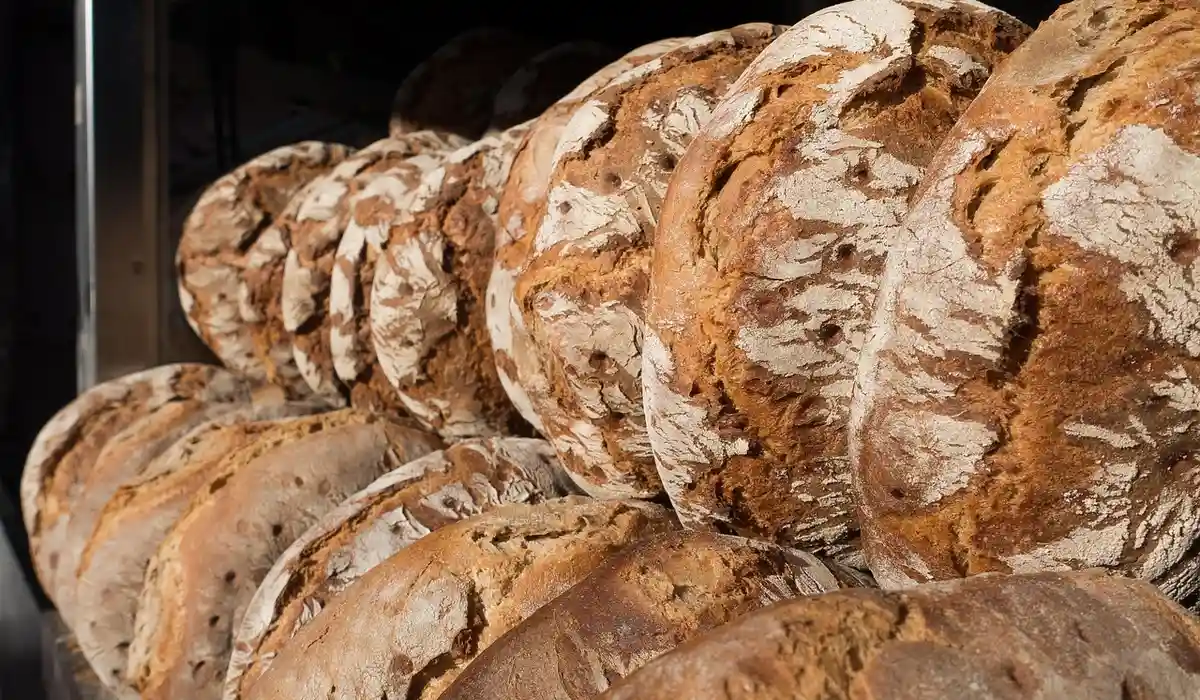
White bread might look harmless, but it’s a poor choice for your feathered friend. I learned this the hard way with Kiwi, my Green-cheeked Conure, who once snatched a piece and later seemed less energetic. Refined flour in white bread strips away fiber and nutrients, leaving empty calories that don’t support a parrot’s active lifestyle. White bread offers no real nutrition and can make your parrot feel full without the vitamins they need to thrive. Over time, this can lead to health issues, as it lacks the whole grains that provide sustained energy.
- High in simple sugars that spike blood levels
- Low in fiber, which aids digestion
- Missing essential minerals like zinc and magnesium
From my experience, swapping to healthier treats kept Kiwi more playful and alert. Always check labels-if it’s made with refined flour, skip it to avoid long-term harm.
Moldy Bread and Spoilage Dangers
Moldy bread is a silent threat that can poison your parrot quickly. Even a tiny spot of mold can release mycotoxins, which are toxic compounds I’ve seen cause severe illness in birds like Sunny, my Sun Conure. Mold spores can spread invisibly, so any bread with even a hint of spoilage should be thrown out immediately. These toxins attack the liver and respiratory system, leading to symptoms like lethargy or trouble breathing. This is why knowing the toxic foods parrots complete list to avoid is essential for every bird owner, and keeping that list handy helps protect Sunny and other birds.
- Watch for discoloration or a musty smell
- Store bread in dry, cool places to prevent mold growth
- If unsure, err on the side of caution and discard it
I always inspect treats closely after a scare with spoiled fruit-it’s not worth the risk to your parrot’s well-being. Ice cream is generally unsafe for parrots. Guides on safe and unsafe treats stress avoiding dairy and added sugar.
Health Risks of Feeding Bread to Parrots
Obesity and Nutritional Deficiencies
Feeding bread can pack on extra pounds and leave your parrot malnourished. Parrots like Sage, my African Grey, need a balanced diet rich in variety, but bread’s high carb content often leads to weight gain without filling nutrient gaps. Regular bread consumption can cause obesity, making it harder for your bird to fly and stay active. This imbalance means they might miss out on key vitamins like A and D, which are vital for strong bones and feathers. Weight management and keeping parrots in healthy weight ranges are central to obesity prevention. Pairing proper portions with daily activity helps maintain a lean, energetic bird like Sage.
- Leads to fatty liver disease over time
- Reduces appetite for healthier foods
- Contributes to dull plumage and weak immunity
I’ve noticed that when I cut out bread, my parrots show brighter colors and more energy-proof that every bite counts toward their health.
Digestive and Choking Hazards
Bread can wreak havoc on your parrot’s digestive system and pose a choking risk. Its soft texture might seem easy to eat, but it can swell in the crop, causing blockages I’ve worried about with my curious birds. Large pieces of bread can get stuck in the throat, leading to choking or respiratory distress. Additionally, the lack of fiber can slow down digestion, resulting in constipation or impaction that requires vet care.
- Always tear bread into tiny, manageable bits
- Monitor for signs like regurgitation or difficulty swallowing
- Offer moistened pellets or fresh veggies as safer alternatives
After a close call with Kiyi trying to swallow a big chunk, I stick to bird-safe foods to keep their tummies happy and safe.
How to Safely Offer Bread to Your Parrot
Portion Control and Moderation Tips
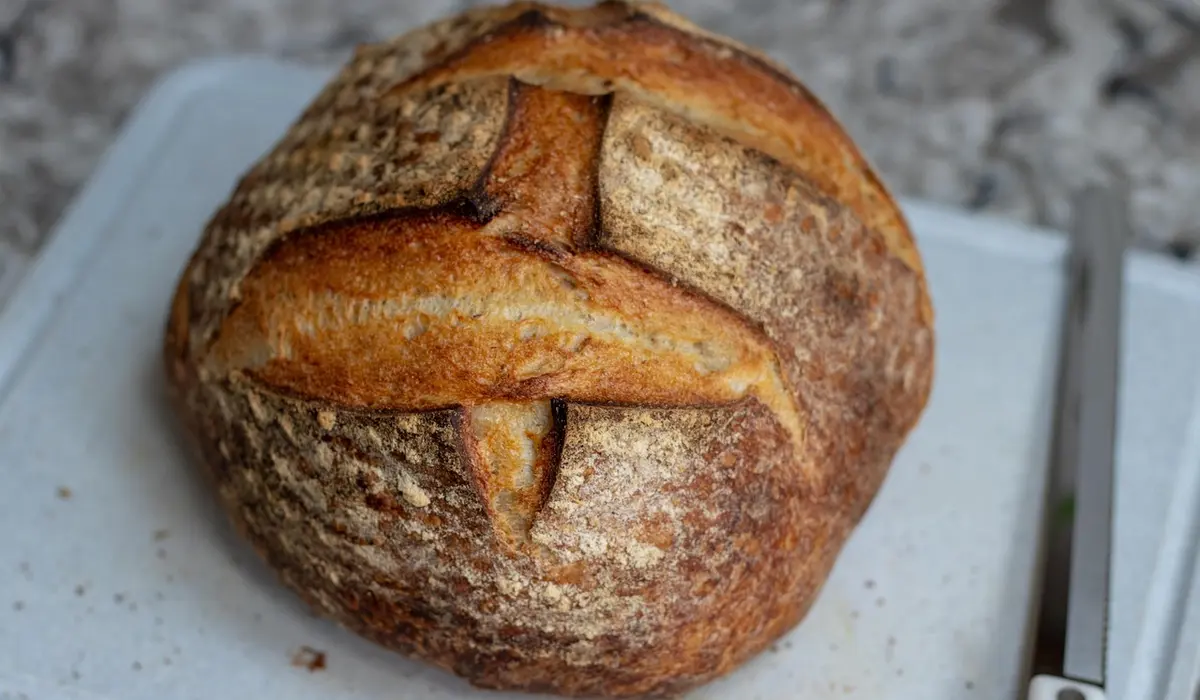
Think of bread as a rare snack, not a meal. I give my conure, Kiwi, a piece no larger than a single crumb once a week, and that’s our absolute maximum. For larger parrots like my African Grey, Sage, a piece the size of a pea is plenty.
Their tiny bodies can’t handle large amounts of processed flour and salt. Overdoing it can quickly lead to weight gain and nutritional deficiencies, crowding out the healthy foods they truly need. I always watch for any changes in their droppings or energy levels after a tiny treat.
- Offer bread less than once a week.
- Portion size should be tiny-think a single crumb for small birds, a pea-sized piece for large birds.
- Never replace a regular meal with bread.
- Monitor your parrot’s weight and overall health if introducing any new treat.
Preparing Bread for Parrot Consumption
If you decide to share a morsel, preparation is everything. I always choose a simple, organic whole wheat bread with no added salt, sugar, or seeds for my flock. The plainer, the better.
You must make it safe for their delicate systems. Lightly toasting the bread until it’s crisp helps break down some of the starches and makes it easier for them to digest. I then let it cool completely to avoid any risk of burning their tongue.
- Select a plain, whole-grain bread with the shortest ingredient list possible.
- Check the label meticulously for toxic additives like xylitol, garlic, or onion powder.
- Lightly toast a small piece until dry and crisp.
- Allow it to cool to room temperature.
- Crumble it into tiny, beak-friendly pieces before offering.
Nutritious Alternatives to Bread in a Parrot’s Diet
Vegetables and Fruits for Balanced Nutrition
Skip the bread and head straight for the produce aisle. Fresh vegetables should form the cornerstone of your parrot’s diet, far surpassing any processed human food. My birds go wild for chopped bell peppers, shredded carrots, and leafy greens like kale. This aligns with the Safe Vegetables for Parrots: A Complete Edible Guide. It covers safe vegetables and how to prepare them.
Fruit is a wonderful sweet treat, but offer it in moderation due to the natural sugars. I use small pieces of apple (seeds removed!) or berries as high-value training rewards for my sun conure, Sunny, which keeps her engaged and healthy. Variety is the spice of life for a parrot’s palate. General parrot dietary guidelines emphasize balance among fresh foods, pellets, and limited seeds. Following them helps ensure long-term health and nutrition.
- Excellent Veggies: Broccoli florets, sweet potato (cooked), sugar snap peas, and zucchini.
- Great Fruits: Berries, melon, papaya, and peeled orange segments.
- Always wash thoroughly and remove any pits or seeds from fruits like apples and cherries.
Cooked Grains and Homemade Treats
If it’s the grain texture your parrot loves, offer the wholesome, unprocessed version. Cooked quinoa, brown rice, and oats are fantastic, nutrient-dense alternatives that provide energy and fiber. For parrot meal prep, I batch-cook these grains and mix them with chopped veggies to form a ready-to-serve chop. It makes weeknight meals quick and ensures a complete, balanced diet for your bird.
Get creative in the kitchen with simple, bird-safe recipes. My flock’s favorite homemade treat is a simple bake of mashed sweet potato, ground pellets, and a sprinkle of crushed nuts, formed into little balls. It’s a fun activity that results in a healthy snack I feel good about giving them.
- Cooked Grains: Quinoa, brown rice, barley, and plain, unsalted oatmeal.
- Simple Treat Ideas: Mash a banana with pellet dust, or offer a sprig of fresh millet.
- Always avoid salt, oil, butter, and sugar in any homemade parrot food.
FAQs
Can parrots eat bread every day?
No, bread should not be given daily as it offers little nutritional value. Overconsumption can lead to obesity and displace healthier foods in their diet.
What should I do if my parrot accidentally eats moldy bread?
Contact an avian veterinarian immediately for guidance. Watch for signs like lethargy or breathing issues, as mold can be toxic and require prompt care.
Are there any bread ingredients that are always toxic to parrots?
Yes, avoid ingredients like xylitol, garlic, or onion powder, as they are poisonous to birds. Always check labels for these harmful additives before sharing. This topic is part of our Safe Herbs Spices Parrots Complete Guide. See the guide for a list of safe herbs and spices and tips on proper use.
How can I tell if my parrot is having a bad reaction to bread?
Look for symptoms such as vomiting, diarrhea, or unusual lethargy after consumption. Discontinue feeding bread and consult a vet if any issues arise.
Can baby parrots eat bread as part of their diet?
No, baby parrots should stick to specially formulated diets for proper growth. Bread can interfere with nutrient absorption and development at this critical stage. For a species-specific plan, refer to the parrot diet requirements in our species-specific complete feeding guide. This resource outlines safe foods, portions, and feeding frequencies across different parrot species.
Wrapping Up
Ultimately, a tiny bit of plain, whole-grain bread is the safest bet for an occasional treat, but it should never replace their core diet of pellets, fresh veggies, and fruits. Always skip breads with added salt, sugar, garlic, or onion, as these ingredients can be harmful to your feathered friend.
Caring for a parrot is a long-term commitment that thrives on our willingness to keep learning and adapting our care. Your parrot’s vibrant health and happiness depend on the choices you make every single day, so continue to research, ask questions, and provide the best life possible. To translate this into action, create a long-term care plan for your parrot. A written plan helps you stay proactive and ensure consistent care.
Further Reading & Sources
- Can Parrots Eat Bread – Safe or Toxic? – Parrot Junkie
- Can Parrots Eat Bread? Vet-Reviewed Feeding Facts | Hepper Pet Resources
- Can Parrots Eat Bread? Vet-Reviewed Nutritional Science & Info | PangoVet Pet Corner
Suzanne Levine is a dedicated parrot enthusiast and experienced avian caregiver with over 15 years of hands-on experience in parrot care. As the founder of Parrot Care Central, Suzanne is passionate about sharing her knowledge and insights to help fellow parrot owners provide the best possible care for their feathered friends. Her expertise spans nutrition, behavior, health, and enrichment, making her a trusted resource in the parrot care community.
Nutrition