
9 Parrot Feeding Mistakes That Harm Your Bird’s Health
Are you worried your parrot’s diet might be secretly making them sick? I’ve been there myself-watching my own birds and wondering if I was doing everything right. After years of caring for parrots like my playful conure Kiwi and brilliant African Grey Sage, I’ve learned that even small feeding mistakes can have big consequences.
I’ll help you spot and fix these common errors so your feathered friend thrives. You’ll learn:
- Why the most convenient foods are often the most dangerous
- How to recognize nutritional deficiencies before they become serious
- Simple switches that dramatically improve your parrot’s vitality
You’ll get clear, actionable advice you can start using today. We’re covering: seed-only diets, toxic foods, portion problems, vitamin deficiencies, fresh food fears, foraging mistakes, food boredom, water errors, and dangerous human snacks.
The Top 9 Parrot Feeding Mistakes to Avoid
Watching my flock over the years has been a masterclass in parrot nutrition, often learned the hard way. Even with the best intentions, it’s easy to slip into habits that slowly chip away at your bird’s vitality. Understanding and avoiding common parrot feeding mistakes is essential for long-term health. We’ll walk through the most common missteps to avoid them.
- Overfeeding Healthy Foods: I learned this with Kiwi. He adores blueberries, but too many led to messy droppings. Even good things need strict portion control to prevent digestive upset.
- The Seed-Only Diet: This is the big one. It’s like feeding a child nothing but french fries and candy. A seed-only menu sets the stage for obesity and serious vitamin shortages.
- Ignoring Nutrient Balance: Parrots need a symphony of vitamins, not just a single note. Focusing on one type of food creates gaps that weaken their entire system over time.
- Feeding Toxic Human Foods: I never let Sunny near my avocado toast. Many everyday foods for us are outright poisonous to our feathered friends.
- Inconsistent Fresh Food Schedules: Leaving fresh fruits and veggies in the cage too long invites harmful bacteria. I treat fresh meals like a restaurant service-they come out and go away on a strict schedule.
- Neglecting Calcium Sources: Cuttlebone isn’t just a toy. Without dedicated calcium, you risk brittle bones and egg-binding in females.
- Assuming They’ll Self-Regulate: My conures would eat millet spray for every meal if I let them. Parrots often lack an internal “stop button” for high-fat foods, requiring you to be the gatekeeper.
- Forgetting Water Quality: Food is only half the story. Stale, dirty water can introduce illness just as quickly as bad food.
- Sudden Diet Changes: Switching foods overnight shocks their system. A gradual transition over weeks prevents stress and food rejection.
Seed-Only Diets: Why They’re a Recipe for Disaster
I used to think a big bowl of colorful seeds was the pinnacle of parrot care. My African Grey, Sage, showed me how wrong I was. He was lethargic, his feathers looked dull, and he plucked at his chest. His seed-heavy diet was making him sick and unhappy, a reality that changed my entire approach to feeding.
Most commercial seed mixes are packed with fattening sunflower seeds and millet. They’re like bird junk food-delicious but empty. This high-fat, low-nutrient combo is a direct path to fatty liver disease, obesity, and a weakened immune system. They fill your parrot’s belly but starve their body of what it truly needs to thrive.
Transitioning Sage was a test of patience. I started by mixing a high-quality pellet into his seeds. He was suspicious at first, but I persisted. Over a month, I slowly increased the pellet ratio while adding fresh chop-finely chopped veggies and grains. The difference was astounding; his energy returned, his plumage grew back vibrant and full, and his playful, intelligent personality fully emerged.
| Seed-Only Diet Outcome | Balanced Diet Outcome |
|---|---|
| Vitamin A & Calcium Deficiencies | Strong Immune System & Bones |
| Obesity & Fatty Liver Disease | Healthy Weight & Organ Function |
| Dull, Brittle Feathers & Plucking | Bright, Strong Feathers |
| Lethargy & Shortened Lifespan | High Energy & Longevity |
Feeding Schedule and Portions: How Much and When
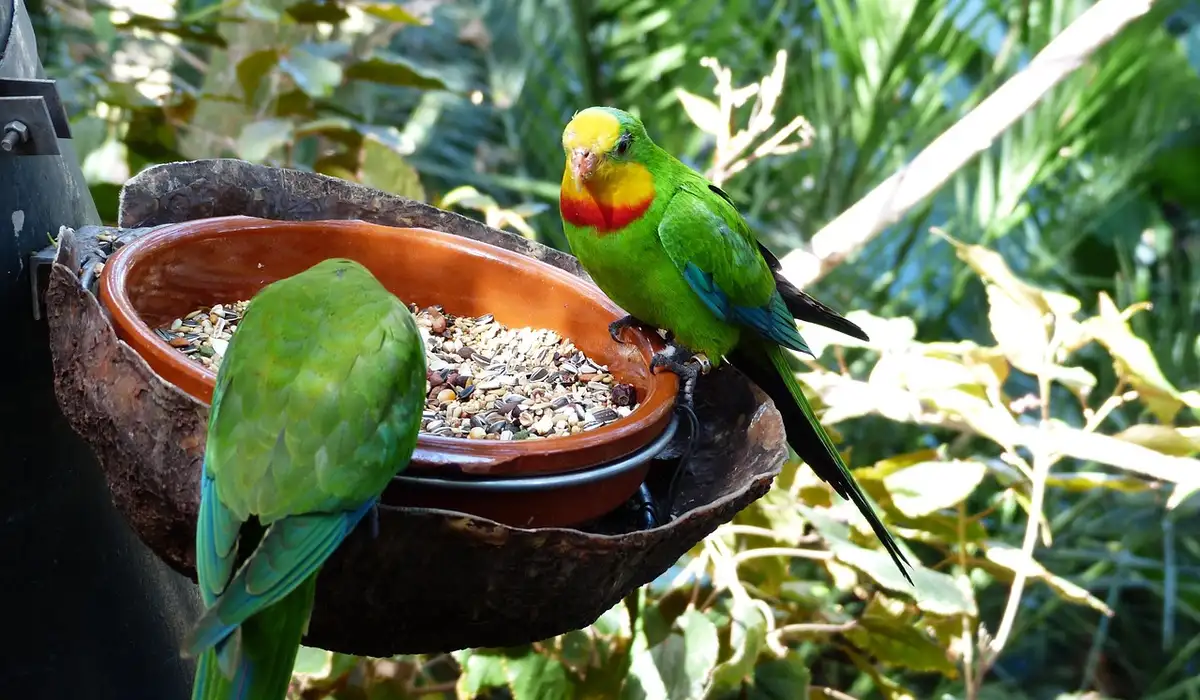
Your parrot’s daily meals should follow a predictable rhythm to keep them thriving. Consistent feeding times reduce stress and help prevent obesity, which I’ve seen firsthand with my playful Green-cheeked Conure, Kiwi. Smaller birds like conures often need more frequent, smaller meals compared to larger species — check this guide for specific dietary needs.
- Small parrots (e.g., conures, budgies): Offer 1-2 tablespoons of food twice daily, adjusting for high energy levels.
- Medium to large parrots (e.g., African Greys, Amazons): Provide 1/4 to 1/2 cup of food once or twice a day, with extra for growing juveniles.
- Young or active birds may require slightly larger portions, but always monitor their weight weekly.
Water is just as crucial as food for your feathered friend. Fresh, clean water should be available at all times, and I change it daily to avoid contamination that could harm birds like my social Sun Conure, Sunny. Look for signs of dehydration, such as sunken eyes or lethargy, and overhydration is rare but may show as watery droppings.
- Weigh treats weekly to ensure they don’t exceed 10% of the total diet-use a small kitchen scale for accuracy.
- Swap high-fat seeds for healthier options like bits of fresh veggies, which my curious Kiwi adores.
- Keep a simple journal of treat intake to spot trends and adjust before weight gain occurs.
Pellets, Seeds, and More: Building a Balanced Diet
Pellets form the core of a nutritious diet because they’re packed with vitamins and minerals. I rely on high-quality pellets for about 60-70% of my parrots’ meals to avoid the imbalances common in seed-heavy diets. For most medium-sized birds, aim for 1/4 cup of pellets daily, and soaking them can make eating easier for older parrots or those with beak issues.
- Soaking pellets in water for a few minutes softens them, which can help picky eaters or birds recovering from illness.
- Avoid over-soaking to prevent bacterial growth-serve immediately and discard uneaten portions within an hour.
Variety with fresh fruits and vegetables adds essential nutrients and keeps mealtime exciting. Include a mix of colors and textures daily, but limit sugary fruits like grapes to occasional treats to prevent health issues. My smart African Grey, Sage, enjoys leafy greens and bell peppers, which are low in sugar and high in fiber.
Here’s a sample daily meal plan inspired by my flock’s routines—adjust based on your parrot’s size and preferences. Consider homemade parrot food recipes as healthy, nutritious options to add variety. They let you tailor ingredients to your bird’s needs.
| Meal | Kiwi (Green-cheeked Conure) | Sunny (Sun Conure) | Sage (African Grey) |
|---|---|---|---|
| Breakfast | 1 tbsp pellets, chopped apple slice | 1 tbsp pellets, small piece of carrot | 1/4 cup pellets, spinach leaves |
| Lunch | Fresh water, a bit of broccoli | Fresh water, diced sweet potato | Fresh water, a few blueberries |
| Dinner | 1 tbsp pellets, sprinkle of seeds as treat | 1 tbsp pellets, cucumber slice | 1/4 cup pellets, cooked quinoa mix |
Human Foods: What’s Safe and What’s Toxic
Sharing your snack with a curious parrot feels like a bonding moment, but many human foods are outright dangerous for them. I learned this the hard way when my Green-cheeked Conure, Kiwi, once snatched a piece of avocado from my plate before I could stop him; the panic I felt was immediate and real.
Foods That Are Toxic to Parrots
Some common foods act like silent poisons in a parrot’s small body.
- Avocado: Contains persin, a toxin that causes heart damage and respiratory distress. Think of it like feeding them a tiny, green time bomb.
- Chocolate & Caffeine: Both contain methylxanthines. For a parrot, it’s like a super-charged, toxic energy shot that overloads their nervous system and heart.
- Onions & Garlic: These contain thiosulphate, which breaks down red blood cells and can cause severe anemia. It’s like their blood slowly loses its ability to carry oxygen.
- Alcohol, salty snacks, and foods with artificial sweeteners like xylitol are also major hazards.
Safe and Healthy Human Food Options
Many fresh fruits and vegetables are fantastic, nutrient-rich treats.
- Fruits: Apples (seeds removed), bananas, berries, and melons. My conure, Sunny, goes crazy for a small piece of mango.
- Vegetables: Cooked sweet potato, shredded carrots, dark leafy greens like kale, and broccoli florets.
- Grains: Cooked brown rice, quinoa, and small amounts of whole-wheat pasta.
- Always wash produce thoroughly to remove pesticides and offer it in bite-sized, manageable pieces.
Quick-Reference Food Table
| Safe to Eat | Never Feed |
|---|---|
| Apples (no seeds) | Avocado |
| Carrots | Chocolate |
| Blueberries | Coffee & Tea |
| Cooked Sweet Potato | Onions & Garlic |
| Leafy Greens | Alcohol |
Essential Nutrients: Calcium, Vitamins, and Water
A balanced diet is more than just avoiding the bad stuff; it’s about actively providing the building blocks for health. My African Grey, Sage, taught me that proper nutrition directly impacts their mood, feather quality, and even their ability to learn and mimic.
The Calcium and Vitamin D Power Couple
Calcium is the cornerstone of strong bones and is vital for nerve function and blood clotting. Without enough calcium, a parrot can develop weak, brittle bones and even experience seizures. Vitamin D is calcium’s best friend because it allows their body to actually absorb and use the calcium you provide.
- Sunlight is the best natural source of Vitamin D. I make sure all my birds get supervised, safe outdoor time in a secure cage or harness.
- Full-spectrum UVB lighting indoors can mimic natural sunlight, especially during winter months.
- Calcium-rich foods include dark leafy greens (collard, kale), broccoli, and fortified pellets.
Sources and Supplements
You can get these nutrients from a variety of sources.
- Dietary Sources: A high-quality pellet diet is formulated to be a complete base. Fresh veggies like kale and okra are excellent calcium boosts.
- Supplements: Cuttlebone is a classic and my parrots love gnawing on it. You can also use liquid calcium drops in their water or powder sprinkled on soft food, but always consult your vet first.
- Always provide a constant supply of fresh, clean water, as it is essential for metabolizing all these nutrients.
My Routine with Kiwi for Optimal Health
Keeping Kiwi’s bones and feathers in top shape is a daily practice. Every morning, his fresh food bowl gets a sprinkle of finely chopped kale over his pellets, and a cuttlebone is always clipped to his cage. I also rotate his cage near a sunny window for a few hours and have a UVB lamp for his main play area. This consistent routine has kept him vibrant, active, and his feathers impossibly soft.
Switching Diets: How to Transition from Seeds
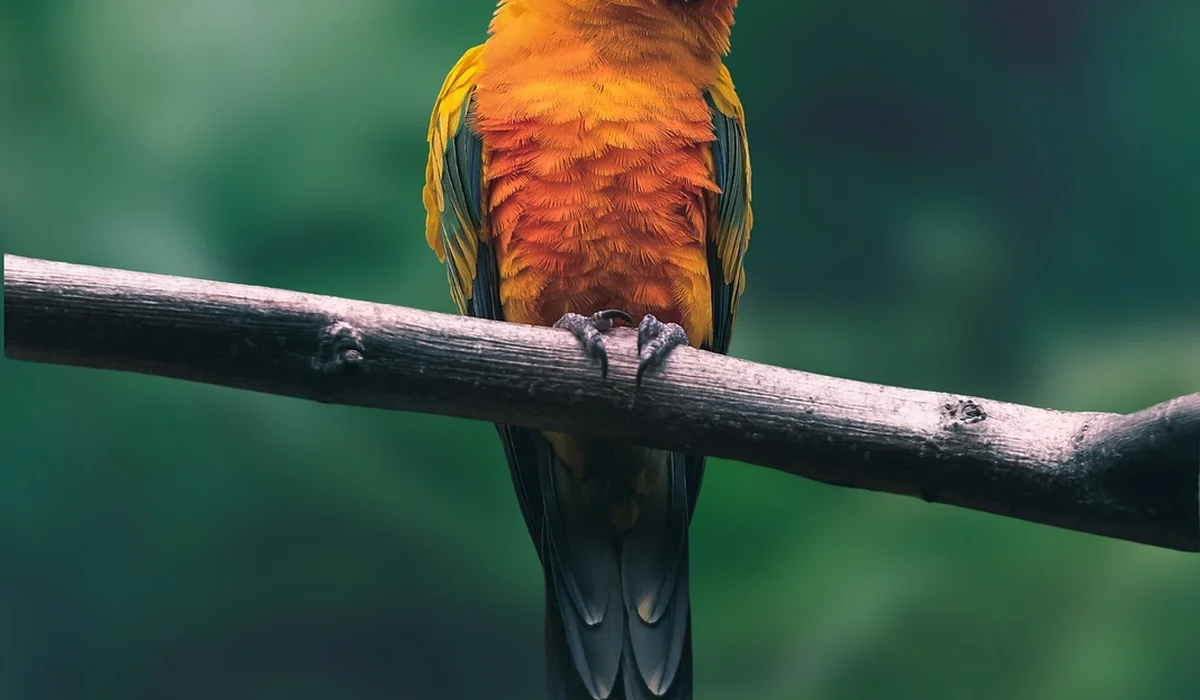
Moving your parrot from an all-seed diet to healthier pellets and fresh foods takes patience. I learned this the hard way with my sun conure, Sunny, who would toss anything green right out of his bowl. A sudden switch can stress your bird and lead to hunger strikes, so gradual changes are your best friend. Parrot diet myths debunked reveal several common misconceptions about avian nutrition, including the belief that seeds are enough. Understanding these seven myths can guide a healthier transition.
Step-by-Step Food Transition Plan
- Start by mixing 75% of their old seed mix with 25% new pellets or chopped veggies.
- Over 2 weeks, slowly adjust the ratio until it’s half seeds, half new food.
- By week 4, aim for 25% seeds and 75% healthier options.
- Eventually, seeds become occasional treats rather than meal staples.
This slow-method prevents digestive upset and gives your parrot time to accept new textures and tastes. This approach is highlighted in our ultimate guide to foraging, designed to enrich your parrot’s diet. Foraging-based feeding boosts enrichment and diversity in their meals. Always ensure fresh water is available, as dietary changes can affect their hydration needs.
Winning Over Picky Eaters Like Sunny
My Sunny was stubborn, but these tricks worked wonders:
- Eat the new food yourself in front of them – parrots are curious and may try it.
- Chop veggies finely and mix with a favorite seed to encourage tasting.
- Offer new foods in the morning when they’re hungriest.
- Try different presentations – hang leafy greens from the cage or use foraging toys.
Consistency is key; it took nearly two months before Sunny willingly ate bell peppers. Don’t give up if they reject a food the first ten times – keep offering it without pressure.
Spotting a Successful Transition
A smooth diet change shows through:
- Consistent eating habits without weight loss
- Bright eyes and clean, smooth feathers
- Normal droppings without drastic color changes
- Maintained energy levels and playful behavior
Contact your avian vet if you notice lethargy, fluffed feathers for extended periods, or a 10% weight drop. These could signal that the transition is moving too fast or that underlying health issues need addressing.
Warning Signs: Diet-Related Health Issues in Parrots
Your parrot’s body speaks volumes about their nutrition. Feather plucking was my first red flag with Kiwi, my green-cheek conure, before I corrected his fatty seed addiction. Recognizing these signals early can prevent serious health complications.
Common Symptoms of Poor Nutrition
- Dull, ragged feathers or excessive plucking
- Lethargy and decreased interaction
- Flaky beak or overgrown nails
- Weight changes (either loss or obesity)
- Changes in droppings consistency or color
Malnutrition weakens their immune system, making them susceptible to infections you might not notice until it’s advanced. Sage, my African grey, once developed brittle feathers from calcium deficiency – something that improved dramatically with dietary adjustments.
Linking Symptoms to Feeding Mistakes
- Seed-only diets often cause obesity and fatty liver disease
- Insufficient calcium leads to weak bones and egg binding in females
- Vitamin A deficiency from no veggies results in respiratory issues
- All-seed diets commonly trigger feather destructive behavior
Many behavioral issues stem directly from physical discomfort caused by poor nutrition. That cranky parrot might actually be in pain from nutritional deficiencies rather than being truly aggressive.
Monitoring and Veterinary Care
Weigh your parrot weekly using a small gram scale – sudden changes often appear here first. I check my flock’s weight every Sunday and keep a simple log to spot trends. Staying within a healthy weight range is a cornerstone of parrot weight management and obesity prevention. Regular checks help you spot trends before they become health problems. Annual vet visits are non-negotiable, but seek immediate care if you observe:
- Difficulty breathing or tail bobbing
- Blood in droppings or around vent
- Inability to perch or loss of balance
- Not eating for more than 24 hours
Your veterinarian can perform blood tests that reveal nutritional deficiencies long before visible symptoms appear. This proactive approach saved Kiwi from developing severe liver problems when we caught his elevated enzyme levels early.
FAQs
Should I soak pellets before feeding?
Soaking pellets briefly in water can soften them for easier eating, especially for older parrots or those with beak problems. Always serve soaked pellets immediately and discard any uneaten portions within an hour to prevent bacterial growth.
How should I store parrot food to prevent spoilage?
Keep pellets and seeds in airtight containers stored in a cool, dry place away from direct sunlight. Regularly check for expiration dates and discard any food that appears moldy or has an off odor to maintain freshness.
How much water does a parrot need daily?
Parrots require constant access to fresh, clean water and typically consume about 10-15% of their body weight daily. Change the water at least once a day and watch for dehydration signs like lethargy or sunken eyes to ensure proper hydration. In addition to water, general parrot dietary guidelines emphasize a balanced diet with formulated pellets, fresh fruits and vegetables, and limited seeds. Avoid feeding parrots foods that are toxic or unhealthy, such as avocado, chocolate, and excessive salt.
Can too many treats cause weight gain in parrots?
Yes, overfeeding high-fat treats like seeds can lead to obesity and health problems such as fatty liver disease. Restrict treats to no more than 10% of their total diet and choose nutritious options like chopped vegetables to maintain a healthy weight.
Are fresh fruits safe or should they be limited?
Fresh fruits are safe and provide essential vitamins but should be offered in moderation due to their natural sugar content. Include a variety of fruits as occasional treats, prioritizing low-sugar choices like berries to avoid digestive issues.
In Closing
From my years with parrots like Kiwi, Sunny, and Sage, I’ve seen how simple diet changes prevent big health issues. Stick to a mix of pellets, fresh veggies, and safe fruits while ditching seed-heavy or toxic foods for parrots to keep your feathered friend thriving. Variety and moderation are your best tools for avoiding those nine common feeding blunders.
Owning a parrot is a joyful journey that demands ongoing education and care. Commit to learning more about parrot nutrition and behavior to ensure a long, happy life together. Your dedication makes all the difference in their world. To connect this care to practical health knowledge, our complete guide covers the most common parrot health concerns and how to spot them early. It also explains when to seek veterinary care to keep your bird thriving.
Further Reading & Sources
- The Best Parrot Diet (and Toxic Foods) | Best Friends Animal Society
- Feeding a Balanced Diet in practice – The Parrot Society UK
- What do parrots eat? – ExoticDirect
Suzanne Levine is a dedicated parrot enthusiast and experienced avian caregiver with over 15 years of hands-on experience in parrot care. As the founder of Parrot Care Central, Suzanne is passionate about sharing her knowledge and insights to help fellow parrot owners provide the best possible care for their feathered friends. Her expertise spans nutrition, behavior, health, and enrichment, making her a trusted resource in the parrot care community.
Nutrition