
Wild Parrot Survival and Behavior: Your Guide to Nature’s Brilliant Birds
Have you ever watched a wild parrot and wondered how they manage to thrive in forests, cities, and everything in between? Their vibrant lives are full of challenges that many people overlook.
I’ve spent years caring for parrots like Kiwi, Sunny, and Sage, and I’m here to help you uncover the secrets behind their incredible survival skills and complex behaviors. You’ll walk away with a deeper appreciation for these intelligent creatures and practical ways to support their well-being in the wild.
Here are three key insights you’ll gain from this article:
- How wild parrots adapt their diets and habitats to survive changing environments.
- The social bonds and communication methods that keep parrot flocks safe and connected.
- Simple actions you can take to protect wild parrot populations from common threats.
You’ll find clear, easy-to-follow advice that makes understanding wild parrots both fun and meaningful. We’ll explore these essential topics: habitat adaptation, feeding strategies, social dynamics, vocal communication, nesting habits, predator avoidance, and conservation tips.
Finding Food: Wild Parrot Foraging and Diet
Daily Foraging Routines
Wild parrots don’t have food bowls magically refilled each morning; their entire day revolves around the search for sustenance. They spend a massive portion of their waking hours, often 6 to 8, flying between feeding sites, cracking open nuts, and peeling fruit. This isn’t just eating; it’s a full-time job that provides crucial mental and physical exercise. Watching my own Green-cheeked Conure, Kiwi, meticulously dismantle a foraging toy reminds me of this innate drive. That instinct is exactly why foraging enrichment matters—and it’s a focus of the ultimate guide to foraging to enrich your parrot’s diet. In that guide, you’ll find practical setups, varied foods, and quick puzzles to turn mealtime into meaningful, nutritious foraging sessions.
Their days typically start at sunrise with a frantic feeding session to replenish energy after a long night. This morning feast is followed by a midday period of more relaxed foraging, socializing, and preening, then another intense feeding bout before dusk. The constant travel between food sources, water, and roosting sites means they cover impressive distances daily.
- Dawn to Dusk Activity: The search for food begins at first light and only ends as the sun sets.
- High-Energy Fuel: They prioritize calorie-dense foods like nuts and seeds first thing in the morning.
- Tool Use & Problem-Solving: Many species use their powerful beaks as tools to crack hard shells or peel tough-skinned fruits.
Seasonal Diet Changes
A wild parrot’s menu changes with the calendar, a natural cycle of feast and famine that keeps them healthy. They are opportunistic feeders, meaning they eat what is abundant and ripe in their environment at any given time. This variety is something I strive to replicate for my birds, rotating their fresh foods based on what’s in season at my local market.
During the wet season, there’s a bounty of soft fruits, berries, and blossoms. When the dry season hits, they switch to tougher, more durable foods like hard seeds, nuts, and even some types of bark or roots. This instinctual dietary rotation provides a broad spectrum of vitamins and minerals throughout the year.
- Rainy Season Feast: Lush, water-rich fruits, flowers, and nectar dominate their diet.
- Dry Season Survival: They rely on fat-rich nuts, durable seeds, and whatever remaining fruit they can find.
- Nutritional Balancing Act: This natural variation prevents nutritional deficiencies and promotes robust health.
Safety in Numbers: Social Flocks and Predator Defense
Flock Communication and Roles
Life in a flock is a masterclass in community and communication. Parrots are never truly alone in the wild; their survival depends on a complex web of constant vocal and visual signals. Hearing my Sun Conure, Sunny, call out when I enter the room is a tiny echo of the contact calls that keep a wild flock connected over miles. Watching Sunny at home offers a window into parrot flock dynamics within a household. It helps me shape daily routines that respect his social needs and communication cues.
Different birds take on different roles, almost like a well-organized society. Sentinel birds perch high in trees, keeping a sharp watch for danger while the rest of the flock forages below. If a predator is spotted, a specific alarm call sends everyone scattering instantly. Older, more experienced parrots often lead the flock to reliable food and water sources.
- Contact Calls: Continuous, soft calls that mean “I’m here, where are you?” maintaining flock cohesion.
- Alarm Calls: Sharp, loud, and distinctive screams that trigger an immediate flight response.
- Leadership & Learning: Juveniles learn foraging sites and migration routes by following experienced adults.
Escape and Camouflage Techniques
When danger appears, a parrot’s first and best defense is almost always flight. Their explosive, zig-zagging flight pattern is a highly effective tactic to evade predators like hawks and falcons. They can change direction in a split second, making them incredibly difficult to catch mid-air. But parrots spread their wings for more than just escaping threats. For more information, you can explore the reasons behind this behavior in our article on Why do parrots spread wings.
Beyond pure speed, they use their environment brilliantly. They will freeze completely amidst dense foliage, using their green, blue, or grey plumage as natural camouflage against leaves and bark. My African Grey, Sage, sometimes does this if startled, blending into her perch and becoming utterly still and silent. It’s a powerful, silent survival instinct.
- Erratic Flight: Sudden dives, sharp turns, and rapid climbs confuse pursuing predators.
- Freezing in Place: Instant stillness makes them nearly invisible among tree branches and leaves.
- Mobbing: As a group, they may loudly swarm and dive-bomb a predator to drive it away from their nest area.
Home Sweet Habitat: Nesting and Breeding Behaviors
Choosing and Defending Nests
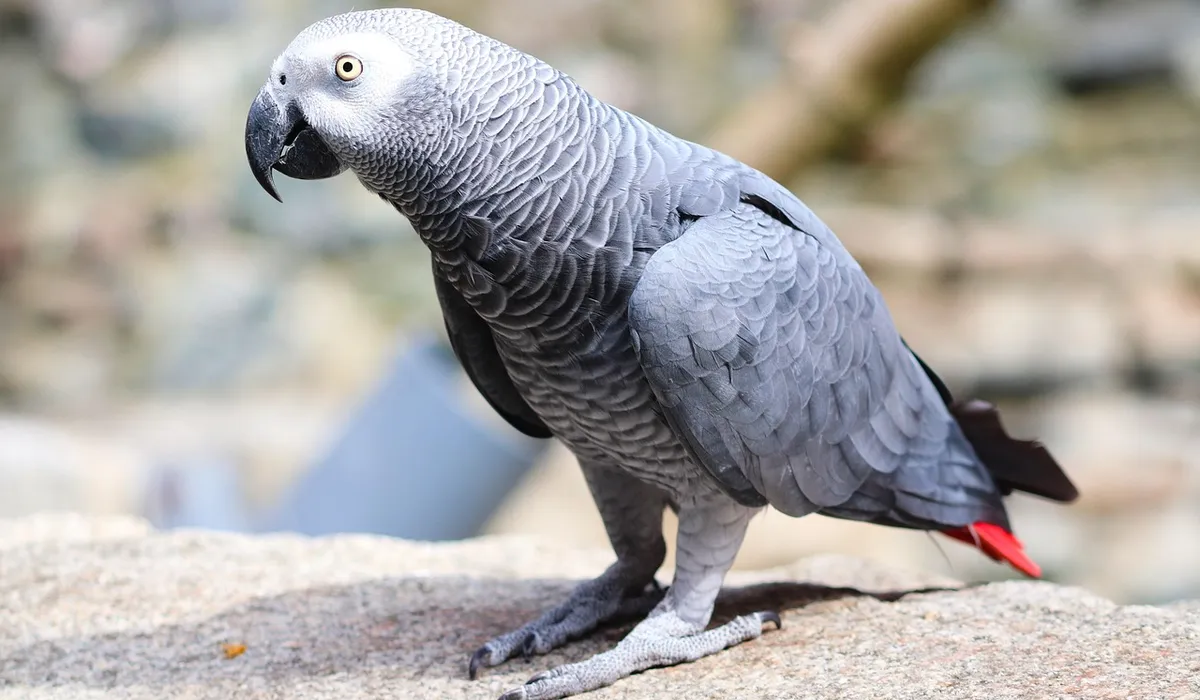
Wild parrots get super picky about their nesting spots. They often pick tree cavities or cliff crevices that feel safe and cozy. I’ve seen my Green-cheeked Conure, Kiwi, act the same way-he’ll fuss over a new toy or perch until it’s just right. In nature, they defend these spaces fiercely from rivals or predators, using loud calls and even physical posturing. It’s a survival instinct that keeps their future chicks secure. In some parrots, strong mate bonds can lead to mate-guarding or jealousy toward a partner or favored people. Understanding this can help owners handle an overly bonded, jealous bird safely.
Nest defense isn’t just about noise; it involves strategic positioning and teamwork among flock members. Parrots work together to guard their homes, much like how my Sun Conure, Sunny, alerts me to strangers with her sharp chirps. This behavior highlights why disturbing wild nests harms their breeding success-always respect their space to support animal welfare.
Raising Chicks in the Wild
Parent parrots share duties equally, from feeding to keeping chicks warm. Chicks grow fast, relying on regurgitated food and constant care, which I’ve mimicked with hand-feeding my African Grey, Sage, to build trust. In the wild, this teamwork ensures the young learn essential skills like foraging and social cues before fledging.
Raising chicks involves risks, like predation or food shortages, so parents stay vigilant. Wild parrots teach their young through example, a lesson I apply by exposing my pets to varied sounds and environments early on. For pet owners, this underscores the need for a stable, enriching habitat to mimic natural upbringing.
Talk of the Town: Vocalization and Communication
Mimicry and Learning Sounds
Parrots mimic sounds to bond and communicate within their flock. In the wild, this helps them identify friends or warn of dangers, something my Sage excels at by copying household noises perfectly. They learn through repetition and social interaction, not just instinct, which makes their vocal skills so adaptable. They also mimic human speech sounds, a hallmark of their vocal learning. This is why many parrots delight us by repeating words and phrases from our daily lives.
Mimicry starts young, with chicks picking up calls from parents and peers. I’ve watched Sunny practice new whistles for days until they stick, showing how patience and positive reinforcement work wonders. This ability isn’t just for show-it strengthens social ties and survival odds, reminding us to engage our pets in daily chatter for their well-being.
On the Move: Migration and Territorial Displays
Seasonal Movements
Many parrots adjust their locations based on food availability and weather changes. They might not migrate far, but seasonal shifts in fruit or seed sources prompt local movements, similar to how Kiwi gets more active in spring. These journeys help them avoid scarcity and find optimal breeding grounds.
Territorial displays, like loud squawking or flashy wing spreads, mark their claims during these moves. Observing this in wild flocks has taught me to read my parrots’ body language for stress or excitement, ensuring I provide a calm home. Protecting these natural patterns is key to animal welfare, as disruptions from habitat loss can lead to population declines.
Survival Challenges: Threats and Adaptations
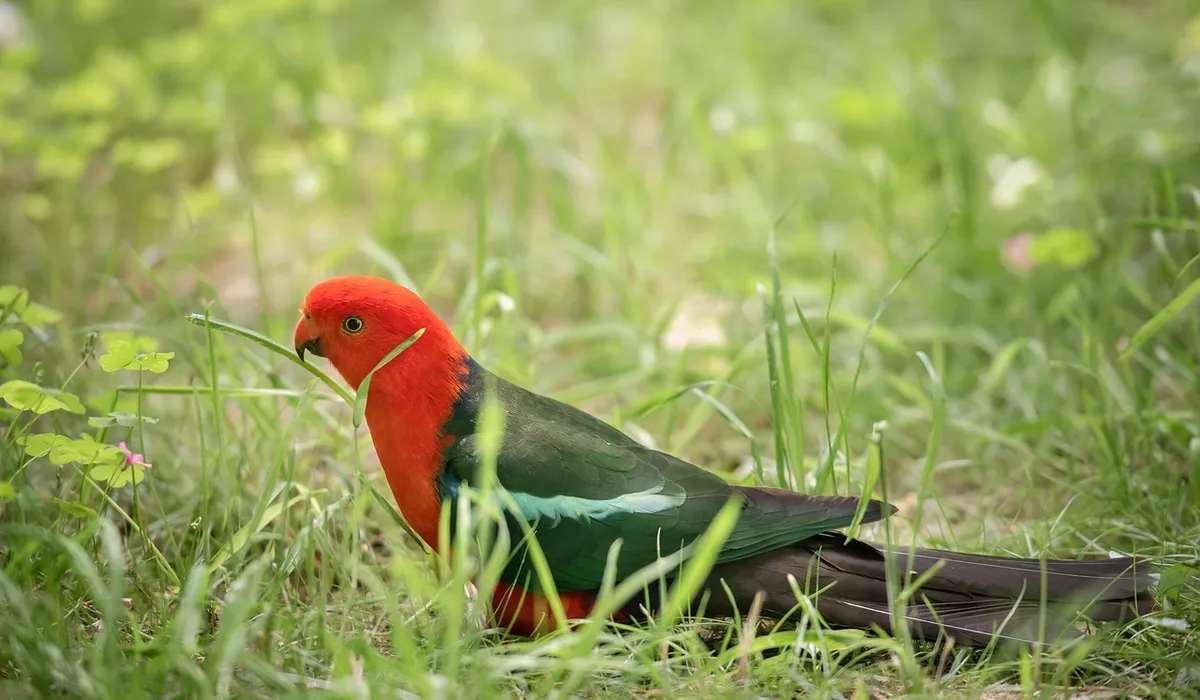
Wild parrots face constant dangers that push their survival skills to the limit. Habitat destruction and climate shifts force these birds to adapt quickly or face decline. I’ve observed my own parrots, like Sage, display behaviors that hint at their wild roots-like using tools to access food, which is a common adaptation in nature.
Human Impact and Conservation
Human activities, such as deforestation and the illegal pet trade, drastically reduce parrot populations. Conservation programs are stepping up to protect these vibrant species through habitat restoration and anti-poaching laws. From volunteering with local groups, I’ve seen how community efforts can turn the tide, giving parrots a fighting chance.
- Support wildlife sanctuaries that rescue and rehabilitate injured or displaced parrots.
- Choose pet parrots from ethical breeders to reduce demand for wild-caught birds.
- Advocate for stronger laws against habitat destruction in parrot-rich regions.
Parrots adapt by forming tight-knit flocks and developing complex communication. Their social bonds help them warn each other of threats, a trait I see in Sunny, who alerts the whole room with loud calls if something seems off. This adaptability is key to their resilience in the face of human encroachment.
Bringing the Wild Home: Insights for Pet Parrot Care
Understanding wild parrot behavior can transform how you care for your feathered friend. Mimicking their natural environment reduces stress and promotes healthy habits in captivity. I’ve applied this with Kiwi, whose playful antics remind me of wild conures foraging in trees, leading me to create a more engaging home setup. That approach also helps tackle common behavioral issues through routine training. By pairing rewards with consistent daily cues, you can guide Kiwi toward calmer, more cooperative habits.
Enrichment Ideas from the Wild
In the wild, parrots spend hours foraging, socializing, and exploring. Recreate these activities with DIY toys and interactive play to keep your parrot mentally sharp. For instance, I hide treats in shredded paper for Kiwi to “hunt,” just like his wild cousins would search for fruits. To ensure they’re safe, always check out how to make homemade toys for your parrot before using them.
- Set up foraging boxes with hidden nuts and seeds to encourage natural digging behaviors.
- Introduce puzzle feeders that require problem-solving, similar to cracking open tough shells in nature.
- Provide safe branches for climbing and chewing, mimicking tree exploration in forests.
Social enrichment is vital, as wild parrots thrive in groups. Schedule daily interaction times, like talking or training sessions, to fulfill their need for companionship. My parrots, especially Sunny, perk up when we engage in mimicry games, reflecting the vocal exchanges in wild flocks. These bonding strategies are especially helpful for Quaker parrots, who thrive on calm, consistent interaction. Taming and socialization tips—short sessions, gentle handling, and plenty of positive reinforcement—help Sunny and the flock form strong, trusting bonds with you.
Variety in diet and environment prevents boredom. Rotate toys and introduce new perches regularly to simulate the ever-changing wild landscape. I’ve found that Sage stays calmer and more engaged when her cage setup changes slightly each week, just as seasons shift in the wild.
FAQs
Why do wild parrots have such vibrant colors?
Their bright plumage often serves as camouflage in colorful forest canopies. It can also play a role in mating displays and species recognition.
How do wild parrots sleep and rest?
Wild parrots roost in large groups at night for safety and warmth. They often choose high, hidden spots in trees to avoid predators while sleeping.
What is the average size of a wild parrot flock?
Flock sizes vary by species but can range from a few pairs to hundreds of birds. Larger flocks provide better protection and more efficient foraging.
How can pet owners help in wild parrot conservation?
Support organizations that protect natural habitats and combat illegal wildlife trade. Choose ethically sourced pets and spread awareness about parrot conservation issues.
Are there differences in behavior between male and female wild parrots?
In many species, males may be more vocal or display brighter colors to attract mates. Females often take on nesting duties, but both parents typically share in raising chicks.
Final Words
To support your parrot’s well-being, focus on mimicking their wild habits with plenty of enrichment, social interaction, and a varied diet, just as I’ve learned from watching Kiwi’s playful antics and Sage’s calm intelligence. Observing and adapting to your parrot’s natural behaviors helps prevent boredom and stress, leading to a happier, healthier bird.
Always prioritize responsible ownership by committing to ongoing education about parrot care and advocating for their welfare in every decision you make. Your dedication to learning and growing with your feathered friend ensures a lifelong bond built on trust and mutual respect.
Further Reading & Sources
- r/parrots on Reddit: Are Parrots Better Off In The Wild?
- Does a pet parrot that escapes into the wild have a good chance of survival in a region with a mild climate and an abundant, year-round food source? – Quora
- What Can We Learn From Wild Parrots – Northern Parrots
Suzanne Levine is a dedicated parrot enthusiast and experienced avian caregiver with over 15 years of hands-on experience in parrot care. As the founder of Parrot Care Central, Suzanne is passionate about sharing her knowledge and insights to help fellow parrot owners provide the best possible care for their feathered friends. Her expertise spans nutrition, behavior, health, and enrichment, making her a trusted resource in the parrot care community.
Nesting